Goat Gestation Calculator
A goat gestation calculator is a vital tool that enables farmers to estimate the exact kidding date. It determines the due date by adding the average gestation period, typically 150 days or 145 days for certain breeds, to the breeding date. Since gestation can vary based on breed, age, health, nutrition, and litter size, the calculator provides a reliable method for planning feeding, healthcare, and herd management.
How to Use the Goat Gestation Calculator?
Using a goat gestation calculator is simple and helps farmers plan for kidding with confidence. Here's the information you need:
Breeding Date: Enter the exact date the doe (female goat) was bred, either naturally or via artificial insemination.
Get the Expected Kidding Date: The calculator then provides the estimated kidding date based on the average gestation period.
How to Calculate Goat Gestation Period Using Breeding Date?
Use this formula to calculate the average goat gestation period using dates manually:
- Note the Breeding Date: This is the date the doe was exposed to a buck or inseminated.
- Add the Average Gestation Period: Goats typically have a gestation period of 150 days, though some breeds may be slightly shorter (145 days).
- Calculate the Kidding Date (Due Date): Adding the gestation period to the breeding date gives the estimated kidding date.
Kidding Date = Breeding Date + 150 days
Example:
- Breeding Date: March 1, 2025
- Add 150 Days → July 29, 2025
- Expected Kidding Date: Around July 29, 2025 (plus or minus a few days)
For a more detailed visual guide, below are service dates and their relevant due dates
Goat Gestation Period Based on Breeds
The average gestation length for goats is approximately 150 days, but this varies depending on factors such as breed, age, health, litter size, and genetics. Knowing breed-specific averages helps farmers plan kidding more accurately.
Here are some popular goat breeds and their gestation lengths, organized by their primary breeding purpose.
Meat Breeds Gestation Period
Dairy Breeds Gestation Period
Fiber Breeds Gestation Period
Key Factors Affecting Goat Gestation
The length of a goat's pregnancy can vary due to several biological and environmental factors, including:
- Breed: Different breeds have slightly different gestation lengths.
- Age of the Doe: Young or first-time does may experience shorter or longer gestation periods.
- Nutrition: Under- or overfeeding can affect gestation length and fetal development.
- Environmental Factors: Stress, housing, and temperature can impact gestation.
- Reproductive Management: Timing of mating, the fertility of the buck, and the breeding method can impact a goat's pregnancy.
Why Use a Goat Gestation Calculator?
A goat gestation period calculator offers several key advantages for farmers and homestead owners:
Accurate Kidding Date: The calculator gives you an exact due date with just one input. You do not need to keep calendars or maintain breeding records for each goat.
Preparedness for Kidding: Understanding the expected kidding period allows you to schedule vaccinations, maintain health records, adjust nutrition, and prepare kidding pens, ensuring everything is ready when your doe goes into labor.
Proactive Monitoring: Keeping a close watch on the doe near her expected kidding date helps identify potential issues early, improving the chances of survival for both the doe and her kids.
Peace of Mind: Guesswork around due dates often leads to sleepless nights and unnecessary worry. A calculator gives you peace of mind, allowing you to focus on caring for your herd.
Improve Herd Health: When you know the due date, you can watch closely for signs of labor, step in quickly if complications arise, and ensure veterinary care.
Boost Efficiency: For larger herds, calculating each doe's due date by hand is time-consuming. A calculator handles the math instantly, saving you hours and reducing human error.
Manage Goat Gestation Effortlessly with FarmKeep
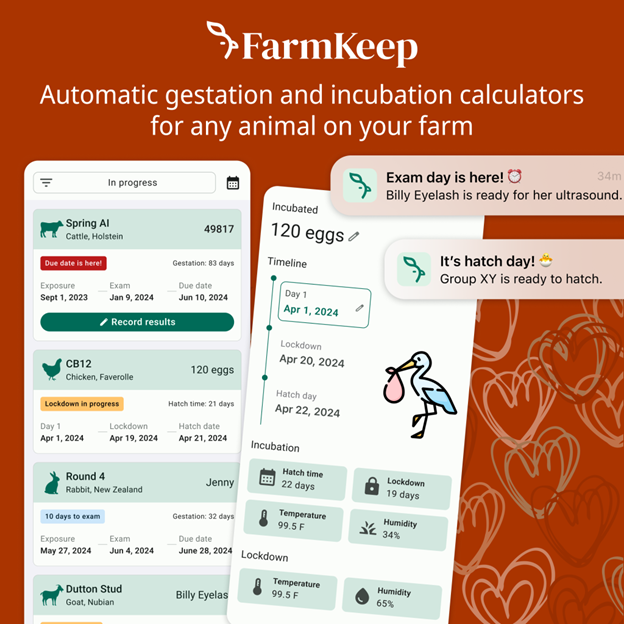
FarmKeep is an all-in-one farm management solution that not only tracks goat gestation effortlessly but also helps you:
- Log breeding, AI, and due dates in intuitive calendars
- Set alerts for pregnancy checks and expected births
- Track outcomes, stats, and offspring records
- Centralize all breeding data; no loose papers or spreadsheets
When is the Best Time to Breed Goats?
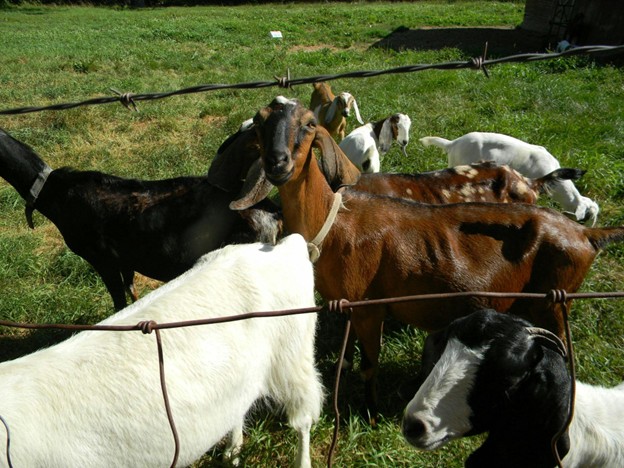
The ideal breeding period for most goats is from fall to early winter (late August to January), as shorter daylight hours trigger heat cycles. Some breeds, like Nigerian Dwarfs, Boers, and Spanish goats, can breed year-round. Goats come into heat every 18–22 days, and does should reach 70–75% of their mature body weight before breeding.
Heat Cycle:
- Estrus occurs every 18–22 days, lasting 12–36 hours.
- Signs of heat include loud bleating, tail wagging, a swollen vulva, a wet or soiled tail area, changes in appetite, and frequent urination.
Seasonal Influence:
- Most dairy goats are seasonal breeders (late summer–winter).
- Shorter daylight triggers heat in seasonal breeds.
Age & Maturity:
- Breed doe kids only after reaching 60–75% of mature body weight.
- Early breeding can stunt growth and affect pregnancy outcomes.
How to Get Your Goat Pregnant?
There are two standard methods to breed goats:
Natural Breeding: A buck is placed with does during the breeding season. The buck will naturally mate with them as they come into heat. This method is straightforward, but it makes it more challenging to determine the exact breeding date.
Artificial Insemination (AI): This method uses stored semen from a selected buck, inserted by a trained technician. AI gives more control over genetics and provides a precise breeding date, making it easier to predict kidding with a gestation calculator.
Check Out Our Other Animal Tools
- Goat Gestation Calculator
- Rabbit Gestation Calculator
- Mare Gestation Calculator
- Sheep Gestation Calculator
FAQs
How long is a goat's gestation period?
The average goat gestation time is 5 months, or 150 days. However, the period can vary slightly by breed. For example, the Nigerian dwarf goat gestation period is 145–150 days, the Boer goat gestation period is approximately 150 days, and the Nubian goat gestation period is 148–156 days.
When should I separate a pregnant goat from the herd?
Separate a doe about 2–4 weeks before her expected kidding date. This reduces stress, ensures safety during birth, and allows you to monitor her closely.
How many babies do goats have per pregnancy?
Most goats have twins, but single and triplet births are also common. Breed, age, and nutrition can influence litter size.
When do you breed goats after kidding?
Goats can be bred again in 3 to 6 weeks after kidding, once their bodies have recovered and milk production is stable.
Does breed size affect gestation length?
Yes. Larger breeds like Boer and Kiko goats may carry slightly longer pregnancies, while smaller breeds like Pygmy or Nigerian Dwarf goats often have shorter gestation periods.
What is the average gestation length for Boer goats?
The Boer goat gestation period typically lasts about 150 days.
How long is the pygmy goat pregnancy?
The Pygmy goat gestation period is generally 145–155 days, depending on litter size and the doe’s health.