Ostrich Egg Incubation Tips for Higher Hatch Rates
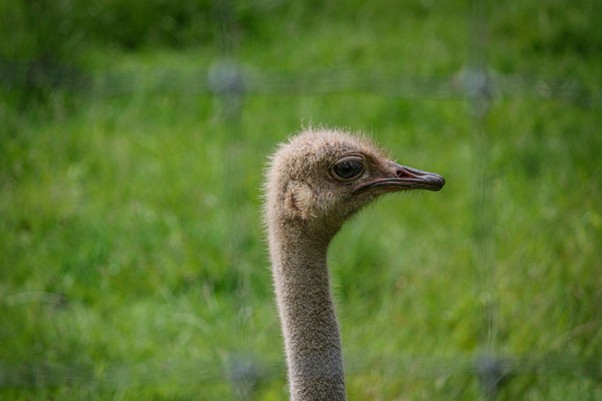
The ostrich, the world’s largest living bird, lays equally impressive eggs. These massive eggs are far more sensitive than those of chickens or turkeys. Their thick shells, unique pore structure, and slower embryonic development make precise incubation absolutely essential.
Maintaining stable temperature, controlling humidity, turning eggs correctly, and handling them with care from collection to setting is key. Whether you’re a beginner hatching your first clutch or a commercial ratite farm with an aim to improve ostrich egg incubation rates, following the right techniques can dramatically boost your hatch success.
Ostrich Egg Incubation Process
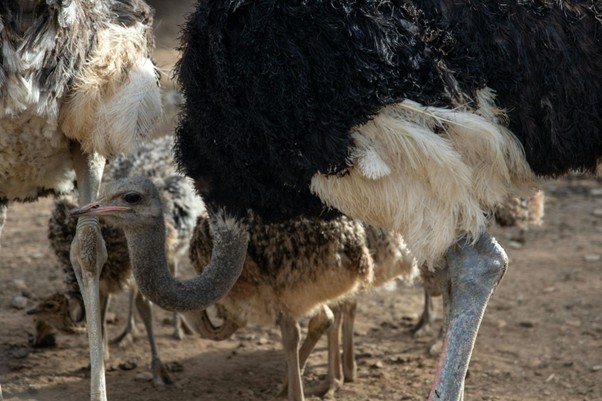
Ostrich reproduction begins with a structured mating system, typically involving one dominant male and several females. During the breeding season, each female may lay 10–20 eggs per clutch, often producing multiple clutches under good management.
These large eggs, with their thick shells and unique porosity, require careful incubation to ensure proper heat and moisture exchange throughout the long 42–46-day development period.
Because of these challenges, both natural and artificial incubation are used in ostrich farming:
Natural Incubation
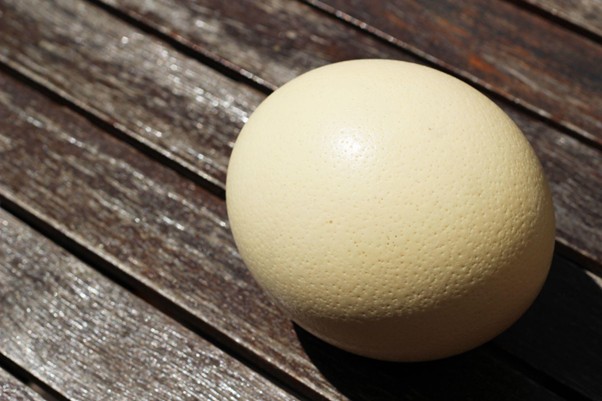
- The dominant female and male share incubation duties. Females during the day, males at night.
- Eggs are placed in a communal nest, with the dominant female’s eggs positioned centrally for optimal warmth.
- Parents regulate temperature instinctively by shading, exposing, or adjusting their posture over the eggs.
- Natural turning occurs as adults roll and reposition eggs regularly.
- Humidity depends on environmental conditions, making results variable in extreme climates.
- Ideal for low-intervention systems but may lead to uneven hatch rates when nests are overcrowded or temperatures fluctuate.
Artificial Incubation (Using Incubators)
- Eggs are collected, cleaned, and set in an incubator with controlled temperature and humidity.
- Temperature is kept around 97.0–97.5°F (36.1–36.4°C), adjusted slightly based on egg size and shell properties.
- Humidity is monitored closely to achieve proper moisture loss over the 42–46 day period.
- Automatic turning ensures the embryo develops evenly and does not adhere to the shell membrane.
- Regular monitoring allows quick corrections for issues like overheating, low moisture loss, or development delays.
- Provides more consistent, predictable hatch rates, especially in commercial ostrich farms.
Choosing the Right Ostrich Egg Incubator
Selecting the right incubator is crucial for achieving consistent hatch rates, especially given the size and sensitivity of ostrich eggs. The best units offer precise environmental control and are built to handle the unique demands of ratite incubation.
- Precision Control: Look for essential features such as an accurate thermostat, reliable humidity control, forced-air circulation for even heat distribution, and automatic egg turning to support proper embryonic development.
- Capacity and Scale: Choose the correct capacity based on how many eggs you plan to set at once. Larger operations benefit from high-capacity cabinet models, while small farms or hobbyists may only need compact units.
- Unique Features: Automatic turning (3-5 times daily) is vital to prevent sticking; 360° turning is ideal. Ventilation and good air circulation are crucial. An incubator with alerts for power or system failures is also important for a successful ostrich egg incubation period.
- Model: Compare incubator styles:
- Cabinet-style incubators provide superior stability, greater capacity, and more advanced control systems, making them ideal for commercial setups.
- Tabletop models are more affordable and beginner-friendly but may struggle to maintain perfectly stable conditions for large eggs over long incubation periods.
Selecting and Preparing a Fertilized Ostrich Egg
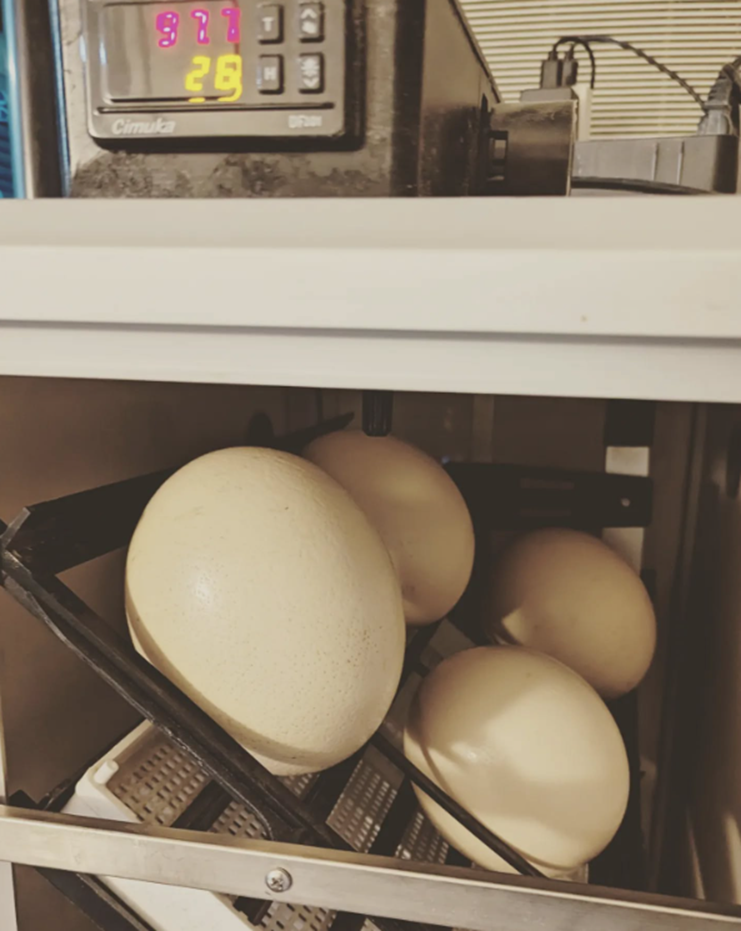
Successful incubation starts long before the egg enters the incubator. Choosing high-quality, properly handled eggs sets the foundation for strong embryos and higher hatch rates.
- Identify a good fertilized egg by looking for proper shape, uniform shell color, and a smooth surface. Fertilized eggs from healthy, well-fed breeding pairs generally show better hatchability.
- Assess the shell structure; avoid eggs with hairline cracks, overly large pores, thin spots, or irregular shapes. The shell should be clean, firm, and free from excessive stains that may harbor bacteria.
- Assess the weight and size of the eggs. Eggs that are too small or excessively large often have weaker embryos or improper nutrient balance, reducing hatch success.
- Understand how egg age affects hatchability. Ostrich eggs perform best when incubated within 5–7 days of being laid. Fertility and moisture balance decline with longer storage.
- Store eggs properly before incubation by keeping them in a cool, clean environment (around 60–65°F), with the blunt end slightly elevated and gentle turning once or twice per day to maintain embryo viability.
How to Incubate Ostrich Eggs for High Hatch Rates
Achieving strong, healthy hatchlings requires precise control over temperature, humidity, turning, and ventilation throughout the 42–46-day incubation period. Because ostrich eggs are large and slow to cool or heat, small mistakes can lead to rapid embryo loss—making careful monitoring essential.
Ostrich Egg Incubation Temperature
- Recommended Temperature: Maintain ~97.0–97.5°F (36.1–36.4°C) depending on incubator style and airflow.
- Adjusting Over Time:
- Early incubation: Keep the temperature steady within the recommended range.
- Late incubation: Slightly reduce the temperature (by 0.1–0.3°F) if eggs show signs of overheating due to increased internal heat from the growing embryo.
- Warning Signs of Temperature Issues
- Overheating: Early embryo death, blood rings, rapid weight loss, or embryos stuck to membranes.
- Too cool: Slow development, late hatching, weak chicks, and increased mortality near hatch.
Ostrich Egg Incubation Humidity
- Recommended Humidity: Lower than poultry. Typically 20–35% RH, depending on your climate and incubator type.
- Importance of Low Humidity: Ostrich eggs have thick shells but large internal volume, requiring more moisture loss to develop properly. High humidity prevents this, causing drowned embryos at hatch.
- Use the Weight-Loss Method:
- Aim for 12–15% total weight loss by Day 39–41.
- Weigh eggs weekly to adjust humidity accurately rather than relying only on the hygrometer.
Turning Schedule and Orientation
- Turning Intervals: Turn eggs 3–5 times per day, either automatically or manually.
- Best Angle: A gentle 45° tilt is ideal to prevent the embryo from sticking to one side of the shell.
- Turning Frequency: Critical in the first 3–4 weeks to ensure proper membrane development, nutrient absorption, and embryo positioning.
- When to Stop Turning: Stop turning 3–5 days before hatching to allow the embryo to settle and position itself correctly for internal pip.
Ventilation and Oxygen Flow
- Oxygen Exchange: Ostrich eggs require steady airflow due to their size; the embryo’s oxygen needs increase sharply in the final 10 days.
- Signs of Poor Ventilation:
- High levels of CO₂ in the incubator
- Weak chicks that fail to pip (break out of the egg)
- Sticky embryos or late-stage death
- Importance of CO₂ Removal: Proper ventilation helps maintain oxygen flow and prevents heat buildup. Opening vents gradually as the hatch progresses helps embryos breathe and remain stable as metabolic activity increases.
How Long Do Ostrich Eggs Incubate
Ostrich eggs have one of the longest incubation periods of any bird, typically taking 42–46 days to hatch. Because of their size and slower heat exchange, consistent temperature, humidity, and ventilation are crucial throughout this extended development window. Small variations can quickly affect embryo growth, especially in the final weeks.
Candling Ostrich Eggs to Check Development
Candling ostrich eggs is more challenging than candling poultry eggs due to the shell’s thickness and opacity, but it’s still an essential tool for monitoring embryo progress.
How to Candle Safely:
- Use a high-intensity candling light designed for large eggs.
- Candle in a dark room and handle the egg gently to avoid internal damage.
- Keep sessions brief to prevent heat loss or stress to the embryo.
Identify Growth and Development Through Candling
Early Stage (Days 7–14):
- Clear vein networks
- A visible embryo “dark spot”
- Movement may be faint but detectable
Mid Stage (Days 21–30):
- Increased dark mass as the embryo grows
- Stronger movement
- Air cell formation is becoming more defined
Late stage (Days 35+):
- Most of the egg appears dark
- Large, well-formed air cell
- Active movement may reduce slightly as space tightens
Identifying Problem Eggs:
- Infertile Eggs: Completely clear with no veins or embryo after Day 10.
- Early Embryo Mortality: Blood rings, cloudy contents, or stopped development between early checks.
- Late Mortality: Lack of movement, irregular air cell, or signs of internal bacterial contamination.
Advanced Tips for Higher Hatch Rates
Improving ostrich hatch success goes beyond basic incubation settings. Small refinements in monitoring, hygiene, and record-keeping can make a noticeable difference in embryo health and overall hatch consistency.
- Use the weight-loss method for humidity control: Track weekly egg weights to ensure each egg loses 12–15% of its starting weight by the final days of incubation. Adjust humidity accordingly rather than relying solely on incubator readings.
- Keep data logs for temperature and humidity: Consistent logging (either manually or digitally) helps you quickly spot trends, fluctuations, or problems that may affect embryo development.
- Rely on calibrated instruments: Use high-quality, calibrated thermometers and hygrometers to verify your incubator’s built-in sensors. Even minor inaccuracies can disrupt development due to the long incubation period.
- Clean and sanitize between incubation cycles: Thorough cleaning prevents bacterial buildup, mold growth, and contamination. Pay special attention to trays, fans, sensors, and turning mechanisms.
- Adopt strong record-keeping strategies: Maintain digital charts, dedicated apps, or incubator logs for egg weights, turning schedules, fertility checks, temperature changes, and hatch outcomes. Accurate records help refine your process over time.
Conclusion
Successful ostrich incubation is a combination of precise environmental control, careful egg selection, and disciplined monitoring. By applying advanced techniques such as weight-loss tracking, calibrated equipment, and consistent record-keeping, you can significantly improve hatch rates and support healthier, stronger chicks in every incubation cycle.
FAQs
How long does it take for ostrich eggs to hatch?
Ostrich egg incubation time is usually 42–46 days, but development can speed up or slow down depending on temperature, egg size, and shell porosity. Even small variations in incubation conditions can shift the hatch window by a day or two.
What is the ideal ostrich egg incubation temperature?
The ideal temperature range is ~97.0–97.5°F (36.1–36.4°C). Because ostrich eggs retain heat more than poultry eggs, running the incubator slightly cooler prevents overheating.
What should ostrich egg incubation humidity levels be?
Humidity should be kept low, around 20–35% RH, depending on your environment. Ostrich eggs need to lose 12–15% of their weight by the end of incubation, so humidity must be adjusted based on weekly weight checks. Too much humidity is a common cause of drowned or late-dead chicks.
How long do ostrich eggs incubate before hatching?
Ostrich eggs are generally incubated for six full weeks, but the exact timing depends on how stable the temperature and humidity have been. Cooler incubators, larger eggs, or high humidity can delay hatching slightly.
What is the full incubation period of ostrich eggs?
The complete incubation period ranges from 42 to 46 days, with most healthy embryos emerging right in the middle. Eggs that hatch very early or very late often indicate temperature inconsistencies or developmental issues.
How do you candle ostrich eggs safely?
Use a powerful, high-intensity flashlight and candle briefly in a dark room. Since ostrich shells are thick, visibility is limited, especially later in incubation, its important to use high powered tools. Always hold the egg gently and avoid excessive tilting.
Why is my fertilized ostrich egg not developing?
Several factors can stop development even in fertilized eggs:
- Incorrect temperature (too high or too low)
- Humidity problems leading to poor moisture loss
- Eggs stored too long before incubation
- Weak fertility due to poor breeder nutrition or age
- Early bacterial contamination
- Embryo death from rough handling or temperature swings
Is natural incubation better than artificial incubation for ostriches?
Both have advantages, but they serve different goals.
- Natural incubation works well for small-scale farms where birds manage temperature and turning themselves, but results can vary with weather, nest size, and flock behavior.
- Artificial incubation provides tighter control over temperature, humidity, turning, and ventilation. It is ideal for consistent hatch rates and commercial production.