How Many Cows Per Acre? A Rancher’s Guide to Cattle Management
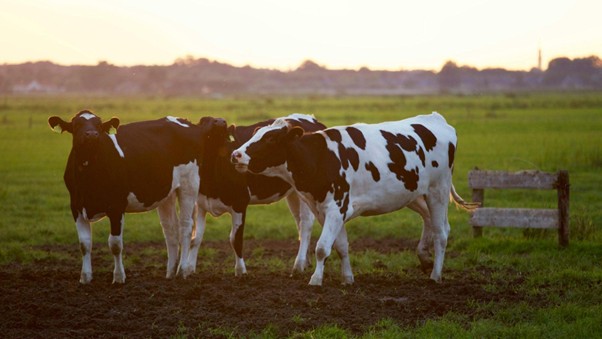
How many cows per acre is one of the most asked questions in cattle farming. In the United States, a common rule of thumb is one cow per acre, though the ideal stocking rate can vary based on pasture quality, climate, and management practices. While there is no legal limit on cows per acre in most areas, overstocking can quickly lead to overgrazing, soil damage, and higher feed costs.
Maintaining roughly one cow per acre gives cattle adequate space to graze, move, and access forage naturally. It also helps pastures to recover and reduces stress on the herd. This balanced approach supports healthier animals, more sustainable land use, and better overall farm performance, especially for small and mid-sized operations.
How Many Acres Per Cow Do You Really Need
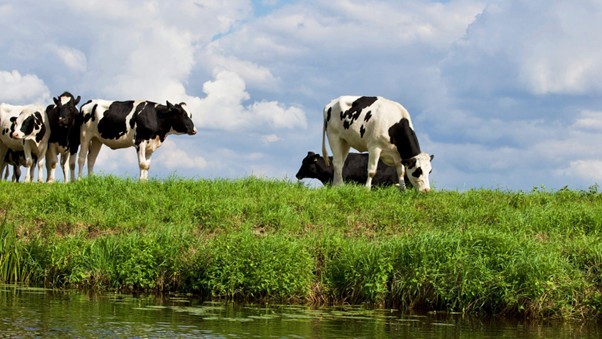
The term "stocking rate" refers to the number of animals grazing on a specific amount of land for a specific time. A common planning guideline is that a cow and her calf typically require about 1.5 to 2 acres of average-quality pasture for a full grazing season.
This range works as a starting point, but actual needs depend heavily on forage growth, rainfall, and management practices.
Average Rule of Thumb
The 1.5 to 2 acres per cow guideline is often used as a starting point rather than a fixed rule. Actual acreage needs can be higher or lower depending on pasture quality, rainfall, and how intensively the land is managed.
A cattle per acre calculator helps estimate how many animals your pasture can support by combining land area, forage availability, and grazing utilization into a workable estimate.
Grazing Land vs Total Land
Stocking decisions should be based on grazeable acreage rather than total land size. Areas such as woods, steep slopes, waterways, and buildings reduce the amount of usable pasture and should not be counted when determining how many cows your land can support.
Continuous Grazing vs Rotational Grazing
Continuous grazing keeps cattle on the same pasture for extended periods and often requires more land per cow to prevent pasture damage. Rotational grazing allows pastures to rest between grazing cycles, improving forage growth and making more efficient use of available land.
Key Factors That Decide How Many Cows Per Acre You Can Keep
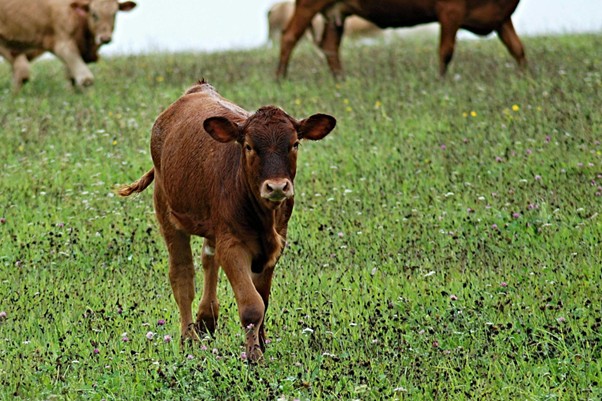
Forage Production: The amount of grass and vegetation your land produces directly determines how many cows it can support. Higher forage output allows for higher stocking rates.
Soil Quality: Healthy, fertile soil produces more and better-quality forage, increasing the land’s carrying capacity.
Rainfall and Climate: Consistent rainfall and longer growing seasons support stronger pasture growth, while dry climates limit forage availability.
Pasture Management: Grazing practices such as rotational grazing allow grass to recover and often support more cows per acre than continuous grazing.
Cow Size and Intake Needs: Larger cows consume more forage, reducing the number of animals the land can sustain.
Water Availability: Reliable access to water promotes even grazing patterns and supports overall herd health.
Forage Utilization Rate: How much grass cattle consume versus what’s left behind affects how efficiently pasture is used.
Length of Grazing Season: Short grazing seasons require more acreage per cow to meet annual feed needs, while longer seasons reduce land pressure.
How Much Land Should I Have Per Cow?

Small Homestead (1–5 cows)
For small homesteads, planning 1.5 to 2 acres per cow is a practical and manageable starting point. This allows enough space for grazing, movement, and pasture recovery, especially when rotational grazing is used. Homesteads often benefit from flexible management and supplemental feeding during low-growth seasons.
Mid-Size Farm (10–50 cattle)
Mid-size farms typically require more deliberate pasture planning. While the same 1.5 to 2 acres per cow rule often applies, total land needs increase quickly at this scale, making pasture quality, water access, and fencing critical. Rotational grazing becomes especially valuable for maintaining forage health and controlling costs.
Ranch-Scale Operations
Large ranches operate across diverse landscapes where stocking rates can vary widely. Depending on climate and forage availability, land requirements may range from less than one acre per cow in high-producing regions to several acres per cow in drier environments. At this scale, stocking decisions are closely tied to long-term forage sustainability and land stewardship.
Famous Cattle Breeds & Their Land Requirements
Rotational Grazing: How Farmers Fit More Cows on Less Land
Rotational grazing divides a larger pasture into smaller paddocks and moves cattle regularly between them, which increases forage utilization compared with continuous grazing. Under continuous grazing, animals graze the same area all season, often leading to under- or over-grazing and unused forage. Rotational systems allow rest periods for forage to recover while animals use fresh pasture more efficiently.
By using rotational grazing:
- Forage is grazed more uniformly, reducing wasted forage and improving pasture quality.
- Rest periods promote regrowth and improve long-term productivity of the land.
- The same acreage can support more animals over time without degrading forage resources.
- This doesn’t magically change the total amount of forage available, but better grazing management lets farmers match stocking decisions to forage growth, increasing sustainable carrying capacity.
How FarmKeep Helps You Manage Cows Per Acre Smarter
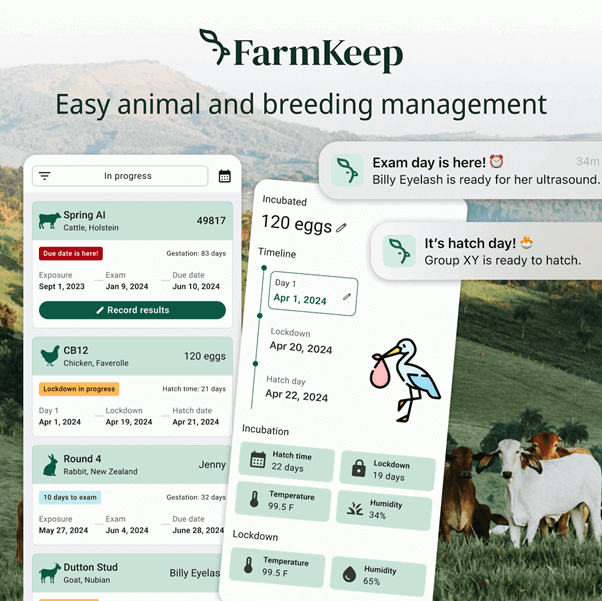
Modern herd management requires accurate tracking of breeding, pregnancy, and calving. FarmKeep streamlines these tasks, helping farmers improve productivity, reduce reproductive losses, and make informed decisions. Key features include:
Effortless Record Keeping
- Centralized digital logging for breeding, pregnancy, calving, and treatments across cattle.
- Built-in breeding calendars and guides for over 1,200 breeds.
- Track calving records, including calf ID, birth weights, calving ease scores, and survival data.
- Maintain full animal history and pedigree, including sire and dam lineage.
Automated Reminders
- Alerts for heat cycles, insemination, vaccinations, pregnancy exams, and calving dates.
- Calving and birth alerts ensure preparation for pens and close monitoring.
- Actionable Insights
- Analytics on fertility trends, calving schedules, and herd productivity.
- Supports informed decisions on nutrition, health interventions, and resource allocation.
- Monitor reproductive efficiency and optimize calf spacing for improved herd performance.
Community Connection
- Connect with nearby farmers to learn, exchange tips, and compare breeding strategies.
- Assign and track tasks for farmhands to ensure everyone on the team knows their responsibilities.
- Collaborate on breeding, calving, and health management plans for more efficient farm operations.
All-in-One Management
- Integrates breeding, calving, health, and grazing records on a single platform.
- Track health and vaccination records, including deworming and treatment records.
- Monitor pasture and grazing rotations to maintain cow condition during pregnancy.
FAQs
How many acres per cow in the USA?
A common rule of thumb in the USA is 1 to 2 acres per cow, depending on forage quality, rainfall, and grazing management.
Can one acre support a cow?
Yes, one acre can support a cow in areas with productive pasture and good grazing management, especially with rotational grazing. In drier regions, more land is usually needed.
How many cattle per acre with rotational grazing?
With rotational grazing, farmers may support one cow per acre or slightly more, because pasture recovery and forage use are more efficient than continuous grazing.
How much pasture per cow in Texas?
In Texas, pasture needs vary widely. East Texas may support close to 1 acre per cow, while West Texas may require 5 acres or more per cow due to lower rainfall.
How much land do you need for 10 cows?
Using the average stocking estimate, 10 to 20 acres are typically needed for 10 cows, depending on pasture quality and grazing method.
Does breed affect how much land a cow needs?
Yes. Larger breeds eat more forage, so they generally require more land than smaller or moderate-frame cattle.
How much land should I have per cow?
For most small and mid-size farms, 1 to 2 acres per cow is a practical starting point, adjusted for local conditions and forage growth.
How much grazing land per cow?
Most grazing systems plan for 1–2 acres of grazing land per cow to maintain pasture health and a steady forage supply.
How much pasture per cow?
The ideal amount is enough pasture to meet forage demand while allowing regrowth, which typically falls between 1 and 2 acres per cow under managed grazing.