Ostrich Feed & Nutrition Requirements: A Guide to Raising A Healthy Flock
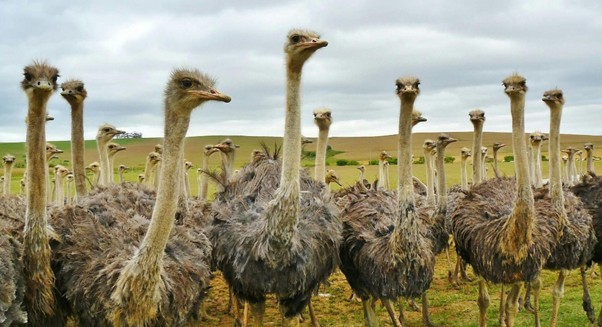
Ostrich feed costs are among the largest expenses in ostrich farming. Ostriches have unique digestive and nutritional needs, so the type and quality of feed directly affect how well they grow and perform.
When birds receive the right balance of nutrients, they show faster growth, higher egg production, stronger immunity, and better chick survival. These improvements lower medical losses, strengthen flock health, and boost the overall efficiency of the operation.
How the Ostrich Digestive System Influences Feed Requirements
Ostriches are unique ratite birds that function as both monogastric herbivores and hindgut fermenters.
As monogastric animals, they have a single stomach, unlike ruminants such as cattle that rely on multiple stomach chambers to break down their food. At the same time, being hindgut fermenters means they ferment and digest fiber in the latter part of the digestive tract, primarily the colon and caeca, where microbes break down tough plant material.
This combination of a simple stomach with a powerful hindgut fermentation system allows ostriches to efficiently utilize high-fiber forages, shaping how their diets must be formulated and why fiber quality and structure matter so much in their feeding programs.
The ostrich’s large colon and paired caeca create an ideal space for microbial fermentation, allowing them to break down tough fibers like cellulose and hemicellulose. Research shows that volatile fatty acids from this process can supply up to 76% of their energy needs, meaning ostriches can thrive on high-roughage diets that most birds cannot digest.
Why Ostriches Digest Fiber Better Than Other Birds
Most birds rely heavily on high-energy grains, but ostriches naturally consume grasses, leaves, legumes, and even silica-rich plants. Their slow passage rate (averaging about 40 hours) gives microbes more time to break down fiber. As they mature, their ability to digest fiber continues to improve, with fiber digestibility plateauing around 17 weeks of age.
The Role of the Gizzard, Intestines, and Microbial Fermentation
Feed moves from the proventriculus into a muscular gizzard that grinds ingesta with the help of grit and stones, which should always be available. The finely ground material then enters the small intestine and finally the large colon, where most fermentation occurs. Here, microbes convert fiber into usable energy and nutrients, making proper colon health essential for growth and feed efficiency.
Why Diet Structure Must Match Their Digestive Capacity
Ostriches depend heavily on fiber digestion:
- Diets must include adequate roughage, particularly alfalfa, to support gut function.
- Fiber must be appropriately sized, especially for young chicks or baby ostriches, as excessively coarse fiber can lead to impaction.
- A balanced ratio of fiber, energy, and protein is essential, especially during high-growth periods when feed conversion is naturally more efficient.
- Feeding programs that align with their digestive anatomy reduce the risk of digestive disorders, improve nutrient absorption, and keep birds healthy from the chick stage through adulthood.
Energy Needs for Ostriches of All Ages
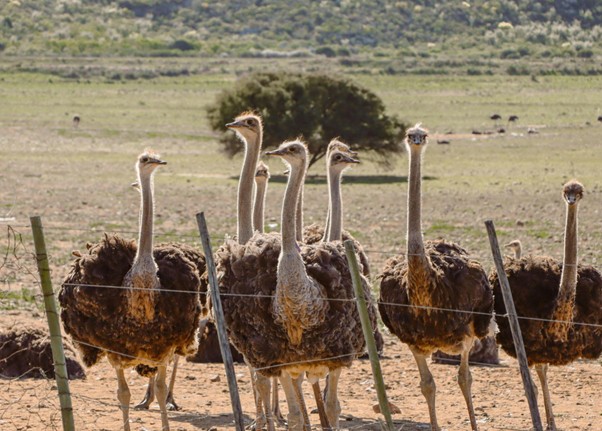
Ostriches have fast, energy-intensive growth rates and a digestive system capable of extracting large amounts of energy from fiber. Because of this, their metabolizable energy (ME) requirements shift significantly as they develop from chicks to growers, finishers, and adults.
ME Requirements for Chicks, Growers, Finishers, and Adults
Young ostriches need enough energy to support early body development, feather growth, and digestive system maturation. ME requirements increase steadily through the early months and reach their peak around 6 months of age, when growth is at its peak. After this rapid-growth window, energy needs level out as birds transition toward maintenance or reproductive stages.
Chicks depend on higher-protein but moderate-energy diets with controlled fiber, while growers and finishers gradually move to roughage-rich diets as their hindgut fermentation capacity strengthens. Mature birds require balanced energy for long-term maintenance, egg production, and overall reproductive health.
Estimated Metabolizable Energy (ME) Needs for Ostriches by Age
Why Energy Demand Peaks Around 6 Months
Between 3 and 6 months, ostriches experience their highest growth rate. Carcass energy gain is greatest during this period, so ME intake must match the rapid increase in body mass. If energy intake falls short, birds may develop leg weakness, slow growth, or poor feathering. After six months, the growth curve declines, and energy requirements stabilize.
How Ostriches Use Fiber as a Major Energy Source
Unlike most birds, ostriches can derive a significant portion of their energy from fiber. Their hindgut fermentation system breaks down cellulose and hemicellulose, producing volatile fatty acids (VFAs) that supply a large share of their metabolizable energy, especially in growers and adults. As their digestive tract matures, they become increasingly efficient at extracting energy from forage-based diets.
Key Signs of Energy Deficiency or Oversupply
Energy Deficiency:
- Stunted growth in chicks and growers
- Poor feather development
- Leg weakness or reduced mobility
- Low egg production in breeders
- Weight loss or poor body condition
Energy Oversupply:
- Excessive fat deposition
- Poor fertility in breeding males
- Reduced feed intake
- Leg strain in young, fast-growing birds
Protein and Amino Acid Requirements
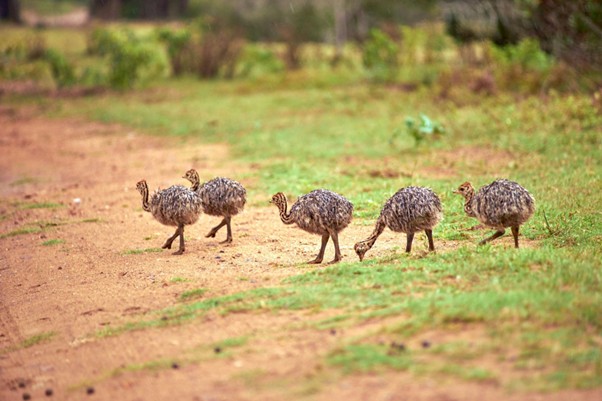
Ostriches require a well-balanced supply of protein and essential amino acids for proper growth, muscle formation, immune function, and reproductive performance. Research shows that key amino acids, including lysine, methionine, and arginine, are particularly important, as they directly influence tissue development and overall feed efficiency.
Protein needs are highest in young chicks, whose bodies are rapidly forming feathers, muscle, and bone. As the hindgut matures and the growth rate slows, the bird’s protein requirement gradually decreases. Finishers and adults maintain lower overall protein demands, though breeders still require high-quality amino acid profiles to support fertility and egg production.
A properly balanced amino acid profile is critical. Deficiencies can quickly appear in young birds because their digestive capacity is still developing. Problems associated with low protein or amino acid imbalance include:
- Stunted growth
- Poor feathering
- Weak or poorly developed chicks
- Reduced immune function
- Lower fertility and poor egg production in breeders
Fiber & Roughage Levels for Different Stages
Ostriches are hindgut fermenters, and fiber plays a major role in digestion and energy supply. However, the ideal fiber level changes dramatically with age.
Young chicks cannot digest large amounts of coarse fiber. Their gastrointestinal tract is still developing, and excessive roughage can overload the digestive system, reduce nutrient absorption, and cause impaction. For this reason, fiber in chick diets must be controlled and finely processed, with lucerne meal often used in small, digestible amounts.
As birds reach the grower and finisher stages, fiber becomes more important. Mature ostriches can ferment cellulose and hemicellulose efficiently, producing volatile fatty acids that serve as a major energy source. Recommended roughage for older birds includes:
- Lucerne (alfalfa)
- Chopped forages (e.g., grass hay)
- Good-quality pasture free from sand, stones, or harmful plants
For adults, moderate levels of roughage help maintain gut health, support microbial fermentation, and prevent obesity. Fiber also helps regulate feed intake and encourages natural grazing behavior.
Mineral and Vitamin Requirements
Minerals and vitamins are essential for growth, bone development, reproduction, and metabolic function in ostriches. Two of the most important minerals are calcium and phosphorus. These must be supplied in the correct balance to ensure strong bones and high-quality eggshells.
Breeding females especially require elevated calcium levels to support both shell formation and embryo development. An improper calcium-to-phosphorus ratio can lead to leg weakness, poor bone mineralization, and low hatchability.
Key vitamins include:
- Vitamin A: Supports immunity and keeps skin, eyes, and digestive tissues healthy.
- Vitamin D₃: Helps absorb calcium and phosphorus for strong bones and good eggshell quality.
- Vitamin E: Protects cells, supports fertility, and maintains muscle health.
- Vitamin K: Ensures proper blood clotting.
- B-Complex Vitamins: Convert feed into energy and support the nervous system, appetite, and growth.
Low vitamin E or selenium levels can lead to muscle degeneration, weakness, and poor immunity. Growing birds are particularly sensitive to deficiencies.
Feed Requirements for Ostriches Based on Life Stage
We can now look at how feed must be adjusted throughout each life stage. The table below outlines the essential ingredients typically used in balanced ostrich feed formulations based on their life stages.
The table below outlines the nutrient ranges based on an ostrich’s life cycle:
Note: All numerical values for ingredients in the table are presented as concentration on an air-dry basis, with the unit of measurement being g/kg (grams per kilogram).
Sources:
Ostrich Feeding and Nutrition by A. A. Aganga, A. O. Aganga and U. J. Omphile
Ostrich Chick (Starter) Feed Requirements (0–3 Months)
Young chicks grow rapidly but have an immature digestive system, so feed must be carefully balanced to avoid early mortality.
- Starter Feed Composition: Chicks require a higher-protein, moderate-energy diet with controlled fiber. Their hindgut is not yet ready to digest coarse roughage, so fiber must be finely ground.
- Feeding Frequency & Water Management: Chicks should have constant access to nutritious feed with clean water available at all times. Contaminated water and feed are major causes of early chick losses.
- Brooder Considerations: Proper brooder temperatures, clean flooring, and dry bedding reduce stress and support early digestion and feed intake.
- Preventing Chick Losses: Excess fiber, poor-quality protein, or incorrect amino acid balance can cause stunting, leg weakness, and digestive overload. Ensuring high-quality starter diets is critical during this stage.
Grower Feed Requirements (3–6 Months)
This period represents the fastest growth phase, where energy and nutrient needs peak.
- Nutrient Changes as Birds Grow: As the digestive tract matures, growers can handle more fiber, and protein gradually decreases from chick levels.
- Controlled Growth: Growth must be steady to prevent leg deformities. Overfeeding energy or protein can promote overly rapid weight gain that stresses the legs.
- Introducing Roughage: Chopped lucerne and high-quality forage can be introduced gradually. Birds at this age begin to rely increasingly on hindgut fermentation for energy.
- Balanced Concentrate: Concentrates should still supply controlled levels of protein and amino acids, supporting muscle development without causing metabolic stress.
Finisher Feed Requirements (6–12 Months)
Once birds enter the finisher phase and their growth rate declines, the focus of feeding moves toward managing body condition and reducing feed costs.
- Feeding for Meat Production: Finishers require diets that support healthy weight gain without excess fat deposition.
- Lower Protein, Higher Roughage: Protein levels drop further, and roughage becomes a major diet component as fiber digestibility reaches adult efficiency.
- Optimized Energy Levels: Energy intake stabilizes because the growth rate tapers off. Most ME now comes from volatile fatty acids produced via hindgut fermentation.
- Expected Feed Intake: Finishers consume significantly more roughage and less concentrate compared to younger birds, making feed costs lower at this stage.
Adult Maintenance Diet (12+ Months)
For adults outside the breeding season, a straightforward, high-roughage diet is sufficient to maintain good condition.
- High-Roughage Focus: Mature ostriches thrive on lucerne, chopped forage, and pasture as their main feed sources. Their hindgut fermentation is fully developed, and fiber provides most of their daily energy.
- Balancing Energy Intake: Adults should maintain a steady body condition; too much energy leads to excess fat, reduced fertility, and metabolic strain.
- Seasonal Adjustments: Energy needs increase in cold or wet seasons and decrease in hot periods. Pasture quality also changes seasonally, requiring supplementation at certain times.
Breeder Feed Requirements
Breeding adults have elevated nutrient demands, particularly females during the laying season.
- Increased Nutrient Needs: During reproduction, both protein and energy needs rise. Females require more calcium, amino acids, and trace minerals to support egg formation and chick viability.
- Calcium and Trace Mineral Importance: Correct calcium-to-phosphorus ratios are critical for eggshell strength, embryo development, and skeletal health. Deficiencies can result in thin shells, low hatchability, or weak chicks.
- Effects of Poor Nutrition: Inadequate nutrient supply leads to:
- Poor fertility
- Reduced egg size and quality
- Weak or non-viable chicks
- Low hatchability
- Reproductive exhaustion in females
- Avoiding Contaminated Mineral Sources: Low-grade or contaminated calcium sources can negatively affect fertility and shell quality, making clean, high-quality minerals essential.
Key Ingredients for Formulating Ostrich Feed
To build the right diet for each age group, here are the key feed ingredients recommended for ostrich nutrition.
Best Ingredients
Ostriches perform best on diets built around digestible grains, quality protein sources, and high-quality roughage.
Ingredients to Avoid or Limit
Certain feeds can create nutritional imbalances or place stress on young birds with underdeveloped digestive systems.
- Poultry feeds: Commercial poultry rations are not suitable for ostriches due to differences in energy, fiber, and amino acid requirements. Using them long-term may cause growth problems or nutrient deficiencies.
- High-fat diets for chicks: Young chicks lack the digestive development needed to process excess dietary fat. High-fat feeds slow gut passage and increase the risk of digestive disorders.
- Low-quality calcium sources: Calcium contaminated with impurities or heavy metals can reduce fertility and negatively affect eggshell quality. High-purity mineral sources are essential for breeder birds.
- Diets heavily dependent on maize: A maize-heavy diet may lead to vitamin deficiencies unless supplemented properly. Since maize is naturally low in certain micronutrients, diversity in ingredients is crucial.
Water Intake and Hydration Management
- Hydration for chicks: The first days of life are critical. Chicks dehydrate easily and require constant access to fresh, clean water. Poor water intake is a major contributor to early chick mortality.
- Water quality and access for all stages: Clean, cool, and regularly refreshed water must be available at all times. Contaminated water quickly leads to digestive problems, reduced feed intake, and illness.
- Signs of dehydration and its impact: Dehydration causes weakness, slowed growth, poor feather development, and reduced thermoregulation. In adults, poor hydration can lower egg production and fertility.
Common Feeding Problems and How to Prevent Them
- Impaction in chicks: Young chicks cannot process coarse fiber. Feeding overly fibrous forage or allowing access to sand, stones, or long stems can cause gut blockages.
- Poor growth from mineral or vitamin imbalance: Inadequate levels of essential amino acids, calcium, phosphorus, or vitamins (especially A, D₃, and E) lead to stunting, weak legs, and poor feed conversion.
- Soft-shelled eggs from Ca/P errors: Incorrect calcium-to-phosphorus ratios in breeder diets result in thin or malformed eggshells and reduced hatchability.
- Fertility decreases from excess calcium in males: Too much calcium can negatively affect male reproductive performance.
- Myopathy caused by vitamin E or selenium deficiency: Low vitamin E or selenium leads to muscle degeneration, weakness, reduced immunity, and poor chick viability.
Feeding Cost Optimization
- Combining roughage and concentrates to reduce cost: Mature ostriches can meet much of their energy demand from roughage through hindgut fermentation. Using lucerne or pasture alongside a balanced concentrate lowers feed costs significantly.
- Evaluating ingredients based on ME and digestibility: Ingredients with high metabolizable energy (ME) and good fiber digestibility are more cost-effective. High-quality lucerne, grains, and certain by-products offer good ME value.
- Feeding schedules that reduce waste: Feeding birds at consistent times and adjusting amounts to match growth stage prevents overfeeding and reduces spoiled or uneaten feed.
- Benefits of controlled feeding to prevent overgrowth: Rapid early growth can cause leg deformities. Controlled feeding keeps birds healthy while minimizing feed waste.
Conclusion
Proper nutrition is the foundation of healthy, productive ostriches at every stage of life. By adjusting feed composition as birds grow, offering high-quality roughage, ensuring balanced minerals and vitamins, farmers can support strong growth, optimal reproduction, and long-term flock health.
FAQs
What are the basic ostrich feed requirements?
Ostriches need a balanced diet of energy, protein, and fiber. Energy comes from grains like maize and oats, protein from soybean meal, and fiber from roughage like lucerne or wheat bran.
What should ostrich chicks eat for healthy growth?
Chicks require high-protein starter feeds with essential amino acids, vitamins, and minerals to support rapid growth, strong bones, and immunity.
How much roughage does an adult ostrich need?
Adult ostriches need moderate amounts of roughage (lucerne, hay) daily to aid digestion and gut health. Roughage should complement, not replace, their grain and protein intake.
What minerals and vitamins are essential in an ostrich's diet?
An ostrich’s diet must include key minerals such as calcium, phosphorus, and salt. Vitamins A, D3, and E are important for growth, bone strength, feather development, and reproduction.
What ingredients are best for ostrich feed?
Maize and oats (energy), soybean meal (protein), and lucerne and wheat bran (fiber), plus vitamin/mineral premixes to ensure complete nutrition.
How much feed does an ostrich eat per day?
Chicks eat about 100–200g per day initially, growing to 2–3 kg/day for adults, depending on size, age, and production stage. Feed should be fresh and clean.
What is the best feed for breeder ostriches?
Breeders require a nutrient-rich diet with higher protein (18–20%), essential vitamins, minerals, and moderate energy to support egg production and fertility.
Can ostriches eat the same feed as poultry?
No. Poultry feed is usually too low in fiber and too high in energy for ostriches. Ostriches need higher fiber, specific amino acids, and roughage for proper digestion.