How to Start a Poultry Farm Business in the USA

Poultry farming is the practice of raising domesticated birds such as chickens, turkeys, ducks, ostriches, and other fowl for their meat, eggs, and feathers. Poultry farming can deliver returns relatively quickly due to the short production cycles and strong consumer demand.
In the United States, the poultry industry is booming. The US poultry and egg sector generated more than $70 billion in total sales in 2024, with broiler production alone contributing over $45 billion of that value and growing year over year.
In this article, we’ll walk you through everything a newcomer needs to know to start a poultry farm business in the USA, the basics of poultry farming, how to manage birds effectively, and how to maximize profitability with savvy, practical tips.
Is Poultry Farming Still Profitable in the USA?
Poultry farming is one of the most profitable and resilient sectors in US agriculture, thanks to strong consumer demand for chicken and eggs, efficient production systems, and a robust market infrastructure. Here’s a clear picture of why poultry farming continues to be a viable business opportunity in the USA:
The US poultry and egg industry is a major agricultural powerhouse, generating over $70 billion in total sales in 2024, with broiler (meat chicken) production alone contributing roughly $45 billion of that figure. Egg production added about $21 billion in value. These numbers reflect both rising domestic consumption and growing export opportunities.
Some of the top poultry-producing states include:
- Iowa: It leads in the total number of chickens and also contributes heavily to egg production.
- Ohio, Indiana, Pennsylvania, and Texas: They also rank high in chicken inventory and production.
- North Carolina, Georgia, and Arkansas: These are among the top states when it comes to poultry and egg sales, accounting for approximately one-third of all US poultry and egg revenue.
Factors behind poultry farming’s profitability:
- Consistent Consumer Demand: Chicken remains one of the most purchased and consumed proteins in the US, driven by affordability, versatility, and perceived health benefits.
- Export Markets: Roughly 14% of US broiler production is exported, with countries like Mexico importing significant quantities of US poultry.
- Efficient Production: Poultry has one of the lowest feed-to-meat conversion ratios among livestock, meaning producers can turn feed into saleable product much faster and with less cost.
- Integrated Value Chains: The US industry benefits from advanced hatchery, feed, processing, and distribution systems, which help streamline operations and keep costs competitive.
- Employment Boost: The broader poultry sector supports hundreds of thousands of jobs and billions in related economic activity, from feed production and transport to processing and sales. This gives the industry strong economic backing at local and national levels.
Raising Goats for Profit in the USA: Ways to Diversify Your Goat Farms
What Is Poultry Farming?
Poultry farming is the agricultural practice of raising domesticated birds such as chickens, turkeys, ducks, and quail for the purpose of producing meat, eggs, or both. In the USA, chicken farming dominates the sector, with operations ranging from small backyard setups to large commercial farms supplying national and global markets.
Poultry farming is popular because of its relatively fast production cycles, manageable startup requirements, and steady demand. With proper housing, feed management, biosecurity, and market access, poultry farming can be scaled gradually. It is a lucrative option for first-time farmers as well as experienced agribusiness owners.
How Much Money Can You Make From Poultry Farming?
Earnings vary widely depending on farm size, production type (broilers vs. layers), location, and management efficiency.
- Small-scale backyard or niche poultry farms can earn a few thousand dollars per year, especially when selling eggs, organic meat, or specialty poultry locally.
- Medium-scale farms often generate tens of thousands of dollars annually, with profits improving as operations become more efficient.
- Large commercial poultry farms can earn six-figure annual revenues or more, particularly when operating under contracts or supplying processors at scale.
- Profit margins are influenced by key factors such as feed costs, bird health, mortality rates, market prices, and labor expenses.
- Farmers who diversify income streams, for example, by selling eggs, meat, manure, or value-added products, often see higher and more stable profits.
How Much Does It Cost to Start a Poultry Farm?

The cost of starting a poultry farm in the USA can vary widely depending on the size of your operation, the type of poultry you raise (broilers, layers, organic, or cage-free), your location, and whether you build new facilities or use existing ones.
Here are the main expenses involved in starting a poultry farm, along with typical cost ranges in the USA:
- Land Purchase or Lease: Land costs depend heavily on location and farm size. Leasing land can lower startup costs, while purchasing land may require a substantial investment, especially in high-demand agricultural regions.
- Poultry Housing and Construction: Housing is one of the biggest startup expenses. Small backyard coops may cost only a few thousand dollars, while large, climate-controlled poultry houses for commercial farms can cost tens or even hundreds of thousands of dollars.
- Equipment and Infrastructure: Feeders, drinkers, ventilation systems, heating, lighting, nesting boxes, egg collection systems, and waste management equipment can range from basic setups costing a few thousand dollars to highly automated systems costing well over six figures.
- Chicks or Pullets: The cost of day-old chicks or started pullets depends on breed and quantity. For small flocks, this may be a few hundred dollars, while larger operations may spend several thousand dollars or more on initial stock.
- Feed and Nutrition: Poultry feed is one of the largest ongoing expenses in poultry farming. New farms should budget for several months of feed before birds begin producing eggs or reach market weight.
- Veterinary Care and Biosecurity: Vaccinations, health checks, medications, and biosecurity measures are essential to protect your flock. These costs typically range from a few hundred to several thousand dollars, depending on flock size.
- Licensing, Permits, and Compliance: Business registration, local permits, environmental compliance, and food safety requirements add to startup costs and vary by state and county.
- Labor, Utilities, and Operating Costs: Electricity, water, insurance, transportation, labor (if hired), and marketing expenses should all be factored into your initial budget, along with a buffer for unexpected costs.
Typical Poultry Farm Startup Cost Ranges in the USA
Actual startup costs vary a lot depending on scale, housing type, automation level, location, and whether land must be bought or leased. Here are some ballpark figures to help you plan your production:
- Backyard or Hobby Farm (100–500 birds): Approximately $5,000 to $15,000
- Small to Mid-Sized Farm (1,000–5,000 birds): Approximately $25,000 to $100,000
- Large Commercial Farm (20,000+ birds): $250,000 or more
- Highly Automated or Specialized Farms: $500,000 to $1 million+
Legal Requirements & Licenses for Poultry Farming in the USA
Legal requirements for poultry farming in the USA vary by state and by the size of your operation, so it’s important to check both federal and local regulations before getting started.
At the federal level, poultry businesses that sell or contract live birds for slaughter may fall under the Packers and Stockyards Act, enforced by the USDA. This law applies to entities classified as live poultry dealers and is designed to ensure fair contracts, transparent pricing, accurate weighing, and timely payments between growers and buyers. Farmers working under poultry contracts are also protected under this Act.
Beyond federal rules, state and local regulations often apply, including
- Business registration and tax IDs
- Zoning and land-use approvals
- Animal health and disease control requirements (NPIP certification)
- Egg and meat sales licenses and food safety inspections
- Permits for selling at farmers' markets or directly to consumers
Rules may differ from state to state; checking with your state department of agriculture or local extension office is the best way to understand what licenses and permits you need to operate legally.
How to Start a Poultry Farm Business Step-by-Step
Starting a poultry farm business in the USA is much easier when you follow a clear, structured approach. Here’s a simple step-by-step path to get you started:
- Research the Market: Understand local demand for eggs or poultry meat, pricing, competition, and potential buyers such as processors, retailers, or direct consumers.
- Choose Your Poultry Type and Scale: Decide whether you want to raise broilers, layers, or another type of poultry, and start small or commercial.
- Create a Basic Business Plan: Outline startup costs, expected income, housing needs, feed expenses, and your sales strategy.
- Secure Land and Housing: Select a suitable location and set up proper poultry housing with ventilation, lighting, and biosecurity measures.
- Handle Legal Requirements: Register your business, obtain necessary permits, and comply with federal, state, and local regulations.
- Purchase Chicks And Equipment: Source healthy chicks from reputable hatcheries and install feeders, waterers, and heating systems.
- Manage Feed and Flock Health: Provide balanced nutrition, vaccinations, and routine health checks to minimize losses.
- Market and Sell Your Products: Build relationships with buyers, explore local markets, or work with processors to ensure consistent sales. Create a marketing strategy to maximize your sales channels.
Which Type of Poultry Farming Should You Choose?
Choosing the right type of poultry farming depends on your budget, goals, and market access:
How to Keep Your Poultry Healthy and Prevent Diseases
Keeping your poultry healthy is one of the most important factors in running a profitable farm. Disease outbreaks can spread quickly and cause major losses if not managed properly. The foundation of good poultry health starts with clean housing, proper nutrition, strong biosecurity practices, and regular deworming.
Ensure your birds have access to clean water and balanced feed suited to their age and production type. Maintain dry, well-ventilated housing to reduce moisture and ammonia buildup, and bacterial growth. Clean litter frequently, disinfect equipment, and limit visitor access to poultry areas. Avoid mixing birds of different ages, as this increases the risk of disease spread.
How to Sell Eggs and Poultry Meat in the USA
Small poultry farmers in the USA have multiple ways to sell eggs and poultry meat, even without large-scale processing facilities:
- Direct-to-Consumer Sales: Sell eggs or poultry meat directly from the farm, at roadside stands, or through pre-orders. This often provides the highest margins.
- Farmers' Markets: A popular option for small farmers, especially for fresh eggs, pasture-raised poultry, and specialty products.
- Local Stores and Restaurants: Many small grocers, butchers, and restaurants prefer sourcing locally and are open to working with small farms.
- CSA and Subscription Models: Community Supported Agriculture (CSA) programs allow you to sell eggs or poultry as part of weekly or monthly subscriptions.
- Online and Social Media Marketing: Promote your farm through local Facebook groups, Instagram, or simple websites to attract nearby buyers.
- On-Farm Processing or Custom Processors: For meat sales, small farmers can use state-approved or USDA-inspected processors, depending on sales volume and regulations.
Always ensure you comply with state-specific egg and meat sales regulations, including labeling, handling, and inspection rules. Selling locally and building trust with customers is often the fastest way for small poultry farmers to grow a loyal customer base.
Challenges in Poultry Business Startup
- High upfront costs for housing, equipment, and feed
- Rising and fluctuating feed prices are affecting profit margins
- Disease risks, including avian influenza and parasite outbreaks
- Strict regulatory and compliance requirements that vary by state
- Limited access to processing facilities for small farmers
- Price volatility for eggs and poultry meat
- Competition from large, vertically integrated producers
- Labor availability and rising labor costs
- Biosecurity and waste management responsibilities
How Technology Is Changing Poultry Farming in the USA
- Automated feeding and watering systems are improving efficiency and consistency
- Climate-controlled housing for better bird health, growth, and egg production
- Sensor-based monitoring for temperature, humidity, and air quality
- Data-driven flock management to track growth rates, feed usage, and mortality
- AI-powered health monitoring for early disease detection and reduced losses
- Apps that streamline daily operations and digital recordkeeping for flock health, breeding, expenses, and productivity
- Incubation tracking tools for egg setting, temperature, humidity, and hatch dates
- Automated reminders for vaccination, deworming, and biosecurity tasks
- Online marketplaces and digital marketing tools are helping farmers sell directly to consumers
How FarmKeep Helps You Start and Run a Poultry Farm More Efficiently
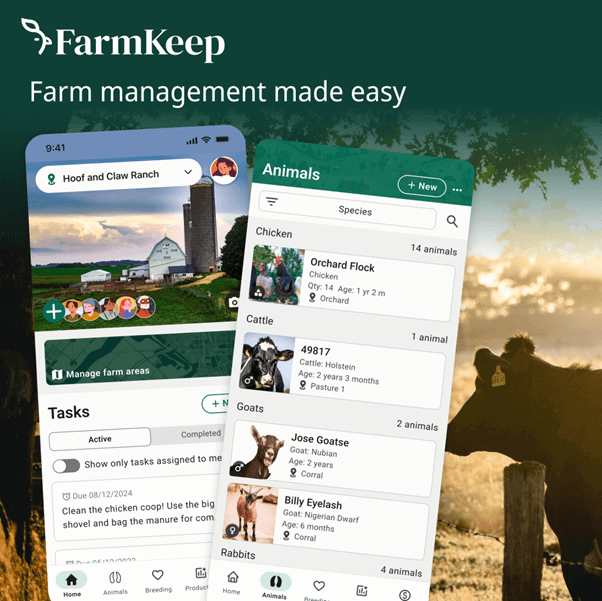
Running a poultry farm involves tracking many moving parts. FarmKeep is the best farm management app for poultry farmers that helps simplify it all by offering:
- Flock Health & Biosecurity Tracking: Monitor vaccinations, deworming schedules, mortality, and health observations to keep your birds productive and disease-free.
- Incubation & Breeding Records: Track egg setting dates, incubation temperature and humidity, hatch rates, and expected hatch days for better planning.
- Feed & Expense Management: Log feed usage, costs, and supplier details to control expenses and improve profit margins.
- Production Performance Insights: Analyze egg production, growth rates, feed conversion, and flock performance trends to make smarter decisions.
- Smart Alerts & Reminders: Stay on top of critical tasks like vaccinations, deworming, egg collection, incubation milestones, and restocking.
- All-in-One Farm Dashboard: Access flock data, health records, production stats, and expenses in one place.
Key Takeaways: What to Remember Before Starting Your Poultry Farm
- Poultry farming in the USA is a growing and profitable industry when managed well
- Startup costs and legal requirements vary by state and farm size
- Choosing the right poultry type (broilers, layers, or niche) is critical to success
- Feed management, disease prevention, and deworming impact profits directly
- Selling locally can be highly profitable for small and beginner farmers
- Technology and farm management apps can significantly improve efficiency
- Starting small, tracking everything, and scaling gradually reduces risk
- Smart planning and consistent management are key to long-term success
FAQs
What is the best poultry bird for beginners to start with?
Chickens are the best choice for beginners, especially dual-purpose breeds that produce both eggs and meat. They are easy to manage, widely available, and have a strong market demand across the USA.
How much land do I need for poultry farming?
You can start small. Backyard poultry can work on less than half an acre, while small commercial setups may need 1–2 acres, depending on flock size, housing type, and whether birds are free-range or confined.
What are the main problems associated with poultry farming?
Common challenges include disease outbreaks, fluctuating feed costs, strict regulations, predator threats, waste management, and competition from large producers.
Can poultry farming be done organically?
Yes, poultry farming can be done organically by following organic feed standards, free-range practices, limited antibiotic use, and proper certification guidelines. Organic poultry often sells at premium prices.
Is poultry farming profitable for beginners in the USA?
Yes, poultry farming can be profitable for beginners if they start small, manage costs carefully, prevent diseases, and sell locally. Proper planning and recordkeeping significantly improve success rates.
How many chickens should I start with?
Beginners typically start with 50–200 chickens. This size is manageable, affordable, and allows new farmers to learn without taking on too much risk.
Do I need a license to sell eggs or chicken meat?
Yes, licensing requirements vary by state. Selling eggs often requires basic permits and labeling, while selling chicken meat usually requires inspection and approved processing facilities. Always check state and local regulations.
How long does it take to make a profit from poultry farming?
Broiler farming can generate returns in 6–8 weeks, while egg-laying hens usually start producing income in 4–6 months. Profitability depends on feed costs, bird health, and market prices.