How to Make Money with a Small Farm
Small farms—whether half an acre or five—can become financially viable by diversifying products, tapping direct-to-consumer channels, and embracing niche markets. Compared to large-scale agriculture, small farms can offer unique, high-value goods like heritage-breed eggs, craft honey, or farm-to-table experiences, capturing premium prices and local loyalty.
Poultry & Eggs — More Than Just Table Eggs
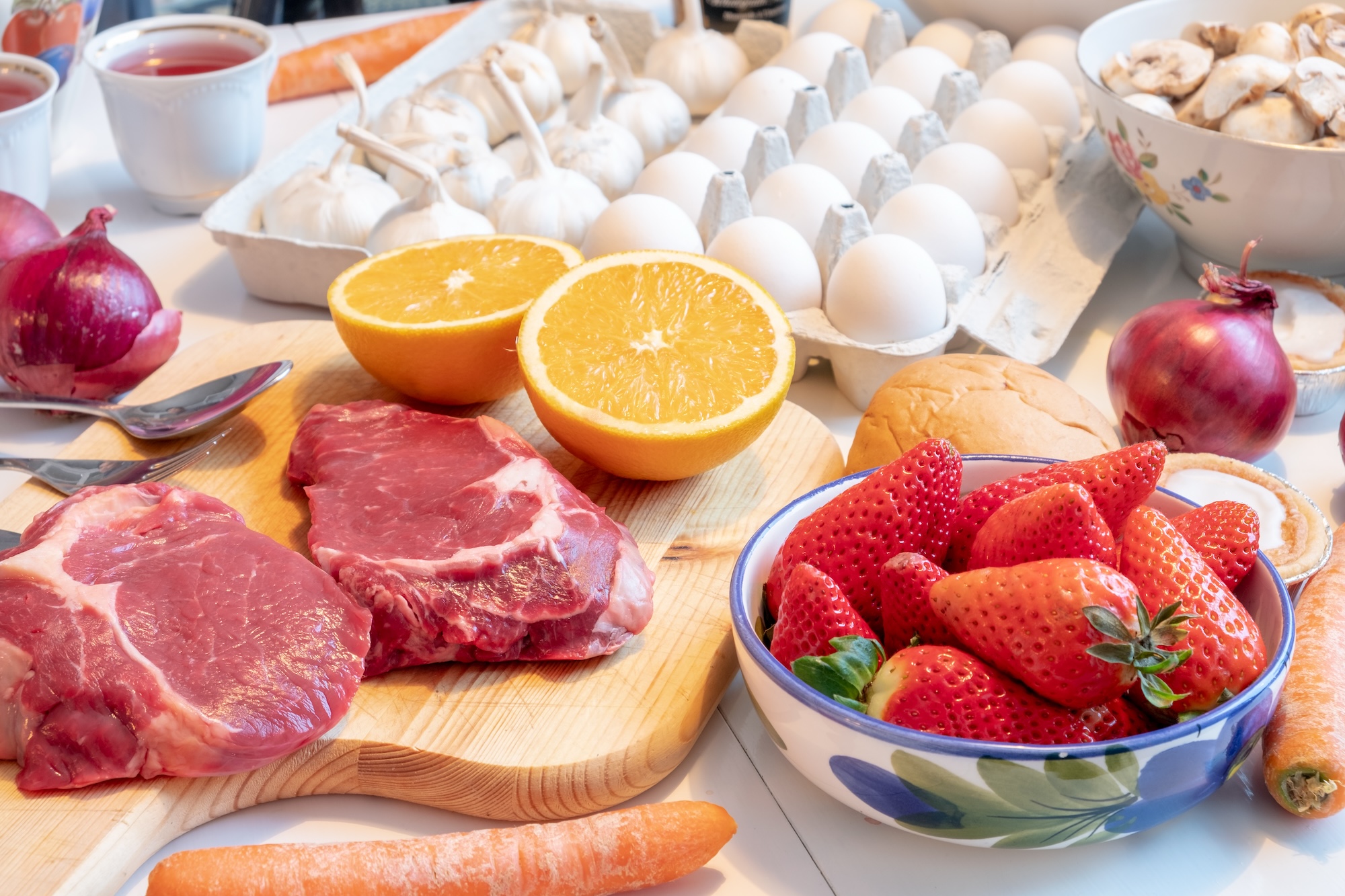
Raising chickens, ducks, geese, turkeys, and quail can be surprisingly profitable. While selling fresh eggs is a well-known pathway, focusing on fertile hatching eggs—especially from rare or heritage breeds—can significantly increase income. According to Homestead Hustle, Pleasant Valley Farm earns through Barred Rock, Ameraucana, Bourbon Red turkeys, Coturnix quail, and heritage ducks and peafowl.
Rare-breed hatching eggs often sell at premium prices. Silver Homestead reports making $100+/week in spring by selling colored hatching eggs from just 10 hens. Scale that across multiple breeds, and the income potential is clear.
Why hatching eggs can be more profitable:
- Higher per-unit price than table eggs
- Lower shipping costs and fewer waste issues
- Appeals to homesteaders and breeding hobbyists
- Builds a reputation-driven brand with repeat buyers
🐄 Selling Meat — Profitable, but Requires Regulation
Adding livestock like chickens, pigs, lambs, or rabbits for meat sales can bring another income stream—but it's essential to follow USDA meat inspection rules. While exemptions exist for on-farm slaughter and direct sales, USDA-approved meat facilities are required for broader distribution. Many regions also have state-level options for small-scale processors.
Start small, like a seasonal grass-fed goat lamb or pork program, then explore custom slaughterhouses or state-inspected facilities that allow broader meat sales without federal regulations.
Market Gardening & High-Value Crops
Small-scale vegetable production can be extraordinarily profitable. Jean-Martin Fortier’s Quebec farm pulled in approx. $140,000 in sales from just 1.5 acres using intensive, biointensive techniques, selling through markets and CSA. According to The Market Gardener, similar U.S.-based operations on 1–2 acres can gross $200K, with diversified sales through farmers markets, CSA, and restaurants.
Focus on high-dollar crops like baby greens, herbs, microgreens, garlic, and specialty vegetables. Starting with a fraction of an acre, growers can generate substantial revenue using direct-to-consumer models.
Dehydrated & Freeze-Dried Animal Treats
Value-added products like freeze-dried chicken hearts, dehydrated duck feet, or rabbit ears are excellent for supplemental income. These make:
- Healthy, high-protein pet treats
- Shelf-stable, easy-to-ship products
- Great use of leftover animal parts
Producers often package small-batch, locally made treats for farm stands or online sales—minimal processing required beyond basic freeze dryers or dehydrators and packaging.
Agritourism, Workshops & Farm Stands
Hosting farm tours, pick-your-own events, or workshops (e.g. cheese-making, basket weaving, beekeeping) brings in revenue while marketing your farm. Websites such as FarmStays can help you set one up easily.
Use CSA membership, farm stands, and farm market booths to sell produce, eggs, meat, and value-added goods directly. Be sure to comply with local regulations: farmers' markets and farm stands often require business or cottage food licenses, food-safety inspections, or insurance.
Teach What You Know
Your experience as a farmer or homesteader is valuable—and people are willing to pay for that knowledge. Many small farm owners earn extra income by creating digital content like eBooks, online courses, or paid workshops on topics such as how to start a backyard homestead, how to raise chickens for eggs, or how to preserve food without electricity.
Launching a YouTube channel, blog, or email newsletter not only helps you build a community but also opens up income opportunities through affiliate marketing, brand sponsorships, and ad revenue. You can monetize your content by recommending tools, gear, or books you actually use on the farm, helping others while also supporting your business.
Best of all, educational content scales—meaning you can sell the same course, guide, or membership many times without having to increase your workload, giving you a reliable stream of passive income over time.
How Do I Sell My Farm Produce Online?
Online platforms like Red Hen, Etsy, or your own Shopify or Square store make it easy to launch a digital storefront for your farm. Many homesteaders have found success selling freeze-dried produce, dried culinary and medicinal herbs, goat milk soap, natural skincare, handmade crafts, home-milled flours, and artisan jams to a broader audience.
Selling online allows you to tap into niche markets—such as heritage duck egg buyers or pet owners looking for organic rabbit treats—without being limited to just weekend markets. These platforms provide built-in traffic and tools for managing inventory, shipping, and payments, making them ideal for small-scale producers looking to scale up without heavy overhead.
If you’re tech-savvy or want more control over your brand, launching your own website gives you flexibility to build a stronger direct-to-consumer relationship. Use social media and email marketing to drive traffic to your online store and build a loyal customer base that values your farm's story and values.

More about Red Hen - Our Favorite Platform
Red Hen is a farm-first online marketplace that connects customers to local farms. It's easy to use and set up so you don't have to do the heavy lifting of building your own website. Red Hen lets you list your products alongside other farms—so customers can browse by location or product and discover your farm without needing to follow you first.
You can sell:
- 🥩 Pasture-raised meats
- 🥚 Chicken eggs (for eating or hatching)
- 🥬 Seasonal produce
- 🧈 Dairy products (for local pickup only)
- 🌻 Plants and cut flowers
- 🐝 Honey and handmade goods
- 🧼 Herbal products, soaps, and more
Fulfillment is flexible:
- Local Pickup – Customers pick up at your farm, home, or drop site
- Local Delivery – You choose the radius and schedule
- Shipping – For products like hatching eggs, shelf-stable goods, or anything approved to ship
📲 Visit redhenapp.com/farmer-sign-up to join or learn more.
Why Red Hen Works Better Than Social Media or Standalone E-Commerce
If you’ve used selling platforms: you create your own store, but still have to bring in every buyer. Red Hen brings buyers to you.
Customers browse by product (e.g. “raw milk” or “duck eggs”) and get results near them. You can add photos, set inventory, accept payments, and fulfill orders with fewer back-and-forth messages.
💸 Lower Costs to Boost Profit
Making money on a small farm isn't just about selling more—it's also about spending less. Managing your expenses efficiently can mean the difference between running a farm that just breaks even and one that turns a meaningful profit. Every dollar saved on feed, infrastructure, or equipment is a dollar that adds to your bottom line.
Another great way to cut costs is by embracing DIY or recycled infrastructure. Repurpose old pallets into raised beds, build greenhouses with salvaged windows, or convert livestock shelters from scrap materials. Many successful homesteaders have used Craigslist or Facebook Marketplace to find free or low-cost farm supplies like fencing, feeders, or tools.
Don’t underestimate the power of community, either. Bartering with neighbors for hay, repairs, animal trades, or manual labor is a time-honored tradition that still works today. You might swap a dozen duck eggs for a few bales of straw or exchange weekend help for firewood or welding services.
You may also qualify for local or USDA grants designed to support beginning farmers, sustainable practices, or underserved rural communities. These grants can cover everything from startup equipment to solar panels or soil conservation improvements. Research your state’s Department of Agriculture or check out the Farm Service Agency website to find programs that match your goals.
How FarmKeep Can Help Make Your Small Farm More Profitable
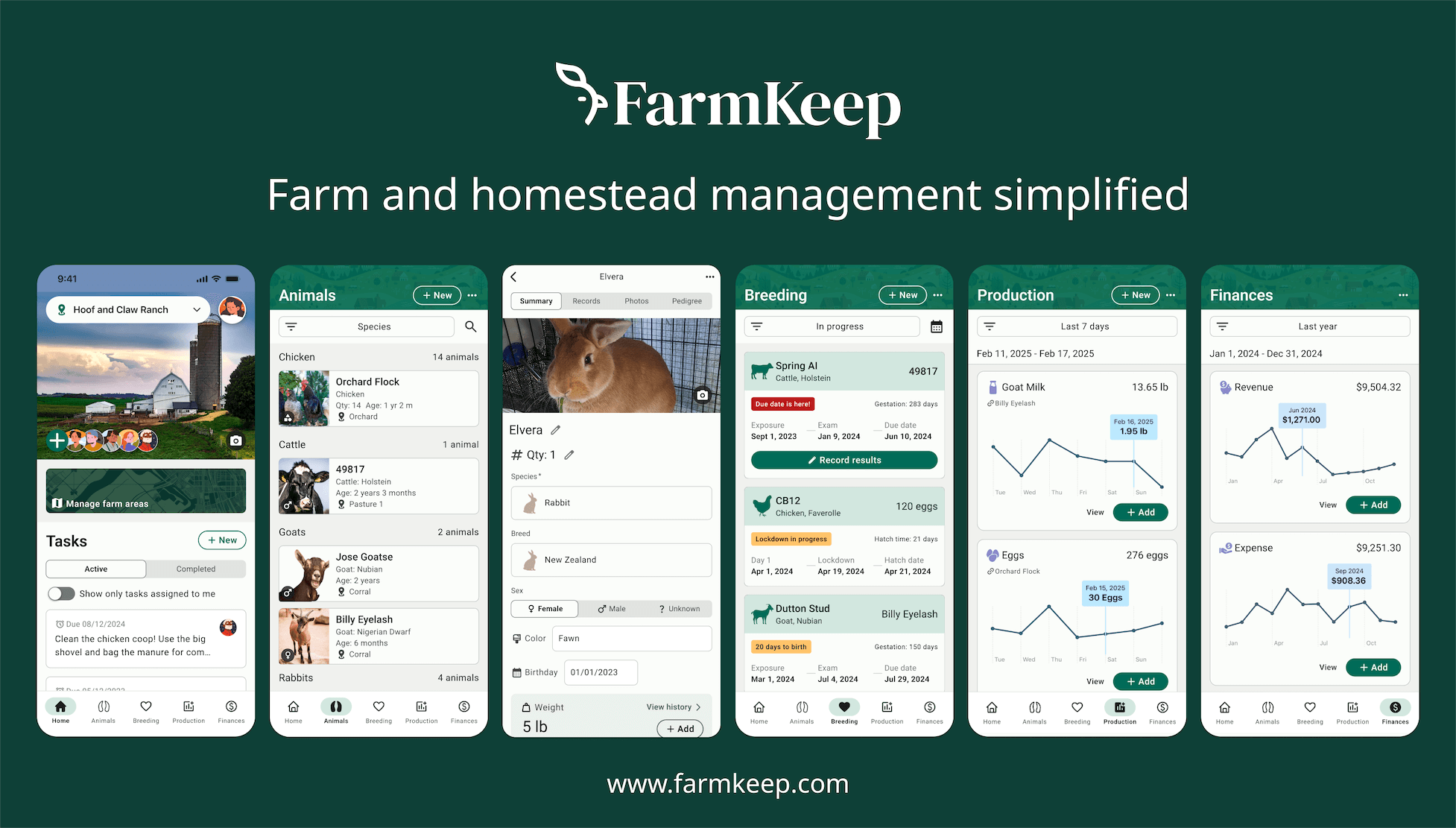
Running a small farm means juggling dozens of moving parts—livestock, crops, equipment, expenses, breeding records, and seasonal production. That’s where FarmKeep steps in. This intuitive farm management app was built by real farmers who couldn’t find a simple, affordable tool to track everything they needed. So they made one—with feedback from small farms and homesteaders like you.
With FarmKeep, you can:
- Track Income & Expenses
Know exactly where your money is going and which parts of your farm are most profitable. Whether it’s egg sales, hatching eggs, CSA memberships, or freeze-dried dog treats—track them all in one place. Visual dashboards help you spot trends and make smarter decisions about pricing and investments. - Manage Livestock & Breeding Records
Keep tabs on breeding dates, gestation, rate of gain, vaccination logs, and lineage with our easy-to-use animal records system. Selling rare breeds? FarmKeep makes pedigree tracking a breeze. - Track Production Over Time
Record how much milk, wool, honey, or eggs your farm produces each week, month, or season. See trends over time and calculate ROI on feed, infrastructure, and equipment. - Plan and Prioritize Tasks
Create to-do lists for yourself, your partner, or farm hands. Assign tasks, set reminders, and never forget to rotate pastures or refill a mineral feeder again. - Stay Compliant and Organized
Whether you need records for a grant application, USDA audit, or just to stay on top of your operation—FarmKeep keeps everything neatly logged and easily exportable. - Adapt As You Grow
New features are added regularly based on community feedback. As your farm expands or shifts direction, FarmKeep evolves with you.
By giving you real-time insights, cutting admin time, and helping you stay focused on what works, FarmKeep becomes an essential tool in turning your small farm into a sustainable and profitable business.
👉 Learn more or try FarmKeep for free
Key Steps to Build a Profitable Small-Farm Business
- Understand your market: Survey local markets, farm-stands, and consumer habits.
- Diversify income streams: Eggs, meat, crops, agritourism, and value-added packs.
- Follow regulations: Secure required licenses, inspect facilities, and ensure insurance.
- Track costs: Use tools like FarmKeep to monitor expenses, income, and production.
- Start small and scale strategically: Test with rare breed eggs or microgreens before expanding.
In Summary, for Homestead Profitability
- Bundle products: Combine fresh eggs, meat, produce, and treats into convenient share boxes.
- Build your brand: Educate consumers through farm tours, social media, or tastings.
- Plug regulations early: Know your state's cottage food laws, meat-inspection rules, and market certifications.
- Reuse & reinvest: Use farm profits to fund infrastructure—greenhouses, freeze dryers, incubators—for future growth.