Is It Possible to Start a Homestead with No Money?
Yes—starting a homestead with little to no money is absolutely possible, but it requires grit, creativity, and a willingness to start small. Many successful homesteaders began with no land, no animals, and no budget—but they traded, bartered, scavenged, and sweat their way into a sustainable lifestyle. This guide explores how they did it and how you can too.
Whether you're dreaming of going off-grid, growing your own food, or escaping the rat race, here are proven ways to build your homestead without breaking the bank.
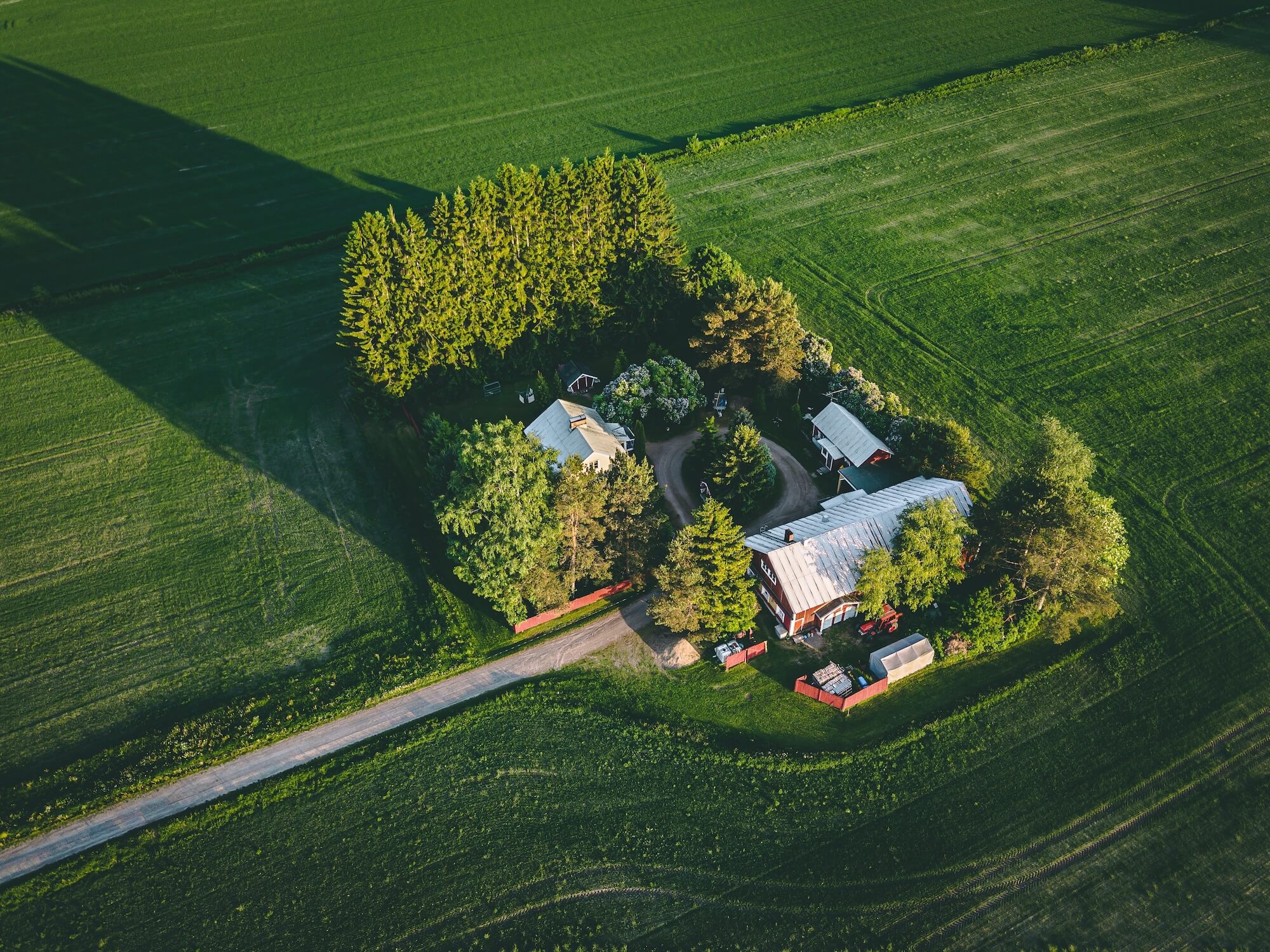
Step 1: Define What "Homesteading" Means To You
Before you panic about not owning 50 acres or a dairy cow, know this: homesteading starts as a mindset—not a location, income level, or animal count.
Even a backyard garden, a flock of chickens, or preserving your own food qualifies. Many urban homesteaders start with a balcony herb garden or by making their own soap. What matters is the shift toward self-sufficiency.
Start where you are, with what you have, then scale over time. Map out your goals for the next year, 5 years, 10 years, but focus on what you can do now vs later.
Step 2: Find Free or Low-Cost Land
1. Check for Free Land Programs
If you're serious about starting a homestead with no money, one of your biggest hurdles might be land. Fortunately, several small towns in the U.S.—particularly in the Midwest and Great Plains—have launched programs that offer free residential lots or low-cost acreage to attract new residents. These communities often want to revitalize their local economy, boost school enrollment, or simply grow their population.
Examples of Towns Offering Free or Low-Cost Land
- Mankato, Kansas
Program: Free building lots
Details: Mankato offers free lots near a golf course with electricity, water, and sewer ready.
🔗 Learn more
- Plainville, Kansas
Program: Free land for housing and business
Details: A rural community offering plots for both residential and commercial development.
🔗 Learn more
- Elwood, Nebraska
Program: Free lots for residential development
Details: Quiet town in south-central Nebraska close to outdoor recreation areas.
🔗 Learn more
- Beatrice, Nebraska
Program: Homestead Act 2.0
Details: Offers free lots if you agree to build a home within a certain timeframe.
🔗 Learn more
- Curtis, Nebraska
Program: Free residential lots
Details: A small community that supports agricultural education and rural living.
🔗 Learn more
- Camden, Maine (Honorable Mention)
Program: Not free land, but offers incentives for new businesses and remote workers including coworking spaces and grants.
🔗 Learn more
2. Lease or Barter for Land
Many aspiring homesteaders start by borrowing or leasing unused land in exchange for work.
Examples:
- Caretake an older person’s land in exchange for living there
- Offer to garden or maintain an overgrown lot for a neighbor
- Find a job as a farm hand or ranch hand on large acreage with housing options
These platforms connect travelers or aspiring homesteaders with hosts who provide housing, meals, and land access in return for help with farming, building, or other homestead chores.
3. Use Your Backyard (or Someone Else’s)
Even a suburban backyard can support raised beds, chickens, or rabbits. Ask around to use a neighbor’s or family member’s unused yard space. Join Facebook Groups of local like minded individuals and network. You can join a land share program like Grow Food Not Lawns, offer to caretake unused rural land in exchange for access
Step 3: Build Structures Using Salvaged Materials
Use platforms like Freecycle, Craigslist, or Buy Nothing groups to source lumber, pallets, or even mobile homes. Convert a shed, van, camper, or shipping container into a tiny home. Learn basic carpentry to build a cob house, earthbag hut, or off-grid shack.
You don’t need fancy buildings to homestead—sheds, hoop houses, and repurposed shelters can work. Get creative:
Free or Cheap Building Sources:
- Facebook Marketplace: look for free pallets, sheds, tin roofing, old fencing
- Craigslist Free section
- Habitat for Humanity ReStores
- Tear-down sites (ask contractors if you can salvage materials)
Examples:
- One couple built a chicken coop entirely out of Craigslist pallets and leftover hardware.
- A solo homesteader in Texas converted an old school bus into a cabin using salvaged wood and insulation.
Step 4: Start with Easy, Low-Maintenance Livestock
When money is tight, start small and slow. Quails, Chickens, rabbits, or ducks are great beginner animals. Use a tool like FarmKeep to help you manage and keep track of feed costs and other expenses needed to maintain your animals, their production, breeding activities, health records and more.
Cotournix Quails
- Produce eggs and meat
- Require minimal space, even a rabbit cage can house a covey.
Chickens
- Produce eggs and meat
- Eat food scraps
Rabbits
- Reproduce quickly
- Quiet and easy to butcher
- Can live in small pens
Ways to Get Animals Cheap or Free:
- Ask local farms for culls or extra roosters
- Join homesteading Facebook groups
- Offer to trade items or labor for chicks or rabbit kits
- Check your local 4-H club or extension office
Step 5: Grow Your Own Food Without a Budget
No land? No problem. Start with containers, buckets, or grow bags made from old feed sacks or fabric. Start with easy food: potatoes, radishes, beans, squash, herbs. Trade services or eggs for other food with local farmers.
No-Money Gardening Tactics:
- Use kitchen scraps to regrow onions, lettuce, garlic, etc.
- Build raised beds from salvaged pallets
- Get seeds through local seed swaps or FreeHeirloomSeeds.org
- Compost with food scraps, leaves, and grass clippings
Water — Rain Catchment and Purification
Install rain barrels or DIY a rain catchment system with repurposed totes or drums. Use slow sand filters or ceramic filters to purify water. Learn to identify safe water sources like springs or cisterns.
Bonus: Forage!
Learn wild edible plants in your area: dandelion, purslane, nettles, plantain, wild garlic. Free food with zero effort. Just make sure you can properly ID anything you forage.
Step 6: Learn DIY Skills That Replace Spending
Homesteading isn’t just about what you have—it’s about what you know. Every skill you learn is money saved.
High-Impact Skills to Learn:
- Food preservation (canning, dehydrating, fermenting)
- Basic carpentry and plumbing
- Seed saving
- Herbal medicine and salves
- Knitting, crocheting, or sewing
- Soap making from animal fat
- Tanning and preserving animal hide
YouTube, local libraries, and free online courses (like from Permies.com) are gold mines of homestead education.
Step 7: Barter, Trade, and Build a Community
Money isn’t the only currency. Build relationships with other homesteaders, farmers, and neighbors. Barter eggs for milk, labor for tools, or homemade goods for services.
Community Ideas:
- Start a tool-share co-op
- Join a time bank or skills exchange
- Attend local farmers markets and introduce yourself
- Use Buy Nothing groups to find useful gear
Inspiring Example:
In Appalachia, a family traded goat milk soap and sourdough for garden help, chicken feed, and firewood for an entire winter.
Bonus Tips: Off-Grid on a Budget
Want to go off-grid but think it’s too expensive? Here’s how people make it work:
- Solar setups from used panels on eBay
- Rain catchment systems from food-grade barrels
- Rocket stoves or wood cookstoves made from bricks and drums
- Use composting toilets or build a humanure system
Final Thoughts: Start Where You Are, Not Where You Wish You Were
You don’t need land, money, or a milk cow to begin homesteading. You just need creativity, resourcefulness, and the willingness to build one brick at a time.
Many great homesteaders started with nothing—living in tents, hauling water, growing a single tomato plant—and now live rich, sustainable lives.
Start small, stay scrappy, and grow with each season. Your homestead dream is more possible than you think.