Understanding Livestock Predators and How to Protect Your Animals
Predator attacks can devastate a farm overnight—chickens vanishing, goats mauled, or calves injured. Whether you’re raising poultry, cattle, sheep, goats, or alpacas, it’s essential to understand what predators threaten your animals, how to prevent attacks, and what’s legal when it comes to protecting your stock.
Let’s break down the most common predator threats to livestock in North America, prevention strategies for each species, and humane (and legal) solutions for keeping your animals safe.
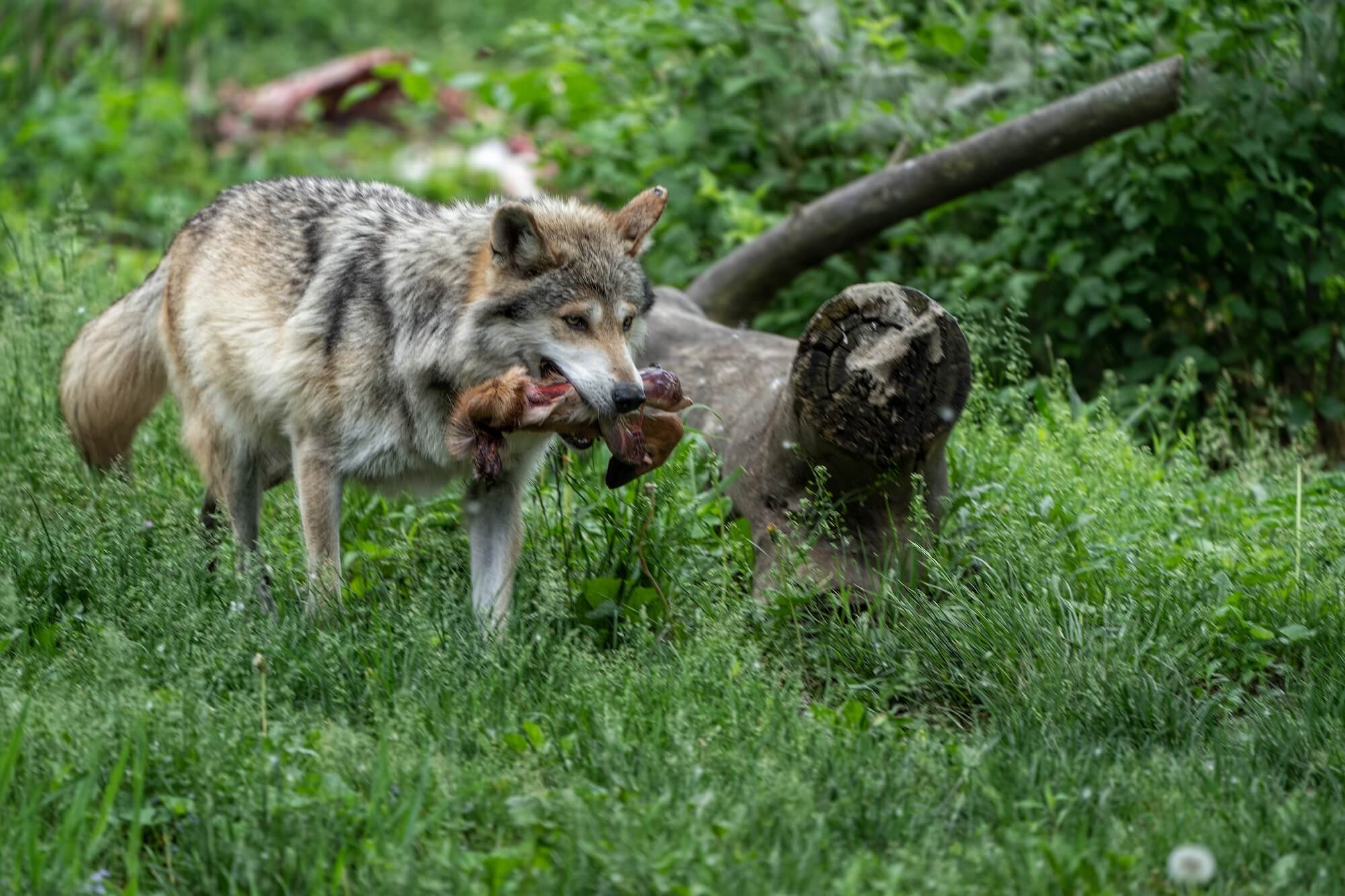
Most Common Livestock Predators in North America
Different regions have different predator profiles, but here are the most common predators across the U.S. and Canada:
Species-Specific Livestock Protection Strategies
🐓 Chickens
Common predators: Raccoons, hawks, foxes, weasels, snakes, dogs
Prevention:
- Use hardware cloth (¼" mesh) instead of chicken wire, which raccoons and foxes can tear through.
- Bury fencing 12–18 inches underground or install a fencing apron to block diggers like foxes or weasels.
- Secure coops with latches raccoons can’t open—double locks work best.
- Use motion-activated lights or predator-deterring devices like flashing solar eyes or sprinklers.
- Install roof covers over outdoor runs to prevent hawk and owl attacks.
🔗 More from Backyard Chickens
.🦆 Ducks and Geese
Common predators: Foxes, raccoons, coyotes, snapping turtles, dogs
Predator Prevention for Ducks and Geese:
- Provide sturdy night shelters that are fully enclosed. Ducks are especially vulnerable at night.
- Surround duck yards with low electric fencing or tall welded-wire fencing with a roof net.
- Use guard animals—some geese can be protective, but are not predator-proof alone.
- Avoid nesting or brooding areas near water if snapping turtles are present.
🪶 Pheasants and Quail
Common predators: Snakes, raccoons, hawks, owls, weasels, rats
Predator Prevention for Game Birds:
- Use flight pens with overhead netting or wire tops to prevent aerial predators.
- Bury wire mesh around the perimeter to stop ground-based intruders.
- Keep birds in covered enclosures at night.
- Collect eggs daily to avoid attracting snakes and rodents.
🐇 Rabbits
Common predators: Hawks, owls, foxes, dogs, raccoons, snakes
Predator Prevention for Rabbits:
- Use secure hutches raised off the ground with tight wire mesh bottoms.
- Cover runs with wire or netting to protect from hawks and owls.
- Lock rabbits in solid shelters at night and use burrow-proof wire flooring.
- Avoid placing hutches near wooded areas or brush piles where predators hide.
🐐 Goats & Sheep
Common predators: Coyotes, bobcats, mountain lions, wolves
Prevention:
- Use electrified perimeter fencing (5–7 strand high-tensile or electric netting).
- House livestock in predator-proof barns or shelters at night.
- Use livestock guardian animals (LGDs) such as Great Pyrenees, Maremmas, or Anatolian Shepherds.
- Consider rotational grazing and avoid leaving stock alone in back pastures during lambing/kidding seasons.
🔗 Livestock Guardian Dog Info
🐄 Cattle (Especially Calves)
Common predators: Coyotes, wolves, mountain lions, bears
Prevention:
- Calve near homestead areas instead of remote pastures when possible.
- Use range riders or security cameras in large operations, especially in predator zones.
- Install solar-powered predator deterrents and flashing lights.
- LGDs and donkeys are effective deterrents on pasture against coyotes.
🔗 USDA Livestock Protection Resources
🐖 Pigs & Piglets
Common predators: Coyotes, feral hogs, bobcats, bears
Prevention:
- Ensure solid fencing—avoid gaps and use resilient materials like hog/cattle panels, welded wire, or sturdy wood fencing to contain and protect animals.
- Secure the base: add fencing aprons or trenches underneath to prevent digging predators from entering, as recommended by outdoor pig housing experts.
- Keep piglets safe in robust farrowing pens with reinforced sides and secure roofs.
- Enhance perimeter protection with electric fencing to deter larger predators and stop them from digging under.
🔗 Housing Outdoor Pigs
🐴 Horses & Donkeys
Common predators: Mountain lions, wolves (foals or mini breeds), coyotes
Protection for Equines:
- Foals and minis should be fenced close to shelters or buildings.
- Donkeys can defend themselves well but young or small animals are at risk.
- Use motion lights and electric fencing if in predator-dense areas.
- Keep feed secure to avoid attracting scavengers or feral dogs.
🦙 Llamas & Alpacas
Common predators: Coyotes, dogs, mountain lions
Livestock Protection for Camelids:
- Use fencing at least 5 feet high with electric wire along the top.
- Avoid housing with aggressive guardian dogs that may view them as prey.
- Llamas can sometimes serve as guard animals for sheep or goats, but are not immune to packs.
- Keep herds closer to home during breeding or birthing.
🦤 Emus & Ostriches
Common predators (chicks): Foxes, bobcats, raccoons, large birds of prey
Protecting Ratites:
- Fence with heavy-duty 6-ft fencing or panels to contain and protect adults.
- Secure chick enclosures at night; ratite chicks are extremely vulnerable.
- Keep predators out using electric fencing or guardian animals in shared pastures.
🐝 Beehives
Common predators: Bears, skunks, raccoons
Prevention:
- Install electric fencing around apiaries
- Elevate hives 2–3 feet off the ground
- Use strong hive boxes and avoid leaving honey scraps around
🔗 Bear-Resistant Apiary Guidelines
Legal Considerations for Predator Control
What You Can Legally Do as a Farmer
- Non-lethal methods are legal everywhere: fencing, lights, noise, guardian animals
- Lethal control (e.g., shooting or trapping) varies by state and species
- Coyotes: Often considered nuisance animals and can be shot year-round in many states
- Wolves and bears: Federally protected under the Endangered Species Act in many regions—do not harm or harass without authorization
- Trapping laws vary: many states require permits, trap checks every 24 hours, or licensed trappers
🔗 State-by-state hunting and trapping laws
🔗 USDA Wildlife Services
Tools for Predator Prevention on Your Farm
Take a Proactive, Layered Approach
Predator control is a combination of smart infrastructure, regular monitoring, and knowing your local threats. No single solution works forever, but by using layers of protection—guardian animals, fencing, shelter, and legal tools—you greatly reduce the risk to your livestock.
Always consult local wildlife or agricultural extension offices for predator-specific guidance.
Need Help Managing Your Livestock Data?
With FarmKeep, you can track animal health, losses, weight gain, and even predator incidents—all in one place. Stay ahead of the next threat with better record keeping.