Duck Egg Incubation Guide for Beginners
Incubating duck eggs is not as simple as incubating chicken eggs. Duck eggs have thicker shells, higher moisture requirements, and longer incubation periods, which means the process demands closer control of temperature, humidity, and timing. especially across different duck breeds.
This guide is designed for small farmers and beginners looking for successful hatchings. You’ll learn the duck egg incubation timeline, ideal temperature and humidity settings, candling methods, what to expect during hatching, and how incubation periods vary by breed, so you can hatch healthy ducklings with confidence.
Incubating Duck Eggs: Natural vs Artificial Incubation
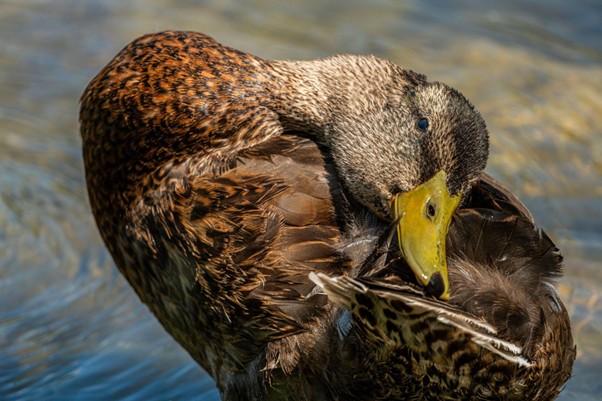
Duck eggs can be hatched in two ways, and each method comes with its own advantages and challenges.
Incubating Duck Eggs Naturally (Under a Broody Duck)
- The natural incubation involves a broody duck sitting on her own eggs and hatching them. The process offers natural warmth and turning.
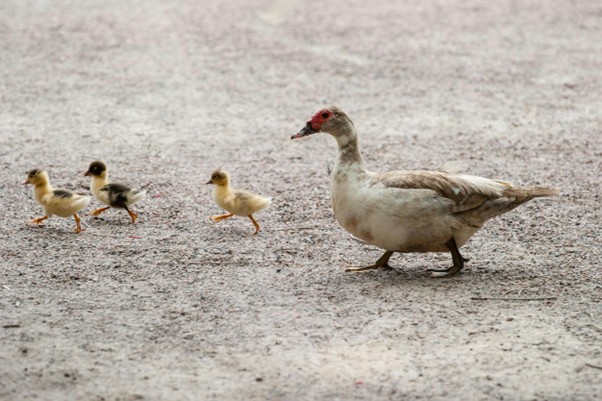
- Some duck breeds, like Muscovy, are excellent at setting and can hatch 12–15 eggs on their own.
- Muscovy duck eggs have a much longer natural incubation period of about 35 days, compared to 28 days for most domestic duck breeds, which makes consistent sitting especially important when relying on natural incubation.
- The nest should be in a clean, dry shelter with food and water available for the broody and ducklings once they hatch.
- Natural incubation depends on the hen’s commitment and may not be suitable if you need consistent hatch rates.
Incubating Duck Eggs Using an Incubator
- Artificial incubation uses a machine to control temperature, humidity, and turning throughout the incubation period.
- Set incubators to the proper conditions before placing eggs inside, and ensure trays can accommodate the larger size of duck eggs.
- Forced-air incubators that automatically turn eggs and regulate conditions are preferred for reliable results, especially with larger clutches.
- This method offers predictability and higher potential hatch rates when managed well.
Ostrich Egg Incubation Process and Tips for Healthy Hatchings
Duck Egg Incubator Basics: Choosing the Right Setup
Successful duck egg incubation starts with the right incubator and correct environmental control. Duck eggs are larger, have thicker shells, and require higher humidity than chicken eggs, so not every incubator is suitable.
Duck Egg Incubator Types
Duck egg incubators vary by airflow (forced-air vs. still-air). Airflow is critical for duck egg incubation; it helps supply essential oxygen, removes carbon dioxide, regulates temperature, and controls humidity, with proper ventilation preventing suffocation.
Forced-Air Incubators
- Use an internal fan to circulate heat evenly
- Best choice for duck eggs due to stable temperature and humidity control
- Suitable for larger batches and beginners
Still-Air Incubators
- No internal fan; heat rises naturally
- Require closer monitoring and precise thermometer placement
- Better suited for experienced users and small batches
Duck Egg Incubator Setup Checklist
- Pre-run the incubator for 24 hours before adding eggs
- Verify temperature accuracy with a calibrated thermometer
- Ensure humidity trays or reservoirs are working properly
- Confirm egg trays fit duck egg size securely
- Enable automatic turning or plan manual turning
- Place the incubator in a draft-free, stable-temperature room
How to Choose the Right Duck Egg Incubator
- Choose a forced-air model for consistent results
- Look for adjustable humidity control, not fixed settings
- Automatic egg turning saves time and reduces handling errors
- Select a capacity slightly larger than your current needs
- Reliable power supply or backup is strongly recommended
Duck Egg Incubation Temperature and Humidity
Maintaining steady temperature and correct humidity is critical throughout the incubation period. Even short fluctuations can reduce hatch rates.
Duck Eggs Incubator Temperature
- Ideal temperature: 99.5°F (37.5°C) in a forced-air incubator
- Acceptable range: 99–100°F (37–38°C)
- Avoid temperature spikes above 101°F, which can harm embryos
Duck Egg Incubation Humidity
- Days 1–25: Maintain 55–60% humidity
- Lockdown (last 2–3 days): Increase to 70–75% humidity
- Proper humidity prevents dehydration and helps ducklings hatch cleanly
Duck Egg Incubation Temperature and Humidity Chart
Days 1–25
- Temperature: 99.5°F (37.5°C)
- Humidity: 55–60%
- Eggs turned regularly
Days 26–28 (Lockdown)
- Temperature: 99–99.5°F
- Humidity: 70–75%
- Stop turning eggs
Duck Egg Incubation Process
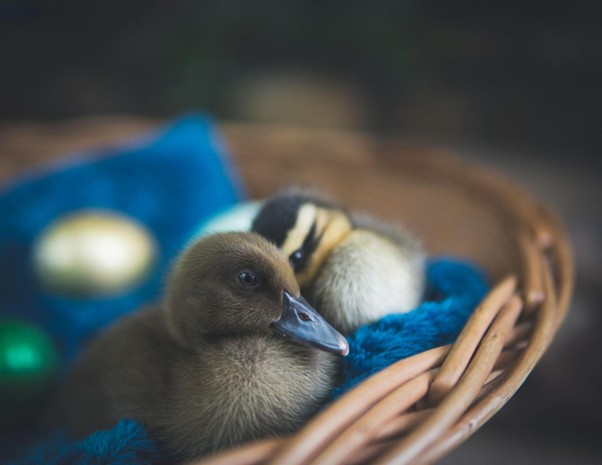
Days 1–7: Early Development
- Embryo formation begins and blood vessels start developing
- Maintain stable temperature and humidity
- Turn eggs regularly to prevent the embryo from sticking to the shell
Days 8–14: Growth Stage
- Rapid embryo growth with visible veins during candling
- Continue consistent turning and humidity control
- Remove any infertile or non-developing eggs after candling
Days 15–25: Pre-Hatch Phase
- Ducklings grow rapidly and begin positioning for hatch
- Shell thinning occurs as calcium is absorbed
- Stop turning eggs at the end of this stage
Days 26–28: Lockdown & Hatch
- Increase humidity and stop egg turning
- Ducklings internally pip and prepare to hatch
- Avoid opening the incubator during this period
Duck Egg Candling Chart: How to Check Fertility & Growth
Candling helps confirm fertility and monitor embryo development without opening the egg.
When to Candle Duck Eggs
- Day 7: Check for fertility and early vein development
- Day 14: Confirm active growth and remove clears
- Day 21: Final development check
Duck Egg Candling Chart
- Day 7: Spider-like veins and a dark embryo spot
- Day 14: Larger dark mass with strong blood vessels
- Day 21: Egg mostly dark with limited visible air cell
How to Incubate Duck Eggs at Home
The incubation period for most duck eggs is 28 days, though some breeds like Muscovy ducks require a longer period of about 35 days.
- Use a forced-air incubator set to 99.5°F (37.5°C)
- Maintain 55–60% humidity until lockdown
- Turn eggs 3–5 times daily until Day 25
- Raise humidity to 70–75% during lockdown
- Place incubator in a draft-free, stable environment
Hatching Duck Eggs: What to Expect on Hatch Day
Hatching can take 24–48 hours, so patience is essential.
Duckling Egg Hatching Signs
- Internal pipping (duckling breaks into the air cell)
- External pip (small hole appears in the shell)
- Zipping (crack slowly extends around the shell)
Hatching Duck Eggs Safely
Do’s
- Keep humidity high during hatch
- Allow ducklings to hatch on their own
- Leave ducklings in the incubator until dry
Don’ts
- Open the incubator frequently
- Help a duckling hatch unless absolutely necessary
- Remove ducklings before they are fully fluffed
Famous Duck Breeds & Their Egg Hatching Conditions
Different duck breeds share similar incubation requirements, but incubation length and moisture needs can vary, especially with Muscovy ducks. Use the table below as a quick reference.
Region-Wise Duck Egg Incubation Adjustments (USA-Specific)
Environmental conditions can affect incubator performance. Minor adjustments may be needed based on your region.
- Dry Regions (Southwest, Plains)
- Add extra water trays to maintain humidity
- Monitor egg weight loss closely
- Humid Regions (Southeast, Gulf Coast)
- Avoid excess humidity early in incubation
- Increase ventilation if condensation forms
- Cold Regions (Northern States)
- Keep incubator in a temperature-stable room
- Allow extra warm-up time before adding eggs
- Variable Climates (Midwest)
- Check temperature and humidity daily
- Use a backup thermometer for accuracy
Common Duck Egg Incubation Problems
Here are some duck egg incubation problems that you can avoid for a successful incubation:
- Low Hatch Rates: Often seen when incubation conditions are inconsistent or eggs are infertile.
- Late Embryo Loss: Fully developed ducklings may fail to hatch if final-stage conditions are not optimal.
- Sticky or Shrink-Wrapped Ducklings: Ducklings can struggle to hatch when moisture levels drop too low near lockdown.
- Delayed Hatching: Hatching may occur later than expected if average temperatures run slightly low.
- Weak or Unhealthy Ducklings: Poor chick quality at hatch is usually linked to breeder health or incubation stress.
How FarmKeep Simplifies Duck Egg Incubation Management
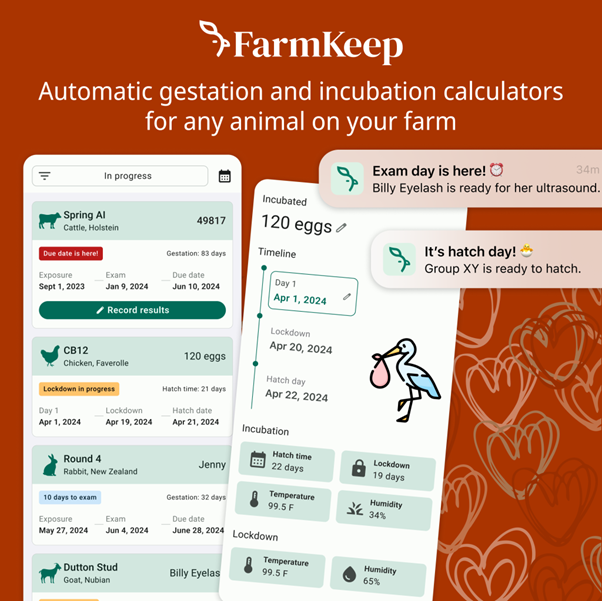
FarmKeep takes the guesswork out of duck egg incubation by keeping every detail organized and easy to track. From the moment eggs are set, you can manage incubation batches with clarity and consistency.
Track Duck Egg Incubation Like a Pro
- Incubation Schedules & Reminders: Stay on track with timely alerts for turning, candling, and lockdown
- Temperature & Humidity Logging: Record daily conditions to maintain stable incubation environments
- Hatch Records by Duck Breed: Compare hatch rates across breeds to refine future incubation settings
FAQs
How do I incubate duck eggs?
Incubate duck eggs at 99.5°F (37.5°C) with 55–60% humidity, turn them daily, candle periodically, and increase humidity during the final days before hatch.
How long does a duck take to hatch eggs?
Most duck eggs hatch in 28 days, while Muscovy duck eggs take about 35 days.
How to hatch a duck egg without an incubator?
Duck eggs can hatch naturally under a broody duck or hen, provided the nest is clean, protected, and undisturbed.
What temperature to incubate duck eggs?
You must maintain a steady temperature of 99–100°F (37–38°C) in a forced-air incubator.
How many days do duck eggs incubate?
The incubation period is 28 days for most duck breeds and 35 days for Muscovies.
How to incubate call duck eggs?
Call duck eggs are incubated the same way as other domestic ducks: 99.5°F, 55–60% humidity, with regular turning and higher humidity at lockdown.
Can I incubate chicken and duck eggs together?
No, it’s not recommended, as duck eggs need higher humidity and have a longer incubation period than chicken eggs.
What humidity is best for duck egg incubation?
You must maintain 55–60% humidity during incubation and increase it to 70–75% during the final 2–3 days before hatching.