Emu Egg Incubation & Hatching Process Guide

Emu egg incubation is a specialized process that requires patience, precision, and a clear understanding of the bird’s unique biology. Emu eggs have a long incubation period of around 48 to 56 days, making consistency in temperature, humidity, ventilation, and turning especially important.
In the United States, emu eggs are in growing demand due to rising interest in emu farming for meat, oil, breeding stock, and agritourism. With high egg value and limited laying seasons, every egg counts. Understanding the emu egg incubation process is essential for farmers who want reliable hatches, healthy chicks, and profitable outcomes.
Understanding Emu Egg Incubation
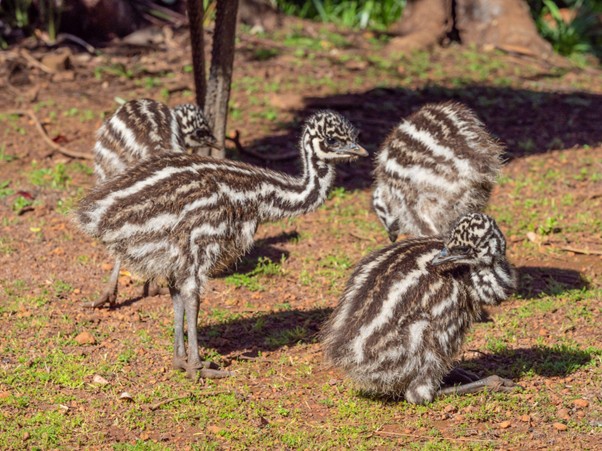
Emu egg incubation is a long and carefully controlled process that requires stable conditions over an extended period. Unlike smaller poultry, emu embryos develop slowly and are highly sensitive to temperature, humidity, and ventilation changes.
Successful incubation depends on consistent monitoring, proper egg handling, and regular turning to support even embryonic development and reduce the risk of embryo loss. Since each emu egg represents significant value, attention to detail throughout incubation is essential for reliable hatch success.
What Makes Emu Eggs Unique
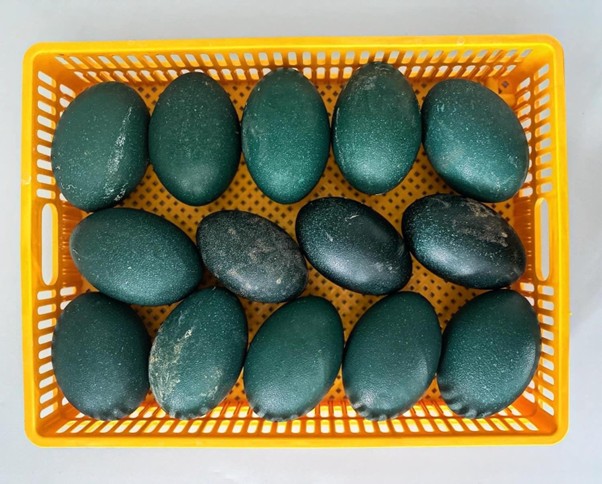
Emu eggs are much larger and thicker than most poultry eggs, with a hard, dark green shell that affects heat and moisture transfer. Their size means they require lower humidity levels compared to other species to prevent excess moisture retention.
Emu embryos also have higher oxygen requirements as development progresses, making good airflow critical. These unique characteristics make emu eggs less forgiving of errors and require more precise incubation management.
Emu Egg Incubation Period Explained
The emu egg incubation period typically lasts 48 to 56 days, depending on genetics and incubation conditions. Early development focuses on organ formation, followed by steady growth and bone development through the middle stages.
In the final phase, the chick positions itself for hatching and absorbs the yolk sac. Because of the long incubation time, maintaining consistent conditions throughout the entire period is key to producing strong, healthy emu chicks.
Natural vs. Artificial Incubation
In natural incubation, the male emu sits on the eggs for the entire incubation period, regulating temperature, turning the eggs, and allowing natural cooling cycles. While this method closely follows nature, hatch success depends heavily on the male’s health, behavior, and environmental conditions, which can be unpredictable.
Artificial incubation gives farmers greater control over temperature, humidity, turning, and ventilation, allowing for more consistent results and higher hatch rates. This method is preferred for commercial and small-scale emu farming, where protecting the value of each egg is critical.
Ostrich Egg Incubation Process and Tips for Healthy Hatchings
Emu Egg Incubation Temperature and Humidity
Emu eggs require slightly lower temperatures than most poultry due to their large size and thick shells. Maintaining stable conditions and good airflow is essential, as fluctuations can quickly impact embryo development and hatching success.
- The ideal incubation temperature is typically 97–99°F (36–37°C).
- Humidity is kept relatively low, usually around 25 to 35 percent, to allow proper moisture loss throughout the long incubation period.
How to Incubate Emu Eggs
Step 1 – Selecting and Preparing Emu Eggs
- Choose clean, undamaged eggs with a uniform shape.
- Avoid very large or misshapen eggs, as they may have poor hatch rates.
- Store eggs in a cool, stable environment before incubation to preserve fertility.
Step 2 – Setting Up the Incubator
- Ensure the incubator is clean and pre-warmed.
- Place eggs on a flat or slightly angled tray to allow proper air circulation.
- Check that ventilation holes are open for adequate oxygen exchange.
Step 3 – Emu Egg Incubation Temperature
- Maintain a steady temperature between 97 and 99°F (36 and 37°C).
- Small temperature fluctuations can slow embryo growth or reduce hatch rates.
- Adjust temperature based on egg size and incubator type if necessary.
Step 4 – Emu Egg Incubation Humidity
- Keep the relative humidity around 25–30% for the first 30 days.
- Increase humidity to 70–75% during the last 7–10 days before hatching.
- Proper humidity prevents excessive moisture loss or accumulation inside the shell.
Step 5 – Candling and Monitoring Growth
- Candling is the process of shining light through the egg to observe embryo development.
- Start candling around day 14 to check for signs of growth and fertility.
- Record observations and remove any non-viable eggs to prevent contamination.
Emu Egg Hatching Conditions by Popular Breeds
Common Emu Egg Incubation Problems
- Eggs failing to hatch due to incorrect temperature or humidity
- The embryo sticking to the shell due to insufficient turning
- Excessive moisture loss causing dehydrated embryos
- Poor ventilation leading to low oxygen and weak goslings
- Cracks or shell damage during handling
- Late-stage embryo death from sudden environmental changes
Streamline Your Hatching Records with FarmKeep
.png)
FarmKeep makes emu egg incubation easier by keeping everything organized in one place.
- Log incubation start dates and expected hatch dates
- Record daily temperature and humidity readings
- Track candling results and embryo development milestones by day
- Note hatch outcomes by breed
FAQs
How long is the emu egg incubation period?
Emu eggs typically incubate for 48–52 days, depending on breed and environmental conditions.
What is the ideal emu egg incubation temperature?
The ideal emu egg incubation temperature is between 97 and 99°F (36 and 37°C).
What humidity is best for incubating emu eggs?
Keep relative humidity around 25–30% for the first 40 days, then increase to 70–75% during the last 7–10 days before hatching.
How often should emu eggs be turned?
Turn the emu eggs at least 2–3 times per day during the first 40 days to ensure even embryo development.
Can I incubate emu eggs without an automatic incubator?
Yes, but you must manually maintain consistent temperature, humidity, and turning, which requires close monitoring.
Why did my emu eggs not hatch?
Common causes include improper temperature or humidity, poor ventilation, cracked eggs, late-stage embryo death, or infertile eggs.
How do I know if my emu eggs are fertile?
Candling after about 14 days can reveal veins and embryo movement, confirming fertility.
What does a bad emu egg smell/look like?
Infertile or spoiled eggs may have a foul odor, discolored or powdery shells, or visible mold.
How much does it cost to incubate emu eggs?
Costs vary based on incubator type, electricity, and egg quantity, but budget for equipment, energy, and monitoring tools.