Incubating Chicken Eggs: Complete Step-by-Step Guide for Successful Hatching
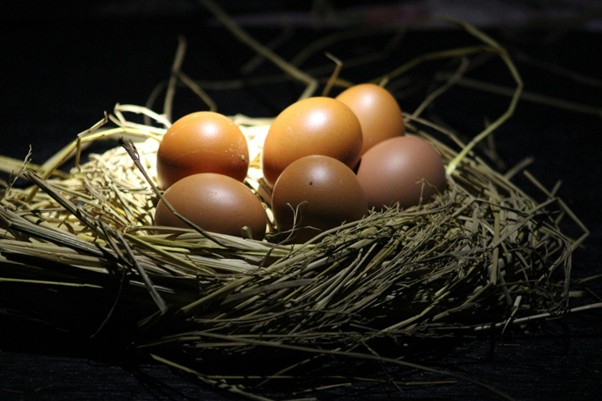
Incubating chicken eggs is a well-established process, but success depends on understanding and managing a few critical factors. Chicken eggs have an average incubation period of 21 days, during which stable conditions are essential for healthy embryo development. Even small changes in temperature, humidity, or handling can affect hatch rates and chick quality.
Maintaining the correct incubation temperature, managing humidity levels, and turning eggs regularly are the foundations of a successful hatch. When these basics are done right, embryos develop evenly, chicks hatch on time, and losses are minimized. Learning and applying proper incubation practices not only improves hatch success but also supports better productivity and stronger flocks in the long run.
Incubation and Hatching of Chicken Eggs: How the Process Works
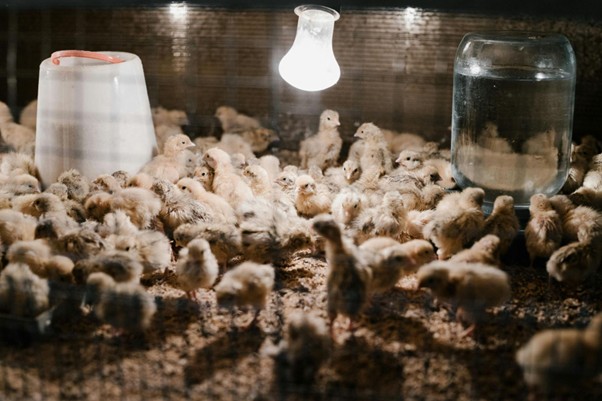
While incubation and hatching of chicken eggs may seem daunting, it is a fairly easy process to follow. Here’s how poultry farmers can start their journey.
Select Fertilized Eggs
- Start with fertilized eggs, as only these can develop into chicks.
- Unfertilized eggs lack an embryo and will never hatch.
- Proper egg selection is the first step toward good hatchability.
Incubation and the Importance of Maintaining Temperature
- Incubation begins once eggs are kept at a steady temperature of around 37.5–38°C (99.5–100°F).
- Early embryos are extremely sensitive, so even small temperature fluctuations can disrupt development.
Embryo Development Inside the Egg
- As incubation continues, the embryo grows rapidly, forming organs, bones, and feathers.
- Stable heat supports normal growth, while poor temperature control can lead to weak or non-viable chicks.
Manage Humidity Levels
- Correct humidity prevents excessive moisture loss through the shell.
- Too little humidity dries the egg; too much limits proper air cell development.
- Humidity should be increased slightly toward the end of incubation to support hatching.
Turn Eggs During Incubation
- Eggs must be turned several times a day to prevent the embryo from sticking to the shell membranes.
- Turning also helps position the chick correctly for hatching.
- Broody hens do this naturally; incubators must replicate the process.
Final Days Before Hatching
- Around day 18–19, egg turning is stopped.
- Temperature and humidity should be adjusted to prepare the chick for pipping and emergence.
- At this stage, the chick will absorb the remaining yolk and position itself to break the shell.
Natural vs Artificial Incubation
- Broody hens manage heat, humidity, and turning instinctively.
- Artificial incubators require close monitoring of temperature, humidity, airflow, and turning schedules.
- Both methods can succeed when conditions are properly maintained.
Ostrich Egg Incubation Process and Tips for Healthy Hatchings
How to Incubate Chicken Eggs Successfully
Successful chicken egg incubation comes down to consistency. When temperature, humidity, ventilation, and egg turning are managed correctly, hatch rates improve dramatically. Whether you’re using a broody hen or an incubator at home, understanding the basics helps avoid common losses and weak chicks.
Basic Requirements for Incubating Chicken Eggs
- Temperature: Maintain a steady 37.5°C (99.5°F) throughout incubation.
- Humidity: Keep humidity around 45–55%, increasing to 65–70% during the final days.
- Egg Turning: Turn eggs 3–5 times daily until day 18.
- Ventilation: Ensure fresh airflow to support embryo development.
- Clean Environment: Sanitation reduces the risk of bacterial contamination.
How to Incubate Chicken Eggs at Home
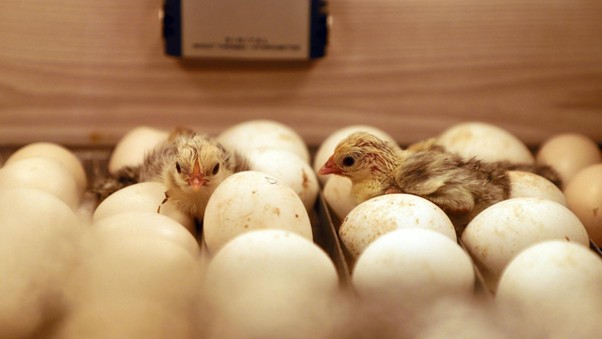
Here’s how to incubate chicken eggs at home.
Choose the Right Eggs for Incubation
- Choose a quiet, draft-free room with a stable ambient temperature.
- Run the incubator 24 hours before adding eggs to stabilize conditions.
- Place eggs with the pointed end facing down.
- Monitor temperature and humidity daily without excessive opening of the incubator.
- Stop turning eggs after day 18 and prepare for hatching.
Select the Best Incubator
- Look for accurate temperature control and reliable humidity regulation.
- Automatic egg turners reduce manual errors.
- Clear viewing windows help minimize unnecessary lid opening.
- Choose a size that matches your flock and hatching goals.
Set Up Your Incubator Correctly
- Calibrate thermometers and hygrometers before use.
- Fill water channels to achieve the correct humidity level.
- Confirm that the turning mechanisms are working smoothly.
- Allow the incubator to stabilize fully before loading eggs.
Right Temperature for Chicken Egg Incubation
Maintaining the right temperature is critical for healthy embryo development. Chicken eggs incubate best at around 99–100°F (37.2–37.8°C), with minimal fluctuations to ensure steady growth throughout the 21-day incubation period.
Ideal Humidity for Incubating Chicken Eggs
Proper humidity prevents excessive moisture loss or retention inside the eggs. Maintain 50–55% humidity during most of incubation, then increase to 65–70% during the last three days to support hatching and prevent chicks from sticking inside the shell.
Chicken Egg Incubation Stages
Days 1–7: Early Embryo Growth
The embryo begins forming major organs and blood vessels. Temperature and humidity must be steady to support proper early development.
Days 8–14: Bone and Feather Development
Bones strengthen, feathers start forming, and the embryo becomes more defined. Consistent turning and environmental control remain essential.
Days 15–18: Chick Positioning
The chick shifts into hatching position, with the head moving toward the air cell. Proper humidity is critical to prevent membrane drying.
Days 19–21: Internal and External Piping
The chick begins to pierce the inner and outer shell membranes, preparing to hatch. This is the “lockdown” phase with increased humidity and no egg turning.
Candling Chicken Eggs: What It Is and Why It Matters
Candling is shining a light through the egg to check for embryo development and fertility. It helps identify infertile or non-developing eggs early, ensuring only healthy eggs remain in the incubator.
When to Candle Chicken Eggs
- Day 7: Check for initial blood vessel formation.
- Day 14: Observe more advanced embryo growth and movement.
How to Candle Chicken Eggs Safely
Use a bright, focused light in a dark room. Handle eggs gently and work quickly to prevent temperature drops that could affect development.
How Long to Incubate Chicken Eggs Before Lockdown
Lockdown begins around day 18, three days before hatching, when eggs are no longer turned. Humidity is increased to support hatching, and the chick prepares to pip the shell.
After the Hatch: What to Do Once Chicks Emerge
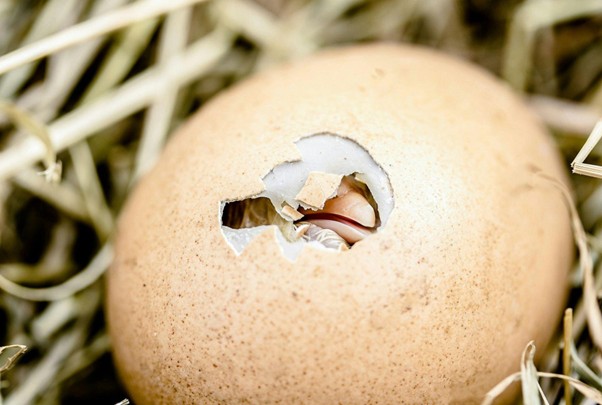
Once chicks hatch, they need warmth, water, and easy access to food immediately. Keep them in a brooder with consistent heat around 95°F (35°C) for the first week and gradually reduce it each week.
Make sure you provide clean bedding, fresh water, and starter chicken feed suitable for chicks. Farmers must monitor for signs of weakness or hatching issues and separate any that need special care to maximize survival and growth.
Famous Chicken Breeds & Their Egg Hatching Conditions
Region-Wise Chicken Egg Incubation Adjustments
Incubation basics stay the same, but local climate can affect results. Adjusting for your region improves hatch rates and chick strength.
- In dry regions (Southwest, Mountain states), humidity often needs a boost to prevent excessive moisture loss.
- In humid areas (Southeast, Gulf Coast), careful ventilation helps avoid overly wet eggs and delayed hatching.
- Colder northern states may require better insulation and stable room temperatures to keep incubators consistent, especially during winter.
Common Problems When Incubating and Candling Chicken Eggs
Early candling and consistent incubator management help catch these issues before they affect the entire hatch.
- Infertile eggs showing no vein development during early candling
- Embryos stopping development due to temperature fluctuations
- Poor hatch rates caused by incorrect humidity levels
- Malpositioned chicks from inadequate egg turning
- Blood rings or cloudy contents seen during candling
- Late or weak hatches linked to improper lockdown conditions
Track Incubation & Candling Results with FarmKeep

FarmKeep makes chicken egg incubation easier by keeping everything organized in one place.
- Log incubation start dates, record temperature and humidity readings, track candling results by day, and note hatch outcomes by breed.
- With clear records and reminders, you can spot patterns, improve future hatch rates, and manage multiple incubations with confidence.
FAQs
How long does it take to incubate chicken eggs?
Chicken eggs typically take 21 days to hatch under proper incubation conditions. Some may hatch a day early or late, depending on temperature stability.
How many days to incubate chicken eggs?
The standard chicken egg incubation period is 21 days, with the final three days (days 19–21) known as lockdown, when turning stops and chicks prepare to hatch.
What temperature should you maintain to incubate chicken eggs?
The ideal chicken egg incubation temperature is 99.5°F (37.5°C) in a forced-air incubator. Still-air incubators usually require slightly higher temperatures.
How to incubate a chicken egg?
To incubate chicken eggs, maintain a consistent temperature of around 99.5°F (37.5°C) and 50-55% humidity for 18 days, turning the eggs multiple times daily, then increase humidity to 65-70% for the final "lockdown" period (days 19-21) without turning to allow chicks to hatch.
What humidity is required to incubate chicken eggs?
The ideal chicken egg incubation humidity level must be 50–55% humidity during most of incubation, then increase to 65–70% during the last three days to support hatching and prevent chicks from sticking inside the shell.
When to candle chicken eggs?
Candle eggs around day 7, again at day 14, and optionally at day 18 to check development before lockdown.
How do you candle chicken eggs at home?
Use a bright flashlight or egg candler in a dark room. Hold the egg gently with the large end up and observe movement, veins, and air cell size.
What does a healthy egg look like when candling?
A healthy egg shows clear vein networks, a dark developing embryo, and movement as the chick grows. The air cell gradually increases in size.
When should you candle chicken eggs?
Candling is best done early (day 7) to remove infertile eggs and mid-incubation (day 14) to confirm healthy development without disturbing the hatch.