Incubating Pheasant Eggs and the Hatching Process for Farmers
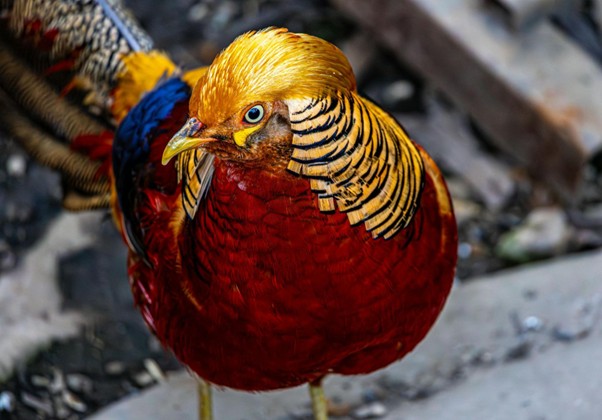
Incubating pheasant eggs requires precision, patience, and careful handling to achieve strong hatch rates. Pheasant eggs are smaller than chicken eggs and are easily recognized by their smooth shells and natural olive, tan, or light brown coloring that helps them blend into their surroundings. Because of their size and delicate nature, pheasant eggs must be handled gently and kept clean from the moment they are collected.
Successful pheasant hatching depends on maintaining stable incubation conditions throughout the cycle. Consistent temperature and properly balanced humidity are essential to support healthy embryo development and prevent moisture loss or suffocation. With this detailed guide, farmers and game bird breeders can achieve a reliable and productive pheasant hatching season.
Understanding Pheasant Egg Incubation Basics
Pheasant egg incubation requires consistent conditions and careful monitoring from start to finish. Because pheasant eggs are smaller and more sensitive than many poultry eggs, even minor fluctuations in temperature or humidity can affect hatch rates. Here are the essential requirements:
- Maintaining stable heat
- Proper moisture levels
- Regular turning
- Good ventilation
- Stop turning during the final lockdown for hatching
What Makes Pheasant Eggs Unique
Pheasant eggs are typically small with smooth shells and natural olive, tan, or light brown coloring that provides camouflage in the wild. Their thin shells and compact size make them more vulnerable to damage and moisture loss, which means gentle handling and precise incubation control are especially important. These characteristics also cause pheasant embryos to react quickly to environmental changes.
Ostrich Egg Incubation Process and Tips for Healthy Hatchings
Pheasant Egg Incubation Period Explained
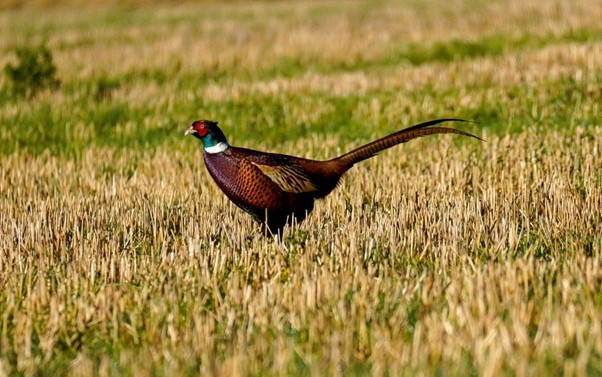
Pheasant eggs generally hatch in 23–24 days, depending on breed and incubation stability. Development progresses quickly, making early consistency critical. Proper temperature and humidity must be maintained throughout the incubation period to support healthy embryo growth and ensure chicks hatch strong and on time.
Selecting Fertile Pheasant Eggs
Successful pheasant incubation begins with selecting high-quality, fertile eggs from healthy breeding stock. Proper egg selection improves hatch rates and reduces losses during incubation.
- Choose eggs that are clean, well-shaped, and free from cracks or thin shells.
- Avoid overly large or small eggs, as irregular sizes can lead to poor embryo development.
How to Incubate Pheasant Eggs
Pheasant eggs can be incubated using either natural or artificial methods. Both methods require careful handling and stable conditions to ensure successful development.
- Natural incubation relies on a broody hen to provide warmth, turning, and humidity, though this approach is less predictable and limits hatch timing.
- Artificial incubation offers greater control over temperature, humidity, turning, and ventilation, making it the preferred method for consistent and planned pheasant hatches.
Choosing the Right Incubator for Pheasant Eggs
When selecting an incubator for pheasant eggs, choose a model that maintains accurate temperature and humidity levels and allows for frequent egg turning.
Forced-air incubators are generally preferred for their even heat distribution. Adequate ventilation and reliable humidity control are essential, as pheasant embryos are sensitive to environmental fluctuations throughout the incubation period.
Candling Pheasant Eggs: What to Look for and When
Candling helps monitor embryo development and identify non-viable pheasant eggs early in the incubation process.
- The first candling is best done around day 7, when fertile eggs show clear vein patterns and a developing embryo.
- A second candling between day 12 and day 14 allows you to confirm continued growth.
Handle eggs gently and limit candling time to avoid temperature loss, as pheasant embryos are sensitive to sudden changes.
Pheasant Egg Incubation Timeline
Day 1–7: Vein Development
The embryo begins forming, with visible blood vessels spreading from the yolk. Stable temperature and regular turning are critical during this early stage.
Day 8–14: Rapid Embryo Growth
The embryo grows quickly, organs develop, and movement may be visible when candled. Maintain consistent humidity and ventilation as oxygen demand increases.
Day 15–21: Internal Piping Preparation
The chick continues maturing and positions itself for hatching. Growth slows as energy shifts toward lung development and muscle strength. Egg turning continues until the final days.
Day 22–25: External Pip and Hatch
Turning stops, humidity is increased, and chicks begin pipping through the shell. Most pheasant chicks hatch within this window when incubation conditions remain stable.
Hatch Conditions by Popular Pheasant Breeds for Popular Breeds
Common Pheasant Egg Incubation Problems
Some of the most common problems associated with incubation for pheasant eggs are:
- Inconsistent temperature causing delayed or failed embryo development
- Low or fluctuating humidity leading to excessive moisture loss
- Insufficient egg turning resulting in embryos sticking to the shell
- Poor ventilation reducing oxygen supply during late incubation
- Rough handling or cracked shells increasing contamination risk
- Frequent incubator opening causing sudden environmental changes
Manage Your Hatch With FarmKeep

FarmKeep helps you manage pheasant egg incubation the smart way by keeping every detail organized in one place.
- Log pheasant egg incubation start dates
- Record daily temperature and humidity readings
- Track candling results by specific incubation days
- Note hatch outcomes by pheasant breed
- Identify patterns to improve future hatch rates
- Manage multiple pheasant egg incubations with confidence
FAQS
How long to incubate pheasant eggs?
Pheasant eggs are typically incubated for 23 to 25 days, depending on the breed and how stable incubation conditions remain.
How long can you keep pheasant eggs before incubating?
Pheasant eggs can be stored for up to 7–10 days before incubation when kept in a cool environment and turned daily to maintain viability.
What is the incubation period for pheasant eggs?
The standard incubation period for pheasant eggs is about 24 days, with minor variation based on breed and incubator accuracy.
What temperature to incubate pheasant eggs?
Incubate pheasant eggs at 99.5°F (37.5°C) in a forced-air incubator for consistent embryo development.
What humidity is best for pheasant egg incubation?
Pheasant egg incubation humidity must be 50–55% during most of incubation, and it must be increased to 60–65% during lockdown to support hatching.
How often should pheasant eggs be turned?
Turn pheasant eggs at least 3–5 times per day until the final days of incubation to prevent the embryo from sticking to the shell.
When should I candle pheasant eggs?
Candle pheasant eggs around day 7 to check fertility, with a second candling around day 12–14 to monitor development.
Why didn’t my pheasant eggs hatch?
Common reasons include incorrect temperature or humidity, poor egg fertility, inadequate turning, rough handling, or sudden environmental changes during late incubation.