Farm Management Software: Complete Guide for Modern Farms (2026)
Running a farm today means managing far more than animals or crops. You’re tracking breeding cycles, monitoring health, managing feed, recording expenses, planning tasks, and making decisions that directly impact profitability.
That’s where farm management software comes in.
Whether you’re running a small homestead, a growing livestock operation, or a multi-species farm, the right software can replace spreadsheets, notebooks, and guesswork with a system that actually works.
This guide breaks down everything you need to know—what farm management software does, how to choose the right one, and which tools are worth considering.
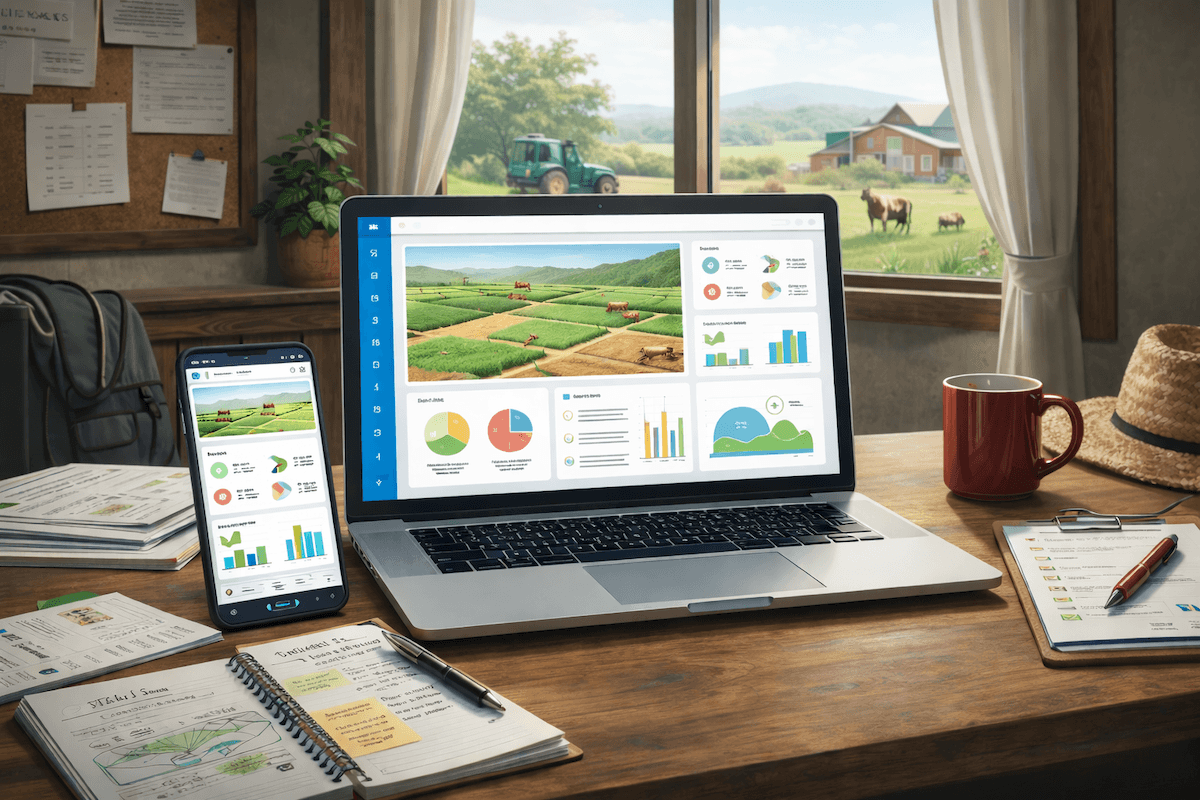
What Is Farm Management Software?
Farm management software is a digital tool that helps farmers organize, track, and manage their operations in one place.
Instead of juggling:
- notebooks
- spreadsheets
- memory
- scattered apps
You get a centralized system for:
- animal records
- production tracking
- finances
- daily operations
At its core, it turns your farm into something measurable—and manageable.
What Does Farm Management Software Actually Do?
The best tools go far beyond simple record keeping. They help you run your farm like a system.
Livestock & Animal Tracking
Track each animal's detailed records and history with:
- ID, breed, age
- lineage and pedigree
- location and movement
Breeding Management
Manage breeding and incubation activities with:
- heat cycles
- breeding dates
- gestation tracking
- due date alerts
Health & Treatment Records
Keep detailed animal health records by tracking:
- vaccinations
- medications
- illness tracking
- withdrawal periods
Feed & Nutrition Tracking
Understand animal growth, rate of gain, and economics through:
- feed types and schedules
- consumption patterns
- cost tracking
Production Tracking
Get insights on overall farm production output with
- eggs, milk, fiber, weight gain
- performance trends over time
Financial Management
Know exactly where your money is going and coming from with:
- expenses and revenue
- cost per animal
- profitability insights
Task & Farm Operations
Keep your farm organized and on track with
- daily to-dos
- recurring tasks
- team coordination
The goal isn’t just tracking—it’s better decisions over time.

Who Needs Farm Management Software?
Not every farm looks the same—but most benefit from having better systems in place. Whether you’re managing a handful of animals or scaling a larger operation, staying organized becomes increasingly important as complexity grows.
Small Farms & Homesteaders
When you’re managing everything yourself, organization becomes critical fast. Keeping track of animals, feed, and daily tasks in your head or scattered notes can quickly lead to missed details and unnecessary stress.
Learn more about the farm management software for small farms.
Livestock Farmers
Breeding, health, and tracking quickly get complex—even with a small herd. Without a system, it’s easy to lose track of important dates, treatments, or lineage, which can directly impact productivity and long-term herd quality.
Multi-Species Farms
Managing chickens, goats, cattle, and more? You need structure. Each species has different needs, timelines, and records, and without a centralized system, things can become disorganized very quickly.
Growing Operations
As your farm scales, manual systems break down. What worked with a few animals becomes inefficient and error-prone, making it harder to maintain consistency, track performance, and make confident decisions.

Benefits of Using Farm Management Software
Running a farm means juggling a lot of moving parts, and small inefficiencies can add up quickly. Farm management software helps bring structure and visibility to your day-to-day operations, making it easier to stay organized, make informed decisions, and grow without chaos.
- Save Time: No more digging through notebooks or spreadsheets.
- Make Better Decisions: See trends in production, health, and costs.
- Reduce Mistakes: Missed treatments, breeding dates, or tasks become far less likely.
- Improve Record Keeping: Essential for compliance, sales, and long-term planning.
- Scale with Confidence: Systems that work at 5 animals won’t work at 50—or 500.
Types of Farm Management Software
Not all tools are built the same. Farm management software can vary widely depending on the type of farm, the size of the operation, and the problems you’re trying to solve. Some platforms focus on specific areas like livestock tracking, crop planning, or financial management, while others aim to be all-in-one systems that bring everything together in one place.
Understanding the different types of tools available helps you choose the right fit—whether you need a simple way to track animals or a more comprehensive system to manage your entire farm operation.
Livestock Management Software
Focused on:
- animals
- breeding
- health
- production
Best for livestock-heavy farms.
See our livestock management software guide for more details.
Crop Management Software
Focused on:
- planting schedules
- yields
- field mapping
More common in large-scale agriculture
All-in-One Farm Software
Combines:
- livestock
- operations
- finances
Best for diversified farms and small operations
Best Farm Management Software (Comparison)
Below is a high-level comparison of common tools used by farmers today.
Learn more about the best farm management software on the market.
How to Choose the Right Farm Management Software
Choosing the right tool depends on your farm—not just the features list. The best software is the one that fits your workflow, not the one with the longest list of capabilities. Taking the time to evaluate your needs upfront can save you from switching systems later.
- Farm Type: Livestock-heavy farms need very different tools than crop farms.
- Ease of Use: If it’s too complicated, you won’t use it consistently.
- Mobile Access: Most farm work doesn’t happen at a desk.
- Features That Actually Matter: Focus on tracking, visibility, and decision-making; not just “more features.”
Start by identifying your priorities. Are you focused on livestock tracking, breeding, financials, or overall farm organization? Some tools specialize in one area, while others offer a more comprehensive, all-in-one approach.
It’s also worth testing a few options before committing. Many platforms offer free trials or free tiers, which give you a chance to see how the software actually works in your day-to-day routine. Pay attention to how intuitive it feels—if it’s clunky or hard to use, you’re less likely to stick with it.
Compare features across tools, but don’t just look at checklists. Think about how those features are implemented. A simple, well-designed system is often more valuable than a complex one you won’t fully use.
If you’re unsure, reach out to the company. Ask questions about your specific use case, how the software handles your type of operation, or what’s on their roadmap. Responsive support and a clear product direction are strong signals that the tool will continue improving over time.
Finally, consider pricing and scalability. Choose software that can grow with you, so you’re not forced to migrate your data and processes as your farm expands. Balance cost with value—especially if you’re just getting started. Farm management software costs can vary widely and can be worth the investment depending on your needs.
Common Mistakes When Choosing Farm Software
Choosing the wrong tool can create more frustration than it solves. Many farmers run into the same pitfalls—not because the software is bad, but because it doesn’t match how they actually work day to day.
- Choosing Overly Complex Tools: Built for large farms, not practical for smaller operations.
- Not Using It Consistently: The tool is only as good as the data you put in.
- Ignoring Mobile Experience: If it’s not easy in the field, it won’t get used.
Many Farm Software Tools Are Outdated
Beyond being built for the wrong audience, many farm management tools are also built on outdated technology. Some have been around for years without meaningful updates, and it shows in how they perform and how they feel to use.
Common issues include:
- Outdated technology stacks: Slower performance, limited integrations, and difficulty adapting to new features or workflows.
- Poor user experience: Clunky interfaces, confusing navigation, and workflows that feel more like data entry than actual farm management.
- Lack of flexibility: Rigid systems that don’t adapt well to different farm types, species, or evolving needs.
- Not mobile-first: Designed for desktop use, making them impractical for real work happening in the field.
- Slow innovation: Infrequent updates and limited responsiveness to user feedback or changing industry needs.
Modern farmers expect tools that are as intuitive and responsive as the apps they use every day. When software falls short of those expectations, it often ends up abandoned—no matter how powerful it might be on paper.
Why Many Farm Software Tools Don’t Work for Small Farms
A lot of farm management software on the market wasn’t designed with small or independent farms in mind. Many of these tools were originally built for enterprise agriculture, where operations, priorities, and workflows look very different.
Most traditional systems are designed for:
- Enterprise agriculture: Built for large agribusinesses managing thousands of acres or animals.
- Large-scale operations: Optimized for teams, departments, and complex reporting structures.
- Compliance-heavy workflows: Focused on regulatory reporting rather than day-to-day usability.
That creates real challenges for smaller farms trying to adopt these tools:
- Too complex: Steep learning curves and unnecessary features make them difficult to use consistently.
- Too expensive: Pricing models often assume larger budgets and don’t scale well for smaller operations.
- Not built for livestock workflows: Many tools focus on crops or high-level reporting, not the daily realities of managing animals.
- Poor mobile experience: If the software isn’t easy to use in the field, it quickly becomes impractical.

How FarmKeep Helps Simplify Farm Management
FarmKeep was built to solve the exact problems many farmers run into with traditional software—tools that are too complex, outdated, or simply not designed for how smaller farms actually operate. Instead of enterprise-focused systems or clunky legacy platforms, FarmKeep is designed to be modern, flexible, and practical from day one.
It’s built specifically for:
- Livestock farmers
- Small to medium size farms
- Multi-species operations
Rather than forcing you into rigid workflows, FarmKeep adapts to how you already run your farm. It’s designed to be intuitive, mobile-friendly, and easy to use in the field—so it actually becomes part of your daily routine, not another system you avoid.
With FarmKeep, you can:
- Track every animal in one place
- Manage breeding cycles and due dates
- Log health records and treatments
- Monitor production trends
- Track expenses and revenue
- Organize tasks and daily operations
The goal isn’t just better record keeping—it’s giving you a clear, real-time view of your farm so you can make smarter decisions without added complexity
Final Thoughts
Farm management software isn’t just about staying organized—it’s about gaining clear, reliable visibility into how your farm is actually running. When your records, tasks, and data all live in one place, you can spot issues earlier, make more confident decisions, and operate with far less guesswork.
The right tool doesn’t add complexity—it removes it. It gives you the structure to stay ahead of problems, the insight to improve performance, and the freedom to spend less time managing chaos and more time doing the work that matters.
FAQ
What is farm management software?
Farm management software is a tool that helps farmers track, organize, and manage their operations, including livestock, production, finances, and tasks.
What is the best farm management software?
The best option depends on your farm type, but tools like FarmKeep, Farmbrite, and AgriWebb are commonly used depending on scale and needs.
How much does farm management software cost?
Pricing ranges from free tools to subscription-based software, typically between $10–$100 per month depending on features.
Is there software for small farms?
Yes—many modern tools like FarmKeep are designed specifically for small farms and homesteaders, focusing on simplicity and mobile access.
What features should I look for?
Key features include:
- animal tracking
- breeding management
- health records
- production tracking
- financial tracking