Farm Record Software: The Complete Guide to Digital Farm Record Keeping (2026)
Most farms don’t have a data problem. They have an organization problem.
Records exist—but they’re scattered:
- notebooks in the barn
- spreadsheets on a computer
- mental notes that get forgotten
And over time, that leads to:
- missed treatments
- unclear breeding history
- lost production data
- harder decision-making
That’s where farm record software comes in. Instead of juggling disconnected systems, you get one place to track everything—consistently and reliably.
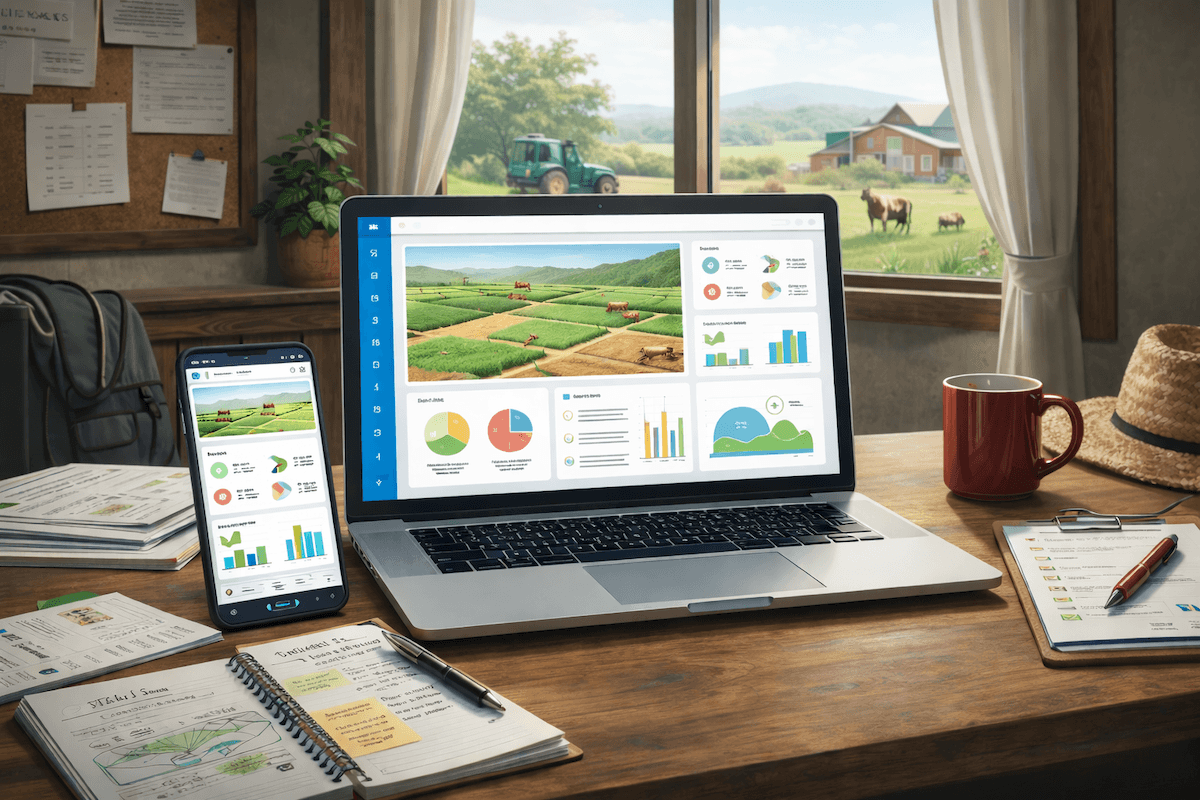
What Is Farm Record Software?
Farm record software is a digital tool that helps you track, store, and organize information about your farm.
This can include:
- livestock records
- breeding history
- health treatments
- production data
- financial information
The goal isn’t just to store data. It’s to make it usable, searchable, and consistent over time.
Why Farm Record Keeping Matters
Record keeping isn’t just paperwork—it directly affects how your farm runs.
Better Decision-Making
When you can see trends over time, you make better calls on breeding, feeding, and management.
Fewer Mistakes
Clear records reduce:
- missed treatments
- forgotten breeding dates
- inconsistent tracking
Improved Organization
Everything is in one place instead of scattered across systems.
Compliance & Documentation
For some farms, records are required for:
- certifications
- inspections
- audits
Long-Term Farm Growth
As your farm grows, informal systems stop working.
Records become essential.

Types of Farm Records You Should Track
Not every farm tracks the same things—but most farms benefit from tracking the following:
Livestock Records
- animal ID
- breed
- age
- lineage
Breeding Records
- breeding dates
- pairings
- gestation tracking
- outcomes
Health & Treatment Logs
- vaccinations
- medications
- illness history
Production Records
- eggs, milk, fiber
- weight gain
- output trends
Financial Records
- expenses
- revenue
- cost tracking
Feed & Input Tracking
- feed types
- usage
- costs
You don’t need to track everything—but you need a system for what matters.
Learn more about what records farmers should keep.

Traditional vs Digital Farm Record Keeping
Most farms start with simple systems.
Notebooks
- easy to start
- hard to maintain
- difficult to search
Spreadsheets
- more structured
- flexible
- but time-consuming
Farm Record Software
- centralized
- easier to update
- accessible anywhere
- built for consistency
As farms grow, digital systems become significantly more efficient.
Learn more about the pros and cons of digital vs paper farm records.
Check out these free farm record templates to use today.
What to Look for in Farm Record Software
Not all tools are built for the same type of farm, and choosing the right one can make the difference between something you use every day and something you abandon after a week. The best software fits naturally into your workflow, supports how you actually operate, and scales as your farm grows.
- Ease of Use: If it’s complicated, it won’t get used consistently. The interface should be intuitive, with simple workflows that make it quick to log records without slowing you down.
- Mobile Access: You should be able to log records where the work happens—not just at a desk. A strong mobile experience ensures you can update information in real time while you’re in the field or with your animals.
- Multi-Species Support: Important for diversified farms. If you’re managing different types of livestock, the system should handle varying needs, records, and timelines without forcing you into rigid structures.
- Organization & Structure: The system should make it easy to find records, update information, and stay consistent. Clear organization helps prevent data from getting lost and makes long-term tracking far more reliable.
- Reporting: Good reporting helps turn your data into insights you can actually use. Whether it’s tracking trends, identifying issues early, or understanding performance over time, reporting becomes more valuable as your operation grows and decisions become more complex.
.png)
Best Farm Record Software
Here are some of the most commonly used tools, based on farm type and needs.
FarmKeep – Best for Livestock & Small Farms
FarmKeep is designed for farmers who want a simple, mobile-first way to manage records and stay organized.
Key strengths:
- easy livestock record keeping
- breeding and health tracking
- production tracking
- task management
- mobile-first design
Why it stands out:
It focuses on usability. You can log records quickly and keep everything consistent without extra effort.
Best for:
- small to medium farms
- multi-species livestock operations
- farmers who want simplicity
Farmbrite – Best for Mixed Farms
Farmbrite offers a broader system that supports both livestock and crop record keeping.
Strengths:
- all-in-one platform
- supports multiple farm types
Tradeoffs:
- more complex
- heavier system
AgriWebb – Best for Large Livestock Operations
AgriWebb is designed for farms that need structured systems and compliance tracking.
Strengths:
- reporting
- compliance tools
- scalability
Tradeoffs:
- more complex
- less suited for smaller farms
Farm Record Software Comparison Table
How to Choose the Right Farm Record System
Start with your needs—not the software. Ask:
- What do I need to track daily?
- Where do I lose information today?
- Do I need something simple or more detailed?
For most farms:
- simpler systems are easier to maintain
- mobile access improves consistency
Common Mistakes in Farm Record Keeping
Good record keeping is one of the most valuable habits on a farm—but it only works if it’s consistent, simple, and aligned with how you actually operate. Many breakdowns don’t come from lack of effort, but from systems that are hard to maintain over time.
- Tracking Inconsistently: Incomplete records are often worse than no records. Gaps in data make it difficult to trust your information, spot trends, or make informed decisions when it matters most.
- Overcomplicating the System: Too many fields or steps leads to burnout. If logging information feels tedious or time-consuming, it’s more likely to get skipped, especially during busy seasons.
- Using Tools That Don’t Fit the Workflow: If it doesn’t match how you work, it won’t last. A system should support your daily routine, not force you to adapt to rigid or impractical processes.
- Waiting Too Long to Start: The earlier you build a system, the easier it is to maintain. Trying to recreate records later is time-consuming and often inaccurate, while starting early builds habits that pay off long-term.

How FarmKeep Simplifies Farm Record Keeping
FarmKeep is built around one core idea: Record keeping should be simple enough to do every day
It helps you:
- log records quickly
- stay organized
- track what matters
Instead of adding complexity, it reduces friction—so you can stay consistent without extra effort.
Final Thoughts
Farm record software isn’t about collecting more data.
It’s about:
- organizing what you already have
- reducing mistakes
- and making your farm easier to manage
Because over time, the farms that stay organized are the ones that run better.
FAQ
What is farm record software?
Farm record software helps farmers track and organize information about livestock, production, finances, and operations in a structured system.
What records should farmers keep?
Common records include livestock data, breeding history, health treatments, production output, and financial information.
Is there free farm record software?
Some tools offer free plans or basic versions, with more advanced features available in paid tiers.
How do I digitize farm records?
You can start by choosing a software platform and gradually entering your existing records, beginning with your most important data.
Is farm record software worth it for small farms?
Yes. Even small farms benefit from better organization and consistency, especially as they grow.