Chicken Diseases: Symptoms, Treatment, and Prevention (Complete Guide to Chicken Sickness)
If you keep chickens long enough, you’ll eventually face illness in your flock.
Searches like “chicken diseases,” “chicken sickness,” or “chicken diseases and symptoms” usually happen in a moment of urgency—something looks off, and you’re trying to figure out what it means before it spreads or gets worse.
The challenge is that many chicken illnesses look similar at first. A lethargic bird, strange droppings, or a drop in egg production could point to anything from parasites to viral disease to simple dehydration.
This guide is designed to help you cut through that uncertainty. We’ll walk through symptoms, causes, treatments, and prevention—so you can act quickly and confidently.

How to Tell If a Chicken Is Sick
Chickens are prey animals, which means they instinctively hide weakness. By the time a bird looks obviously sick, the issue has often been developing for days.
That’s why small changes matter more than dramatic ones.
Common Signs of Chicken Illness
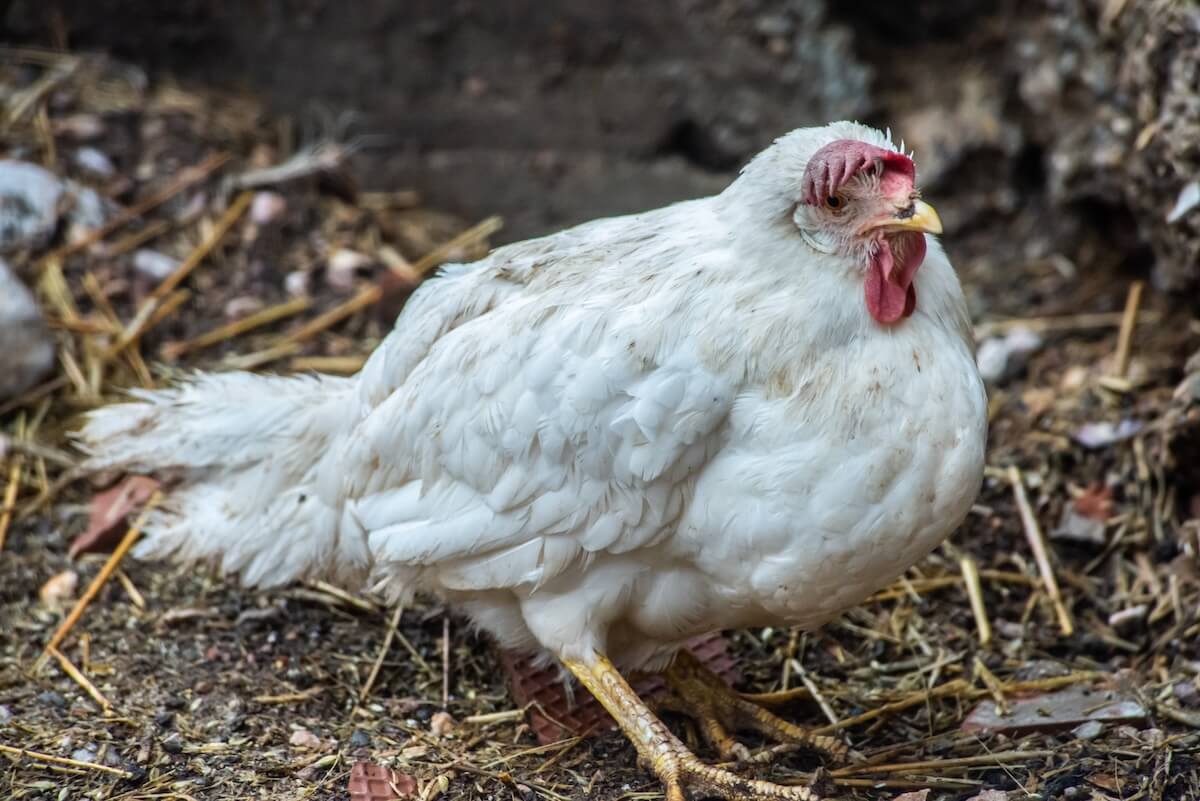
- Lethargy or standing still for long periods
- Puffing up feathers even in warm weather
- Loss of appetite or reduced water intake
- Changes in droppings (color, consistency, frequency)
- Drop in egg production or poor egg quality
- Respiratory sounds like wheezing, coughing, or sneezing
- Isolation from the flock
When to Act Immediately
Some symptoms suggest a serious or fast-moving condition:
- Paralysis or inability to stand
- Bloody diarrhea
- Severe breathing difficulty
- Sudden collapse or death
If you see these, isolate the bird right away and begin supportive care.
Understanding the Different Types of Chicken Diseases
Not all chicken illnesses are the same—and understanding the type of problem you’re dealing with is one of the fastest ways to narrow down a diagnosis.
Many symptoms overlap. A lethargic bird, for example, could be dealing with a viral infection, a parasite load, dehydration, or even a nutritional imbalance. But once you start thinking in categories, patterns begin to emerge. Respiratory symptoms tend to point one way, digestive issues another, and slow decline often suggests something entirely different.
This framework helps you move from “something’s wrong” to a more focused understanding of what might be happening.
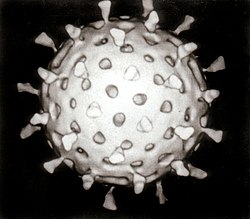
Viral Diseases
Viral infections are among the most serious chicken diseases because they spread easily and, in most cases, cannot be treated directly.
Examples include Marek’s disease, Newcastle disease, avian influenza, and infectious bronchitis. These diseases often move quickly through a flock and may present with symptoms like paralysis, respiratory distress, sudden drops in egg production, or even sudden death.
Because there’s typically no cure, management focuses on:
- Prevention (especially vaccination, where applicable)
- Biosecurity (limiting exposure to outside birds and contaminated equipment)
- Isolation of affected birds
With viral diseases, early recognition is less about treatment and more about protecting the rest of the flock.
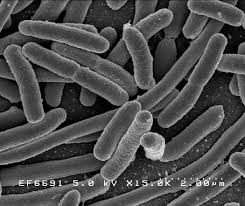
Bacterial Diseases
Bacterial infections are common in backyard flocks and are often treatable—especially when caught early.
These include conditions like Mycoplasma (chronic respiratory disease), infectious coryza, fowl cholera, and Salmonella. They often show up as respiratory symptoms (sneezing, nasal discharge), swelling (especially around the face or eyes), diarrhea, or general weakness.
Unlike viral diseases, bacterial infections may respond to antibiotics, but treatment still depends heavily on:
- Early detection
- Reducing stress in the flock
- Improving overall living conditions
Many bacterial issues take hold when birds are already weakened by poor environment or nutrition, so prevention still plays a major role.
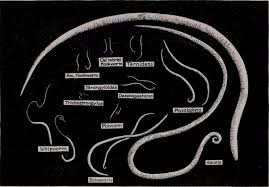
Parasitic Infections (Internal and External)
Parasites are one of the most common—and often most overlooked—causes of chicken sickness.
Internal parasites include worms and coccidiosis, while external parasites include mites and lice. These don’t always cause sudden illness. Instead, they often lead to a slow, gradual decline:
- Weight loss
- Reduced egg production
- Pale combs (from anemia)
- Irritation and feather damage
Because symptoms build over time, parasite issues are easy to miss until they become more severe.
Routine monitoring, coop hygiene, and occasional preventative treatment are key to keeping parasite loads under control.
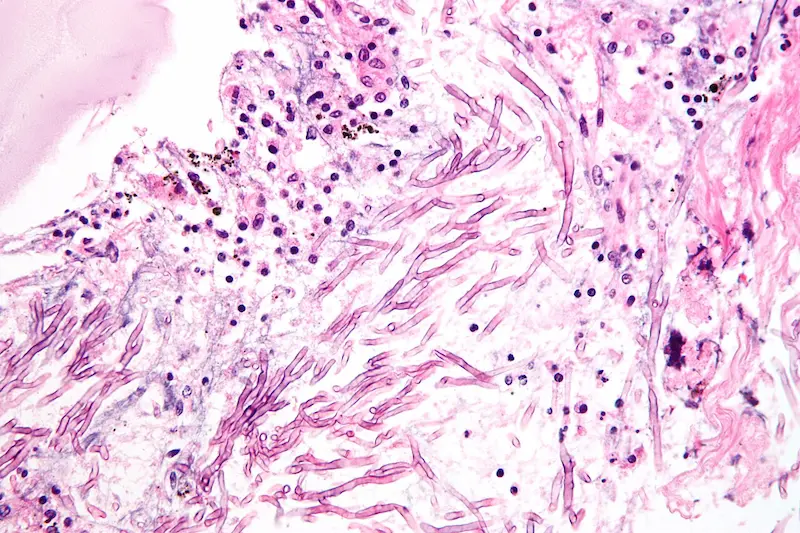
Fungal Diseases
Fungal infections are less common but can still be serious, especially in poorly managed environments.
The most well-known example is aspergillosis, which is caused by inhaling mold spores from damp bedding, spoiled feed, or poorly ventilated spaces.
These infections primarily affect the respiratory system and can be difficult to treat once established. Birds may show signs like labored breathing or gasping.
Prevention is the most effective approach:
- Keep bedding dry
- Avoid moldy feed
- Ensure good ventilation
Nutritional and Neurological Issues
Not all chicken health problems are caused by infectious disease. In many cases, the issue is dietary.
Deficiencies—particularly in vitamins and minerals—can lead to a wide range of symptoms, including:
- Weakness or poor growth
- Reduced egg production
- Poor feather condition
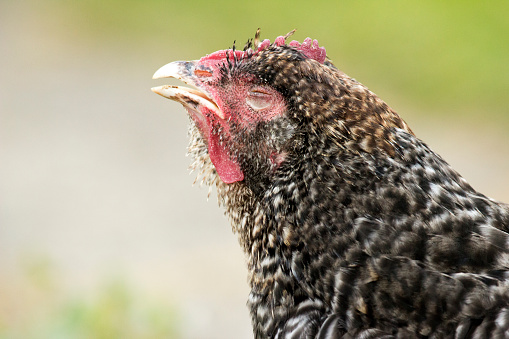
- Neurological symptoms like stargazing (wry neck)
These issues often develop gradually and can be mistaken for disease if you’re not looking at diet closely.
Providing a balanced, high-quality feed and limiting excessive treats goes a long way in preventing these problems.
Environmental and Management Issues
Sometimes what looks like a disease is actually a result of the environment.
Heat stress, dehydration, poor ventilation, overcrowding, and unsanitary conditions can all weaken a chicken’s immune system and make them more vulnerable to illness. In some cases, these factors alone can cause symptoms like lethargy, panting, reduced appetite, or even death.
These issues are especially important because they affect the entire flock at once, not just a single bird.
Good management practices—clean housing, proper spacing, consistent access to food and water, and attention to seasonal changes—are some of the most powerful tools you have for preventing illness.
Why This Framework Matters
When you start with categories instead of individual diseases, diagnosing chicken sickness becomes much more manageable.
Instead of asking: “What exact disease is this?”
You start by asking:
- Does this look contagious?
- Are symptoms sudden or gradual?
- Is this affecting one bird or many?
- Could this be environmental or nutritional?
From there, narrowing down the specific cause becomes much easier—and much faster.
Symptom and Possible Chicken Diseases
Common Chicken Diseases by Category
Understanding specific diseases within each category helps you move from general symptoms to more confident identification. While it’s not always possible to diagnose with certainty at home, recognizing patterns—especially within these groups—can guide your next steps.
Viral Chicken Diseases
Viral diseases are among the most serious chicken health issues because they spread quickly and typically cannot be treated. In many cases, once symptoms appear, the focus shifts to supportive care and preventing spread to the rest of the flock.
These diseases often move rapidly and can affect multiple birds at once.
Marek’s Disease
One of the most well-known viral diseases in chickens.
- Symptoms: Paralysis (often one leg forward, one back), weight loss, tumors, vision changes
- Cause: Highly contagious herpesvirus
- Treatment: None
- Prevention: Vaccination at hatch is the most effective protection
Marek’s is especially devastating because it can appear in otherwise healthy-looking birds and progress quickly.
Newcastle Disease
A highly contagious viral disease that affects multiple systems in the body.
- Symptoms: Twisted neck (stargazing), respiratory distress, green diarrhea, sudden death
- Severity: Often fatal in unvaccinated flocks
- Prevention: Vaccination and strict biosecurity
Because it spreads so easily, outbreaks can impact entire flocks in a short time.
Avian Influenza
Also known as bird flu, this is one of the most serious and regulated poultry diseases.
- Symptoms: Sudden death, swelling of the head or comb, respiratory distress
- Risk: Highly contagious and reportable in many regions
- Prevention: Limiting contact with wild birds and maintaining biosecurity
Even small backyard flocks can be affected, especially in areas with wild bird exposure.
Infectious Bronchitis
A common viral respiratory disease.
- Symptoms: Sneezing, coughing, nasal discharge, drop in egg production, misshapen eggs
- Impact: Often affects egg-laying quality more than mortality
Laryngotracheitis
A more severe respiratory disease.
- Symptoms: Labored breathing, coughing, sometimes blood in mucus
- Spread: Highly contagious
Lymphoid Leukosis
A slower-developing viral disease.
- Symptoms: Tumor formation, weight loss, gradual decline
- Typical in: Older birds
Bacterial Chicken Diseases
Bacterial infections are common and often treatable with early intervention. They tend to develop when birds are stressed, immunocompromised, or living in less-than-ideal conditions.
Respiratory Infections
These are among the most common bacterial issues in backyard flocks.
Mycoplasma (Chronic Respiratory Disease)
- Symptoms: Sneezing, nasal discharge, watery eyes
- Progression: Often chronic and recurring
- Treatment: Antibiotics such as tylosin
Infectious Coryza
- Symptoms: Facial swelling, foul-smelling discharge, swollen sinuses
- Spread: Rapid within a flock
- Treatment: Antibiotics
Infectious Synovitis
- Symptoms: Joint swelling, lameness, reduced mobility
- Cause: Mycoplasma infection affecting joints
Systemic Infections
These tend to affect the whole body and can be more severe.
Fowl Cholera
- Sudden death, swelling, internal infection
- Often associated with contaminated environments
Fowl Typhoid
- Lethargy, diarrhea, reduced appetite
- Can cause high mortality
Pullorum Disease
- Most common in chicks
- White diarrhea and weakness
- Often fatal if untreated
Paratyphoid (Salmonella)
- Diarrhea, weakness
- Important because it can affect humans
Additional Bacterial Diseases
These are less common but still important to be aware of:
- E. coli infections: Often secondary to other stressors
- Campylobacteriosis: Zoonotic risk
- Erysipelas: Skin infections
- Listeriosis: Neurological symptoms
- Ulcerative enteritis: Intestinal damage

Parasitic Diseases and Infestations
Parasites are one of the most overlooked causes of chicken sickness, especially because symptoms often develop slowly.
Internal Parasites
Worms (Roundworms, Tapeworms)
- Symptoms: Weight loss, poor egg production, general decline
- Cause: Ingesting parasite eggs from environment
- Treatment: Dewormers such as fenbendazole
Coccidiosis
One of the most common and serious diseases in young chickens.
- Symptoms: Bloody diarrhea, lethargy, puffed feathers
- Cause: Protozoa that thrive in damp conditions
- Treatment: Amprolium
This disease is closely tied to brooder or coop hygiene.
External Parasites
Mites and Lice
- Symptoms: Feather loss, irritation, pale comb (anemia), restlessness
- Impact: Chronic stress and blood loss
- Treatment: Dusts or sprays plus coop cleaning
Protozoan Diseases
Blackhead Disease (Histomoniasis)
- Severe digestive disease
- Often fatal if untreated
Canker (Trichomoniasis)
- Lesions in the mouth and throat
- Difficulty eating
Fungal Diseases
Aspergillosis
A respiratory disease caused by inhaling mold spores.
- Symptoms: Gasping, labored breathing, weakness
- Cause: Moldy bedding, feed, or poor ventilation
- Treatment: Difficult once established
- Prevention: Dry conditions and clean feed
Nutritional and Neurological Issues
Not all chicken health problems are infectious. Many stem from diet or deficiencies.
Stargazing (Wry Neck)
- Cause: Often vitamin E deficiency
- Symptoms: Loss of coordination, head tilted upward
- Treatment: Vitamin supplementation and supportive care
Vitamin Deficiencies
- Weakness, poor feather quality, low egg production
- Prevent with balanced, high-quality feed
Anemia
- Often caused by parasites
- Leads to pale comb, fatigue, reduced productivity
Reproductive Health Issues
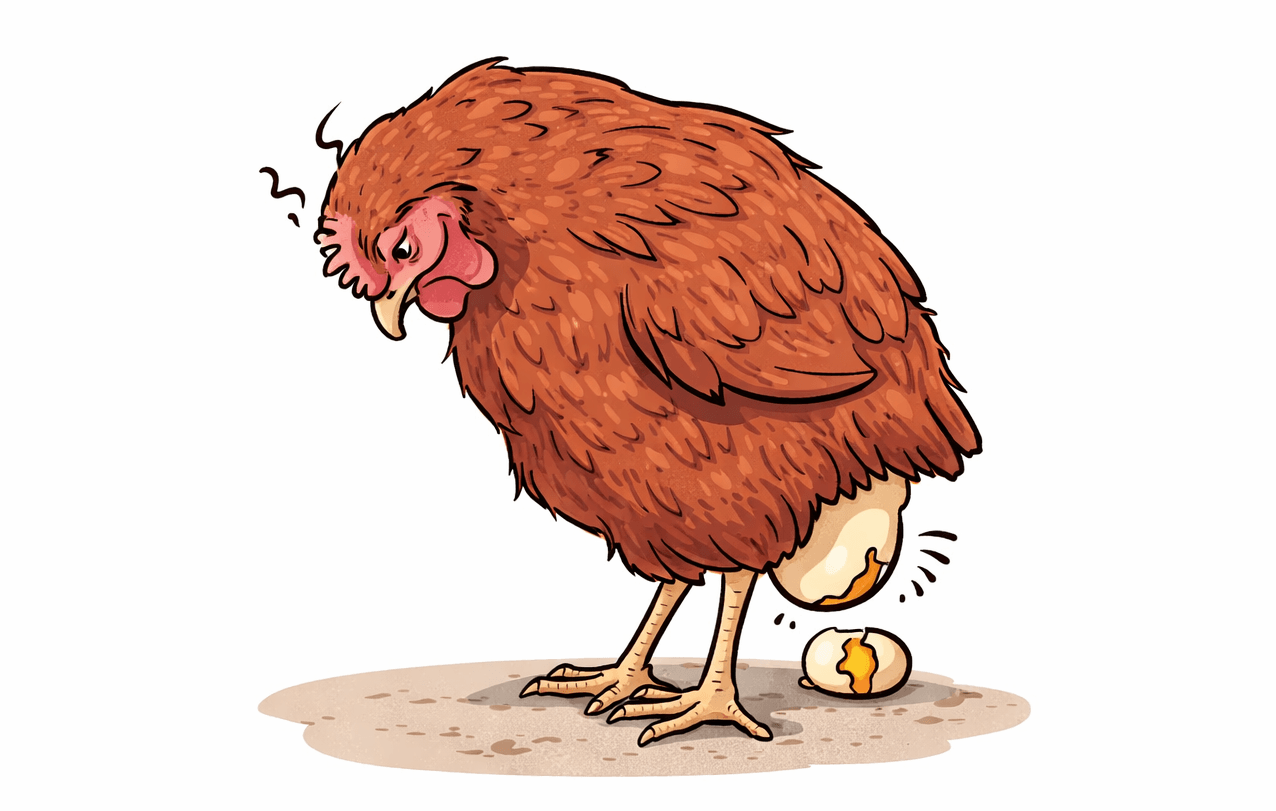
Egg Binding
- Egg becomes stuck in the reproductive tract
- Symptoms include straining and lethargy
- Requires immediate intervention
Egg Peritonitis
- Internal infection caused by egg material
- Leads to swelling, lethargy, and decline
Environmental and Management Issues
Sometimes what appears to be disease is actually a result of environmental stress.
Heat Stress
- Panting, wings spread, lethargy
- Can escalate quickly in hot weather
- Requires cooling, shade, and hydration
Frostbite
- Damage to comb and wattles - black discoloration
- Caused by cold combined with moisture
- Prevent with ventilation and dry conditions
Dehydration
- One of the most overlooked issues
- Symptoms include lethargy and sunken eyes
- Can quickly become fatal without intervention
Putting It All Together
When you step back, most chicken diseases fall into a few predictable patterns:
- Fast-moving, contagious issues (often viral or bacterial)
- Slow decline (often parasites or nutrition)
- Environmental stress affecting multiple birds at once
Recognizing which category you’re dealing with is often the first—and most important—step toward protecting your flock.

Common Health Problems in Baby Chicks
Young chicks are far more fragile than adult chickens. Their immune systems are still developing, they’re highly sensitive to temperature and stress, and small mistakes in setup or care can lead to problems very quickly.
Most chick health issues aren’t random—they’re usually tied to brooder conditions, hygiene, nutrition, or overcrowding. Getting those fundamentals right is what keeps chicks alive and thriving in those critical first weeks.
Why Brooder Setup Matters So Much
The brooder is essentially a chick’s entire world early on. If it’s too cold, too hot, too crowded, or too dirty, health issues show up fast.
A good brooder setup should provide:
- Consistent heat (starting around 95°F and decreasing weekly)
- Enough space to prevent piling and stress
- Dry, clean bedding to reduce bacteria and parasites
- Easy access to food and water at all times
Overcrowding is one of the most common mistakes. When chicks are packed too tightly:
- Stress increases
- Pecking behavior can start
- Disease spreads more easily
- Weaker chicks get pushed away from food and water
Even if everything else is correct, overcrowding alone can lead to significant losses.
Clean Feed and Water Are Critical
Chicks eat and drink constantly, which means any contamination spreads quickly.
- Dirty waterers can harbor bacteria
- Wet bedding around water leads to disease
- Moldy or spoiled feed can cause digestive or respiratory issues
Refreshing water daily (or more often) and keeping feeders clean is one of the simplest ways to prevent illness.
Key Chick Health Issues
Coccidiosis
One of the most common and dangerous chick diseases.
- Cause: Protozoa that thrive in damp, dirty conditions
- Symptoms: Bloody droppings, lethargy, puffed-up appearance
- Prevention: Dry bedding, medicated starter feed (optional)
- Treatment: Amproliumchick
This is often tied directly to brooder hygiene. Wet bedding dramatically increases risk.
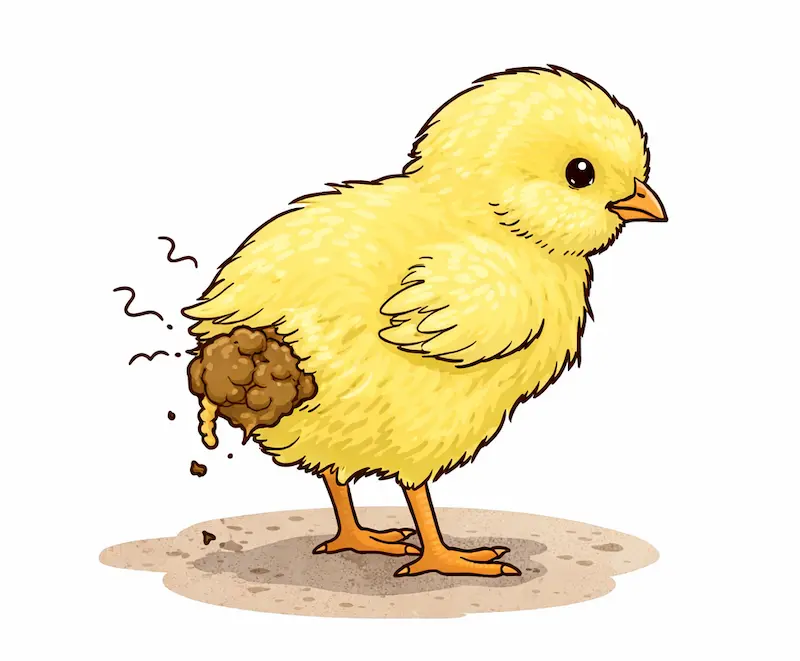
Pasty Butt
A common issue in young chicks where droppings stick to the vent.
- Cause: Stress, shipping, temperature fluctuations, diet changes
- Symptoms: Blocked vent, reduced activity
- Treatment: Gently clean with warm water
If left untreated, it can become fatal, so regular checks are important.
Stargazing (Wry Neck)
A neurological condition seen in chicks more often than adults.
- Cause: Vitamin deficiency (especially vitamin E), injury, or disease
- Symptoms: Head tilting upward, loss of coordination
- Treatment: Vitamin supplementation and supportive care
Early treatment often leads to good recovery.
Weak Chick Syndrome
Some chicks fail to thrive despite appearing normal at hatch.
- Causes: Poor brooder conditions, temperature stress, weak genetics, or nutrition issues
- Symptoms: Lethargy, poor growth, lack of appetite
These chicks require close monitoring and supportive care, but prevention through proper setup is far more effective.
Small Mistakes Add Up Quickly
With chicks, problems compound fast. A slightly dirty brooder, combined with overcrowding and inconsistent temperatures, can quickly turn into illness or loss.
The flip side is also true: When the brooder is clean, properly spaced, well-heated, and stocked with fresh feed and water, most common chick health issues become far less likely.
Paying attention early—especially in the first 2–4 weeks—sets the foundation for a healthy flock long-term.
Quick Reference Table of Chicken Diseases
How to Prevent Chicken Diseases
Prevention is the foundation of flock health. Most chicken diseases don’t start as dramatic, unavoidable events—they build slowly from small, compounding issues. A damp coop, a stressed bird, a new chicken introduced too quickly, or a parasite problem that goes unnoticed can all quietly weaken a flock over time.
By the time symptoms appear, the real cause has often been present for days or even weeks.
The good news is that the same handful of habits prevent the majority of common chicken illnesses. Good management does far more for your flock than medication ever will.
Keep Coops Clean and Dry
Moisture is one of the biggest drivers of disease in chickens. Wet bedding creates the perfect environment for bacteria, parasites, and ammonia buildup, all of which stress the respiratory system and weaken immunity.
Regular cleaning doesn’t have to be complicated, but it does need to be consistent. Replace soiled bedding, ensure proper ventilation, and pay attention to areas that stay damp—especially under roosts or around waterers.
A dry coop is one of the simplest and most effective ways to reduce disease risk.
Provide Balanced Nutrition
Nutrition is the baseline of a chicken’s immune system. Birds that are underfed, overfed, or lacking key vitamins are far more susceptible to illness.
A high-quality, species-appropriate feed should make up the majority of their diet. Occasional treats are fine, but too many scraps can dilute essential nutrients and create imbalances.
Deficiencies—especially in vitamins like E or minerals like calcium—can lead to issues ranging from poor egg production to neurological symptoms like stargazing.
Ensure Constant Access to Clean Water
Water is often overlooked, but it’s one of the fastest ways to impact flock health.
Chickens need continuous access to fresh, clean water. Even short periods without it can lead to dehydration, stress, and reduced egg production. Dirty waterers can also become a source of bacteria and disease.
In hot weather, this becomes even more critical. Birds can decline quickly if they aren’t drinking enough.
Quarantine New Birds
One of the most common ways disease enters a flock is through new birds.
Even chickens that appear healthy can carry illness without obvious symptoms. Introducing them too quickly can expose your entire flock to infection.
A simple quarantine period—typically at least two weeks—gives you time to observe for signs of illness before mixing birds together. It’s one of the most effective biosecurity practices, yet one of the most commonly skipped.
Monitor for Parasites
Parasites are a slow, often invisible problem that can quietly weaken a flock.
External parasites like mites and lice can cause irritation, feather loss, and anemia. Internal parasites like worms can reduce weight, egg production, and overall vitality.
Regular checks—looking under feathers, monitoring body condition, and watching for subtle changes—help catch infestations early. Preventative treatments and good coop hygiene go a long way in keeping parasites under control.
A Simple Routine Goes a Long Way
Preventing chicken diseases doesn’t require complicated systems or constant intervention. It comes down to consistency.
- Keep coops clean and dry
- Provide balanced nutrition
- Ensure constant access to clean water
- Quarantine new birds
- Monitor for parasites
These habits form the backbone of flock health. When they’re in place, most disease risks drop significantly—and when something does go wrong, your chickens are in a much better position to recover.

How FarmKeep Helps You Manage Chicken Health
Most chicken illnesses don’t show up all at once—they develop gradually.
A bird eats a little less. Egg production dips slightly. Droppings change just enough to notice—but not enough to act.
Those early signals are easy to miss.
FarmKeep helps you:
- Track health records for each bird or flock
- Log symptoms and treatments
- Monitor egg production trends
- Set reminders for medications and deworming
- Identify patterns before they become serious problems
Instead of reacting late, you can act early—and that’s what protects your flock long-term.
Final Thoughts
Chicken diseases can feel overwhelming at first—especially when symptoms overlap and everything seems urgent. But most flock health issues follow patterns. Once you understand how diseases are categorized and what early warning signs look like, it becomes much easier to respond with confidence instead of guesswork.
The biggest shift for most chicken owners isn’t learning every disease—it’s learning to pay attention earlier. Small changes in behavior, appetite, egg production, or droppings are often the first signals that something isn’t right. Catching those signals early is what prevents minor issues from turning into major losses.
It’s also worth remembering that many of the most common problems—parasites, nutritional deficiencies, and environmental stress—are preventable with consistent care. Clean housing, good nutrition, and simple routines go a long way toward keeping a flock healthy.
And when issues do come up, having a system matters. Whether it’s tracking symptoms, logging treatments, or noticing patterns across your flock, staying organized helps you make better decisions over time.
At the end of the day, raising healthy chickens isn’t about reacting perfectly—it’s about observing closely, acting early, and learning as you go.
Disclaimer on Chicken Health and Treatment
This guide is intended for educational purposes only and is not a substitute for professional veterinary advice, diagnosis, or treatment.
While it can help you recognize common chicken diseases, symptoms, and general care approaches, every flock and situation is different. Some illnesses can progress quickly or present in ways that are difficult to diagnose without proper training and testing.
If your chickens are showing signs of serious illness, worsening symptoms, or you’re unsure what you’re dealing with, it’s always best to consult a qualified veterinarian—especially one experienced with poultry.
Getting the right diagnosis early can make a significant difference in treatment outcomes and help protect the rest of your flock.
Sources
- Merck Veterinary Manual
- USDA Animal and Plant Health Inspection Service
- Cornell University College of Veterinary Medicine
- University of California Agriculture and Natural Resources
FAQ
What are the most common chicken diseases?
Coccidiosis, Marek’s disease, respiratory infections, and parasites are among the most common.
What are signs of chicken sickness?
Lethargy, abnormal droppings, reduced appetite, and respiratory issues are key indicators.
How do I diagnose chicken diseases?
Start with symptoms, then narrow by category—viral, bacterial, parasitic, or environmental.
Can chicken diseases spread to humans?
Some, like Salmonella and Campylobacter, can be transmitted to humans.
How do I treat a sick chicken at home?
Isolate the bird, provide supportive care, and treat based on symptoms and likely cause.
What is the most dangerous disease in chickens?
Avian influenza and Newcastle disease are among the most serious.
Why is my chicken not laying eggs?
Stress, illness, parasites, or environmental factors are common causes.