Best Goats for Milk: Top Dairy Goat Breeds Ranked for Production & Quality
Not all goats are created equal—especially when it comes to milk.
Some breeds produce large volumes of milk every day. Others produce smaller amounts, but with rich, high-butterfat milk that’s ideal for cheese and butter. The “best” dairy goat isn’t a one-size-fits-all answer—it depends entirely on what you’re trying to get out of your herd.
This guide breaks down the top dairy goat breeds, how they compare, and how to choose the right one for your farm.
What Makes a Goat Good for Milk?
Before comparing breeds, it helps to understand what actually defines a strong dairy goat.
Milk production is only part of the equation.
Key factors include:
- Milk yield – How much milk a goat produces daily and over a full lactation
- Butterfat percentage – Affects flavor, creaminess, and cheese yield
- Lactation length – Most goats produce milk for around 284 days after kidding
- Temperament – Calm goats are easier to handle and milk consistently
- Climate adaptability – Some breeds thrive in heat, others in cooler climates
- Feed efficiency – How well the goat converts feed into milk
A high-producing goat that’s difficult to manage or poorly suited to your climate can create more problems than it solves.
Milk Production vs Butterfat (Why It Matters)
One of the biggest misunderstandings for new goat owners is assuming that more milk automatically means better milk.
It doesn’t.
There are two main tradeoffs:
- High-volume producers (like Saanen and Alpine goats) give you more milk overall
- High-butterfat producers (like Nubian and Nigerian Dwarf goats) give richer, creamier milk
If you’re drinking milk straight, volume might matter more.
If you’re making cheese, butter, or soap, butterfat becomes the priority.
Understanding this distinction early can save you from choosing the wrong breed for your goals.
Best Dairy Goat Breeds (Ranked)

Saanen Goats (Highest Milk Production)
Saanens are often considered the top choice for maximum milk output.
- Milk production: ~3–4 quarts per day
- Butterfat: ~2–3%
- Temperament: Calm and easygoing
Best for farmers who want consistent, high-volume milk production.
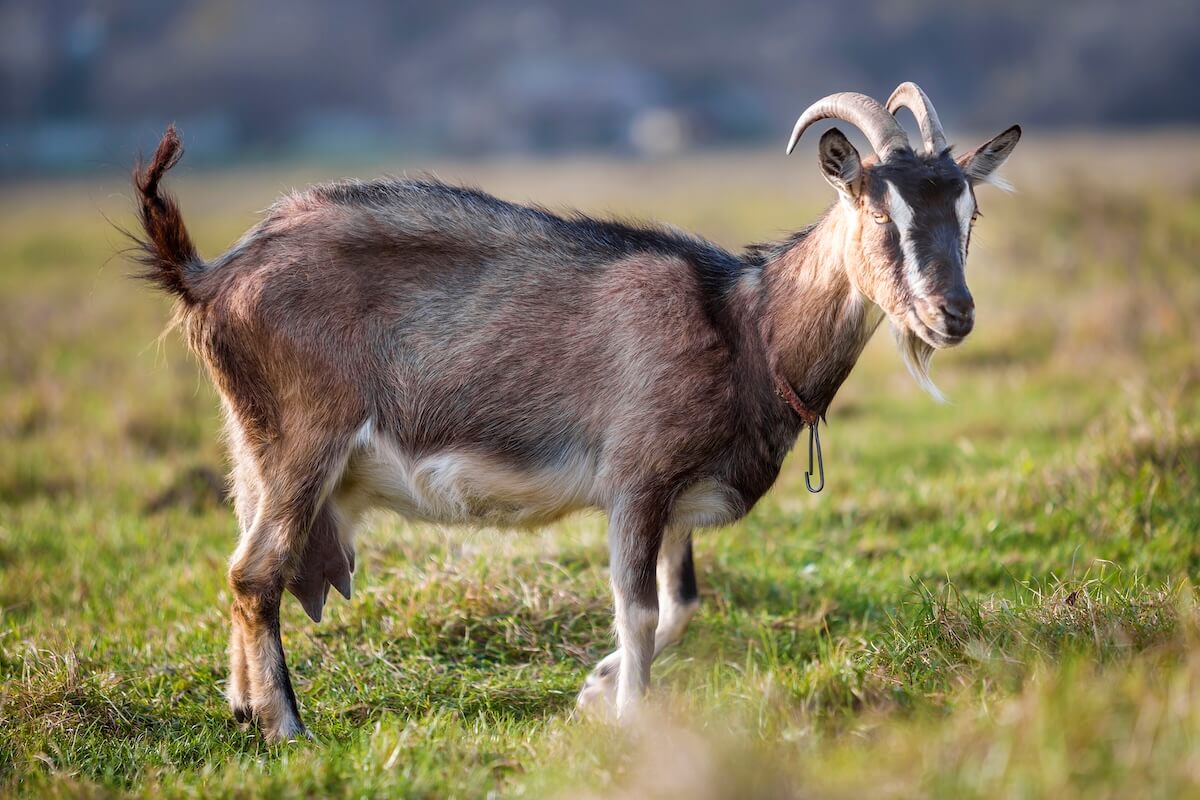
Alpine Goats (High Production + Hardy)
Alpine goats are one of the most versatile dairy breeds.
- Milk production: ~1–2 gallons per day
- Butterfat: ~3–4%
- Strength: Adaptable and resilient
A strong all-around option for both beginners and experienced farmers.
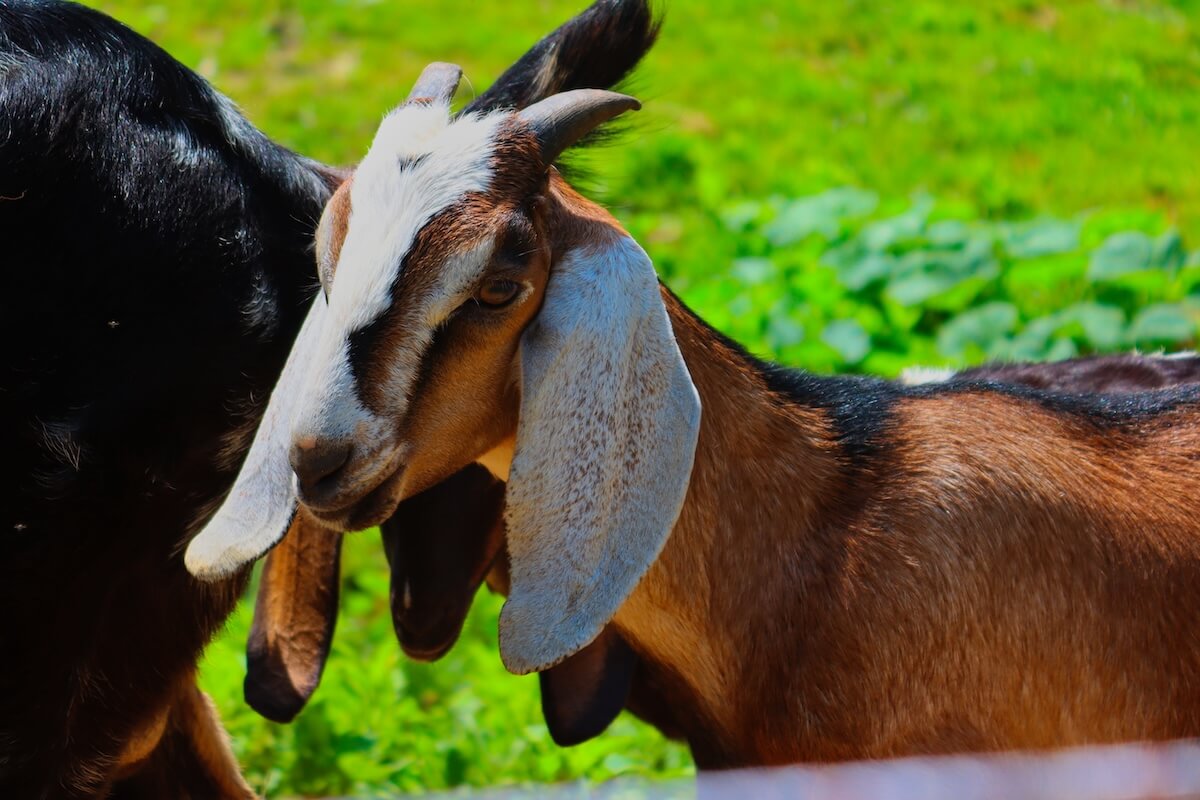
Nubian Goats (Best High-Butterfat Milk)
Nubians are known for their rich milk and distinctive long ears.
- Milk production: ~1 gallon per day
- Butterfat: ~4–5%+
- Temperament: Vocal, social
Ideal for cheese making and anyone prioritizing milk quality over volume.
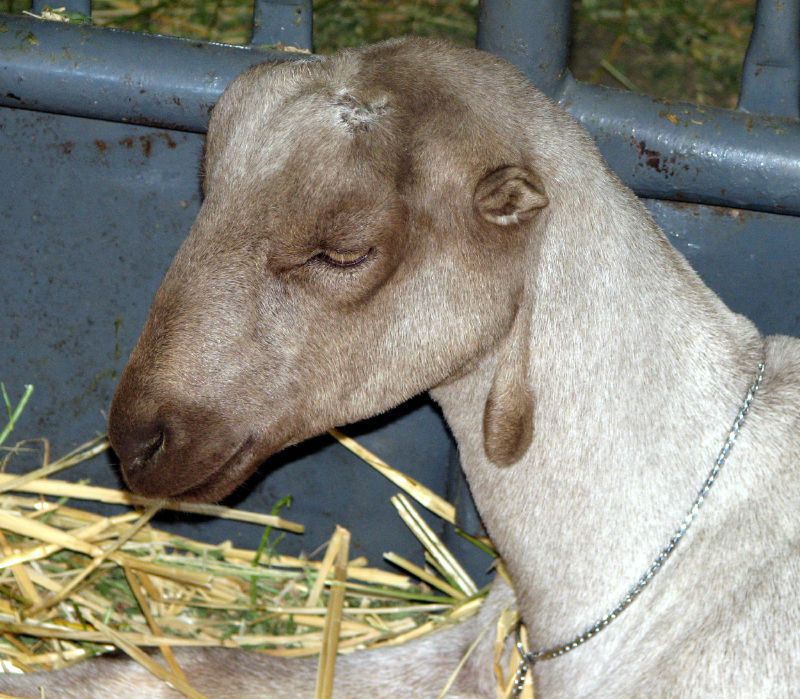
LaMancha Goats (Consistent + Low Maintenance)
LaManchas stand out for their tiny ears and steady production.
- Milk production: ~1–2 gallons per day
- Butterfat: ~4%
- Temperament: Extremely calm
A great choice for ease of handling and consistent output.
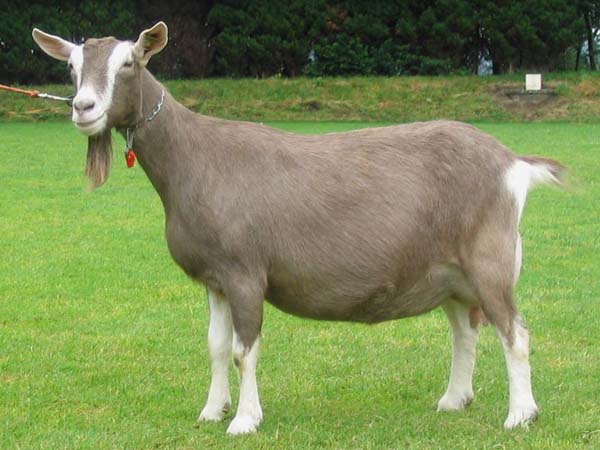
Toggenburg Goats (Cold Climate Specialists)
Toggenburgs are one of the oldest dairy breeds.
- Milk production: ~1 gallon per day
- Strength: Thrive in cooler climates
Well-suited for farms in colder regions.
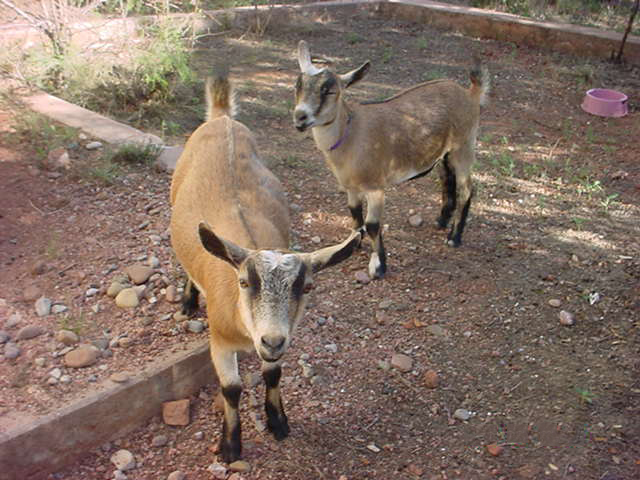
Nigerian Dwarf Goats (Best for Small Farms)
Despite their small size, Nigerian Dwarfs pack serious milk quality.
- Milk production: ~½ gallon per day
- Butterfat: up to 6–10%
- Temperament: Friendly and manageable
Perfect for small properties, homesteads, and backyard dairies.
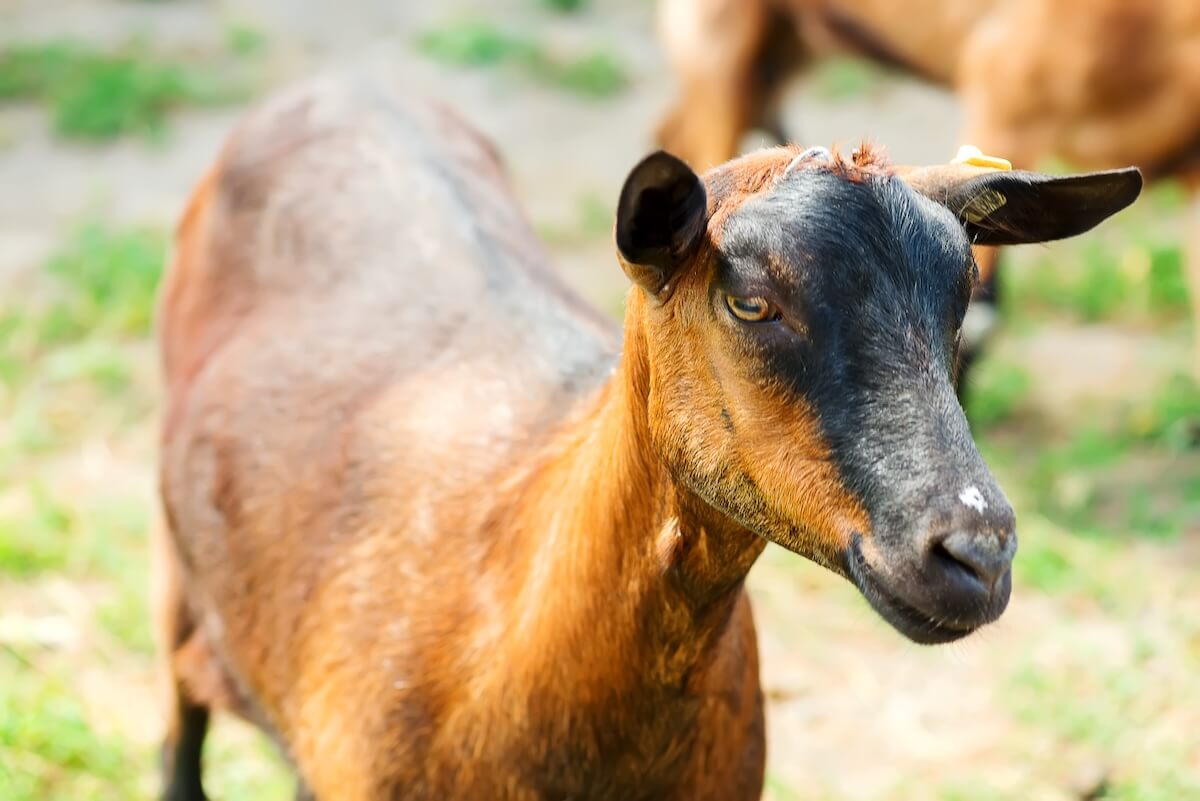
Oberhasli Goats (Balanced and Underrated)
Often overlooked, Oberhasli goats offer steady performance.
- Milk production: Moderate
- Temperament: Calm and easy to handle
A solid choice for farmers who want a manageable, balanced dairy goat.

Sable Goats (Saanen Alternative)
Sables share the same genetics as Saanens but come in more color variations.
- Milk production: Similar to Saanen
- Best for: Farmers who want high production with more visual variety
Dairy Goat Breed Comparison Table
Best Dairy Goats by Use Case
Choosing the right goat depends on your specific goals.
- Best for beginners: Nigerian Dwarf, LaMancha
- Best for high milk production: Saanen, Alpine
- Best for cheese: Nubian, Nigerian Dwarf
- Best for small farms: Nigerian Dwarf
- Best for hot climates: Nubian
- Best for cold climates: Toggenburg, Alpine
How Much Milk Does a Goat Produce?
Most dairy goats produce milk for about 284 days per lactation cycle.
- Peak production occurs 4–6 weeks after kidding
- Production gradually declines over time
- Output varies widely by breed, nutrition, and management
A well-managed goat can produce anywhere from ½ gallon to 2+ gallons per day.
Feeding & Care for High Milk Production
Milk output is directly tied to nutrition.
To maintain strong production:
- Provide high-quality forage (alfalfa is ideal for dairy goats)
- Supplement with grain when needed
- Ensure constant access to clean water
- Offer proper mineral supplementation
Even small gaps in nutrition can reduce production quickly.

Milk Ratings and Quality (Understanding “Stars”)
Not all goat milk is created equal—and even within the same breed, quality can vary significantly from one animal to another.
When farmers talk about “good milk,” they’re usually combining a few key factors, not just how much a goat produces.
What determines milk quality?
Milk is typically evaluated based on:
- Butterfat content – Higher butterfat creates richer, creamier milk and improves cheese yield
- Protein levels – Important for cheese structure and overall nutritional value
- Taste and flavor profile – Clean, mild milk is ideal; strong or “goaty” flavors are usually the result of handling or management issues, not the goat itself
- Somatic cell count (SCC) – A key indicator of udder health; lower counts generally mean healthier animals and better-quality milk
The idea of “milk ratings” or “stars”
On many small farms, milk quality gets described informally in “tiers” or “stars”—not as a scientific measurement, but as a practical shorthand.
Think of it like this:
Top-tier (★★★★★)
- High butterfat
- Clean, sweet flavor
- Consistent production
- Healthy udder (low SCC)
Mid-tier (★★★☆☆)
- Moderate butterfat
- Acceptable flavor
- Slight variability in output
Lower-tier (★☆☆☆☆)
- Thin milk
- Inconsistent production
- Off flavors or health concerns
This kind of informal rating system is often how farmers quickly identify which goats are worth breeding, keeping, or culling.
Why butterfat changes everything
Butterfat is one of the biggest drivers of perceived quality.
- Higher butterfat = richer taste, better for cheese, yogurt, and soap
- Lower butterfat = lighter milk, often better for drinking in larger quantities
This is why breeds like Nigerian Dwarf goat and Nubian goat are so highly regarded—they consistently produce milk with higher butterfat levels, which translates to better end products.
Quality isn’t just about the breed
Even the best dairy breed can produce poor-quality milk if management is off.
Milk quality is heavily influenced by:
- Clean milking practices
- Proper storage and rapid cooling
- Nutrition and mineral balance
- Stress levels and overall goat health
A well-managed average goat will often outperform a poorly managed “top breed.”
What this means for your farm
If you’re serious about dairy goats, the goal isn’t just more milk—it’s better milk, consistently.
That’s where paying attention to quality metrics matters:
- Which goats produce the richest milk?
- Which ones stay consistent over time?
- Which ones maintain good udder health?
Over time, these patterns are what separate a casual setup from a well-run dairy operation.
And once you start noticing those differences, you’ll realize pretty quickly—milk quality is something you want to track, not guess.
Tracking Milk Production (Where Most Farmers Fall Short)
Choosing the right goat is only the beginning.
The real challenge is understanding how each animal is actually performing over time.
Tracking helps you:
- Spot drops in production early
- Compare goats across your herd
- Identify top producers
- Optimize feed versus output
- Make better breeding decisions
Without tracking, it’s easy to rely on guesswork—and small inefficiencies add up fast.
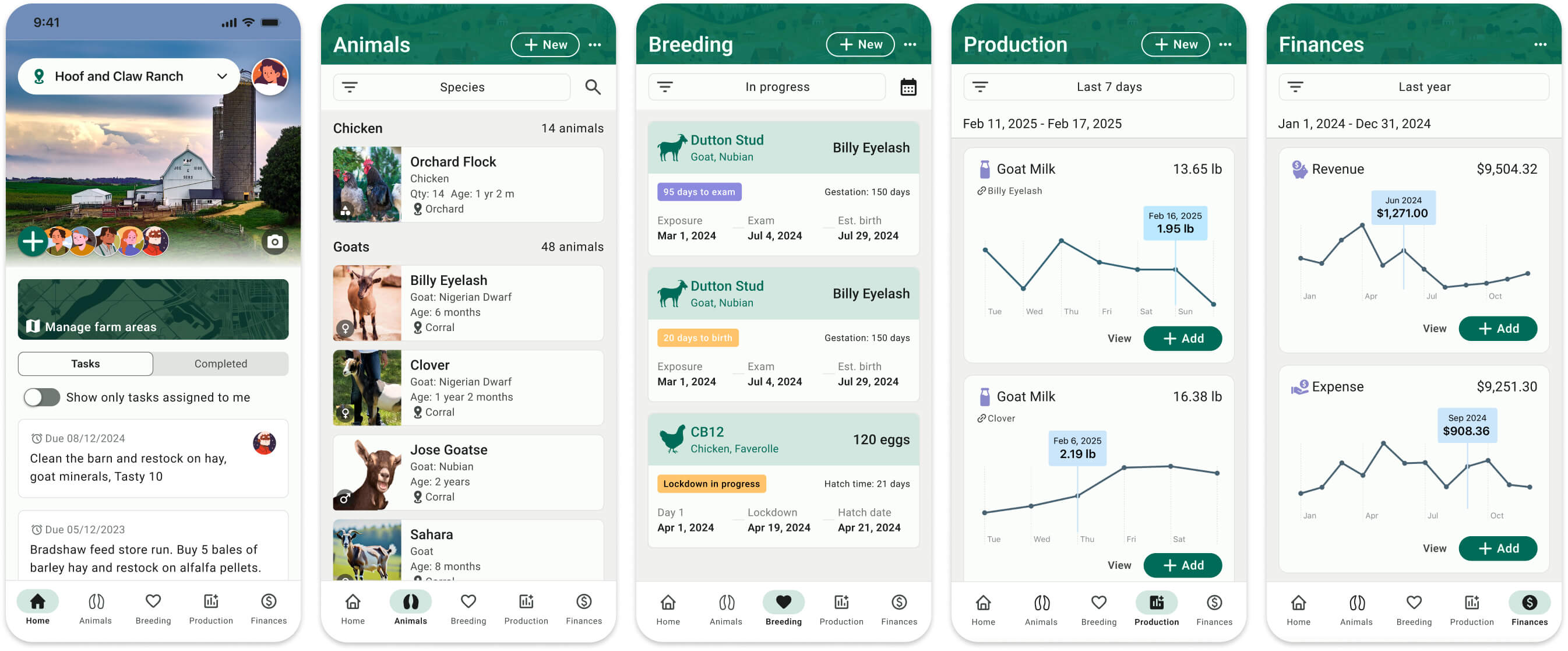
Using FarmKeep to Track Dairy Goat Performance
Once you start managing multiple goats, keeping everything in your head—or scattered across notebooks—stops working.
This is where tools like FarmKeep come in.
With FarmKeep, you can:
- Track milk production by individual goat
- Log breeding events and kidding dates
- Monitor health records and treatments
- Compare performance across your herd
- Keep everything organized in one place
Instead of guessing which goats are performing best, you have real data to guide your decisions.
Final Thoughts
The best dairy goat isn’t the one that produces the most milk—it’s the one that fits your farm, your goals, and how you actually plan to use that milk.
If you want volume, go with breeds like Saanen or Alpine.
If you want richness, Nubian or Nigerian Dwarf may be the better choice.
But regardless of breed, long-term success comes down to management—feeding, care, and especially tracking.
Because over time, the farmers who track their data are the ones who improve the fastest.
FAQ
What is the easiest dairy goat to care for?
LaMancha goats are often considered one of the easiest dairy breeds to manage due to their calm temperament, consistent production, and lower maintenance needs. Nigerian Dwarf goats are also a popular choice for beginners because of their smaller size and friendly nature.
How many goats do you need to start a dairy herd?
Goats are herd animals and should not be kept alone. At minimum, you should start with two goats, but many small dairy setups begin with 2–4 does to ensure a steady milk supply and allow for rotation during breeding and lactation cycles.
How long do dairy goats produce milk after giving birth?
Most dairy goats produce milk for around 8–10 months per lactation cycle, with peak production occurring within the first 1–2 months after kidding. Production gradually declines as the lactation period progresses.
Can you drink goat milk raw?
Many small-scale farmers do consume raw goat milk, but it’s important to understand local regulations and food safety practices. Pasteurization is recommended for reducing the risk of harmful bacteria, especially if milk is being shared or sold.
How much space do dairy goats need?
Space requirements vary by breed and management style, but a general guideline is:
- 200–250 square feet per goat for outdoor space
- Adequate shelter to protect from weather
Smaller breeds like Nigerian Dwarfs require less space, while larger dairy breeds need more room to stay healthy and productive.
Do all female goats produce milk?
No—female goats (does) only produce milk after they have been bred and given birth. Milk production is tied to the reproductive cycle, so planning breeding schedules is essential for maintaining a consistent milk supply.
How long do dairy goats live?
Most dairy goats live between 10–15 years, though peak milk production typically occurs during the first 4–8 years of their life.
What time of year do goats produce milk?
Goats are typically seasonal breeders, meaning most kidding (and therefore milk production) happens in late winter to early spring. However, with proper management and staggered breeding, it’s possible to maintain milk production throughout much of the year.
Is goat milk healthier than cow milk?
Goat milk is often easier to digest for some people because it contains smaller fat globules and slightly different protein structures than cow milk. It’s also naturally higher in certain nutrients like calcium and potassium, though nutritional differences vary.
How much does it cost to keep a dairy goat?
Costs can vary widely depending on feed, housing, and veterinary care, but ongoing expenses typically include:
- Hay and grain
- Minerals and supplements
- Healthcare and vaccinations
- Infrastructure and fencing
Even a small herd requires consistent investment, so it’s important to factor in long-term costs.
Can you make money from dairy goats?
Yes, but profitability depends on scale, efficiency, and market demand. Common revenue streams include:
- Milk and dairy products (cheese, soap, yogurt)
- Breeding stock sales
- Value-added products
Tracking production and expenses is key to understanding whether your operation is actually profitable.
Do dairy goats need to be milked every day?
Yes—once a goat is in milk, it needs to be milked regularly (usually once or twice daily). Skipping milkings can lead to discomfort, reduced production, and potential health issues like mastitis.