Meat Goats: Best Breeds, Raising Guide, Costs & Profitability
What Are Meat Goats?
Meat goats are goats raised specifically for meat production rather than milk or fiber. While all goats can technically be used for meat, certain breeds have been selectively developed for faster growth, better muscle development, and higher carcass yield.
Goat meat itself is commonly referred to as:
- Chevon (meat from adult goats)
- Cabrito (meat from young goats)
Globally, goat meat is one of the most widely consumed meats. In many parts of Africa, Asia, the Caribbean, and the Middle East, it’s a staple protein.
In the United States, however, it’s still considered a niche market—which is exactly why it has huge potential.

A Brief History of Meat Goats in the U.S.
Goats have been part of the American agricultural landscape since the 1500s, when Spanish explorers first brought them to North America. For centuries, they remained a practical, low-maintenance animal used for land clearing, small-scale homesteading, and to support cultural food traditions within various communities. They weren’t typically raised as a specialized commercial meat product—more of a utility animal than a focused production asset.
That began to shift in the 1990s with the introduction of the Boer goat from South Africa. This marked a turning point for the U.S. meat goat industry. Boer goats were specifically bred for meat production, offering faster growth rates, heavier muscling, and more consistent, predictable yields compared to the mixed-purpose goats that had been common before.
The impact was immediate. For the first time, farmers in the U.S. had access to a breed that made meat goat production more viable at scale. Since then, the industry has steadily expanded, driven largely by growing demand from immigrant communities, cultural and religious markets, and an increasing interest in direct-to-consumer meat sales.
Goat Meat Consumption: U.S. vs Global Demand
Globally, goat meat is massive. In the U.S., it’s still underdeveloped.
Global vs U.S. Goat Meat Consumption
- Goat meat accounts for ~6% of global red meat consumption
- The U.S. imports a significant portion of its goat meat
- Demand spikes around cultural and religious holidays (Eid, Christmas, Easter)
Why Raise Meat Goats?
Meat goats sit in a really interesting position compared to other livestock. They’re smaller, faster to reproduce, and require less upfront investment than cattle.
For many farmers, they’re a gateway into livestock production—or a way to diversify an existing operation.
Key Advantages:
- Lower startup cost than cattle
- Faster reproduction cycles (often twins, sometimes triplets)
- Flexible land requirements
- Strong niche demand in local markets
- Ability to scale gradually
They also perform well on land that might not support other livestock effectively.
Best Meat Goat Breeds
Choosing the right breed is one of the biggest decisions you’ll make.
Some goats are optimized for rapid growth, while others are better suited for low-input, rugged environments.

Boer Goats (Top Meat Breed)
The Boer goat is widely considered the gold standard for meat production.
- Fast growth rate
- High muscle yield
- Strong market demand
See our full Boer goat guide for a deeper breakdown.
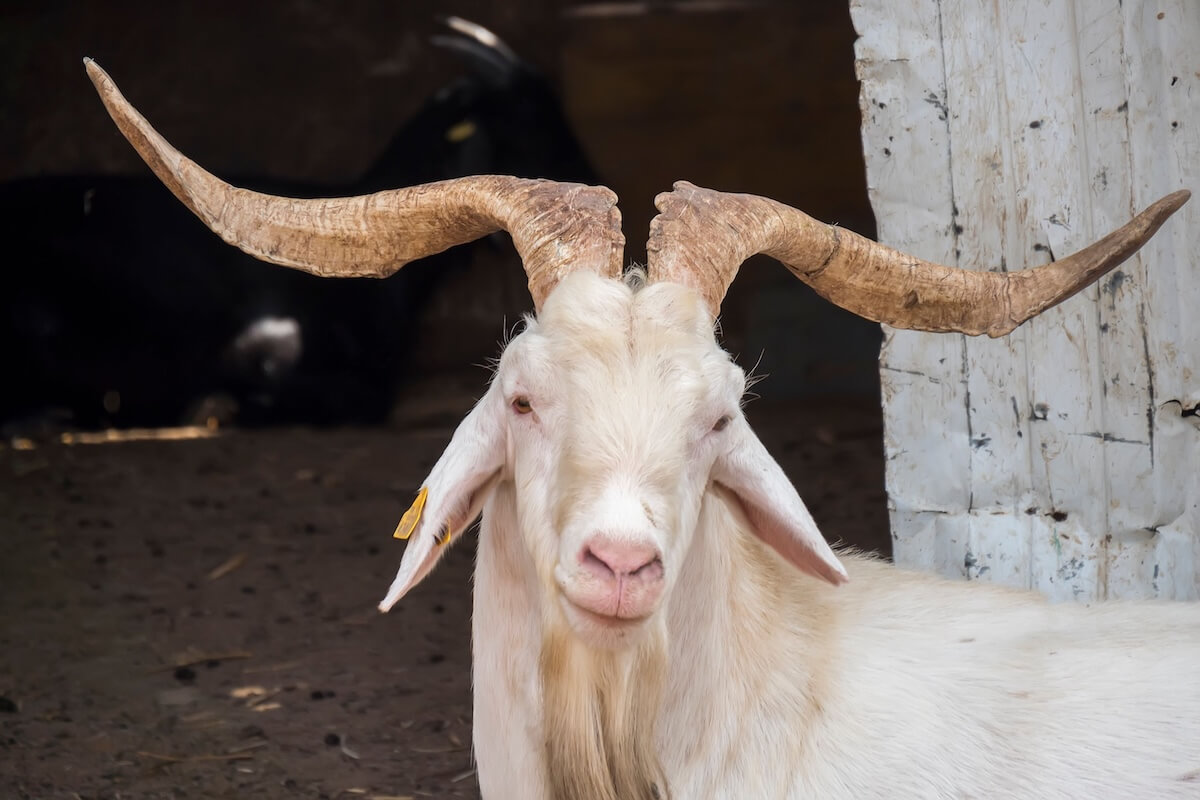
Kiko Goats
Kikos are known for their resilience and low maintenance needs.
- Excellent parasite resistance
- Thrive on pasture
- Lower input costs

Spanish Goats
Spanish goats are highly adaptable and often used in crossbreeding programs.
- Hardy and self-sufficient
- Lower feed requirements
- Strong maternal instincts
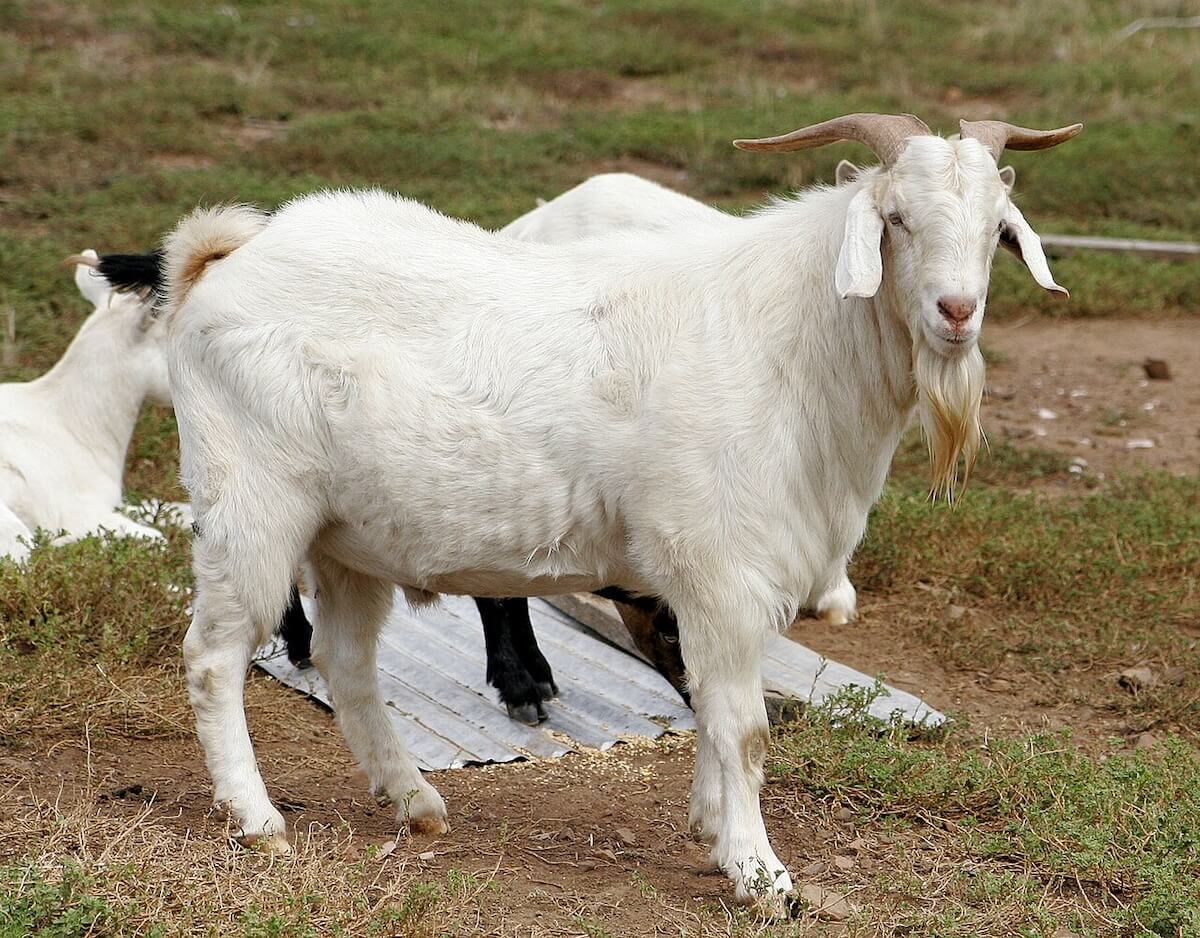
Savanna Goats
Savanna goats combine hardiness with strong meat production traits.
- Heat tolerant
- Good carcass quality
- Increasing popularity in U.S. herds
What Is the Best Goat for Meat?
There’s no one-size-fits-all answer—but there is a practical answer. It depends on your operation.
If you’re just getting started: Boer or Kiko are your safest bets
If you want low input / minimal management: Kiko or Spanish goats
If you want maximum production speed: Boer goats
The “best” goat is the one that fits your:
- climate
- land
- feed availability
- management style
How to Start a Goat Meat Farm
Starting a goat meat operation doesn’t require massive infrastructure—but it does require planning.
Land & Housing Requirements
- Secure fencing (goats are escape artists)
- Shelter for weather protection
- Rotational grazing setup (optional but valuable)
Feeding Meat Goats
- Pasture-based systems are most cost-effective
- Supplemental hay or grain may be needed
- Mineral access is essential
Breeding & Kidding Cycles
- Gestation: ~150 days
- Often produce twins
- 2–3 kiddings every 2 years
Health & Management Basics
- Parasite control is critical
- Routine vaccinations
- Hoof trimming
Cost of Raising Meat Goats
Understanding your costs is what separates a hobby from a business.
Initial Setup Costs
- Goats: $150–$500+ each
- Fencing: varies widely
- Shelter: basic to moderate
Ongoing Costs
- Feed
- Veterinary care
- Minerals
- Labor
Estimated Cost Breakdown
Read more about the price of goats.
Goat Meat Pricing (Per Pound)
Goat meat pricing can vary significantly depending on how it’s sold.
Average U.S. Pricing
- Whole animal (live weight): lower price per lb
- Processed cuts: $8–$20+ per lb
- Direct-to-consumer: highest margins
Is Raising Meat Goats Profitable?
This is the question everyone actually cares about—and the honest answer is that it can be, but only if the operation is managed well.
Profitability in meat goats comes down to how efficiently you raise and sell your animals. Revenue per goat varies depending on breed, growth rate, and overall management, but one of the biggest levers is how you sell. Farmers who sell directly to consumers often capture significantly higher prices compared to those selling through intermediaries.
Margins can vary widely. Smaller farms may see modest returns at first, but those returns can scale over time as systems improve and herd quality increases. Well-run operations that optimize breeding, feeding, and sales channels can achieve strong, consistent profitability.
Where many farms struggle is in the details. Poor breeding tracking can lead to missed opportunities and inconsistent production cycles. Feed inefficiency quietly eats into margins over time, and unmanaged health issues can quickly become costly. Even timing matters—selling animals at the wrong stage or missing peak demand windows can significantly impact revenue.
Most of the difference between a profitable farm and a struggling one comes down to how well these moving pieces are tracked and managed. FarmKeep helps you track breeding, growth, expenses, and profit per animal—so you know what’s actually working.
Where to Sell Goat Meat
Raising meat goats is only half the equation—knowing where and how to sell them is just as important.
Many small farms start with direct-to-consumer sales, which often provide the highest margins. This can include farmers markets, local buyers, or on-farm sales, where customers are looking for fresh, locally raised meat. These channels take more effort but offer greater control over pricing and customer relationships.
Ethnic and specialty markets represent another major opportunity. Demand for goat meat is especially strong around cultural and religious holidays, and buyers in these markets are often willing to pay premium prices for quality animals. Understanding these demand cycles can make a significant difference in profitability.
Restaurants and butchers offer a different kind of advantage. While margins may be lower compared to direct sales, they provide more consistent demand and can help stabilize income over time. For many farms, a mix of direct sales and wholesale relationships creates the most balanced approach.
Common Mistakes Raising Meat Goats
Even experienced farmers run into challenges when raising meat goats. One of the most common issues is underestimating fencing—goats are notorious escape artists, and weak infrastructure can quickly turn into a constant headache.
Parasite management is another critical area that’s often overlooked. Without a proactive approach, parasites can spread quickly and impact the health and growth of the entire herd. Many farms also struggle simply because they aren’t tracking performance closely enough, making it difficult to identify what’s working and what isn’t.
Finally, choosing the wrong breed for your land and management style can create ongoing challenges. A breed that performs well in one environment may struggle in another, and mismatches like this can limit both productivity and profitability over time.

Manage Your Meat Goat Operation with FarmKeep
As your herd grows, keeping track of everything—breeding, health, costs, and sales—can get messy fast. That’s where FarmKeep helps turn your operation into something more organized and data-driven.
With FarmKeep, you can:
- Track breeding and kidding schedules
- Log health records and treatments
- Monitor weight and growth over time
- Record expenses and revenue
- See profit per animal or group
Instead of guessing what’s working, you can actually see it—and make better decisions as your farm scales.
Final Thoughts
Meat goats occupy a unique position in agriculture today. They offer a relatively low barrier to entry, a fast reproduction cycle, and access to a growing, often underserved market. In the United States especially, demand for goat meat continues to outpace local supply, creating real opportunities for farmers who are willing to approach it thoughtfully.
But while getting started with meat goats can be straightforward, building a profitable operation is a different challenge. The farms that succeed over time are the ones that move beyond intuition and start paying attention to the details—tracking breeding performance, understanding costs, improving feed efficiency, and selling strategically into the right markets.
In other words, success with meat goats isn’t just about raising animals. It’s about running a system. And the more clearly you can see what’s happening inside that system, the better your decisions—and results—will be.
FAQ
What’s the difference between meat goats and dairy goats?
Meat goats are bred for muscle and growth efficiency, while dairy goats are selected for milk production. Their body structure, feed needs, and management priorities are different.
How big do meat goats get?
Mature size depends on breed, but most meat goats reach between 100–300 pounds. Boer goats, for example, tend to be on the larger end, while other breeds may stay smaller but remain efficient producers.
How fast do meat goats grow?
Growth rates vary, but many meat goats can reach market size within several months under good nutrition and management. Genetics and feeding strategy play a big role in how quickly they develop.
Do meat goats require a lot of maintenance?
They’re generally considered lower-maintenance than many livestock species, but they still require consistent care. Regular feeding, parasite management, and secure fencing are essential for keeping a healthy herd.
Can meat goats be raised on pasture alone?
In many cases, yes—especially in areas with good forage. However, supplemental feeding may be needed depending on pasture quality, season, and production goals.
Are meat goats good for small farms or homesteads?
Yes, they’re a popular choice for smaller operations because they require less space than cattle and can adapt well to different environments.
What kind of fencing do meat goats need?
Goats are known for testing boundaries, so strong, well-maintained fencing is critical. Woven wire or electric fencing is commonly used to keep them contained and protected.
How often do meat goats reproduce?
Many does can produce kids regularly, often giving birth to multiple offspring per cycle. This makes herd expansion relatively fast compared to larger livestock.
What affects the quality of goat meat?
Factors like age, diet, breed, and overall health all influence meat quality. Younger animals typically produce more tender meat, while proper nutrition improves flavor and consistency.
Is there a strong market for goat meat in the U.S.?
Yes, demand continues to grow, especially in areas with diverse populations and strong cultural food traditions. In many regions, local supply still hasn’t caught up with demand.
Do you need special equipment to raise meat goats?
Not necessarily. Many operations start with basic infrastructure like fencing, shelter, and feeding systems, then expand as the herd grows.
Can you raise meat goats alongside other livestock?
Yes, goats are often raised alongside cattle, sheep, or poultry. In some cases, they can even complement other species by helping manage vegetation.
What are common challenges with meat goats?
Parasites, fencing issues, and inconsistent management are some of the most common challenges. Staying proactive in these areas can prevent bigger problems down the line.
Is goat farming seasonal or year-round?
It can be both. While breeding and demand may follow seasonal patterns, many farms operate year-round depending on their setup and market strategy.
How do you improve efficiency in a meat goat operation?
Efficiency comes from good breeding practices, proper nutrition, and consistent tracking of performance. Small improvements across these areas can significantly impact long-term results.