Goose Care Guide: Everything You Need to Know
Geese are among the oldest domesticated livestock in the world and remain one of the most rewarding animals to raise on a farm or homestead. They are intelligent, long-lived birds that serve many purposes, including egg production, meat, pasture management, breeding, and even property security. Compared to many other types of poultry, geese are remarkably hardy and capable of thriving in a wide range of climates when their basic needs are met.
Unlike chickens, geese rely heavily on pasture and spend much of their day grazing. They also have unique social behaviors, require constant access to clean water, and form strong bonds with other geese. Understanding these differences is the key to providing proper care.
Whether you’re bringing home your first pair of goslings or expanding an established breeding flock, this guide will walk you through the essentials of raising healthy, happy geese.

Goose Care at a Glance
Understanding Goose Behavior
One of the biggest mistakes new owners make is expecting geese to behave like chickens. While both are poultry, geese have very different instincts and social structures.
Geese are highly intelligent, social birds that naturally live in flocks. They communicate constantly through vocalizations, body language, and subtle interactions with one another. Many quickly learn daily routines, recognize familiar people, and remember both positive and negative experiences.
Because they are flock animals, geese generally do not do well in isolation. A single goose may become stressed, vocal, or overly dependent on people. Whenever possible, geese should be kept in pairs or small groups so they can express their natural social behaviors.
Healthy geese spend much of the day:
- Grazing
- Exploring pasture
- Bathing and preening
- Resting together
- Communicating with flock mates
- Watching their surroundings
Understanding these natural behaviors makes it easier to design an environment that keeps geese healthy and reduces stress.
Why Do Geese Honk?
Geese are naturally vocal birds, but honking isn’t random.
They commonly vocalize to:
- Alert the flock to unfamiliar activity
- Communicate while grazing
- Locate separated flock members
- Defend territory during breeding season
- Greet familiar people
Some breeds, such as Chinese Geese, are considerably more vocal than others, while breeds like Pilgrim or Embden geese tend to be quieter.
Why Do Geese Hiss?
Hissing is a defensive behavior.
A goose may hiss when it:
- Feels threatened
- Is protecting a nest
- Is guarding goslings
- Wants more personal space
In most cases, hissing is simply a warning rather than an indication that the goose intends to attack.
Daily Needs of Healthy Geese
Every healthy flock depends on a few basic requirements being met consistently.
Every day, geese need:
- Fresh drinking water
- Access to quality pasture or forage
- Balanced supplemental feed when needed
- Clean shelter
- Safe outdoor space
- Social interaction with other geese
- Protection from predators
Meeting these simple needs consistently prevents many common health and behavioral problems before they begin.
Housing Requirements
One of the reasons geese are relatively easy to raise is that they don’t require elaborate housing. Unlike chickens, geese spend most of their day outdoors grazing, exploring, and socializing. Their shelter serves primarily as a safe place to sleep, escape severe weather, lay eggs during breeding season, and protect them from predators overnight.
The ideal goose shelter is dry, well-ventilated, easy to clean, and large enough for every bird to move comfortably without overcrowding.
Whether you’re keeping two backyard geese or a larger breeding flock, investing in proper housing pays dividends through healthier birds, cleaner eggs, and lower stress.
How Much Space Do Geese Need?
One of the most common questions new goose owners ask is how much room their birds need.
While geese appreciate as much pasture as possible, they don’t require enormous indoor shelters because they naturally spend most of their time outside.
As a general guideline:
- Indoor shelter: 6–8 square feet per adult goose
- Outdoor run (minimum): 25–50 square feet per goose
- Pasture (recommended): 100–250+ square feet per goose
More space almost always results in healthier birds, cleaner living conditions, and less competition within the flock.
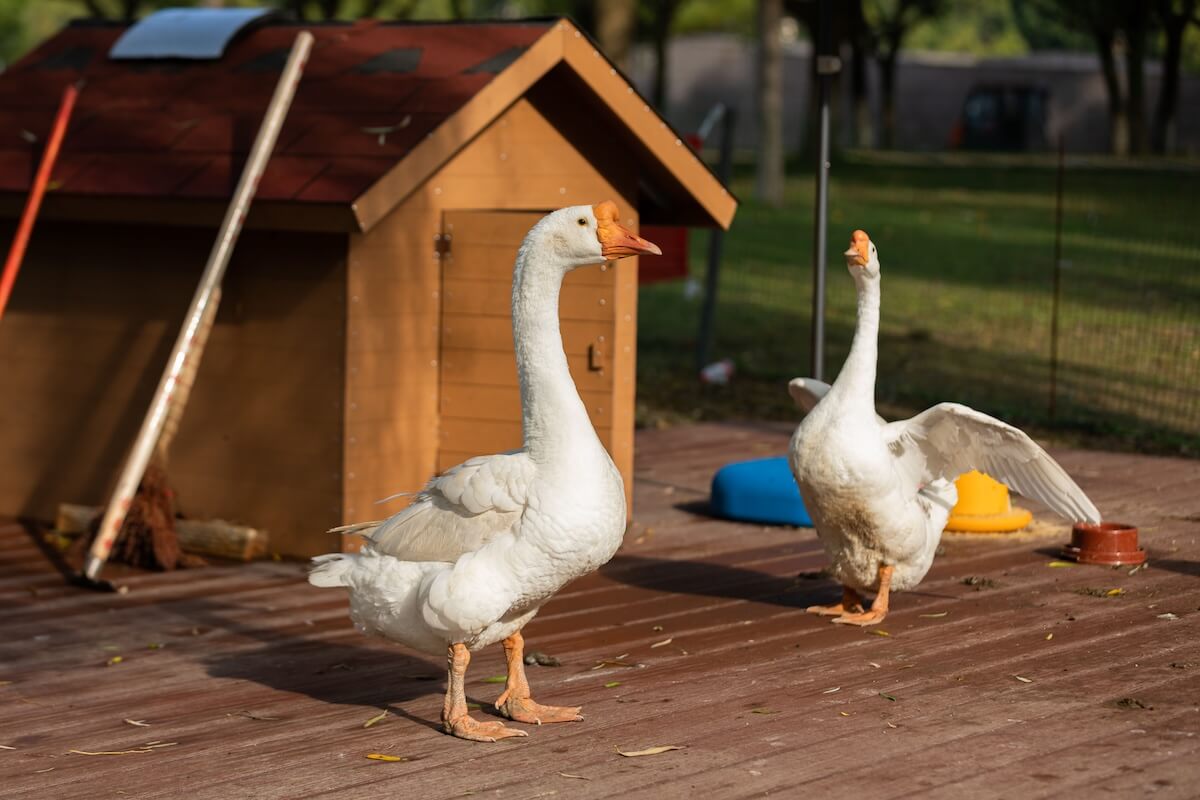
What Makes a Good Goose Shelter?
A goose shelter doesn’t need electricity or expensive equipment, but it should provide a few essential features.
An ideal shelter should include:
- A dry floor
- Good natural ventilation
- Protection from rain and wind
- Secure predator-proof construction
- Easy access for cleaning
- Wide doors that allow geese to enter comfortably
Many goose owners successfully use:
- Small livestock sheds
- Pole barns
- Three-sided loafing sheds
- Converted garden sheds
- Purpose-built waterfowl houses
Unlike chickens, geese don’t roost. They sleep directly on the floor, making open floor space far more important than elevated perches.
Bedding
Clean, dry bedding helps insulate geese from cold ground, absorbs moisture, and keeps eggs cleaner during the breeding season.
Common bedding options include:
- Straw
- Pine shavings
- Chopped hay
- Hemp bedding
Regardless of the material you choose, bedding should remain dry. Wet bedding can encourage bacteria, parasites, and respiratory problems while also attracting flies during warmer months.
Adding fresh bedding regularly is often easier than removing all bedding every few days. Many goose keepers use a deep-litter system during winter before cleaning out the shelter completely in spring.
Ventilation
Good airflow is one of the most overlooked aspects of goose housing.
Fresh air removes excess moisture and ammonia while helping reduce respiratory problems.
A well-designed shelter should allow warm, humid air to escape without creating direct drafts where geese sleep.
Signs of poor ventilation include:
- Damp bedding
- Condensation on walls
- Strong ammonia odors
- Mold growth
- Persistent respiratory issues
In most climates, dry air is healthier than warm air. A well-ventilated shelter with dry bedding is usually preferable to a tightly sealed building that traps moisture.
Do Geese Need Nest Boxes?
Unlike chickens, geese generally do not require traditional nesting boxes.
Most females prefer building nests directly on the ground in quiet, sheltered corners.
During breeding season, provide:
- Deep, clean straw
- Private nesting areas
- Minimal disturbance
- Easy access to food and water nearby
Some breeders create low partitions between nesting areas to give individual geese a greater sense of security, especially in larger breeding flocks.
Predator-Proof Housing
For most goose owners, predators pose a greater risk than weather.
Even large geese can fall victim to predators if left unsecured overnight.
Common predators include:
- Coyotes
- Foxes
- Domestic dogs
- Raccoons
- Bobcats
- Weasels (for goslings)
A secure shelter should have:
- Solid walls
- Predator-resistant doors
- Heavy-duty latches
- Hardware cloth over vents and windows
- No gaps large enough for predators to enter
Closing geese into a secure shelter each evening is one of the simplest and most effective ways to reduce predator losses.
Shade and Weather Protection
Although geese tolerate cold weather exceptionally well, they appreciate protection from both intense summer heat and severe winter storms.
Provide access to:
- Natural tree shade
- Shade cloths
- Roofed loafing areas
- Windbreaks during winter
During hot weather, shade combined with plenty of fresh drinking water helps geese regulate body temperature and remain active throughout the day.
Common Housing Mistakes
Many new goose owners unintentionally create housing problems by adapting chicken coops without considering how differently geese behave.
Common mistakes include:
- Building shelters that are too small
- Using roosts instead of open floor space
- Poor ventilation
- Allowing bedding to remain wet
- Forgetting predator-proof locks
- Providing too little outdoor grazing area
Fortunately, most of these issues are easy to correct once identified.
Pasture Requirements
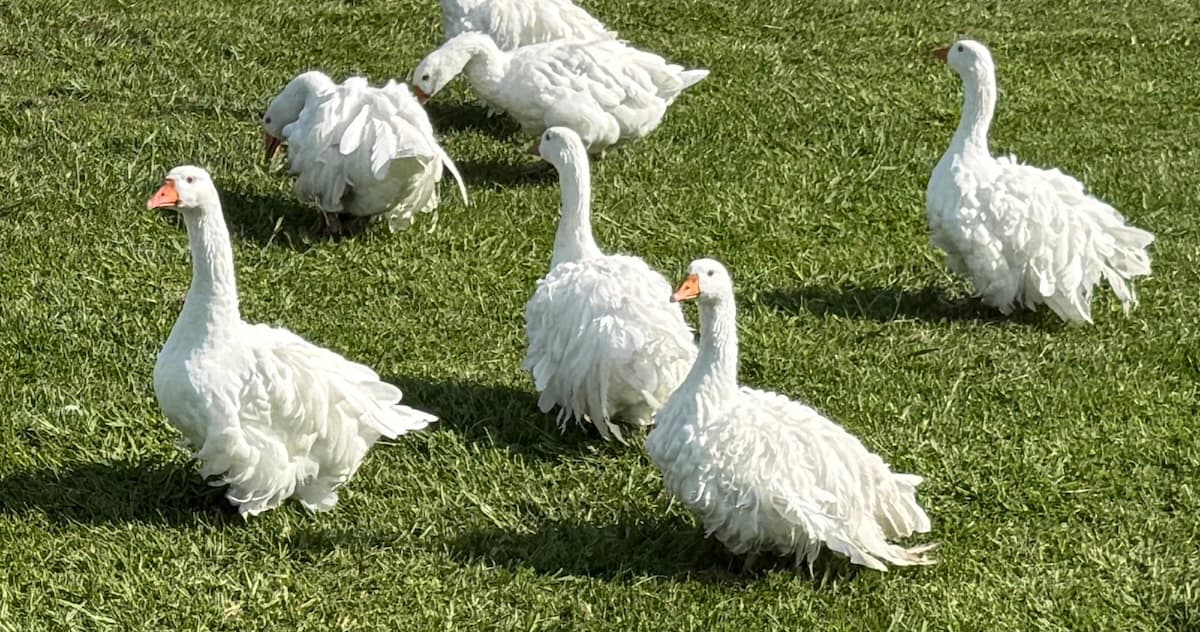
One of the greatest advantages of raising geese is their ability to harvest much of their own food from pasture. Unlike chickens, which rely primarily on formulated feed, geese are natural grazers that spend the majority of their day eating grasses and other vegetation.
A healthy pasture not only reduces feed costs but also encourages natural behaviors, provides daily exercise, and helps maintain a healthier flock.
For many goose owners, investing in good pasture management has a greater impact on flock health than purchasing expensive equipment.
Why Pasture Is So Important
Grass is the foundation of a goose’s natural diet.
When quality forage is available, geese spend hours grazing throughout the day, consuming tender grasses, clover, and other suitable plants.
The benefits of pasture include:
- Lower feed costs
- Healthier digestive systems
- Natural exercise
- Reduced boredom
- Cleaner birds
- Improved overall body condition
Young goslings can also benefit from supervised access to pasture once they are old enough, although they should always have access to an appropriate starter feed during their early growth.
Best Grasses for Geese
Geese prefer short, tender grasses that are easy to graze.
Some of the best pasture grasses include:
- Orchard grass
- Perennial ryegrass
- Kentucky bluegrass
- Timothy grass
- Meadow fescue
- Bermuda grass (warm climates)
- Mixed pasture grasses
Many goose owners also include small amounts of legumes such as white clover, although these should not dominate the pasture.
Young, actively growing grass is generally more nutritious than mature, coarse grass.
Plants Geese Enjoy
In addition to grass, geese often browse a variety of other plants.
Common favorites include:
- Dandelion
- Plantain
- Chickweed
- Purslane
- Clover
- Young lettuce
- Kale
- Swiss chard
Every flock develops its own preferences, and geese often sample different plants as they forage throughout the day.
Toxic Plants to Avoid
While geese are selective grazers, it’s still important to inspect pasture for potentially toxic plants.
Some plants that may pose a risk include:
- Oleander
- Foxglove
- Yew
- Rhododendron
- Azalea
- Lily of the Valley
Before allowing geese to graze a new area, walk the pasture and remove any known toxic ornamental plants.
Rotational Grazing
One of the best ways to maintain healthy pasture is through rotational grazing.
Rather than leaving geese in one area continuously, rotate them between multiple paddocks to allow grass time to recover.
Benefits of rotational grazing include:
- Healthier grass growth
- Better forage quality
- Reduced mud
- Lower parasite pressure
- More even manure distribution
- Longer pasture life
Even dividing a backyard into two or three grazing sections can noticeably improve pasture health over the course of a season.
How Much Pasture Do Geese Need?
There is no single answer because forage quality varies dramatically depending on climate, rainfall, and management.
As a general recommendation:
More pasture generally means healthier birds and less supplemental feed.
Do Geese Need Supplemental Feed?
Yes.
Even excellent pasture rarely supplies everything geese need year-round.
Supplemental feed is especially important:
- During winter
- During drought
- While raising goslings
- During breeding season
- When pasture growth slows
A balanced waterfowl or poultry feed helps ensure geese receive adequate protein, vitamins, and minerals throughout the year.
Read the complete Goose Feeding Guide.
Shade Is Just as Important as Grass
Healthy pasture should include shaded areas where geese can rest during the hottest parts of the day.
Ideal shade sources include:
- Mature trees
- Portable shade structures
- Shade cloth
- Open-sided loafing sheds
During summer, geese naturally alternate between grazing and resting in the shade, particularly during the afternoon.
Providing shade reduces heat stress and encourages birds to remain active throughout the day.
Managing Mud
Because geese spend so much time around water, muddy areas can develop quickly if not managed.
To reduce mud:
- Move water containers periodically.
- Rotate grazing areas.
- Improve drainage around high-traffic locations.
- Add gravel or coarse sand around water stations.
- Avoid placing feeders directly beside water.
Keeping pasture dry benefits both the birds and the longevity of the grazing area.
Pasture Maintenance Tips
Maintaining productive pasture is an ongoing process rather than a one-time task.
Good pasture management includes:
- Mowing overly mature grass.
- Reseeding bare patches.
- Controlling invasive weeds.
- Rotating grazing areas.
- Monitoring forage growth.
- Preventing overgrazing.
Healthy pasture benefits every aspect of goose care, from nutrition and exercise to overall flock health.
Water Requirements
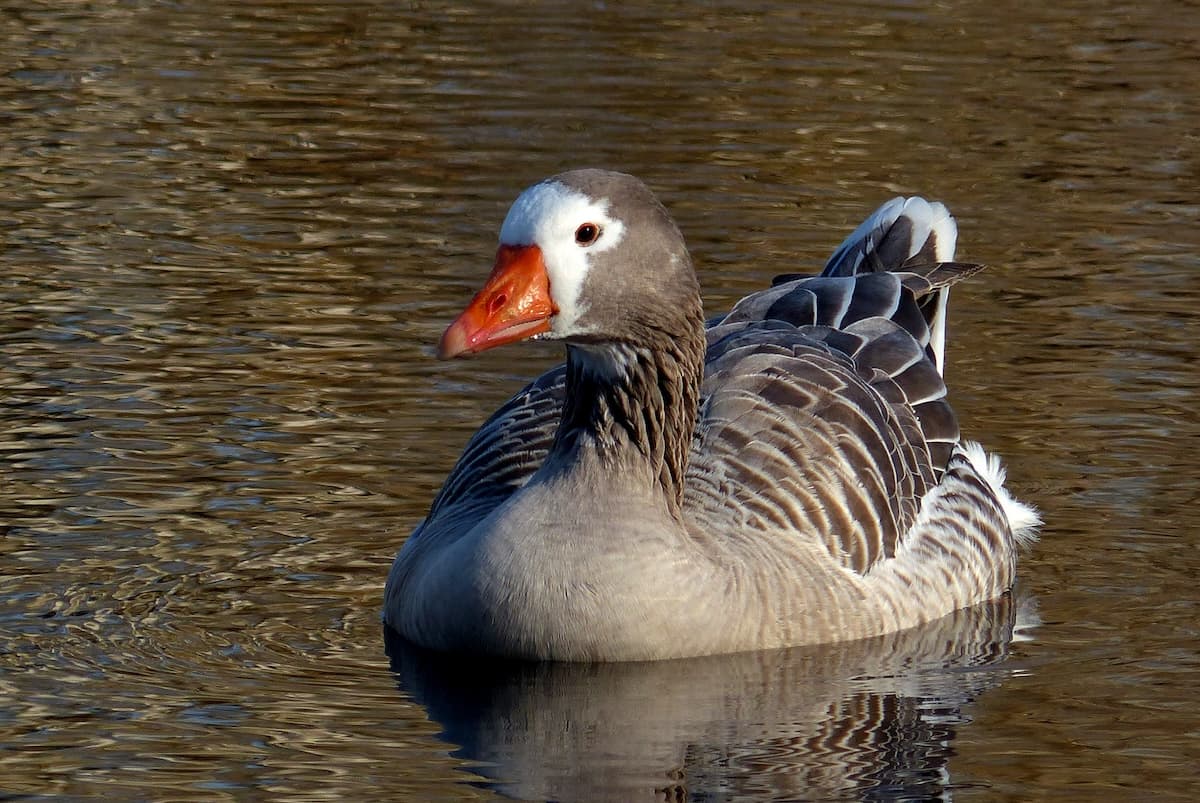
Water is one of the most important parts of proper goose care. While geese are often associated with ponds and lakes, many new owners are surprised to learn that a pond is not required to raise healthy geese. What geese truly need is constant access to fresh, clean drinking water and enough depth to clean their bills and nostrils.
Water plays a role in nearly every aspect of a goose’s daily life. They use it to eat, groom, regulate body temperature, maintain healthy feathers, and communicate naturally with the rest of the flock.
Providing clean water consistently is one of the simplest ways to improve your flock’s overall health.
Do Geese Need a Pond?
One of the most common questions prospective goose owners ask is whether they need a pond.
The answer is no.
Domestic geese can live healthy, productive lives without a pond as long as they have:
- Unlimited access to fresh drinking water
- Water deep enough to fully submerge their bills
- Opportunities to bathe periodically
Many successful backyard flocks are raised without permanent ponds.
That said, geese genuinely enjoy swimming, and providing a safe place to bathe whenever possible helps encourage natural behaviors and keeps feathers in excellent condition.
Why Water Is So Important
Geese rely on water for much more than drinking.
Healthy geese use water to:
- Drink throughout the day
- Wash food while eating
- Clear dust and debris from their nostrils
- Keep their eyes clean
- Bathe
- Preen their feathers
- Stay cool during hot weather
Unlike chickens, geese regularly dunk their entire bill into the water. This behavior is essential for maintaining healthy nasal passages and should never be restricted.
Choosing the Right Water Source
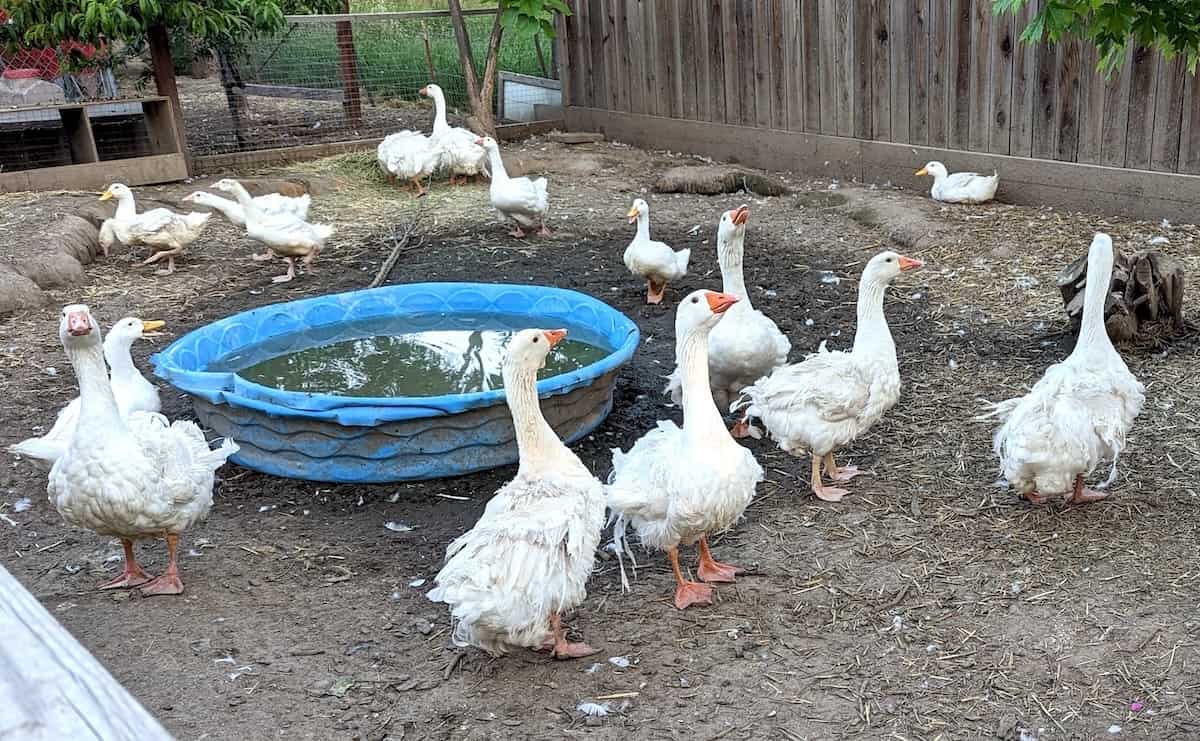
There are many ways to provide water for geese, and the best option depends on your flock size and property.
Popular choices include:
- Livestock stock tanks
- Heavy-duty rubber tubs
- Kiddie pools
- Small artificial ponds
- Automatic livestock waterers
Regardless of the container you choose, it should be:
- Easy to clean
- Stable and difficult to tip over
- Large enough for multiple birds
- Deep enough for geese to submerge their bills
For larger flocks, having multiple water stations helps reduce crowding.
Water Depth Recommendations
Different water sources serve different purposes.
The ability to completely submerge their bill is far more important than having a place to swim.
Keeping Water Clean
Because geese constantly wash their bills and splash while bathing, water becomes dirty much faster than many new owners expect.
Dirty water can contribute to poor feather condition and increase the risk of disease.
To maintain clean water:
- Replace drinking water daily.
- Empty and scrub tubs regularly.
- Remove algae buildup.
- Position water away from muddy areas when possible.
- Use multiple containers for larger flocks.
Moving portable tubs occasionally also helps prevent excessive mud from developing around watering areas.
Water During Hot Weather
Water becomes even more important during summer.
Geese naturally use bathing and preening to regulate body temperature and remain comfortable during hot afternoons.
During periods of extreme heat:
- Refill water more frequently.
- Keep containers in shaded areas whenever possible.
- Provide additional bathing opportunities.
- Check water several times throughout the day.
A goose that can drink and bathe freely is far better equipped to handle summer temperatures.
Winter Water Management
Cold weather presents different challenges.
Even though geese tolerate freezing temperatures well, they still require access to unfrozen drinking water every day.
Winter tips include:
- Break ice several times daily.
- Use heated livestock waterers where appropriate.
- Refill with warm (not hot) water.
- Keep water containers on well-drained surfaces to reduce ice buildup.
Many goose owners find that managing water is the most time-consuming part of winter care.
Should Geese Swim Every Day?
Swimming is beneficial but not essential.
Geese can remain healthy without daily swimming as long as they have:
- Fresh drinking water
- The ability to clean their bills
- Occasional opportunities to bathe
If you have the space for a pond or pool, your geese will almost certainly use it. If you don’t, you can still successfully raise a healthy flock with properly maintained water tubs.
Common Water Mistakes
Many first-time goose owners unintentionally create problems by underestimating how important clean water is.
Common mistakes include:
- Using water containers that are too shallow
- Allowing drinking water to become dirty
- Placing water directly beside feeders
- Forgetting to clean algae from tubs
- Allowing mud to build up around water stations
- Assuming a pond eliminates the need for fresh drinking water
Even if geese have access to a natural pond, they should still have a separate source of clean drinking water available.

What Do Geese Eat?
Proper nutrition is one of the foundations of raising healthy geese. While geese are exceptional grazers and can obtain a significant portion of their diet from pasture, they still require a balanced feeding program that changes with age, season, and production goals.
Unlike chickens, geese are built to digest large amounts of grass and other vegetation. On farms with abundant pasture, healthy adult geese may spend most of the day grazing and consume surprisingly little supplemental feed. During winter, drought, breeding season, or periods of poor pasture growth, however, additional feed becomes essential to maintain body condition and overall health.
The goal is to provide a diet that complements natural grazing rather than replaces it.
The Goose Diet
A healthy goose diet typically consists of four components:
- Fresh pasture and forage
- Balanced waterfowl or poultry feed
- Fresh, clean drinking water
- Occasional healthy treats
The exact balance depends on the bird’s age, activity level, and the availability of quality pasture throughout the year.
Pasture Is Their Primary Food
Healthy pasture should make up the majority of an adult goose’s diet whenever possible.
Geese naturally graze throughout the day, preferring tender grasses over coarse vegetation.
Benefits of pasture include:
- Lower feed costs
- Natural vitamins and minerals
- Daily exercise
- Better digestive health
- Reduced boredom
- Healthier body condition
Pasture quality directly affects how much supplemental feed your flock will require.
Supplemental Feed
Even with excellent pasture, geese still benefit from a balanced commercial feed during certain times of the year.
Supplemental feed is especially important:
- During winter
- During drought
- For growing goslings
- During breeding season
- When pasture quality declines
Many goose owners successfully feed a quality waterfowl feed or all-flock feed, depending on what’s available locally.
Choose a feed appropriate for the bird’s life stage, and avoid sudden diet changes whenever possible.
Feeding Goslings
Young goslings have very different nutritional needs than adult birds.
During their first several weeks of life they should receive:
- High-quality starter feed formulated for waterfowl or appropriate poultry
- Fresh greens introduced gradually
- Unlimited clean drinking water
- Safe access to pasture as they grow
Because goslings grow rapidly, proper nutrition during the first few months has a lasting impact on skeletal development and overall health.
Healthy Treats
Treats should complement a balanced diet, not replace it.
Geese often enjoy:
- Romaine lettuce
- Kale
- Swiss chard
- Cucumber
- Zucchini
- Peas
- Watermelon (in moderation)
- Pumpkin
- Dandelion greens
Offering a variety of fresh vegetables can provide enrichment while encouraging natural foraging behavior.
Foods to Avoid
Not every food that’s safe for people is appropriate for geese.
Avoid feeding:
- Moldy feed
- Rotten fruits or vegetables
- Salty foods
- Sugary snacks
- Processed human foods
- Chocolate
- Avocado
Fresh, high-quality feed is always preferable to leftovers or spoiled produce.
Feeding Throughout the Seasons
A goose’s nutritional needs change over the course of the year.
How Often Should You Feed Geese?
Geese naturally eat throughout the day rather than consuming one or two large meals.
On farms with abundant pasture, many owners simply provide:
- Continuous access to pasture
- Fresh drinking water
- Supplemental feed once or twice daily
If pasture is limited, geese will rely more heavily on formulated feed to meet their nutritional needs.
Monitoring Body Condition
Rather than feeding a fixed amount every day, it’s helpful to regularly evaluate the condition of your birds.
Healthy geese should appear:
- Well-muscled
- Active
- Alert
- Neither overly thin nor overweight
Breeding birds that become overweight may experience reduced fertility, while birds that are too thin may produce fewer eggs or struggle during cold weather.
Adjusting feed based on pasture conditions and body condition is generally more effective than following a rigid feeding schedule year-round.
Daily Goose Care Checklist
While geese are relatively low-maintenance livestock, consistency is the key to keeping them healthy. A quick daily routine helps you spot health problems early, keeps housing clean, and ensures your flock has everything it needs to thrive.
Most daily care tasks take only a few minutes, especially once they become part of your routine.
Morning Routine
The morning is the best time to observe your flock before they begin grazing.
Each morning:
- Refill fresh drinking water
- Check feed levels
- Open shelters (if housed overnight)
- Observe each goose for signs of illness or injury
- Collect eggs during breeding season
- Inspect fences and gates for damage
Healthy geese should be alert, active, and eager to head out to pasture.
Throughout the Day
Once geese are on pasture, they require relatively little hands-on attention.
During the day:
- Monitor water levels, especially during hot weather
- Watch for signs of predator activity
- Check that birds are grazing normally
- Make sure shaded areas remain available
- Observe interactions within the flock
Simple daily observations often reveal subtle changes in health before they become serious problems.
Evening Routine
Evening is the ideal time to prepare the flock for the night.
Tasks include:
- Count the flock
- Secure geese inside predator-proof housing
- Refresh water if needed
- Remove spoiled feed
- Perform a quick visual health check
- Close and latch all shelter doors
Many predators are most active after dark, making a secure nighttime routine one of the best investments you can make in your flock.
Weekly Goose Care
In addition to daily care, set aside time each week for routine maintenance.
Weekly tasks include:
- Replace or top off bedding
- Scrub water tubs and pools
- Clean feeders
- Inspect fencing
- Walk the pasture for hazards
- Remove toxic plants if present
- Check shelters for leaks or damage
Small maintenance tasks performed regularly help prevent much larger problems later.
Monthly Goose Care
A monthly inspection helps ensure your flock and facilities remain in excellent condition.
Monthly tasks:
- Evaluate body condition
- Review breeding records (if applicable)
- Inspect housing for repairs
- Rotate pasture if possible
- Deep clean water containers
- Review parasite management practices
- Restock feed and supplies
Keeping a written maintenance schedule makes it easier to stay organized throughout the year.
Daily Goose Care Checklist
Seasonal Goose Care
A goose’s needs change throughout the year. Understanding these seasonal changes helps keep your flock healthy and productive.
Spring
Spring is the busiest season for most goose owners.
Focus on:
- Preparing nesting areas
- Transitioning breeding birds to breeder feed
- Collecting eggs regularly
- Monitoring breeding pairs
- Preparing incubators
- Watching for broody geese
Summer
Hot weather shifts the focus toward hydration and heat management.
Priorities include:
- Providing abundant fresh water
- Maintaining shaded grazing areas
- Cleaning water containers more frequently
- Monitoring for heat stress
- Rotating pasture to prevent overgrazing
Fall
Fall is a time to prepare both your flock and your property for winter.
Tasks include:
- Repair shelters
- Refresh bedding
- Inspect fencing
- Evaluate breeding stock
- Reseed damaged pasture if appropriate
- Stock up on winter feed
Winter
Despite their thick feathers, geese still benefit from thoughtful winter management.
Winter priorities include:
- Keeping bedding dry
- Preventing drinking water from freezing
- Blocking strong winds while maintaining ventilation
- Monitoring body condition
- Providing supplemental feed when pasture is dormant
Healthy geese tolerate cold temperatures remarkably well when they remain dry, well-fed, and protected from harsh winds.
Goose Health Care
Healthy geese are remarkably hardy birds, but like all livestock, they benefit from regular observation and preventative care. Most health problems develop gradually, and owners who spend a few minutes watching their flock each day are often the first to notice subtle changes in behavior or appearance.
Good nutrition, clean water, dry housing, and quality pasture prevent many common health issues before they ever become serious.
The goal isn’t simply treating illness—it’s creating an environment where geese stay healthy throughout their lives.
Signs of a Healthy Goose
A healthy goose should be:
- Alert and active
- Bright-eyed
- Walking normally
- Eating and grazing regularly
- Preening throughout the day
- Maintaining smooth, clean feathers
- Breathing quietly without wheezing
- Producing normal droppings
Every flock has its own personalities, so becoming familiar with your birds’ normal behavior makes it much easier to notice when something changes.
Signs a Goose May Be Sick
Geese often hide illness until they become quite sick, making early detection especially important.
Watch for signs such as:
- Loss of appetite
- Lethargy
- Limping
- Difficulty standing
- Swollen joints
- Labored breathing
- Nasal discharge
- Dirty or ruffled feathers
- Head tucked under the wing for extended periods
- Changes in droppings
If one bird begins acting differently than the rest of the flock, it deserves closer observation.
Common Goose Health Problems
While geese are generally hardy, owners should be familiar with a few common health concerns.
These may include:
- External parasites
- Internal parasites
- Bumblefoot
- Respiratory infections
- Egg binding
- Heat stress
- Frostbite in extreme climates
- Nutritional deficiencies
- Injuries from predators or flock mates
Many of these conditions become much easier to treat when caught early.
Preventative Health Care
The healthiest flocks are usually managed proactively rather than reactively.
Preventative care includes:
- Providing balanced nutrition
- Maintaining clean drinking water
- Keeping bedding dry
- Rotating pasture
- Cleaning feeders and water containers
- Inspecting birds regularly
- Limiting unnecessary stress
- Quarantining new birds before introducing them to the flock
Small management improvements often have a much greater impact than medical treatments.
Foot and Leg Care
Because geese spend most of their lives walking and grazing, healthy feet are essential.
Regularly inspect feet for:
- Cuts
- Swelling
- Abscesses
- Foreign objects
- Overgrown nails
- Signs of infection
Keeping shelters dry and reducing muddy conditions helps prevent many foot problems before they occur.
Feather Condition
A goose’s feathers provide insulation, waterproofing, and protection from the elements.
Healthy feathers should appear:
- Clean
- Smooth
- Well aligned
- Waterproof after bathing
Poor feather quality may indicate:
- Poor nutrition
- Lack of bathing opportunities
- Parasites
- Illness
- Excessive stress
Access to clean water for bathing plays an important role in maintaining healthy plumage.
Parasite Management
Geese can be affected by both internal and external parasites, although good pasture management significantly reduces the risk.
Helpful practices include:
- Rotating grazing areas
- Avoiding overcrowding
- Keeping housing clean
- Monitoring droppings
- Performing routine health checks
If you suspect a parasite problem, consult a veterinarian for diagnosis and treatment recommendations.
When Should You Call a Veterinarian?
Some issues require professional care.
Contact a veterinarian if a goose:
- Stops eating for an extended period
- Has difficulty breathing
- Cannot stand or walk
- Experiences severe injuries
- Shows neurological symptoms
- Appears significantly weaker than the rest of the flock
Prompt treatment often improves outcomes and helps protect the rest of the flock.
Predator Protection
Predator attacks remain one of the leading causes of goose losses, particularly for young birds.
Common predators include:
- Coyotes
- Foxes
- Domestic dogs
- Bobcats
- Raccoons
- Hawks
- Owls
The best defense is prevention.
Protect your flock by:
- Locking geese into secure housing each night
- Using predator-resistant fencing
- Closing gaps beneath gates
- Inspecting fences regularly
- Removing attractants such as spilled feed
- Supervising goslings when practical
While some goose breeds are naturally more alert than others, no goose should be expected to defend itself against determined predators.

Choosing the Right Goose Breed
Not every goose breed is the best fit for every farm.
Some breeds excel at egg production, while others are better suited for meat production, exhibition, or family homesteads.
A few examples include:
Before purchasing geese, consider:
- Your available space
- Climate
- Farm goals
- Noise tolerance
- Desired temperament
- Whether you plan to breed birds
Choosing the right goose breed from the beginning often leads to a more enjoyable experience.
Common Goose Care Mistakes
Even experienced livestock owners occasionally make mistakes when raising geese.
Some of the most common include:
- Keeping a single goose by itself
- Providing too little pasture
- Allowing water containers to become dirty
- Overfeeding grain
- Ignoring predator protection
- Overcrowding shelters
- Forgetting seasonal management changes
- Waiting too long to address health concerns
Fortunately, most of these issues are easy to prevent with consistent daily care and regular observation.

Manage Your Goose Flock with Confidence
Great goose care starts with great record keeping. Tracking health checks, breeding pairs, egg production, hatch dates, pasture rotations, and daily observations helps you spot trends early and make better decisions for your flock.
With FarmKeep, you can create individual profiles for every goose, log health treatments, record breeding and incubation events, organize recurring farm tasks, and access your records from your phone or computer. Whether you’re caring for a pair of backyard geese or managing a growing breeding flock, FarmKeep helps keep your flock organized year-round.
Final Thoughts
Geese are intelligent, adaptable birds that reward good management with years of companionship and productivity. By providing quality pasture, fresh water, balanced nutrition, secure housing, and consistent daily care, you’ll create an environment where your flock can thrive.
Whether your goals include egg production, breeding, pasture management, or simply enjoying these remarkable birds, understanding their natural behaviors and meeting their basic needs will set both you and your geese up for long-term success.
FAQ
Do geese need a pond?
No. Geese do not require a pond to live healthy lives. However, they do need constant access to clean drinking water and enough depth to submerge their bills. Opportunities to bathe are also beneficial for feather health.
Can geese live with chickens?
Yes. Many farms successfully raise geese and chickens together. Separate feeding areas and adequate space help reduce competition and ensure each species receives the nutrition it needs.
How long do geese live?
Most domestic geese live 15–25 years, although lifespan varies by breed, genetics, and overall care.
Are geese good for beginners?
Yes. Many breeds, especially Pilgrim and Embden geese, are excellent choices for first-time goose owners because they are hardy and relatively easy to manage.
Can geese stay outside year-round?
In many climates, yes. Geese are extremely cold hardy but still require a dry, well-ventilated shelter that protects them from severe weather and predators.
How many geese should I start with?
Geese are social animals and should generally be kept in at least pairs. Many first-time owners find that 2–4 geese is an ideal starting flock.