Goose Egg Incubation Process for Healthy Hatchings
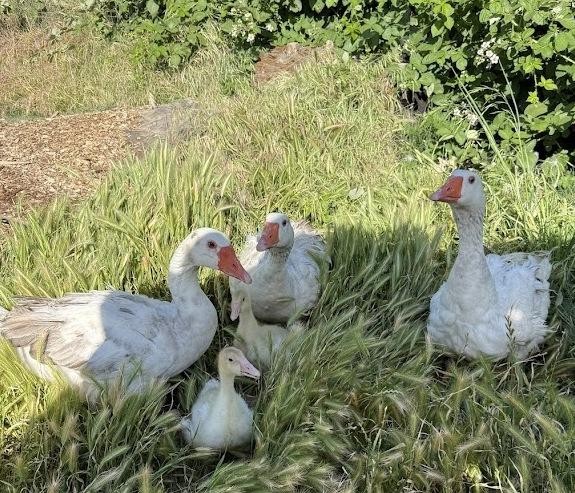
Geese are great farm animals for guarding, meat, and laying large eggs. With goose eggs rising in demand, understanding goose egg incubation is essential for potential farmers. Proper temperature supports steady embryonic growth; correct humidity prevents moisture loss or excess fluid buildup, and regular turning allows the embryo to develop evenly. Selecting high-quality eggs and ensuring adequate oxygen exchange are equally important, as these factors directly influence embryo survival and strength.
When incubation conditions are not properly maintained, embryonic development can suffer, leading to weak goslings or embryo loss. This guide on goose egg incubation is designed to help farmers apply the right methods at every stage, improve hatch rates, and raise healthy goslings with confidence.
Understanding Goose Egg Incubation
Successful goose egg incubation begins with careful handling and preparation of fertile eggs. The primary step is to start with proper egg selection and storage before incubation. Goose eggs must be clean, sound, and handled gently to protect the embryo’s environment inside the shell.
In artificial incubation, maintaining steady temperature and appropriate humidity throughout the process is essential because these factors directly influence embryonic development and hatch rates.
Goose eggs require specific conditions that support oxygen exchange for the growing embryo, and regular turning during incubation prevents the embryo from sticking to the shell membrane and promotes even growth. When these conditions are not met, embryos can develop poorly or fail altogether, leading to weak goslings or no hatch at all.
Ostrich Egg Incubation Process and Tips for Healthy Hatchings
What Makes Goose Eggs Unique
Goose eggs have distinct incubation needs compared with other poultry. Here’s what makes geese eggs unique:
- Goose eggs are significantly larger than chicken eggs, so they require longer incubation periods and more precise control of conditions.
- The thicker shell slows moisture loss, making humidity management more critical throughout incubation.
- Embryos have higher oxygen needs as they grow, so good ventilation is essential, especially in later stages.
- Regular egg turning is vital to support proper embryo positioning and even development due to the egg’s size.
- Goose eggs benefit from periodic cooling during incubation, which reflects natural nesting behavior.
- Improper temperature or humidity can quickly lead to poor embryonic development or weak goslings.
- Small changes in incubation conditions have a greater impact compared to smaller poultry eggs.
How to Incubate Goose Eggs

Incubating goose eggs successfully starts with selecting clean, fertile eggs with intact shells. Eggs should be stored properly before incubation and placed in the incubator with the large end slightly elevated.
Throughout the incubation period, maintaining a stable temperature, correct humidity, good ventilation, and regular turning is essential to support healthy embryonic development. Goose eggs typically take about 28 to 35 days to hatch, depending on the breed and incubation method.
Natural vs. Artificial Incubation
Natural incubation relies on a broody goose to sit on and turn the eggs, regulate temperature, and provide periodic cooling. While this method closely mimics nature, hatch rates can be inconsistent and depend heavily on the hen’s behavior.
Artificial incubation uses an incubator to control temperature, humidity, turning, and ventilation with precision. This method allows farmers to incubate more eggs at once and achieve more predictable results when conditions are properly managed.
Goose Egg Incubation Temperature and Humidity
Temperature and humidity work together to determine hatch success. Temperature drives embryo growth, while humidity controls moisture loss from the egg.
If either is too high or too low, embryonic development can be delayed, weakened, or stopped entirely. Consistent monitoring and small adjustments throughout incubation are critical, especially during the final days before hatching.
Ideal Goose Egg Incubation Temperature
The ideal incubation temperature for goose eggs is around 37.5°C (99.5°F) in a forced-air incubator. This temperature should remain steady throughout most of the incubation period. Even slight fluctuations over time can negatively affect embryo development, so accuracy and consistency are key.
Goose Egg Incubation Humidity Levels
Goose egg incubation humidity is generally maintained at about 55 to 60 percent during the early and middle stages. In the final days before hatching, humidity is increased to around 65 to 70 percent to prevent the membranes from drying out and to help goslings hatch successfully. Monitoring egg weight loss and shell moisture helps ensure humidity levels remain within the proper range.
The Goose Egg Incubation Period Timeline
The goose egg incubation period typically ranges from 28 to 35 days, depending on the breed and incubation conditions.
- Days 1 to 3: Embryo begins forming as cell division starts and the circulatory system develops
- Days 4 to 6: Blood vessels become visible, and the embryo attaches firmly inside the egg
- Days 7 to 10: Major organs begin to form, and early movement may be observed during candling
- Days 11 to 14: The embryo grows rapidly and feather tracts start developing
- Days 15 to 18: Bones harden, and the embryo takes up more space inside the shell
- Days 19 to 22: Down feathers develop, and the embryo begins positioning for hatching
- Days 23 to 25: The yolk sac is gradually absorbed, and lung development continues
- Days 26 to 28: The gosling moves into hatching position and prepares for internal pipping\
- Days 29 to 31: Internal and external pipping occur, and the gosling starts breaking the shell
- Days 32 to 35: Hatching is completed, and the gosling emerges fully formed
Candling Goose Eggs: When & How to Do It Safely
Candling is the process of shining a bright light through the egg to observe embryo development without opening or damaging the shell. It allows farmers to check fertility, monitor growth, and identify eggs that have stopped developing.
- The first candling is usually done around day 7 to 10 to look for visible blood vessels and embryo movement.
- A second candling is commonly done around day 18 to 21 to confirm continued development and remove nonviable eggs.
- Candling should always be done in a dark room, with clean hands and gentle handling, keeping exposure time short to prevent temperature loss or stress to the embryo.
Goose Egg Hatching Conditions by Popular USA Breeds
Common Problems Associated with Goose Egg Incubation
- Inconsistent Temperature: Incorrect temperature leading to slow growth, deformities, or embryo death
- Poor Humidity: Low humidity causes excessive moisture loss and weak goslings
- Extreme Humidity: High humidity prevents proper air cell development and successful hatching
- Rotating Eggs: Infrequent or uneven egg turning resulting in poor embryo positioning
- Not Enough Oxygen: Poor ventilation reduces oxygen supply during late-stage development
- Poor Hygiene: Using dirty, cracked, or infertile eggs that fail early in incubation
- Manhandling: Excessive handling during candling causes temperature drops or stress
Track Goose Egg Incubation the Smart Way with FarmKeep
.png)
FarmKeep makes goose egg incubation easier by keeping everything organized in one place.
- Log goose egg incubation start dates
- Record daily temperature and humidity readings
- Track candling results by specific incubation days
- Note hatch outcomes by goose breed
- Identify patterns to improve future hatch rates
- Manage multiple goose egg incubations with confidence
FAQs
How long to incubate goose eggs?
Goose egg incubation time usually takes 28 to 35 days to hatch, depending on the breed and incubation conditions. Lighter breeds often hatch closer to 28 to 30 days, while heavier breeds may require up to 35 days.
What temperature should goose eggs be incubated at?
The ideal incubation temperature for goose eggs is 99 to 99.5°F (37.2 to 37.5°C) in a forced-air incubator. Maintaining a stable temperature throughout incubation is critical for healthy embryonic development.
How often should you turn goose eggs?
Goose eggs should be turned at least 3 to 5 times per day during the incubation period. Regular turning prevents the embryo from sticking to the shell membrane and supports even development.
Can goose eggs hatch without turning?
Goose eggs may occasionally hatch without turning, but hatch rates are very low, and the risk of deformities or embryo death is high. Consistent turning is essential for successful and healthy hatching.
Why is humidity so important for goose eggs?
Humidity controls moisture loss from the egg and helps the air cell develop properly. Too little humidity can dehydrate the embryo, while too much can prevent proper breathing during hatching. Balanced humidity is especially important during the final days before hatch.
When should I stop turning goose eggs?
Turning should be stopped 3 to 5 days before hatching, usually around day 25 to 28, depending on the breed. This allows the gosling to move into the correct hatching position.
How to incubate a goose egg?
To incubate a goose egg, start with clean, fertile eggs and place them in a preheated incubator set to the correct temperature and humidity. Turn the eggs regularly, ensure good ventilation, and candle them at recommended intervals to monitor development. Increase humidity and stop turning during the final hatching stage to support a successful hatch.