Hatching Turkey Eggs and the Incubation Process
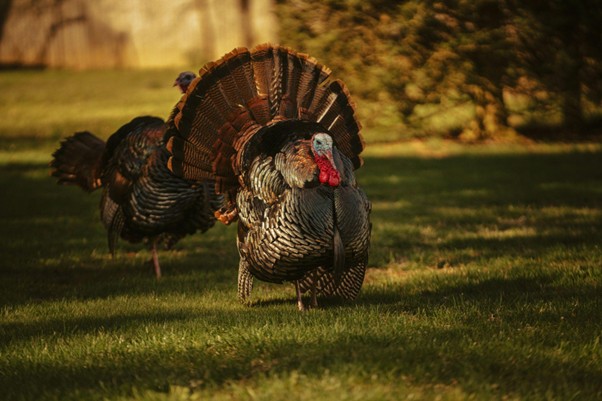
Hatching turkey eggs successfully starts with timing, especially for farmers planning to meet peak demand around holiday seasons when turkey sales are highest. Aligning your hatch schedule with market demand can make a significant difference in profitability, but success depends on more than just setting eggs in an incubator.
Careful attention to incubation fundamentals, such as temperature control, humidity levels, proper egg turning, and adequate ventilation, is critical. This guide is designed to help farmers understand and manage each step of the turkey egg hatching process with confidence.
Understanding Turkey Hatching Eggs
.png)
Turkey hatching eggs are the foundation of a successful poultry season. It is a 28-day incubation period. These eggs contain developing embryos that require precise care from the moment they’re collected until they’re set in an incubator.
Proper understanding of what a turkey hatching egg is and how it behaves during incubation is essential for maximizing hatch rates and raising healthy poults.
What Makes Turkey Eggs Fertile
A fertile turkey egg results from successful mating between a tom and a hen, meaning an embryo has begun developing inside the shell. Fertile eggs don’t begin incubation until all in a clutch have been laid and the incubation conditions are right, whether by a broody hen or an incubator. It’s the fertility and early development that allow the embryo to grow over the typical 28-day incubation period.
How to Store Turkey Eggs Before Incubation
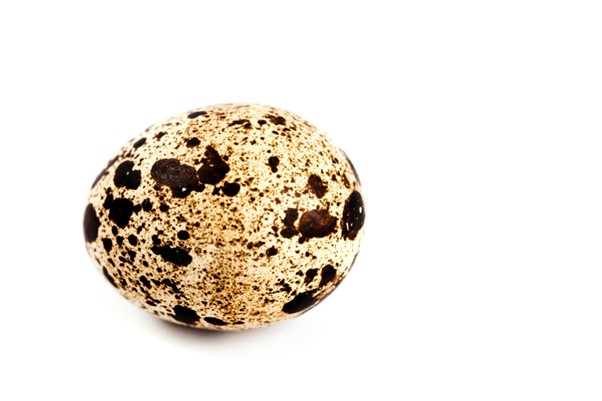
Before placement in an incubator, turkey eggs should be stored properly to maintain viability.
- Store eggs with the large end up at a cool, stable temperature (about 55–60°F or 13–16°C) and elevated humidity (around 70–80 %).
- Turn stored eggs daily to prevent the embryo from sticking to the shell membrane.
- Avoid temperatures that are too cold (like standard household refrigerators), as very low temperatures can damage embryos.
- Ideally, set eggs within about 7–10 days of collection to preserve hatchability.
Essential Guidelines to Hatching Turkey Eggs Successfully

Here are some essentials you need to follow to hatch turkey eggs successfully.
Pre-Incubation & Setup
- Disinfect the incubator thoroughly before use to reduce the risk of bacterial contamination.
- Use only clean eggs free from dirt or manure to protect embryo health.
- Store hatching eggs at 55–65°F with the pointy end down for up to 10 days before incubation.
- Turn stored eggs daily if they are held longer than a few days.
- Allow eggs to reach room temperature for 24 hours before setting them in the incubator to prevent condensation and shell cracking.
Incubation Period
- Maintain a stable incubation temperature of 99.5°F in a forced-air incubator throughout the 28-day incubation period.
- Keep humidity at 55–60% during days 1–24 to support proper embryo development.
- Increase humidity to 65–70% during lockdown (days 25–28) to prevent membranes from drying as poults hatch.
- Stop turning eggs during lockdown to allow poults to position correctly for hatching.
- Turn eggs at least 3–5 times daily before lockdown, always gently and consistently.
- Handle eggs carefully and place them pointy end down to support proper air cell development.
- Ensure adequate ventilation so embryos receive enough oxygen throughout incubation.
- Avoid temperature and humidity fluctuations, as turkey embryos are highly sensitive to sudden changes.
Hatching Turkey Eggs Naturally (Broody Method)
Natural hatching relies on a broody turkey hen to incubate the eggs. The hen provides consistent warmth, turns the eggs instinctively, and manages humidity through her body contact.
This method works best in calm, predator-free environments and is ideal for small flocks. While natural hatching requires less equipment, success depends on the hen staying broody for the full incubation period and having access to food and water nearby.
Hatching Turkey Eggs With an Artificial Incubation (Incubator)
Artificial incubation offers greater control and higher scalability, making it suitable for farmers planning larger or timed hatches. Eggs are placed in an incubator set to the correct temperature and humidity, turned multiple times daily or via an automatic turner, and closely monitored throughout incubation.
This method allows farmers to align hatch timing with seasonal demand and maintain consistent results, provided equipment is well-calibrated and conditions remain stable.
How to Incubate Turkey Eggs: Complete Step-by-Step Process
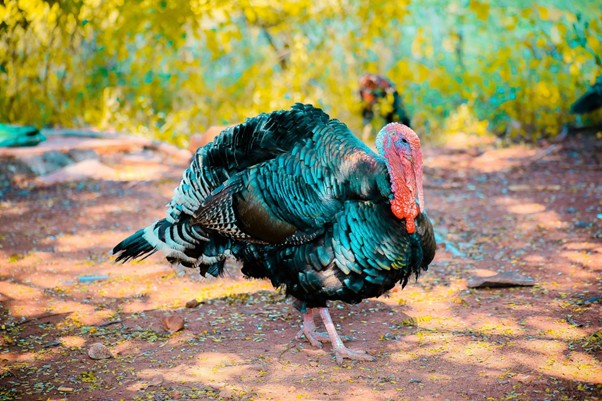
Turkey eggs require 28 days of consistent incubation to hatch successfully. Throughout this period, maintaining a stable temperature, proper humidity, regular turning, and good ventilation is critical. Below is a week-by-week breakdown to help farmers monitor development and stay on track for a healthy hatch.
Week 1 (Days 1-7): Foundation Building
During the first week, the embryo begins forming essential structures such as the heart, spine, and nervous system. Maintain a steady temperature of 99.5°F with humidity at 55–60%. Eggs should be turned multiple times daily to prevent the embryo from sticking to the shell membrane. Any temperature fluctuations at this stage can severely impact hatch success.
Week 2 (Days 8-14): Rapid Growth Phase
Embryos grow quickly during week two, with blood vessels expanding and organs becoming more defined. Continue consistent turning and stable incubation conditions. Proper ventilation becomes increasingly important as oxygen demand rises. This is also a good time to candle eggs to check fertility and remove non-viable eggs.
Week 3 (Days 15-21): Organ Maturation
By week three, major organs continue to mature, and the embryo begins positioning itself for hatching. Growth slows slightly as energy is redirected toward strengthening muscles and bones. Maintain steady conditions and continue turning eggs until the end of day 24. Avoid unnecessary incubator openings to preserve stability.
Week 4 (Days 22-28): Lockdown and Hatching
Lockdown begins around day 25. Stop turning the eggs and increase humidity to 65–70% to prevent membranes from drying out. Poults will internally pip, followed by external pipping and hatching. Avoid opening the incubator during this stage, as sudden humidity loss can cause hatch failure. Most poults will fully hatch by day 28.
Ostrich Egg Incubation Process and Tips for Healthy Hatchings
Candling Turkey Eggs
Candling is a simple but important step in turkey egg incubation that helps you monitor embryo development and remove non-viable eggs before they affect hatch conditions. It allows farmers to identify fertile eggs, track growth progress, and reduce the risk of contamination inside the incubator.
When to Candle Turkey Eggs
Turkey eggs are typically candled twice during incubation.
- The first candling is done around day 7–10 to confirm fertility and early development.
- A second candling around day 14–18 helps assess continued growth and identify eggs that may have stopped developing.
- Candling late in incubation is usually avoided to prevent disrupting temperature and humidity.
How to Candle Turkey Eggs
To candle turkey eggs, use a bright candling light or flashlight in a dark room. Gently hold the egg with the large end facing the light. A fertile egg will show visible veins and a dark embryo mass, while an infertile or non-viable egg will appear mostly clear. Handle eggs carefully and return them to the incubator promptly to avoid temperature loss.
Factors That Affect Turkey Egg Hatching Time
- Incubator temperature stability
- Humidity consistency throughout incubation
- Egg fertility and breeder flock health
- Frequency and accuracy of egg turning
- Ventilation and oxygen availability
- Egg storage duration and conditions before incubation
- Egg size and shell quality
- Incubator type and calibration accuracy
USA-Popular Turkey Breeds & Their Hatching Conditions
Common Turkey Egg Incubation Problems
- Incorrect temperature or humidity can halt embryo development and prevent eggs from hatching.
- Insufficient egg turning may cause the embryo to stick to the shell membrane.
- Excessive moisture loss leads to dehydrated embryos unable to hatch.
- Poor ventilation results in low oxygen levels and weak or non-viable chicks.
- Rough handling or shell cracks increase the risk of contamination and embryo loss.
- Sudden environmental changes late in incubation often cause last-stage embryo death.
Track Your Hatching Success with FarmKeep
.png)
FarmKeep makes turkey egg incubation easier by keeping everything organized in one place.
- Log incubation start dates and expected hatch dates
- Record daily temperature and humidity readings
- Track candling results and embryo development milestones by day
- Note hatch outcomes by breed
FAQs
How do you hatch turkey eggs?
Turkey eggs are hatched by incubating clean, fertile eggs at a stable temperature with proper humidity, regular turning, and good ventilation for the full 28-day incubation period.
How long for turkey eggs to hatch?
Turkey eggs typically hatch in 28 days, with most poults emerging within a 24–48 hour window near the end of incubation.
What temperature should I use for hatching turkey eggs?
Use 99.5°F (37.5°C) in a forced-air incubator to maintain consistent embryo development throughout incubation.
What's the ideal humidity for incubating turkey eggs?
Maintain 55–60% humidity for days 1–24, then increase to 65–70% during lockdown to support successful hatching.
Can chicken incubators hatch turkey eggs?
Yes, you can use chicken incubators to hatch turkey eggs as long as they can hold a stable temperature, have proper humidity, and have enough space for the larger eggs.
Are Bourbon Red turkey eggs good for hatching?
Yes, Bourbon Red turkey eggs hatch well when incubated properly and are known for strong poults and reliable fertility.
When should I stop turning turkey eggs?
Stop turning turkey eggs around on day 25, when lockdown begins, and poults start positioning for hatch.
How can I tell if turkey eggs are fertile?
Fertile turkey eggs show visible veins and embryo development when candled, typically around day 7–10 of incubation.
When should I start candling turkey eggs?
Begin candling turkey eggs between day 7 and day 10 to confirm fertility and early development.
What's the difference between hatching turkey eggs naturally vs. in an incubator?
Natural hatching relies on a broody hen for heat and turning, while incubators provide controlled conditions and allow farmers to plan hatch timing more precisely.