Quail Egg Incubation: An Expert Guide for Successful Hatching
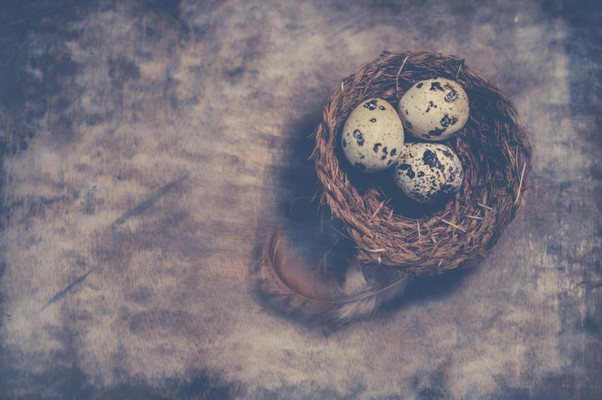
Quail egg incubation is often easier than many people expect. It is a great starting point for new bird keepers and small breeders. Quail eggs have a short incubation period; depending on the species, it can be anywhere between 16–23 days.
Success, however, still depends on getting the basics right. It is important to maintain the correct temperature and humidity throughout incubation, which is essential for healthy embryo development, and different quail breeds can have slightly different needs. By understanding these fundamentals, you can provide proper care during the incubation period and achieve strong, consistent hatch rates with confidence.
Can You Hatch Quail Eggs Without an Incubator?
Quail eggs can be hatched without an incubator, either under a broody bird or using a DIY setup, but both approaches come with risks. Most quail breeds rarely go broody, which makes natural incubation unreliable. DIY methods that rely on heat lamps or makeshift containers often struggle to maintain stable temperature and humidity, increasing the risk of embryo loss.
While these methods may work occasionally, they require constant monitoring and offer little margin for error. For beginners or anyone aiming for consistent hatch rates, relying solely on natural or DIY incubation can lead to uneven results and higher losses.
Ostrich Egg Incubation Process and Tips for Healthy Hatchings
Quail Eggs Incubator: Choosing the Right Setup
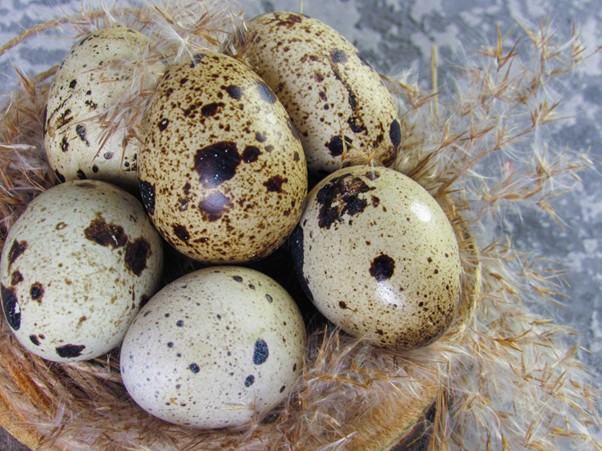
Using a proper incubator is the most reliable way to hatch quail eggs successfully. A good incubator provides steady temperature, controlled humidity, and regular egg turning. These three factors are critical during a quail’s short incubation period.
When choosing an incubator for quail eggs, look for a forced-air model with accurate temperature control, adjustable humidity, and trays designed for small eggs. Automatic turning is especially helpful, as quail eggs need frequent, gentle movement. The right incubator setup greatly improves hatch consistency and helps ensure a successful quail hatching season.
How to Incubate Quail Eggs (Step-by-Step Guide)
Selecting and Storing Fertile Quail Eggs
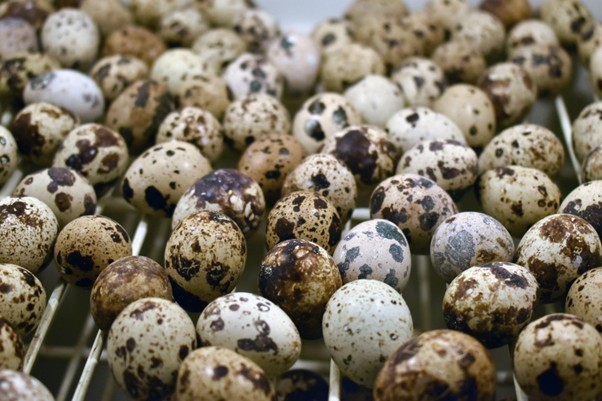
- Choose clean, well-shaped eggs from healthy, well-fed breeding quail
- Avoid cracked, misshapen, or heavily soiled eggs
- Store eggs pointed-end down at 50–60°F (10–15°C)
- Incubate within 7 days of collection for best hatch rates
Setting Up the Incubator Correctly
- Pre-run the incubator for 12–24 hours before adding eggs
- Set temperature to 99.5°F (37.5°C) in a forced-air incubator
- Maintain 45–55% humidity during incubation
- Use trays designed for small eggs or secure eggs to prevent rolling
Loading and Turning Eggs
- Place eggs horizontally or slightly tilted
- Turn eggs at least 3–5 times daily
- Stop turning on Day 14 when lockdown begins
What to Feed Chickens for Fast Growth, Eggs & Cost Savings
Quail Egg Incubation Time: What to Expect Day by Day
Quail eggs have a short incubation period, making them ideal for beginners.
How Long Should You Incubate Quail Eggs?
Most quail eggs hatch in 16–23 days, depending on breed and incubation conditions. Different types, like Bobwhite, need longer, such as 23 days, while the Coturnix breed needs about 18 days of incubation for hatching, and the Button Quail are the quickest at roughly 16 days.
Quail Egg Incubation Chart
Days 1–3: Early Development
- Embryo begins forming and attaches to the yolk
- Blood vessels start to develop, though they may not be visible yet
- Eggs should be turned regularly to support even development
Days 4–7: Vein Formation
- Spider-like veins become visible during candling
- Embryo movement may be seen as a dark spot
- Clear or infertile eggs can be identified and removed
Days 8–10: Rapid Growth
- Embryo grows quickly and becomes more defined
- Veins thicken and spread across the egg
- Air cell begins to enlarge as moisture slowly evaporates
Days 11–13: Pre-Hatch Development
- Chick fills more of the egg and movement becomes harder to see
- Egg appears darker when candled
- Prepare for lockdown by adjusting humidity
Days 14–15: Lockdown Phase
- Stop turning eggs
- Increase humidity to support proper hatching
- Chick positions itself for pipping
Days 16–23: Pipping and Hatching
- Internal pip occurs as the chick enters the air cell
- External pip appears as a small crack in the shell
- Chicks hatch, rest, and dry before becoming active
Quail Egg Incubation Temperature and Humidity
Maintaining stable temperature and humidity is critical during a quail’s short incubation period. Even small fluctuations can affect hatch rates and chick strength.
Ideal Quail Egg Incubation Temperature
- Set incubator to 99.5°F (37.5°C) in a forced-air incubator
- Acceptable range is 99–100°F (37–38°C)
- Avoid sudden temperature swings, especially during the first week
Incubating Quail Eggs Humidity Levels
- Days 1–13: Maintain 45–55% humidity
- Lockdown (Days 14–18): Increase to 65–70% humidity
- Proper humidity supports healthy development and prevents chicks from sticking to the shell
Candling Quail Eggs: How to Check Development
Candling allows you to monitor embryo growth and remove infertile eggs without disturbing incubation.
How to Candle Quail Eggs Safely
- Candle eggs in a dark room using a small flashlight or egg candler
- Handle eggs gently and limit candling to under 30 seconds
- Return eggs promptly to maintain stable temperature
Quail Egg Candling Chart
- Day 5–6: Visible veins and a small dark embryo spot
- Day 9–10: Strong vein network and noticeable growth
- Day 14: Egg appears mostly dark with a defined air cell
Hatching Quail Eggs: The Final Days
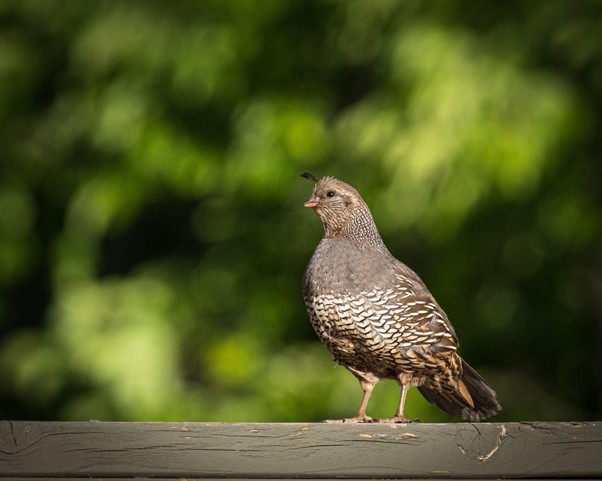
During the final days, stop turning eggs and increase humidity. Chicks will internally pip, then break through the shell. Hatching can happen quickly, and chicks may emerge within hours of each other. Leave newly hatched quail in the incubator until they are dry and active before moving them to a brooder.
Famous Quail Breeds & Their Hatching Conditions
Most quail breeds share similar incubation requirements, but incubation length and hatch sensitivity can vary slightly by species. Use the table below as a quick guide:
Region-Wise Quail Egg Incubation Adjustments
Environmental conditions can influence incubator performance. Minor adjustments help maintain stability.
- Dry Regions (Southwest, Plains): Humidity may drop quickly, so additional water trays or sponges may be needed.
- Humid Regions (Southeast): Monitor moisture closely to prevent excess humidity early in incubation.
- Cold Regions (Northern States): Place incubators in insulated, draft-free rooms to avoid temperature swings.
- Variable Climates (Midwest): Check temperature and humidity daily and recalibrate instruments regularly.
Common Problems When Incubating Quail Eggs
- Low hatch rates can occur when temperature or humidity levels fluctuate during incubation.
- Infertile eggs show no vein development when candled after the first week.
- Late embryo loss happens when chicks develop fully but are unable to hatch.
- Sticky or shrink-wrapped chicks result from low humidity during the final days.
- Weak or early-hatching chicks are often linked to consistently high temperatures.
- Delayed hatching usually indicates that incubation temperatures were slightly too low.
Track Your Hatch Like a Pro with FarmKeep
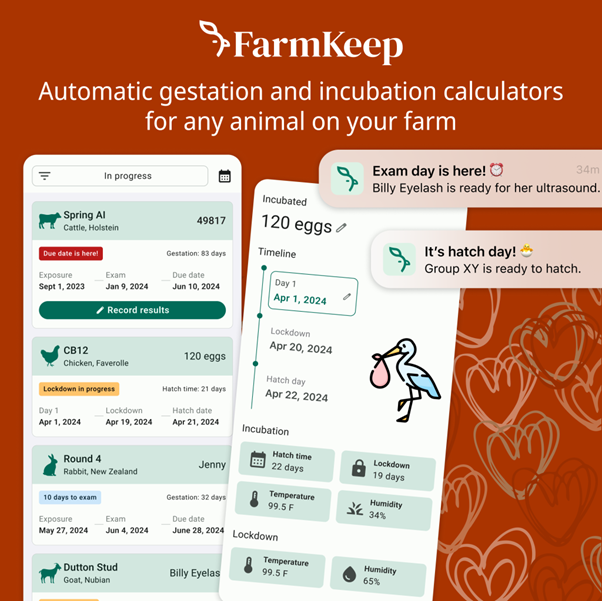
FarmKeep helps you stay organized through every stage of quail egg incubation for a consistent, successful hatching.
- Log egg collection dates and incubation batches
- Record temperature and humidity readings
- Track candling results
- Note hatch rates by quail breed
- Refine your incubation settings
FAQs
How to incubate quail eggs without an incubator?
Yes, you can incubate quail eggs naturally. Quail eggs can be hatched naturally under a broody bird or with DIY heat setups, but these methods are risky due to unstable temperature and humidity.
How long does it take to incubate quail eggs?
Most quail eggs hatch in 16–18 days, depending on the breed and incubation conditions.
What is the average quail egg incubation time?
The quail egg incubation time is 16 to 23 days.
What temperature to incubate quail eggs?
You must maintain 99.5°F (37.5°C) in a forced-air incubator for best results.
Can you hatch quail eggs in a chicken incubator?
Yes, as long as the incubator can maintain the correct temperature and higher humidity required for quail eggs.
Can you incubate chicken and quail eggs together?
No, it’s not ideal, since quail eggs have a shorter incubation period and different humidity needs.
When should you candle quail eggs?
Candle quail eggs on Day 5–6, Day 9–10, and optionally near Day 14.
How often should I candle quail eggs?
Limit candling to 2–3 times during incubation to avoid temperature loss.
Why didn’t my quail eggs hatch?
Common reasons include infertility, temperature or humidity fluctuations, improper turning, or poor breeder health.