How to Sell Farm Products: A Marketing Guide for Farms
Running a successful farm requires more than producing high-quality food. Many farmers spend most of their time focused on production—raising animals, growing crops, and managing land—but the real profitability of a farm often depends on how well those products are marketed and sold.
Whether you raise livestock, grow produce, produce honey, or make farm-based goods like soap or fiber products, developing a clear plan for how to sell farm products is essential for building a sustainable farm business.
In this guide, we’ll walk through proven strategies that successful farms use to sell their products, including how to identify your customers, choose the best sales channels, build a strong brand, and track what’s actually profitable.

Why Selling Farm Products Requires a Marketing Strategy
Producing food is only half the challenge of running a farm. Without a strong marketing approach, even excellent products can struggle to find consistent buyers.
A marketing strategy helps farms:
- Identify the right customers
- Choose the best sales channels
- Set profitable pricing
- Build long-term relationships with buyers
- Differentiate from large grocery chains
Many small farms also face competition from industrial agriculture. Grocery stores often sell food at prices that are difficult for small farms to match. Instead of competing purely on price, successful farms focus on value and differentiation—highlighting quality, transparency, and local production.
This is where a farm marketing plan becomes important. A marketing plan helps farmers define how they will sell their products and reach customers consistently throughout the year. A marketing strategy is also an important part of your overall farm business plan.
Step 1: Identify Your Target Customers
Before deciding where or how to sell farm products, it’s important to understand who your ideal customers are. Different groups value different types of products and buying experiences.
Local Consumers
Local families are often one of the most reliable customer groups for small farms. Many consumers are increasingly interested in:
- locally produced food
- pasture-raised meat and eggs
- organic or regenerative farming
- supporting small businesses
These buyers often shop at farmers markets, farm stands, or local food co-ops.
Building trust with local consumers can lead to repeat purchases and strong word-of-mouth marketing.
Restaurants and Chefs
Restaurants can be excellent customers for farms that produce high-quality specialty products.
Chefs often look for:
- unique ingredients
- consistent supply
- seasonal produce
- locally sourced meat and eggs
Selling to restaurants typically requires reliable production schedules and consistent quality, but it can lead to long-term recurring sales relationships.
Wholesale Buyers
Wholesale buyers may include:
- grocery stores
- food distributors
- local co-ops
Wholesale partnerships can move larger volumes of product, but prices are typically lower than direct-to-consumer sales.
This model works best for farms that can produce consistent quantities at scale.
Online Customers
Many farms are now expanding their reach beyond local communities by selling products online.
Products that often sell well online include:
- honey
- freeze-dried foods
- specialty meats
- handmade goods
- farm-made soaps or skincare
- fiber products like wool or yarn
Online sales allow farms to reach customers nationwide, especially for unique or specialty products.

Step 2: Choose the Best Ways to Sell Farm Products
Once you understand your target customers, the next step is choosing the right sales channels. Many successful farms use a combination of several channels.
Farmers Markets
Farmers markets are one of the most common ways small farms sell products directly to consumers.
Benefits include:
- higher profit margins
- direct relationships with customers
- strong local visibility
Customers often attend farmers markets specifically looking for local and fresh products, making them an ideal place to build a loyal customer base.
However, farmers markets can require a significant time investment and may be limited to certain seasons.
Farm Stands and On-Farm Sales
Selling products directly from your farm can be a simple and effective strategy.
Common examples include:
- roadside farm stands
- self-service egg coolers
- scheduled pickup days
- honor-system payment boxes
On-farm sales allow customers to experience the farm itself, which can strengthen trust and connection with your brand.
CSA Programs (Community Supported Agriculture)
Community Supported Agriculture programs allow customers to purchase a seasonal share of a farm’s production in advance.
Customers typically receive weekly or biweekly boxes containing products such as:
- vegetables
- eggs
- meat
- honey
- dairy
CSA programs provide farmers with predictable upfront income while building strong relationships with local customers.
Selling Farm Products Online
Online sales are becoming increasingly important for farms of all sizes.
Farms may sell products through:
- their own farm website
- social media platforms
- subscription programs
- online farm marketplaces
Selling online allows farms to reach customers who may not have access to local farm products in their area.
Shipping regulations, packaging, and product shelf life should be considered when developing an online sales strategy.
Wholesale and Retail Partnerships
Many farms also work with local businesses such as:
- restaurants
- grocery stores
- specialty food shops
- food co-ops
Wholesale partnerships can provide consistent demand and predictable income, though margins are typically lower than direct-to-consumer sales.
Step 3: Build a Strong Farm Brand
Branding plays a major role in how customers perceive and remember a farm.
A strong farm brand helps communicate:
- quality
- transparency
- values
- farming practices
Key branding elements include:
- a memorable farm name
- logo and packaging design
- professional product photography
- a clear farm story
Customers are often drawn to farms because of their values. Farms that emphasize practices such as pasture-raised livestock, organic growing methods, heritage breeds, or regenerative agriculture often create stronger emotional connections with buyers.
Your brand tells customers why your farm is different—and why they should choose your products.

Step 4: Market Your Farm Products
Once your products and brand are defined, consistent marketing helps attract new customers and maintain relationships with existing ones.
Social Media Marketing for Farms
Social media has become one of the most powerful marketing tools available to farmers.
Popular platforms include:
- TikTok
- YouTube
Content that performs well for farms often includes:
- daily farm life
- animal updates
- harvesting or planting
- behind-the-scenes production
- product features
- educational posts about farming
Sharing authentic stories about farm life helps customers feel connected to where their food comes from.
Email Marketing
Email lists allow farms to communicate directly with customers.
Farm newsletters can include:
- product availability updates
- CSA announcements
- farmers market schedules
- seasonal promotions
- farm news and stories
Email marketing often leads to repeat purchases because customers already have a relationship with the farm.
Search Engine Visibility
Many customers search online when looking for local farm products.
Common searches include:
- pasture raised eggs near me
- local farm meat
- farm fresh produce near me
- grass fed beef near me
Having a simple website or local listing can help farms appear in these searches and attract new customers in their region.
Step 5: Price Your Farm Products Profitably
Pricing farm products can be one of the most difficult parts of running a farm business.
Many farmers underestimate the true cost of production. When setting prices, farms should consider:
- feed or input costs
- labor
- equipment
- packaging
- market demand
A basic pricing structure might include:
Production cost + labor + profit margin
Charging fair prices ensures the farm can remain financially sustainable while continuing to produce high-quality food.
Step 6: Create a Simple Farm Marketing Plan
A farm marketing plan doesn’t need to be complicated. Even a simple plan can help keep your farm focused and organized.
A basic marketing plan may include:
Target customers: Local families and health-conscious buyers
Products offered: Pasture-raised eggs and honey
Sales channels: Farmers markets and farm stand
Marketing strategy: Instagram updates and email newsletters
Revenue goals: $3,000 in monthly product sales
Writing down your marketing strategy helps ensure that production, sales, and promotion all work together.
Step 7: Track Sales and Profitability
Selling farm products successfully requires tracking what’s working and what isn’t.
Farms should monitor:
- product sales
- sales channels
- production costs
- profitability by product
Tracking this data can reveal useful insights. For example:
- eggs may be highly profitable
- tomatoes may break even
- value-added products like soap or honey may generate strong margins
Understanding these patterns helps farmers decide which products to expand and which ones to reduce.
FarmKeep Supports Successful Farm Product Sales
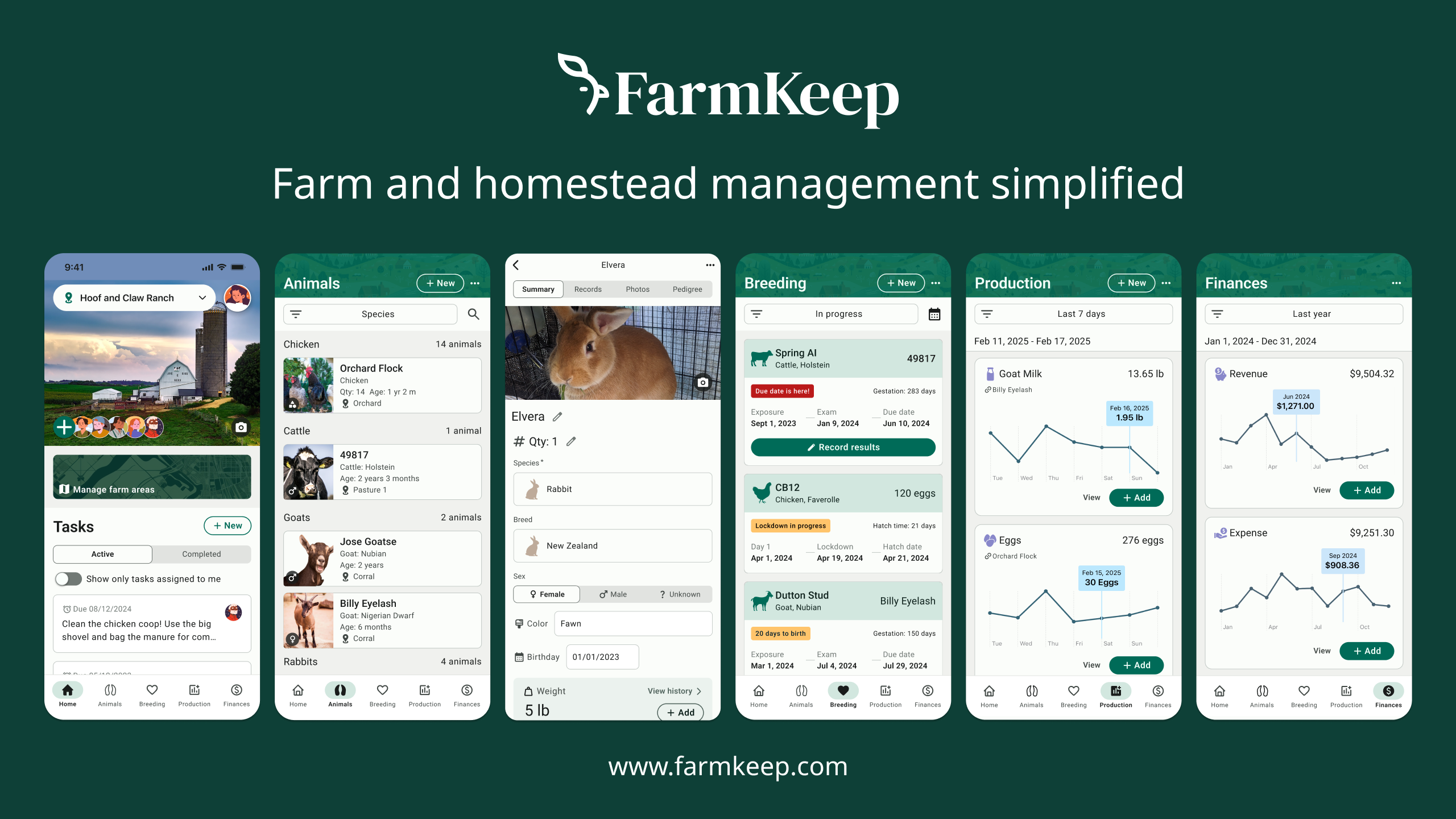
FarmKeep helps farmers manage every part of their farm business in one place.
With FarmKeep, farmers can:
- track livestock and breeding records
- monitor production such as eggs, milk, or crops
- record farm expenses and revenue
- analyze profitability across products and animals
- keep all farm records organized and accessible
Having clear records makes it easier to understand which products sell best and where your farm is most profitable.
Download FarmKeep to simplify farm management and keep your farm business organized.
FAQ
How do small farms sell their products?
Small farms typically sell their products through a combination of direct-to-consumer and wholesale sales channels. The most common options include farmers markets, farm stands, community supported agriculture (CSA) programs, online stores, and partnerships with local restaurants or grocery stores. Many successful farms use multiple sales channels to reach different customer groups and maintain steady income throughout the year.
What are the best ways to sell farm products?
The best way to sell farm products depends on your farm’s location, production scale, and the types of products you produce. Common sales channels include:
- Farmers markets
- Roadside farm stands
- CSA subscriptions
- Online sales through a farm website
- Wholesale sales to restaurants or grocers
Direct-to-consumer sales usually offer the highest profit margins, while wholesale partnerships can provide consistent demand.
Can farmers sell products directly to consumers?
Yes. Many farms successfully sell products directly to consumers using direct farm marketing methods such as farmers markets, farm stands, CSA programs, and online orders with local delivery or pickup. Selling directly to consumers allows farmers to keep more of the profit while building strong relationships with their customers.
What is direct farm marketing?
Direct farm marketing refers to selling farm products straight from the farmer to the customer without using a distributor or retailer. Examples include farmers markets, on-farm sales, farm stands, CSA programs, and direct online sales. This approach allows farmers to capture higher margins while offering customers fresh, locally produced food.
How can I sell farm products locally?
Selling farm products locally often starts with identifying customers in your community who value fresh and locally produced food. Farmers can sell locally through farmers markets, local food co-ops, farm stands, neighborhood delivery routes, or partnerships with local restaurants. Promoting your farm through social media and community groups can also help attract nearby customers.
Can you sell farm products online?
Yes, many farms now sell products online. Some farms sell through their own websites, while others use online marketplaces or social media platforms to take orders. Online sales can work especially well for shelf-stable or specialty products such as honey, freeze-dried foods, fiber products, or handmade goods. Local delivery or farm pickup options can also make online sales easier to manage.
What farm products sell the best?
Products that sell well often depend on local demand and the uniqueness of the farm. Common high-demand farm products include:
- Pasture-raised eggs
- Grass-fed beef
- Free-range chicken
- Fresh vegetables
- Raw honey
- Artisan cheeses
- Farm-made soaps or skincare products
Value-added products—items made from farm ingredients—can often generate higher profit margins than raw agricultural products.
Do I need a license to sell farm products?
Licensing requirements vary depending on your location and the types of products you plan to sell. Many states allow farms to sell certain raw agricultural products directly to consumers without special permits. However, processed foods, dairy products, and meat sales may require inspections, permits, or compliance with local food safety regulations. It’s important to check state and local agricultural regulations before selling.
How do farmers price their products?
Farmers usually price products based on several factors, including production costs, labor, market demand, and the perceived value of their products. Many small farms charge premium prices compared to grocery stores because their products offer benefits such as local production, freshness, animal welfare standards, or organic practices. Proper pricing ensures the farm remains financially sustainable.
How can farmers market their products effectively?
Effective farm marketing often combines storytelling, branding, and consistent communication with customers. Many farms use social media, email newsletters, farmers markets, and community events to promote their products. Sharing authentic stories about farm life, production practices, and seasonal updates can help build trust and loyalty among customers.
What is a farm marketing plan?
A farm marketing plan is a simple document that outlines how a farm will sell and promote its products. It typically includes the target customers, products being sold, sales channels, marketing strategies, and revenue goals. Having a clear marketing plan helps farmers stay organized and focus their efforts on the most profitable opportunities.
How do farms track sales and profitability?
Tracking sales and expenses helps farmers understand which products and sales channels are most profitable. Many farms keep records of production, inventory, sales revenue, and operating costs. Farm management tools can help organize this data and provide insights into profitability so farmers can make better decisions about what to produce and how to sell it.
If you’d like, I can also show you 8–12 additional SEO FAQ questions that are specifically designed to help this article capture Google “People Also Ask” results, which can significantly increase organic traffic.