NPIP Certification: The Complete Guide to Requirements, Application, Testing, Renewal, and Benefits (2026)
If you raise poultry—whether you’re a backyard chicken keeper, breeder, hatchery owner, or commercial producer—you’ve probably seen the term “NPIP certified.” It often appears in hatchery listings, poultry sales ads, or exhibition requirements.
But what does NPIP certification actually mean? Is it required? How do you apply? What testing is involved? And what do you need to do to maintain your status?
This guide explains everything you need to know about NPIP certification, including the history of the program, why it matters, how the application process works, what testing is required, how renewal and compliance work, and how requirements may vary by state.

What Is NPIP Certification?
NPIP stands for the National Poultry Improvement Plan.
It is a voluntary Federal-State-industry program in the United States designed to improve poultry health and prevent the spread of disease through testing, monitoring, and standardized certification programs.
The program is administered cooperatively by:
- The USDA Animal and Plant Health Inspection Service (APHIS)
- Official State Agencies (usually state departments of agriculture)
- Participating poultry breeders, hatcheries, and producers
The NPIP establishes disease testing and flock classification standards so buyers, regulators, and other producers can trust the health status of birds and hatching eggs moving through the poultry industry.
Important clarification
When people say “NPIP certified,” they are usually referring to:
- Participation in the NPIP program plus
- Qualification for one or more specific disease classifications
The program itself is a framework, not a single universal certificate. Different flocks may hold different classifications depending on testing and participation status.
The History of NPIP
The National Poultry Improvement Plan began in 1935.
At that time, the poultry industry was struggling with a devastating disease called Pullorum disease, caused by Salmonella pullorum. The disease spread easily through infected breeding stock and hatching eggs, causing massive chick mortality.
The federal government partnered with states and the poultry industry to create a coordinated program to:
- Test breeding flocks
- Eliminate infected birds
- Prevent transmission through hatcheries
The program was extremely successful. Pullorum disease was largely eliminated from commercial poultry breeding operations in the United States.
Over the decades, the NPIP expanded to include additional diseases and classifications, including:
- Mycoplasma infections
- Avian Influenza surveillance
- Biosecurity standards
- Hatchery sanitation
- Dealer and distributor programs
Today, NPIP remains one of the most important disease prevention systems in the U.S. poultry industry, covering everything from backyard breeders to large commercial poultry operations. The program operates under federal regulations found in 9 CFR Parts 145–147, with detailed procedures defined in the NPIP Program Standards.

Why NPIP Certification Matters
Even though NPIP participation is voluntary at the federal level, it plays a major role in poultry health, commerce, and industry credibility.
Disease Control and Flock Health
The primary goal of NPIP is disease prevention and monitoring. Through standardized testing protocols, the program helps control or eliminate diseases such as:
- Pullorum disease
- Fowl typhoid
- Mycoplasma gallisepticum
- Mycoplasma synoviae
- Avian influenza (surveillance programs)
Participating flocks must follow specific testing procedures to qualify for classifications like U.S. Pullorum-Typhoid Clean.
Buyer Trust and Hatchery Reputation
If you sell:
- chicks
- poults
- ducklings
- hatching eggs
- breeding birds
buyers will often look for NPIP participation.
Many hatcheries advertise their NPIP classification because it demonstrates:
- disease monitoring
- responsible breeding practices
- adherence to national health standards
This can significantly increase buyer confidence.
Interstate Poultry Movement
When poultry or hatching eggs are shipped across state lines, documentation is often required. NPIP participation can simplify these transactions. For example, certain shipments of chicks, poults, or hatching eggs may be accompanied by VS Form 9-3, an official NPIP movement document.
Many states recognize NPIP Pullorum-Typhoid Clean status when evaluating incoming poultry shipments. However, state import rules still apply, and NPIP participation does not automatically override state requirements.
Poultry Shows and Exhibitions
Many fairs, exhibitions, and poultry shows require birds to come from:
- NPIP Pullorum-Typhoid Clean flocks, or
- birds recently tested for pullorum-typhoid disease
NPIP participation can make it easier to meet exhibition requirements.
Biosecurity and Outbreak Preparedness
NPIP also promotes strong biosecurity practices across the poultry industry.
Some commercial producers must maintain biosecurity plans aligned with NPIP standards to qualify for certain surveillance or movement programs during disease outbreaks such as Highly Pathogenic Avian Influenza (HPAI).
Who Should Consider NPIP Certification?
NPIP participation may be valuable for several types of poultry owners.
Poultry Breeders
If you sell:
- breeding stock
- hatching eggs
- chicks
NPIP participation increases credibility and may be expected by buyers.
Hatcheries
Most commercial hatcheries participate in NPIP programs to verify the health status of breeding flocks and eggs.
Backyard Poultry Keepers
Backyard flock owners may benefit from NPIP participation if they:
- sell birds
- ship hatching eggs
- participate in poultry shows
- breed poultry commercially
Commercial Poultry Producers
Commercial operations may participate in NPIP surveillance and classification programs related to disease control and biosecurity.
Poultry Dealers and Distributors
Some poultry dealers participate in NPIP programs to document the health status of birds they distribute.
What Diseases and Classifications Does NPIP Cover?
The NPIP program includes several disease-related classifications. One of the most important is: U.S. Pullorum-Typhoid Clean. This classification indicates that a flock has been tested according to NPIP procedures and found free of Pullorum disease and fowl typhoid.
Additional classifications may include programs related to:
- Mycoplasma gallisepticum
- Mycoplasma synoviae
- Avian influenza surveillance
- hatchery sanitation
The exact classifications available depend on:
- the type of poultry operation
- the species involved
- the specific NPIP program category.

How NPIP Is Structured
NPIP operates through three interconnected layers.
Understanding this structure helps explain why requirements can vary.
Federal Regulations
The national framework for NPIP is defined in federal regulations under Title 9 of the Code of Federal Regulations (9 CFR).
These rules establish program authority and disease classifications.
Program Standards
Detailed procedures—including testing methods, biosecurity guidelines, and laboratory protocols—are described in the NPIP Program Standards.
These standards are updated periodically.
Official State Agencies
NPIP participation is administered by state agencies, usually through a state department of agriculture.
These agencies:
- enroll participants
- schedule testing
- issue approvals
- enforce program requirements
Because states administer enrollment, application details can vary by state.
How to Apply for NPIP Certification
Although procedures differ slightly by state, the general process is similar across the United States.
Step 1: Contact Your State NPIP Agency
To apply for NPIP certification, poultry owners must work through their Official State Agency, which administers the program at the state level.
Start here: NPIP State Directory
What you will find there:
- NPIP coordinator for their state
- email and phone contact
- state department responsible for NPIP
Your state NPIP coordinator will provide:
- application forms
- testing requirements
- fee information
- scheduling for flock testing or inspection
Because application procedures vary by state, contacting your state NPIP office is the most reliable way to begin the certification process.
You can also learn more at USDA NPIP Overview.
Step 2: Determine Your Program Category
You will need to determine which NPIP category fits your operation.
Examples include:
- breeding flocks
- hatcheries
- poultry dealers
- commercial poultry producers
Your category determines testing requirements.
Step 3: Register Your Flock or Premises
The state agency may collect information such as:
- flock size
- poultry species
- production purpose
- premises location
- owner contact information
This information helps establish your official record.
Step 4: Schedule Required Testing
Testing is usually required before classification approval.
Tests must follow NPIP-approved methods and may be conducted by:
- state inspectors
- trained testers
- approved laboratories
Step 5: Achieve Required Disease Status
Most participants must first qualify as U.S. Pullorum-Typhoid Clean before obtaining additional classifications.
Step 6: Receive an NPIP Approval Number
Once approved, you will receive an NPIP participant number.
This number may appear on:
- shipping documents
- hatchery labels
- invoices
- movement certificates.
What the NPIP Application Process Usually Looks Like
While details vary by state, most applicants experience a process like this:
- Initial contact with the state NPIP coordinator
- Discussion of flock type and program category
- Submission of application information
- Scheduling of disease testing
- Inspection or record verification
- Classification approval
- Assignment of NPIP participant number
Your state agency will guide you through the exact steps.

Testing Requirements for NPIP Certification
Testing is central to NPIP participation.
Testing programs focus primarily on detecting specific poultry diseases.
Common testing programs may include:
- Pullorum-Typhoid testing
- Mycoplasma testing
- Avian influenza surveillance
Testing methods must follow NPIP-approved laboratory procedures.
It is important to understand that:
Testing requirements vary depending on flock type and classification sought.
Backyard breeders, hatcheries, and commercial producers may follow different protocols.
NPIP Biosecurity Requirements
Biosecurity is a major part of modern NPIP programs.
NPIP Standard E outlines core biosecurity principles designed to prevent disease introduction and spread.
These include practices such as:
- controlling visitor access
- separating clean and contaminated areas
- cleaning and disinfecting equipment
- managing pests and wild birds
- safe disposal of dead birds
- maintaining written biosecurity plans
- training personnel in biosecurity procedures
Strong biosecurity protects both individual flocks and the broader poultry industry.
Renewal Requirements and Ongoing Compliance
NPIP participation requires ongoing compliance.
Participants may need to maintain:
- disease testing schedules
- recordkeeping
- biosecurity practices
- approved flock classifications
Renewal timelines vary depending on:
- state rules
- program category
- disease classification
Because of this variation, participants should work closely with their state NPIP agency to understand their specific renewal obligations.
Records, Documents, and Forms You May Need
NPIP participants often maintain several types of records.
These may include:
- flock inventory records
- testing documentation
- classification certificates
- inspection reports
- shipping paperwork
- hatchery sanitation records
One commonly referenced document is VS Form 9-3, which may accompany shipments of chicks, poults, or hatching eggs.
Maintaining accurate records helps ensure ongoing compliance with program requirements.
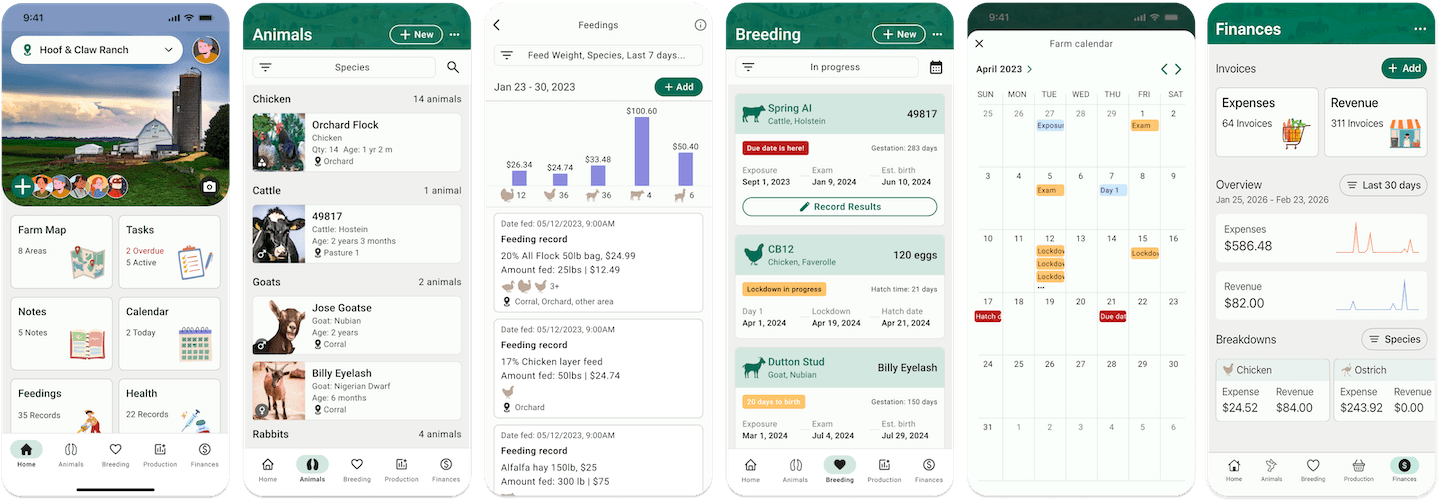
Stay Organized for NPIP Certification with FarmKeep
NPIP certification requires accurate flock records, health tracking, and organized documentation. Instead of juggling notebooks and spreadsheets, FarmKeep keeps everything in one place.
With FarmKeep you can:
- Track flock health & test results for diseases like Pullorum-Typhoid
- Manage breeding and hatch records for chicks and hatching eggs
- Organize flock inventory and bird history
- Access records instantly during inspections or testing
- Download and share your records when you need them
FarmKeep doesn’t replace the official NPIP process—but it makes the record-keeping side dramatically easier.
If you raise poultry and want a simpler way to manage flock data, breeding records, and health tracking, download FarmKeep and keep your entire flock organized from your phone.
NPIP Certification for Different Types of Poultry Owners
The role of NPIP varies depending on the type of poultry operation.
Backyard Flocks
Backyard poultry owners may pursue NPIP participation if they:
- sell hatching eggs
- breed birds
- attend poultry shows
- ship poultry across state lines
Participation can help demonstrate responsible flock health practices.
Hatcheries
Hatcheries often rely on NPIP classifications to document the health status of breeding stock and eggs.
This helps build customer confidence.
Commercial Poultry Producers
Large commercial operations may participate in additional NPIP surveillance programs related to disease monitoring and biosecurity compliance.
Common Misunderstandings About NPIP
“NPIP means my birds are disease-free.”
Not exactly. NPIP classifications apply to specific diseases, not all possible poultry diseases.
“NPIP certification is required for everyone.”
NPIP participation is voluntary at the federal level, although state rules, shipping requirements, or exhibition rules may require certain testing.
“NPIP status lasts forever.”
Participation requires ongoing testing, documentation, and compliance.
“Buying from an NPIP flock eliminates disease risk.”
NPIP participation reduces risk but does not eliminate the need for good biosecurity practices.
Final Takeaway
The National Poultry Improvement Plan is one of the most important poultry health programs in the United States.
Created in 1935 to eliminate devastating poultry diseases, it has evolved into a comprehensive system for:
- disease monitoring
- poultry testing
- hatchery oversight
- biosecurity standards
- flock health classification
While NPIP participation is voluntary, it can provide major benefits for poultry breeders, hatcheries, backyard flock owners, and commercial producers. Whether you are a seasoned poultry business or just starting a poultry farm, understanding NPIP certification—and how it works—helps poultry owners make informed decisions about flock health, compliance, and responsible poultry production.
FAQ
What does NPIP certified mean?
It generally means a poultry flock participates in the National Poultry Improvement Plan and meets specific disease classification requirements.
Is NPIP certification required?
No. NPIP participation is voluntary federally, but some activities such as shipping or exhibitions may require certain testing or documentation.
How do I apply for NPIP certification?
Contact your state NPIP agency and begin the enrollment process for your flock or poultry operation.
How much does NPIP certification cost?
Costs vary by state and may include testing fees, inspection costs, or administrative fees.
How often do I need to renew NPIP certification?
Renewal and testing schedules vary by state and program category.
Can backyard flocks become NPIP participants?
Yes. Many backyard breeders participate in NPIP programs.