Goat Disbudding & Dehorning: When, Why & How (2026 Guide)
Disbudding and dehorning are common livestock management practices on goat farms — especially in dairy and homestead operations. Early removal of horn buds (disbudding) can make goats safer to handle, reduce injuries to other animals and people, and avoid property damage. Dehorning, the removal of mature horns, is more involved and carries greater risk.
In this comprehensive guide you’ll learn:
✔ What disbudding and dehorning are
✔ Ethical considerations
✔ Why farmers do them
✔ The best age to disbud goats
✔ Practical methods and risks
✔ Cost expectations and planning
✔ How to track these procedures using FarmKeep
This guide draws on extension research and veterinary policy to help you make informed decisions.

What Is Disbudding vs Dehorning?
Disbudding is the process of destroying the horn-forming cells (horn buds) in young goats before the horns attach to bone. This prevents horn growth entirely.
Dehorning is removing horns that have already grown or attached to the skull. This is more complex, riskier, and should generally be performed by a veterinarian.
Both are done primarily for safety — to protect handlers, other goats, and farm infrastructure — but they differ in timing, method, and impact on the animal.
Ethical Considerations: Should You Disbud Goats?
Some homesteaders choose to keep goats horned for natural behavior, body temperature regulation, philosophical or ethical reasons. Others prioritize safety and injury prevention.
There is no universal answer. Responsible goat owners evaluate their farm setup, fencing, herd size, and handling environment before deciding.
What matters most from a welfare standpoint is:
- Using proper timing
- Using pain control
- Avoiding prolonged or improper techniques
- Monitoring healing afterward
With thoughtful research, planning and careful records, you can balance welfare, safety, productivity, and profitability.
Why Disbud Goats?
Goats with horns can pose challenges:
- Horns can injure other animals or humans during play, feeding, or handling.
- Horns can get caught in fencing, feeders, gates, or milking stands.
- Many dairy show circuits require goats to be hornless.
- Horned goats are more likely to injure themselves or herd mates during head-butting.
Removing horns early reduces these risks and generally makes goat management easier and safer.
Veterinary organizations also note that horn removal should be part of a herd health plan developed in partnership with a veterinarian.
When Should You Disbud Goats?
Ideal timing: Early in a kid’s life — before the horn buds fuse to the skull.
Goats’ horn buds begin developing within a few days after birth; disbudding while the buds are small yields the best outcome and less trauma.
Common Disbudding Methods
There are three basic approaches:
Hot Iron (Cauterization)
This is the most common and recommended method.
- A heated iron is placed over the horn bud to destroy horn cells before they attach.
- Must be done quickly and accurately — typically within the first week of life.
- Local anesthetic and sedation are increasingly recommended for welfare reasons.
Benefits: Effective, widely used, less traumatic when done early.
Drawbacks: Causes pain if no analgesia is used; requires experience.
Chemical Paste
Caustic chemical pastes destroy horn tissue.
- Applied only to the horn bud, not surrounding skin.
- Risk of chemical burns to eyes or udder if misapplied.
Veterinarians generally prefer hot irons over caustic pastes because of safety concerns.
Other Methods (Not Recommended)
Some hobbyists use bands or rings to cut off horn buds or horns. These are generally discouraged because they:
- Cause prolonged pain
- Increase infection risk
- May fail and lead to abnormal horn growth (scurs)
Veterinary guidance strongly cautions against these “shortcut” methods.

The Disbudding Procedure: Overview
(This is educational, not a standalone instruction manual.)
Most disbudding is performed in a series of basic steps:
- Identify horn buds — feel for small bumps on the skull.
- Restrain the kid safely — in a disbudding box or by an experienced handler.
- Trim hair over buds to visualize the area.
- Use hot iron — apply circular iron to buds for a few seconds to cauterize.
- Check for copper ring — proper cauterization destroys bud cells.
- Provide aftercare — monitor for swelling, infection, or scurs.
Proper restraint, technique, and pain mitigation are keys to reducing stress and improving outcomes.
Risks & Complications
Disbudding is painful and stressful for goats if no pain control is used. Research suggests:
- Cortisol (stress hormone) spikes without analgesia during disbudding.
- Pain control (nerve blocks + NSAIDs) reduces vocalization and stress.
Common potential issues include:
- Infection around the site
- Scurs (partial horn regrowth)
- Thermal injury if iron application is too long
- Pain reaction without proper analgesia
Because of the animal welfare concerns, consulting a veterinarian about pain management is recommended.

What Happens If You Don’t Disbud?
Some owners choose not to disbud for personal, ethical, or breed reasons. Goats with horns:
- Can defend themselves and regulate body heat
- May injure other goats during head-butting
- Can damage fencing and facilities
- Are not usually permitted at dairy shows in the U.S. without disbudding.
Leaving horns intact is a valid choice if you accept the risk and plan facilities accordingly.
Dehorning Older Goats
Once horns are attached to bone (typically after ~2 weeks), the process becomes dehorning, not disbudding.
Dehorning:
- Is more invasive
- Often requires sedation + local anesthetic
- Can involve significant bleeding
- Should only be done by an experienced veterinarian
Some farms choose to trim horn tips for show or management, but removal of mature horns is not a casual DIY task.
How Much Does It Cost to Disbud a Goat?
Costs vary by region and provider — consult your local vet or extension agent for accurate pricing.
Is Disbudding Goats Cruel? A Look at Pain, Ethics, and Welfare
Disbudding is a painful procedure if performed without pain management. Research shows that goat kids experience stress responses during the procedure, including elevated cortisol levels and vocalization when no anesthetic is used. Because of this, many veterinarians and animal welfare organizations recommend the use of local anesthetics and non-steroidal anti-inflammatory drugs (NSAIDs) to reduce pain.
Does Disbudding Hurt Goats?
Yes — without pain control, disbudding does cause short-term pain. The horn buds contain nerve endings, and cauterization destroys horn-producing tissue. However, when done properly:
- At the correct age (typically 3–10 days old)
- With a local nerve block
- With appropriate pain medication
- By an experienced handler or veterinarian
The procedure is brief and goats typically resume nursing and normal activity shortly afterward.
Veterinary guidelines emphasize that pain mitigation significantly improves welfare outcomes and reduces stress.
Pain Control & Welfare Best Practices
Emerging best practices emphasize animal welfare:
- Use local nerve blocks to reduce pain.
- Consider systemic pain control (NSAIDs).
- Avoid caustic or banding methods that prolong discomfort.
Discuss pain management protocols with your vet before performing disbudding.
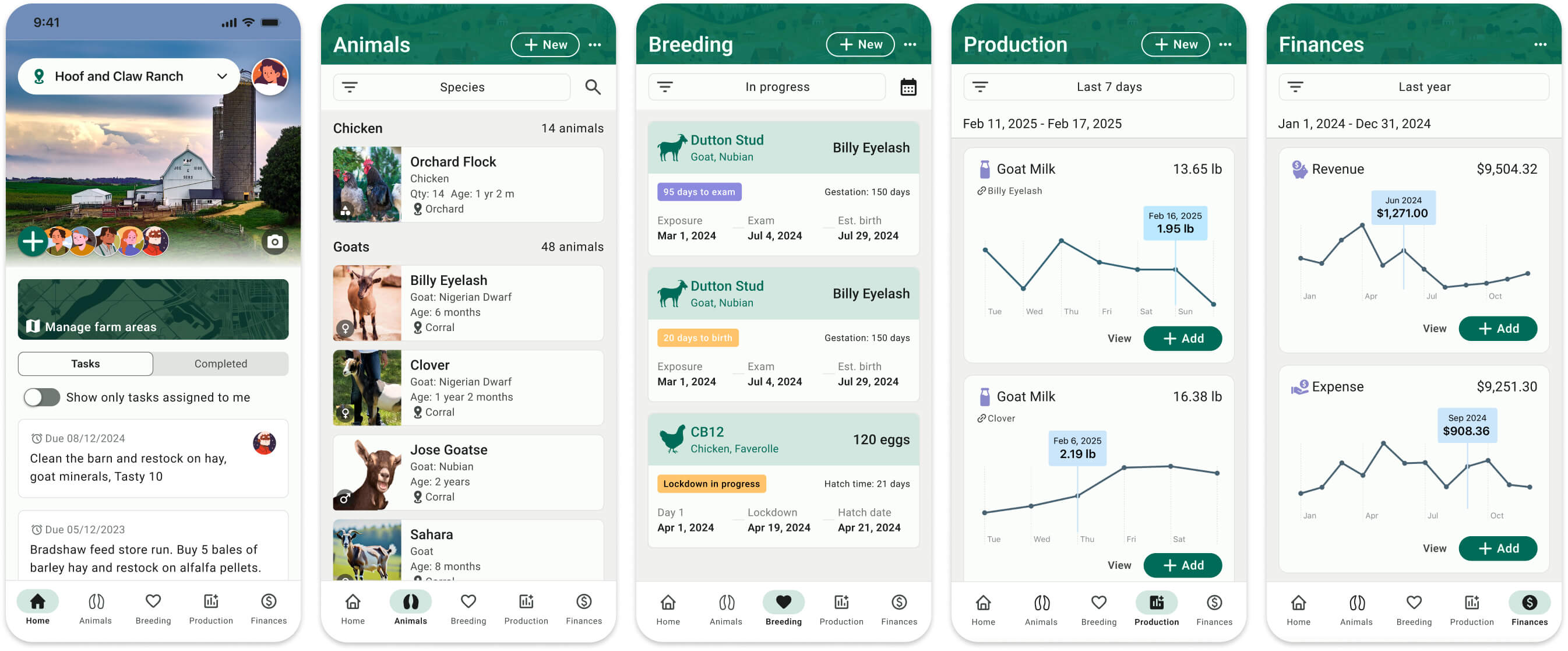
FarmKeep: Tracking Disbudding & Health Records
Disbudding is a precise event that matters — not just once, but for long-term herd management.
FarmKeep helps you:
✔ Log disbudding dates on each animal’s profile
✔ Track pain medication given
✔ Schedule follow-up checks for scurs or infection
✔ Integrate with vaccine, weight, and breeding records
By recording disbudding events with FarmKeep, you can assess:
- Healing outcomes over time
- Hornless vs horned animal behavior
- Correlations between procedures and growth trends
- Costs tied to health events vs lifetime productivity
Accurate records make goat health decisions easier and more defensible — especially in multi-animal herds.
Related Goat Guides
- How Much Does a Goat Cost?
- Goat Gestation Calculator
- Common Goat Parasites
- Understanding Goat Pregnancy Signs
- Cost to Start a Goat Farm
FAQs
At what age should you disbud a goat?
Goats should typically be disbudded between 3 and 10 days old, before the horn buds attach to the skull. Buck kids often need to be disbudded slightly earlier than doelings because their horn growth develops faster. Performing disbudding within this early window reduces complications and lowers the chance of scurs (partial horn regrowth).
How old is too old to disbud a goat?
After about 2 weeks of age, the horn buds begin attaching to the skull. At that point, the procedure transitions from disbudding to dehorning, which is significantly more invasive and carries higher risk. Goats older than 3–4 weeks should not be disbudded at home without veterinary guidance.
What is the difference between disbudding and dehorning goats?
Disbudding removes the horn-producing cells in young kids before horns develop. Dehorning removes fully grown or attached horns and is more complex, painful, and risky. Disbudding is preventative; dehorning is corrective.
Why should you disbud goats?
Farmers disbud goats primarily for safety and herd management. Horned goats can injure other animals, handlers, and themselves. Horns may get caught in fencing or feeders. Many dairy goat associations and livestock shows also require goats to be disbudded.
Is disbudding goats cruel?
Disbudding is a painful procedure if performed without pain control. However, many veterinarians recommend using local anesthetics and NSAIDs to reduce discomfort. When done properly and early with pain management, disbudding can improve long-term herd safety and reduce future injuries.
Can you disbud a goat at home?
Some experienced goat owners disbud kids at home using a hot disbudding iron. However, proper restraint, correct timing, and pain management are critical. Beginners are strongly encouraged to have a veterinarian perform or supervise the procedure to prevent complications such as scurs or thermal injury.
How much does it cost to disbud a goat?
The cost to disbud a goat varies by region. Veterinary disbudding may cost $15–$40 per kid, while more comprehensive procedures involving sedation and nerve blocks can range from $40–$100 or more. DIY equipment such as a disbudding iron typically costs between $50 and $200.
What happens if you don’t disbud goats?
If goats are not disbudded, they will grow horns. Horned goats can coexist successfully if managed properly, but they may cause injuries during dominance behavior. Owners must adjust fencing, feeding systems, and handling practices to safely manage horned animals.
Do meat goats need to be disbudded?
Meat goats do not always require disbudding, especially if raised in extensive pasture systems. However, many commercial meat goat producers still disbud for safety, ease of handling, and reduced risk of injury during transport or sale.
Do Nigerian Dwarf goats need to be disbudded?
Nigerian Dwarf goats develop horn buds very early, and many breeders disbud them between 3–7 days old. While not legally required, disbudding is common in dairy-focused Nigerian Dwarf herds and show programs.
Do Boer goats need to be disbudded?
Boer goats are typically raised for meat production. Some producers leave horns intact, especially in extensive systems. However, disbudding is still practiced on many Boer goat farms to reduce handling injuries and simplify management.
Can you dehorn an adult goat?
Dehorning an adult goat is possible but significantly more dangerous than disbudding a kid. Adult dehorning can involve substantial bleeding and requires sedation, local anesthesia, and veterinary expertise. It should never be attempted casually.
What are scurs in goats?
Scurs are partial or abnormal horn regrowth that occurs when disbudding does not completely destroy horn-producing tissue. Scurs are more common in bucks than does and may require trimming or veterinary intervention.
How long does it take for goat horns to grow?
Horn buds can be felt within days of birth. Noticeable horn growth can occur within 2–3 weeks if not disbudded. By a few months of age, horns become firmly attached to the skull.
Can you band goat horns instead of disbudding?
Banding horns (placing a tight rubber band around the horn to cut off blood supply) is sometimes used on older goats but is generally discouraged due to prolonged pain and infection risk. Veterinary organizations typically recommend hot iron disbudding for young kids instead.
Does disbudding affect goat growth or milk production?
There is no evidence that properly performed disbudding negatively affects long-term growth or milk production. In fact, improved herd safety may reduce injuries and stress in confined dairy systems.
Is disbudding required for goat shows?
Many dairy goat associations require goats to be disbudded to compete in shows. Always check breed association rules (such as ADGA) before planning to exhibit goats.
What pain control should be used during goat disbudding?
Veterinarians often recommend a cornual nerve block (local anesthetic) combined with an NSAID for pain management. Pain control significantly reduces stress and improves welfare outcomes.
How do you care for a goat after disbudding?
After disbudding, monitor the site daily for swelling, discharge, or signs of infection. Keep the area clean and dry. Most kids resume normal behavior quickly when pain management is used.
Can you prevent scurs in goats?
Scurs can be reduced by performing disbudding at the correct age and fully destroying the horn bud tissue. Bucks are more prone to scurs than does. Even with proper technique, occasional scurs may still occur.
Should homesteaders disbud backyard goats?
For small homesteads with children or limited fencing infrastructure, disbudding may improve safety and simplify handling. However, some homesteaders choose to keep horned goats and design their facilities accordingly.
How can you track disbudding records for your goat herd?
Disbudding dates, medications, and follow-up observations should be logged as part of a complete herd health record. Using a farm management app like FarmKeep allows you to track procedures, costs, and outcomes across your entire goat herd.