How Much Does a Horse Cost? Complete Horse Price Guide (2026)
Buying a horse is a dream for many people—from hobby farmers and equestrian enthusiasts to families looking for their first riding horse. But before bringing a horse home, it’s important to understand the true cost of owning a horse. Horse prices can vary widely depending on breed, training, age, and intended use. On top of the purchase price, horse owners must also consider ongoing expenses such as feed, veterinary care, boarding, and equipment.
In this guide, we’ll break down:
- The average cost of buying a horse
- Monthly and yearly horse ownership costs
- Factors that affect horse prices
- Hidden expenses many new horse owners overlook
- Tips to reduce the cost of horse ownership
By the end, you’ll have a clear picture of what it really costs to buy and care for a horse.
Horse prices vary widely based on training, age, pedigree, and location. The ranges in this guide reflect typical prices found on U.S. horse marketplaces and equine industry reports.

Average Cost of a Horse
The purchase price of a horse can range from a few hundred dollars to tens of thousands of dollars depending on the horse’s training, pedigree, and purpose.
Here’s a general price overview.
For most recreational riders or hobby farmers, a safe, well-trained horse typically costs between $3,000 and $8,000.
However, the purchase price is only a small part of the total cost of horse ownership.
You can see the latest livestock prices at USDA Agricultural Marketing Service.
What Determines the Price of a Horse?
Several factors affect how much a horse costs.
Breed
Certain breeds are more valuable due to their performance ability, temperament, or popularity.
Examples:
- Arabians are prized for endurance
- Quarter Horses are popular for ranch work and riding
- Warmbloods dominate competitive show jumping and dressage
- Draft horses are valued for farm work
Rare or highly sought-after breeds tend to command higher prices.
Training Level
Training dramatically impacts a horse’s value.
An untrained horse might sell for a few hundred dollars, while a fully trained riding horse can cost several thousand.
Training stages often include:
- Halter training
- Ground training
- Saddle training
- Discipline-specific training (jumping, reining, dressage)
A horse with years of professional training may cost 5–10 times more than an untrained horse.
Age
Age also plays a major role in horse pricing.
Typical age value ranges:
- Young horses (1–3 years) – cheaper but require training
- Prime riding horses (6–12 years) – most expensive
- Older horses (15+ years) – often less expensive
Many beginner riders look for horses between 8 and 12 years old, as they’re usually experienced and steady.
Pedigree and Bloodlines
Horses with strong pedigrees—especially those from champion bloodlines—can be significantly more expensive.
This is common in disciplines such as:
- Racing
- Show jumping
- Dressage
- Cutting and reining
Some elite horses sell for hundreds of thousands or even millions of dollars.
Competition Experience
Horses that have proven themselves in competition are much more valuable.
A horse that has won championships or placed highly in shows can command premium prices because buyers know the horse already performs at a high level.

Horse Price by Breed
Different horse breeds vary significantly in price depending on demand and use.
Mustangs adopted through government programs are often some of the most affordable horses available, though they usually require training.
How Much Does It Cost to Own a Horse Per Year?
Owning a horse involves ongoing expenses that can quickly add up. The yearly cost of horse ownership typically ranges from $8,000 to $26,000 per year, depending on where you live and how the horse is kept.
Below is a breakdown of typical annual horse expenses.
If you own property and keep the horse at home, you can reduce boarding costs significantly—but you may still incur expenses for fencing, pasture maintenance, and shelters.
Monthly Cost of Owning a Horse
Many new owners want to know the monthly cost of owning a horse.
Here’s a typical monthly estimate.
Typical monthly cost range: $500 – $1,800 per month
Horse owners who board at premium facilities or compete in equestrian sports may spend considerably more.
Hidden Costs of Horse Ownership
Many new horse owners underestimate the hidden costs involved.
These can include:
Tack and Equipment
Basic horse tack can cost:
- Saddle: $500 – $5,000
- Bridle: $100 – $500
- Saddle pads and blankets: $100 – $500
- Grooming tools: $50 – $200
Training
Professional horse training often costs: $500 – $1,200 per month
This may be necessary if the horse needs behavior correction or advanced discipline training.
Emergency Veterinary Care
Unexpected injuries or illnesses can result in large vet bills.
Emergency treatments can cost: $1,000 – $5,000+
Many owners maintain an emergency fund or purchase horse insurance.
Transportation
Transporting horses to shows, veterinary clinics, or new homes may require:
- Horse trailer
- Truck capable of towing
- Professional horse transport
Professional transport alone can cost $1 – $3 per mile.
Can You Get a Horse for Free?
Yes, it’s sometimes possible to get a horse for free through adoption or rehoming.
Situations where horses may be free include:
- Rescue organizations
- Owners rehoming older horses
- Government mustang adoption programs
However, a free horse still requires the same care, feed, and veterinary expenses as an expensive horse.
In many cases, the purchase price is the smallest part of the total cost of horse ownership.
Is Buying a Horse Worth the Cost?
For many people, owning a horse is more than a financial investment—it’s a lifestyle.
Horse ownership can provide:
- Companionship
- Outdoor recreation
- Competitive sport opportunities
- Farm productivity
- Educational experiences for families
However, horses require daily care, financial commitment, and long-term responsibility, often for 20–30 years.
Prospective owners should carefully consider whether they have the time, space, and resources to care for a horse properly.
How to Save Money on Horse Ownership
While horses can be expensive, there are ways to reduce costs.
Keep Horses on Pasture
Pasture grazing reduces feed costs significantly compared to stall feeding.
Buy Used Tack
Many horse owners sell quality used saddles, bridles, and equipment at a fraction of retail cost.
Purchase Hay Locally
Buying hay directly from local farmers can often save hundreds of dollars per year.
Preventative Health Care
Routine veterinary care and proper nutrition can prevent expensive health problems later.
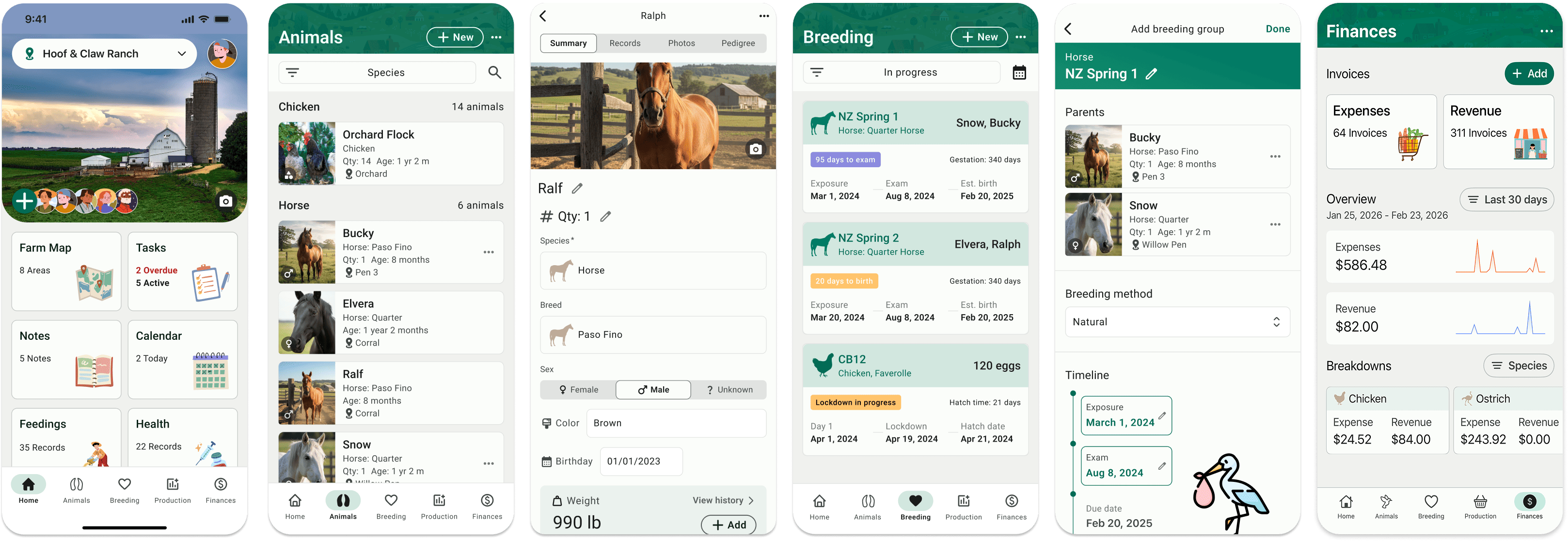
Manage Horse Records and Expenses More Easily
Keeping track of horse expenses, health records, and breeding dates can quickly become overwhelming—especially if you manage multiple animals. FarmKeep helps horse owners organize everything in one place.
With FarmKeep you can:
- Track horse health records and vaccinations
- Log farrier visits and veterinary care
- Record feed costs and expenses
- Manage breeding dates and foaling timelines
- Monitor horse performance and productivity
Instead of juggling notebooks and spreadsheets, you can keep your entire horse operation organized directly from your phone.
Final Thoughts
Buying a horse can cost anywhere from $1,000 to $10,000 for most recreational riders, but the real financial commitment comes from the ongoing care required to keep horses healthy and happy. Between feed, veterinary care, farrier services, boarding, and equipment, the yearly cost of horse ownership can easily reach $10,000 or more. Understanding these costs ahead of time helps new horse owners prepare financially and ensures they can provide proper care for their animals. For those who are ready for the responsibility, horse ownership can be one of the most rewarding experiences in farming and equestrian life.
FAQ
How much does a horse cost per month?
The average monthly cost of owning a horse ranges from $500 to $1,800 per month, depending on feed prices, boarding, veterinary care, and farrier costs.
What is the cheapest horse breed?
Some of the most affordable horses include:
- Mustangs (through adoption programs)
- Quarter Horses
- Older Thoroughbreds
- Miniature horses
However, temperament and training are usually more important than breed when choosing a horse.
Is owning a horse expensive?
Yes, horse ownership can be expensive. While the purchase price may only be a few thousand dollars, annual care expenses can range from $8,000 to $26,000 per year.
How long do horses live?
Most horses live 25 to 30 years, though some live longer with proper care.
Because horses live many years, the lifetime cost of owning a horse can exceed $200,000.
Is it cheaper to board a horse or keep it at home?
Keeping a horse at home can be cheaper if you already have pasture, fencing, and shelters. However, many horse owners board their horses at stables to access riding arenas, trainers, and professional care.
References
The information in this guide is based on pricing data from horse marketplaces, equine organizations, and horse ownership cost resources. Horse prices and ownership expenses can vary depending on location, training level, breed, and individual horse characteristics.
For additional information and market data, you can explore the following sources: