Free Poultry Feed Calculator: Calculate Feed Amounts, Bags & Costs
Wondering how much feed your chickens, ducks, turkeys, or other poultry need? FarmKeep's free Poultry Feed Calculator helps you estimate daily feed consumption, calculate how many bags to buy, and plan your feeding costs.
Whether you're caring for a small backyard flock or raising poultry for eggs and meat, knowing how much feed to purchase can make managing your flock easier—and help you avoid unexpected trips to the feed store.
How to Use the Poultry Feed Calculator
The FarmKeep Poultry Feed Calculator helps you plan how much complete feed your flock will need over a selected period. Start by selecting your poultry species, production stage, number of birds, and feeding duration. Then enter your feed bag size and, if you'd like to estimate costs, the price per bag. The calculator estimates your flock's feed requirements, converts the total into bags, and calculates your expected feeding expenses.
Simple Mode: Calculate Your Flock's Feed Needs
Simple Mode is ideal for planning feed purchases for an established flock. For example, if you have 20 laying hens and want to know how much feed to purchase for the next month, enter your flock size and a 30-day feeding period. The calculator will estimate daily feed consumption, total feed required, and the number of bags to buy. Where a reliable feeding estimate isn't available for a particular species or production stage, you can enter your own observed feed consumption.
Advanced Mode: Plan Feed for Growing Poultry
Young poultry don't consume the same amount of feed throughout their development. Advanced Mode allows you to plan for changing feed requirements as birds grow. For supported feeding schedules, you can enter the birds' starting age and target age to estimate consumption across that period. You can also adjust feeding waste and review feed requirements for different growth stages. This is particularly useful when raising broiler chickens, growing pullets, or turkeys for meat.

How Much Feed Does a Chicken Eat Per Day?
An adult laying hen typically consumes approximately ¼ pound (4 ounces or 113 grams) of complete feed per day. That means a flock of 10 laying hens would consume roughly 2.5 pounds daily, while 20 hens would consume approximately 5 pounds.
However, actual consumption varies depending on several factors:
- Breed and body size: Larger chickens generally require more feed than smaller breeds.
- Age: Growing chicks and pullets have different requirements from mature laying hens.
- Egg production: Hens need sufficient nutrients to support regular egg laying.
- Weather: Temperature can influence feed intake and energy requirements.
- Feed quality: Nutritional composition affects how well a feed meets a bird's needs.
A complete, balanced diet is important for maintaining laying-hen health and egg production.
Read the full Chicken Feed Guide here
Daily Chicken Feed Requirements by Flock Size
The following table estimates feed consumption for adult laying hens using 0.25 pounds per bird daily.
These estimates represent feed consumed, before accounting for feeding waste. If you're raising chicks or meat chickens, use age-appropriate feeding estimates rather than applying the adult laying-hen rate. For a more detailed explanation of feeding requirements by age and flock size, see our guide to How Much Feed Does a Chicken Eat Per Day?
How Much Does It Cost to Feed Chickens?
Feed is one of the most important ongoing expenses of raising backyard chickens. The total cost depends on how many birds you're feeding, how much they consume, the type of feed you purchase, and the price per bag. Fortunately, estimating your feed expenses is fairly straightforward once you know your flock's daily consumption.
Calculate Your Monthly Chicken Feed Costs
Let's say you have 20 laying hens that each consume approximately 0.25 pounds of feed daily.
Your flock would consume: 20 hens × 0.25 lb = 5 pounds per day
Over 30 days: 5 lb × 30 days = 150 pounds of feed consumed
But some feed may be spilled, scattered, or otherwise wasted. If you estimate 5% feeding waste, you'll need to supply approximately: 150 ÷ 0.95 = 157.9 pounds of feed
If feed comes in 50-pound bags, you'll need to purchase four bags. At an illustrative price of $22 per bag, your total purchase cost would be $88.
Notice that four bags contain 200 pounds of feed, even though your flock is expected to need only 157.9 pounds during the month. That doesn't mean the remaining feed is wasted. If stored properly and still suitable for feeding, it can be used during the following month.
What Affects the Cost of Feeding Chickens?
Several factors can influence your poultry feeding expenses.
Flock size: More birds generally mean greater feed consumption and higher overall costs.
Feed type: Starter, grower, finisher, and layer feeds can differ in price and formulation.
Feed quality: A nutritionally appropriate complete feed helps ensure your birds receive the nutrients they need.
Feeding waste: Spilled or contaminated feed increases the amount you must purchase.
Bag size and supplier: Comparing prices per pound can help you evaluate feed purchasing options.
The FarmKeep Poultry Feed Calculator lets you adjust your bag size and feed price to estimate expenses based on your own flock and local feed costs.
How Long Does a 50 lb Bag of Chicken Feed Last?
A 50-pound bag of chicken feed can last anywhere from a few days to several weeks, depending on your flock size. For adult laying hens consuming approximately 0.25 pounds daily, you can estimate how long a bag will last using this formula:
Days per bag = Bag weight ÷ Daily flock feed consumption
For example, 10 laying hens consume approximately 2.5 pounds of feed daily.
50 lb ÷ 2.5 lb = 20 days
So one 50-pound bag would last approximately 20 days before accounting for feeding waste.
How Long a 50-Pound Bag Lasts by Flock Size
These estimates assume adult laying hens and don't include additional feed lost through spilling or contamination. If you notice your flock going through feed faster than expected, check your feeders for waste and compare your actual usage with the calculated estimate.
Chicken Feed Consumption Chart by Age
Chickens need different amounts and types of feed as they grow. A newly hatched chick eats much less than an adult chicken, but its feed consumption increases as it develops. Growing birds also have different nutritional needs. Feed formulated for laying hens, for example, contains higher calcium levels than diets intended for young chicks. This is why age-based feeding calculations are especially useful when planning purchases for a new batch of chicks.
Starter, Grower, and Layer Feed Requirements
Commercial chicken feeding programs commonly divide growth into several stages.
Starter feed supports young chicks during early development. It is formulated to provide the nutrients needed for rapid growth.
Grower or developer feed supports birds as they mature before reaching egg-laying age.
Layer feed is formulated for hens producing eggs, including their increased calcium requirements.
Meat chickens may follow a different feeding program that includes starter and finisher feeds.
Example Chicken Feeding Stages
The appropriate transition ages and feed formulations can vary between commercial feeding programs. Always follow the instructions for your chosen complete feed and consult an appropriate poultry nutrition resource when selecting feed for your birds.
How Much Feed Do Broiler Chickens Need?
Broiler chickens are raised primarily for meat and typically grow much faster than chickens bred for egg production. Because their body weight increases rapidly, their feed consumption changes substantially throughout the growing period. Colorado State University Extension provides an example feeding schedule in which 10 broilers consume approximately 20 pounds of starter feed during weeks 0–4 and another 60 pounds of finisher feed during weeks 4–8.
Under that particular feeding program, a flock of 25 broilers would consume approximately:
- 50 pounds of starter feed during the first four weeks.
- 150 pounds of finisher feed during the following four weeks.
- 200 pounds of feed in total, before additional feeding waste.
These figures are examples from one published feeding program, not universal requirements for every meat chicken. Fast-growing commercial broilers and slower-growing heritage breeds may have very different feeding schedules. For more accurate purchasing estimates, use the Poultry Feed Calculator's age-based options and select the feeding model that best matches your birds.
Poultry Feed Requirements for Ducks, Turkeys, Geese & Quail
Although chickens are the most common backyard poultry, many farms also raise ducks, turkeys, geese, and quail. Each species has its own nutritional requirements, growth patterns, and feeding habits.
How Much Feed Do Ducks Need?
Ducks need a nutritionally appropriate diet that supports their age and production stage. Ducklings require starter feed during early growth, while older ducks may need grower, maintenance, breeder, or layer formulations. It is recommended to use commercially prepared diets for ducks and emphasizes proper feed quality, storage, and feeder management. Ducklings also have nutritional requirements that differ from chicks, including important differences in niacin needs. Because consumption varies by breed, age, and production purpose, it's best to use a feeding estimate appropriate for your particular ducks rather than assuming they eat the same amount as chickens.
How Much Feed Do Turkeys Need?
Turkeys generally require different feeding programs from chickens, particularly during early growth. Turkey poults often need higher-protein starter diets, followed by grower or finishing feeds as they mature. Their feed consumption also increases significantly as they gain weight. When raising turkeys for meat, planning feed purchases around the birds' age and target processing period can be more useful than relying on one daily consumption estimate.
How Much Feed Do Geese and Quail Need?
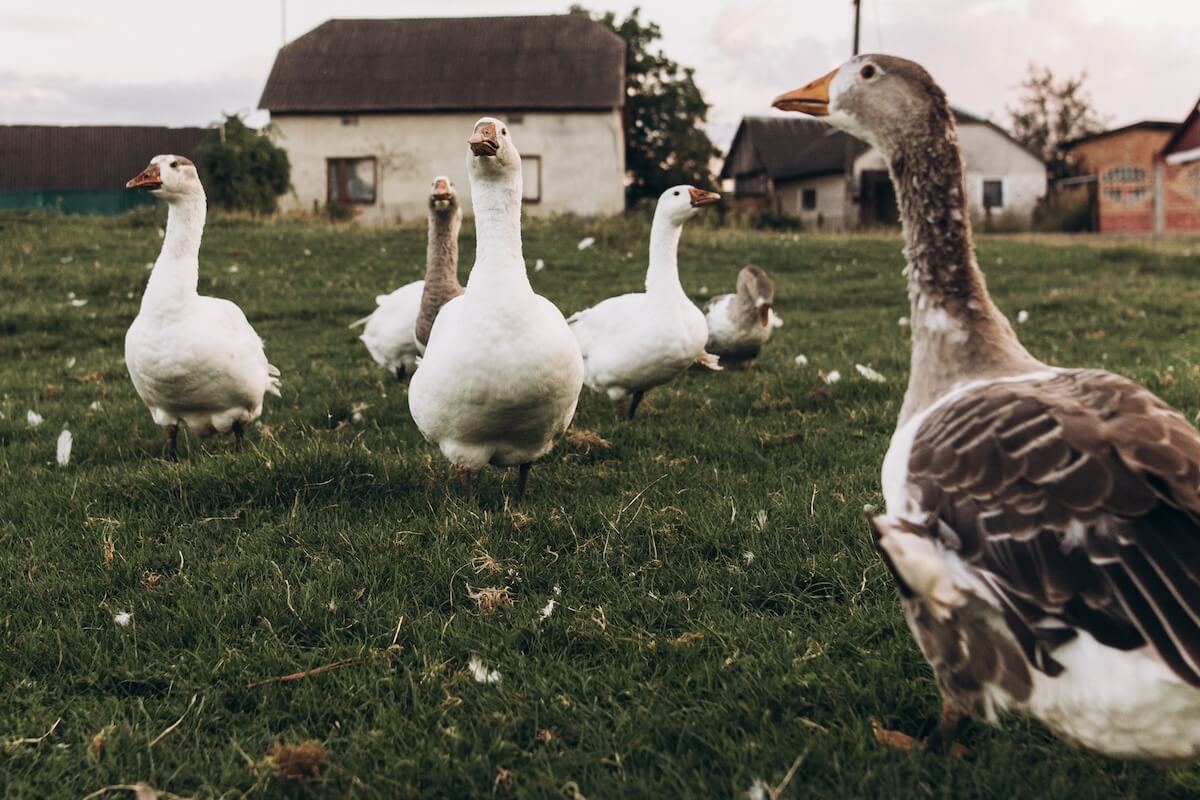
Geese and quail have very different feeding habits. Geese are grazing birds and may obtain a substantial portion of their nutrition from pasture when suitable forage is available. Their supplemental complete-feed requirements depend on age, grazing conditions, and management.
Quail are much smaller birds, but their nutritional requirements also depend on species, age, and whether they're being raised for eggs or meat.
For geese and quail, use species-appropriate complete feed and enter your observed daily consumption when a reliable preset isn't available.
The FarmKeep Poultry Feed Calculator supports custom intake estimates so you can plan feed purchases for these birds without relying on an unsuitable chicken feeding rate.
How to Reduce Poultry Feed Waste
Even small amounts of wasted feed can add up over time, especially with larger flocks. Reducing waste helps keep feeding costs manageable while ensuring your birds have access to clean, nutritious feed.
A few practical ways to reduce waste include:
- Use appropriately sized feeders. Feeders that are too low or poorly designed may allow birds to scatter feed.
- Keep feed dry. Moisture can cause spoilage and make feed unsuitable for consumption.
- Protect feed from pests. Store bags in secure containers away from rodents and insects.
- Avoid excessive spillage. Adjust feeder placement and filling practices to reduce scattered feed.
- Monitor actual consumption. Compare how much feed you purchase with how much your flock uses.
Feeder design, maintenance, and positioning can influence feed waste in ducks. When using the Poultry Feed Calculator, you can include an estimated feeding waste percentage in Advanced Mode to account for feed that won't be consumed.
More Livestock Calculators
Explore FarmKeep's free livestock tools to help plan feed quantities and expenses.
FAQ
How much feed does a chicken eat per day?
An adult laying hen typically consumes around 0.25 pounds (4 ounces or 113 grams) of complete feed daily. Actual intake varies with breed, age, body size, weather, and egg production. Growing chicks and broilers have different feeding requirements.
How much feed do 20 chickens need per month?
Using 0.25 pounds per adult laying hen daily, 20 chickens would consume approximately 5 pounds per day or 150 pounds over 30 days. You may need to purchase additional feed to account for spillage and other feeding waste.
How long does a 50-pound bag of chicken feed last?
For 10 adult laying hens consuming 0.25 pounds each daily, a 50-pound bag would last approximately 20 days before feeding waste. Larger flocks will use the same bag more quickly.
How much feed do broilers need before processing?
Feed requirements vary by breed, growth rate, and processing age. One Colorado State University Extension example estimates approximately 8 pounds per broiler over an eight-week feeding program. Other production systems may require substantially more, so use a feeding schedule appropriate for your birds.
Do free-range chickens still need commercial feed?
Free-ranging chickens may consume insects, seeds, and other forage, but the amount and nutritional value can vary widely. A nutritionally balanced complete feed helps ensure birds receive essential nutrients, especially during growth and egg production. Don't automatically reduce feed requirements by a fixed percentage simply because your birds free-range.
Sources & Further Reading
The following university extension resources provide additional guidance on poultry nutrition, feed consumption, and flock feeding management.