Black Angus Cow & Why It's Popular in the USA
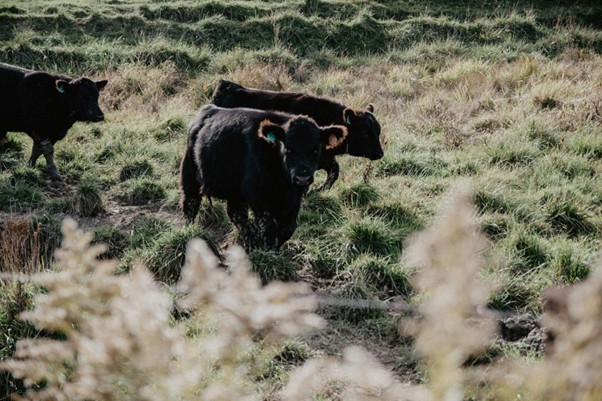
States. Originally developed in Scotland, this pure beef breed has become the backbone of American beef production thanks to its exceptional meat quality, adaptability, and ease of management.
Today, Black Angus cattle are widely raised across the Midwest, Plains, and Southern states. In this blog, we will explore the origin, genetics, health, nutrition, and management of the Black Angus breed.
What Is Angus Cattle?
Angus cattle, often referred to as Aberdeen-Angus, are a polled (naturally hornless) beef cattle breed that originated in northeastern Scotland, particularly in the counties of Aberdeen and Angus. This region was well-suited for livestock production due to its temperate climate, abundant pastures, and well-distributed rainfall conditions that helped shape and improve the breed over time.
Angus cattle are known for their solid-colored coats (most commonly black), robust build, and adaptability, traits that have contributed to their worldwide popularity as a premier beef breed. A mature Angus cow typically stands 48–50 inches tall at the shoulder and weighs between 1,200 and 1,500 pounds, depending on breeding and nutrition.
In the USA, Black Angus cattle are best known for their highly marbled, tender beef, which consistently earns premium prices in the market. Beyond meat quality, farmers value them for their calving ease, strong maternal instincts, and calm temperament, making them ideal for both beginners and large commercial operations.
They also adapt well to a wide range of US climates, from colder northern regions to warmer southern states, and perform efficiently on grass as well as grain-based diets. Their naturally polled (hornless) trait further reduces handling injuries and management costs.
Early Cattle Pregnancy Signs: What to Look for in Your Herd
What Is the Angus Origin Story?
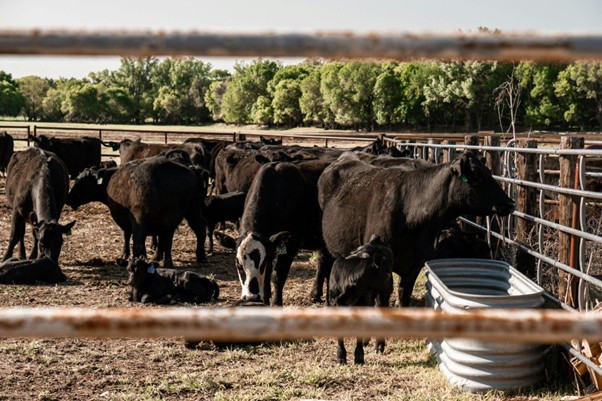
The history of Angus cattle stretches back centuries in northern Scotland, where indigenous polled cattle were commonly found long before written records. These early cattle varied widely in color and form, but as Scottish agriculture advanced in the late 1700s, breeders began more systematic efforts to improve livestock. Two main local strains, the Angus doddies from Angus county and the Buchan humlies from Aberdeenshire, were progressively crossed and refined.
A pivotal figure in the development of the modern Angus breed was Hugh Watson of Keillor, who in the early 1800s strongly selected for black-coated, hornless cattle. His breeding and exhibition efforts helped standardize the traits that distinguish Angus cattle today.
Another significant contributor was William McCombie of Tillyfour, whose careful breeding, promotion, and success in shows helped establish the reputation of the Aberdeen-Angus breed internationally.
The first Angus cattle were imported to the United States in the 1870s, when four bulls from Scotland were brought to Kansas. Initially viewed as unusual due to their black, hornless appearance, these cattle impressed American ranchers when crossed with local cows and their offspring performed well on winter range, grew steadily, and demonstrated the breed’s adaptability and value to US beef production
Angus Special Characteristics That Farmers Love
- Superior Meat Quality: Known for excellent marbling, tenderness, and flavor, Angus beef consistently earns premium market prices.
- Naturally Polled (hornless): Reduces injuries, stress, and labor costs associated with dehorning.
- Calving Ease: Angus cows are well-known for easier births and lower calf mortality, making herd expansion smoother.
- Strong Maternal Instincts: Excellent mothering ability, good milk production, and high calf survival rates.
- Adaptability: Performs well across diverse U.S. climates—from cold northern states to hot southern regions.
- Efficient Feed Conversion: Converts feed into muscle effectively, lowering feed costs per pound of gain.
- Docile Temperament: Easier handling improves safety, reduces stress, and supports better weight gain.
- Early Maturity: Reaches market weight faster compared to many other beef breeds.
- Strong Crossbreeding Value: Improves carcass quality and fertility when crossed with other breeds.
Angus Cattle Breeds in the USA
Cattle Gestation Calculator Estimate Calving Dates with Precision
What Is Angus Beef, and Why Is It So Valuable?
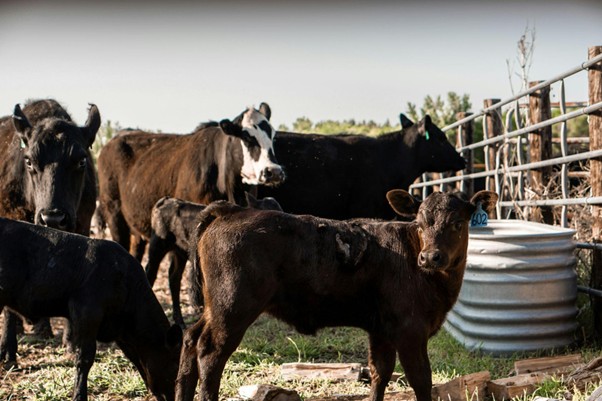
Angus beef comes from Angus cattle and is prized for its exceptional marbling, tenderness, and rich flavor. The fine streaks of intramuscular fat found in Angus beef melt during cooking, resulting in juicier, more flavorful cuts compared to many other beef types. This consistent eating quality is the primary reason Angus beef commands premium prices in grocery stores, restaurants, and export markets.
In the United States, Angus beef is often associated with quality grading programs—most notably the Certified Angus Beef (CAB) program. To qualify, beef must meet strict standards for marbling, maturity, carcass weight, and appearance. While not all Angus cattle qualify for CAB, the breed’s genetics make it far more likely to achieve higher USDA grades such as Choice and Prime.
For farmers, this translates into strong market demand, reliable buyer interest, and better price stability. Feed efficiency, predictable growth rates, and carcass uniformity further enhance Angus beef’s value, making it one of the most profitable and market-trusted beef options in the US.
Ketosis in Cattle: Meaning, Symptoms, and Treatment
Is Angus Cattle Right for Your Farm or Homestead?
Angus cattle are an excellent fit for a wide range of operations, from small homesteads to large commercial ranches. Their docile temperament, calving ease, and adaptability make them especially appealing to beginners who want a manageable, low-stress breed. Angus cattle perform well on pasture-based systems, grain finishing, or mixed feeding programs, giving farmers flexibility in how they raise their herd.
For homesteaders, Angus cattle offer reliable meat production without requiring specialized facilities. For commercial producers, they provide consistent performance, strong resale value, and access to premium beef markets. They also crossbreed well, improving meat quality and fertility in mixed herds.
However, Angus cattle do best when provided with good nutrition, proper pasture management, and regular health care. Farms with access to quality forage and a basic herd management plan will see the best results. If your goal is dependable beef production, ease of handling, and long-term profitability, Angus cattle are a smart and proven choice.
Common Parasites in Cattle: Identification, Symptoms & Control
How Successful Angus Farmers Manage Herds Efficiently
- Importance of Tracking Breeding Cycles: Maintain accurate heat, breeding, and pregnancy records to improve conception rates, predict calving windows, and reduce open cows.
- Monitoring Weight, Growth, and Production: Regularly record weights and growth rates to evaluate feed efficiency, identify top performers, and time market sales for maximum returns.
- Financial Tracking Per Animal: Track feed costs, veterinary expenses, and overall investment per cow or calf to understand true profitability and guide culling decisions.
- Task Scheduling and Compliance Records: Schedule vaccinations, health checks, breeding tasks, and inspections while keeping complete compliance records for audits and certifications.
- Data-driven Decision Making: Use herd performance data instead of guesswork to improve breeding, nutrition, and herd structure.
- Preventive Health Management: Stay ahead of disease through routine vaccinations, parasite control, and early health intervention.
- Operational Consistency: Standardize daily and seasonal workflows to reduce labor inefficiencies and minimize costly mistakes.
FarmKeep Spotlight: Manage Your Angus Cattle the Smart Way
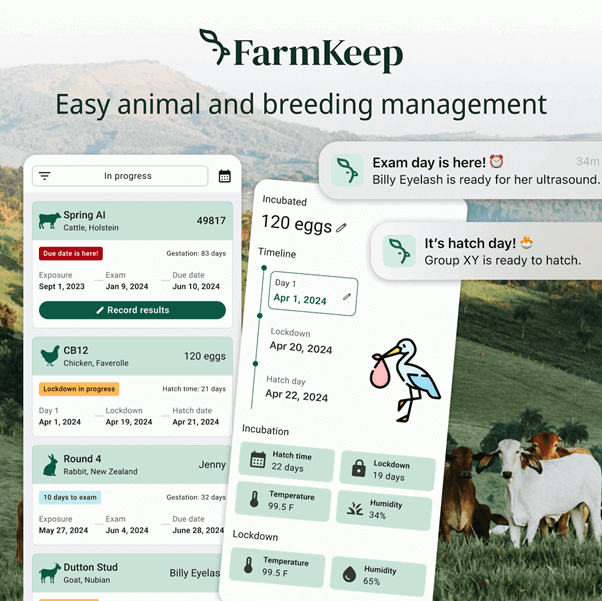
To manage your angus cattle breed efficiently, you can use FarmKeep. The platform helps farmers reduce reproductive losses, stay organized, strengthen genetics, and improve herd productivity with easy-to-use digital tools.
- Centralized records for breeding, pregnancy, gestation, calving, health, and pedigree in one place
- Automated reminders for heat cycles, insemination, vaccinations, pregnancy checks, and calving dates
- Detailed calving tracking, including calf ID, birth weight, calving ease, and survival data
- Actionable insights into fertility trends, calving schedules, and reproductive efficiency
- All-in-one herd management, combining breeding, health, and grazing records on a single platform
FAQs
What is Black Angus cattle?
Black Angus cattle are a pure beef breed known for their solid black coat, naturally hornless (polled) heads, and high-quality meat. They are prized for excellent marbling, adaptability, and ease of management, making them one of the most popular beef breeds in the United States.
What is the average Angus bull weight?
An adult Angus bull typically weighs 1,800 to 2,400 pounds, depending on genetics, nutrition, and management. Mature cows usually weigh less, averaging 1,200 to 1,500 pounds.
Are Angus cattle good for small farms?
Yes. Angus cattle are well-suited for small farms and homesteads due to their docile temperament, calving ease, and ability to perform well on pasture-based systems. They don’t require specialized facilities and are relatively easy to manage for beginners.
What is Angus beef, and why is it expensive?
Angus beef comes from Angus cattle and is valued for its high marbling, tenderness, and rich flavor. It is often more expensive because it consistently grades higher, meets strict quality standards, and has strong consumer demand.
What are the special characteristics of Angus cattle?
Key characteristics include:
- Naturally hornless (polled)
- Excellent meat marbling and carcass quality
- Strong maternal instincts and calving ease
- Efficient feed conversion
- Adaptability to diverse climates
- Calm and manageable temperament
How big does an Angus cow get?
A mature Angus cow typically stands 48–50 inches tall at the shoulder and weighs between 1,200 and 1,500 pounds, depending on breeding and nutrition.
Where did Angus cattle originate?
Angus cattle originated in northeastern Scotland, specifically in the counties of Aberdeen and Angus. They were later introduced to the United States in the late 1800s and quickly gained popularity for their performance and beef quality.