Blue Chicken Eggs: Breeds, Egg Production & Why Chickens Lay Blue Eggs
What Are Blue Chicken Eggs?
Blue chicken eggs are eggs with naturally blue-colored shells laid by certain breeds of chickens. The color comes from a pigment called biliverdin, which is deposited during egg formation.
Unlike brown eggs, where the pigment is added to the outside of the shell, blue eggs are colored throughout. If you crack one open, you’ll see that the inside of the shell is also blue.
Aside from shell color, blue eggs are no different from white or brown eggs in terms of structure or basic nutritional content.

Why Do Some Chickens Lay Blue Eggs?
The ability to lay blue eggs comes down to genetics—specifically a trait known as the oocyan gene.
This gene causes biliverdin pigment to be incorporated into the shell early in the egg formation process. That’s why blue eggs have consistent color all the way through the shell.
In simple terms:
- White eggs have no pigment
- Brown eggs have pigment applied at the end
- Blue eggs are pigmented from the beginning
This also explains why blue eggs don’t “fade” the way brown eggs sometimes can.
Chicken Breeds That Lay Blue Eggs
Ameraucana Chickens
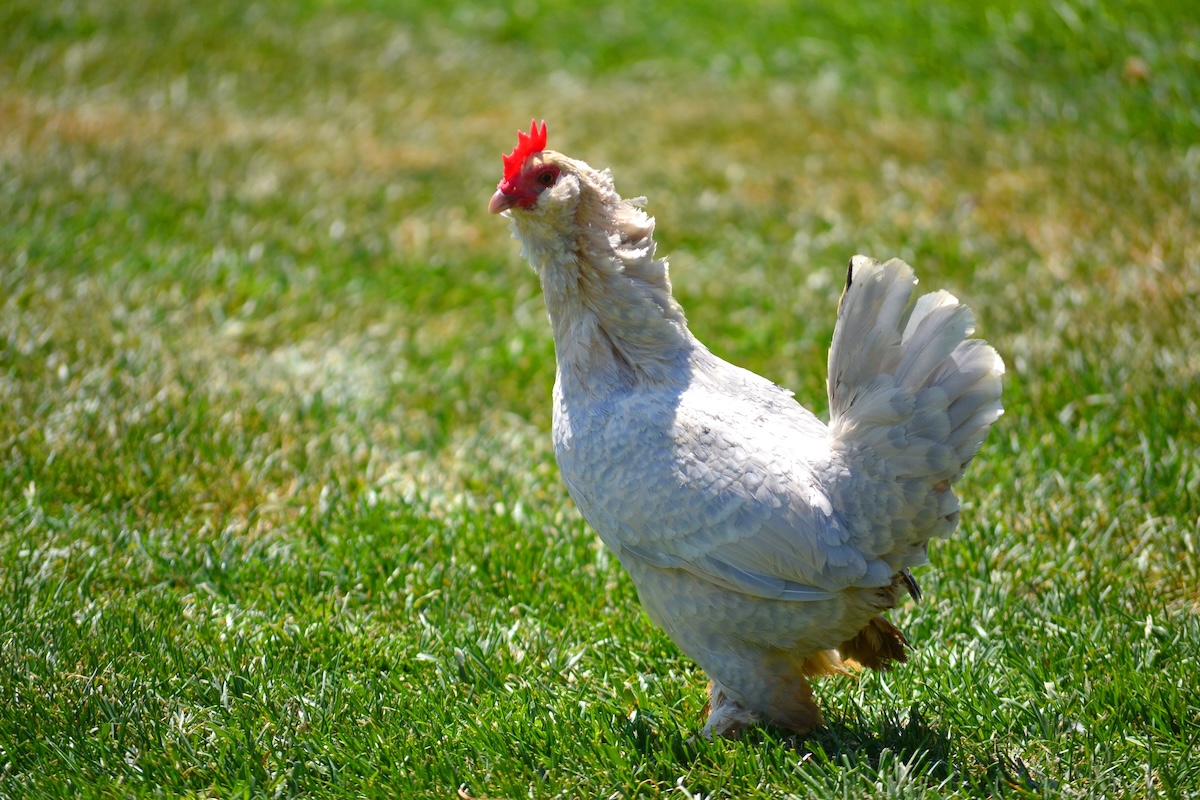
Ameraucana chickens are one of the most reliable breeds for producing true blue eggs. They are known for their consistent egg color and relatively calm temperament.
They also have distinctive facial features, including a beard and muffs.
It’s worth noting that the breed name is often misspelled as “Americauna,” which is common in online searches.
Araucana Chickens
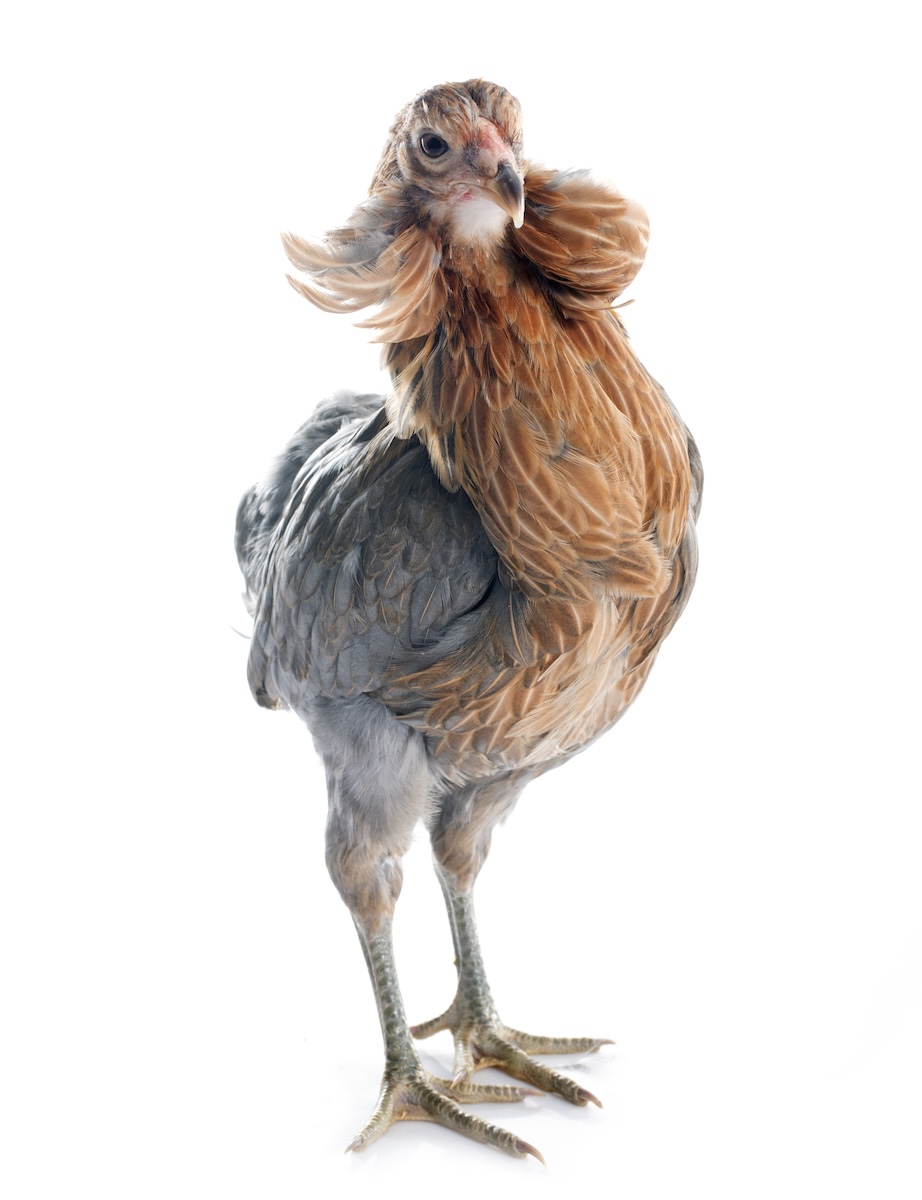
Araucanas are one of the original blue egg-laying breeds, but they are less common and more challenging to raise.
They are known for two unusual traits: they are often rumpless (lacking a tail) and may have ear tufts. While they do lay blue eggs, their genetics can make breeding and hatch rates more difficult.
Cream Legbar Chickens
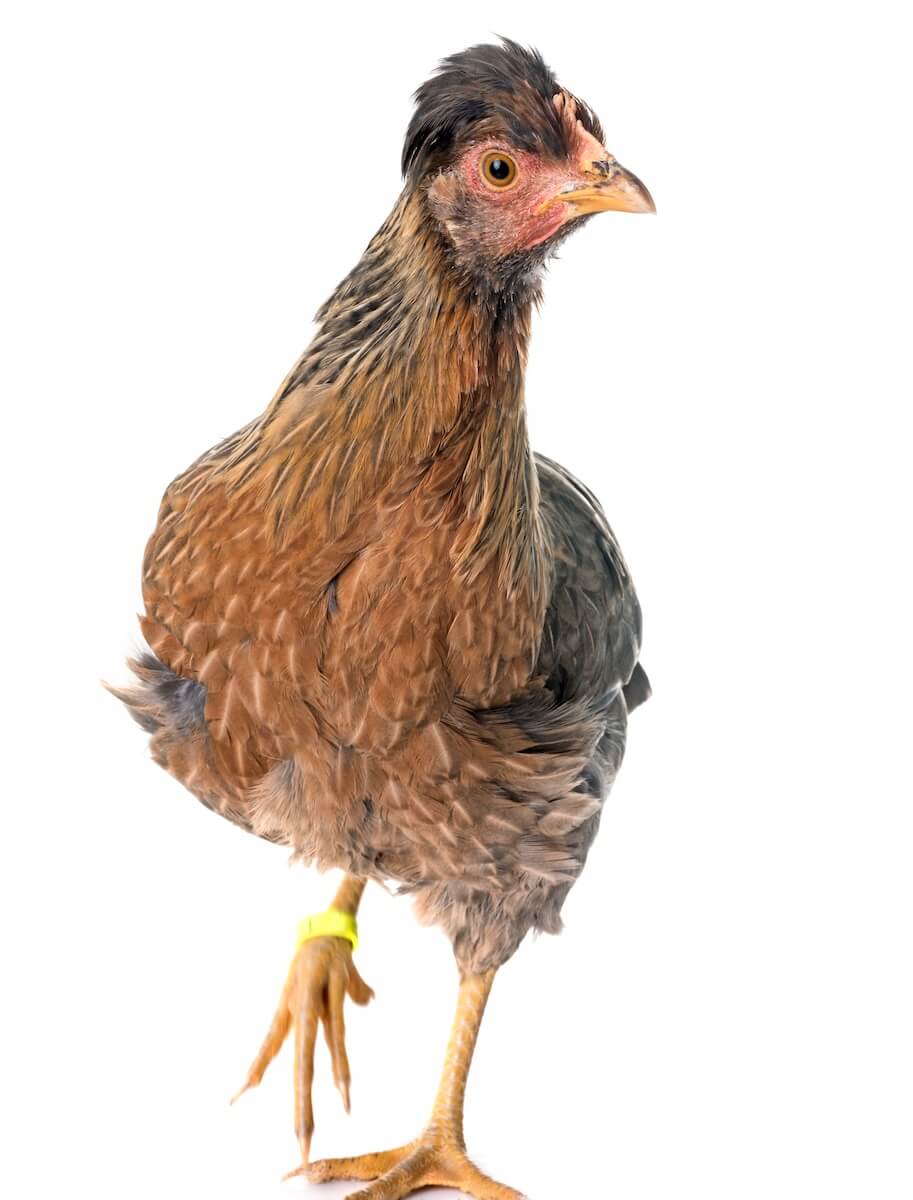
Cream Legbars are one of the most popular and dependable blue egg-laying breeds, especially for backyard flocks. They are known for producing consistently bright blue eggs and for their autosexing trait—meaning chicks can be identified as male or female at hatch based on color.
These chickens are active, intelligent, and excellent foragers, making them a great fit for free-range environments. Cream Legbars also have a distinctive appearance, with a small crest on their head and sleek, lightweight bodies.
Easter Egger Chickens
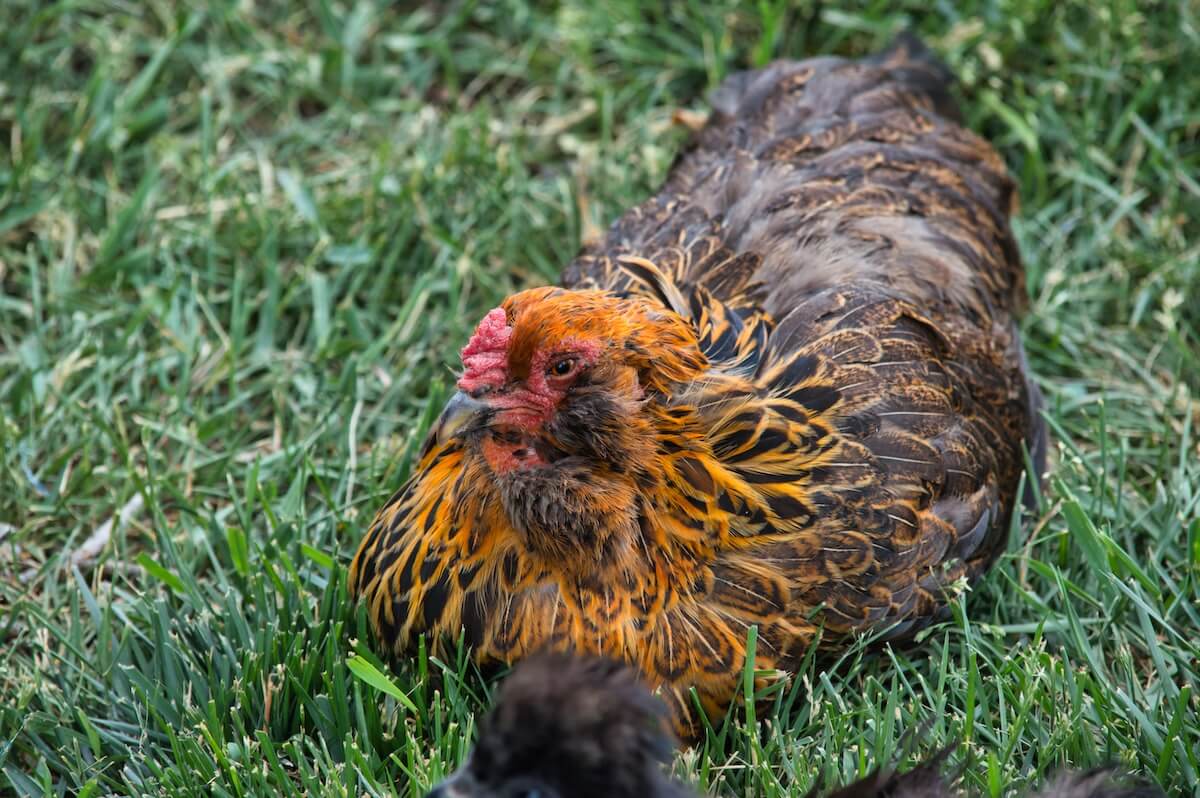
Easter Eggers are not a standardized breed but rather a mixed lineage that carries the blue egg gene.
They are popular among backyard chicken keepers because they are hardy, friendly, and often more productive than purebred lines. They can lay blue, green, or other tinted eggs, depending on their genetics.
Ameraucana Egg Production: What to Expect
Ameraucana chickens are considered moderate layers. On average, you can expect:
- Around 150 to 200 eggs per year
- Medium-sized eggs
- Consistent production during peak seasons
Easter Eggers may produce more eggs overall, while Araucanas tend to be slightly less consistent. Egg production will naturally fluctuate based on factors like daylight hours, nutrition, age, and overall flock health.
Read the Top Egg Laying Chickens Guide
Are Blue Chicken Eggs Healthier?
Blue eggs are not inherently healthier than brown or white eggs. The nutritional value of an egg depends much more on the chicken’s diet and living conditions than the shell color.
For example, pasture-raised chickens—regardless of egg color—often produce eggs with richer yolks and slightly improved nutrient profiles.
In short, shell color is a visual difference, not a nutritional one.
Blue Egg Layers vs Brown Egg Layers
From a practical standpoint, there is very little difference between blue and brown egg layers.
- Taste: No meaningful difference
- Nutrition: Comparable across all egg colors
- Production: Depends on breed, not shell color
The main distinction is market appeal. Blue eggs often stand out visually and can be more attractive to customers, especially in mixed “rainbow egg” cartons.
Best Blue Egg Laying Chickens for Beginners
If you’re new to raising chickens and want blue eggs, some breeds are easier to work with than others.
Good options include:
- Easter Eggers for ease and productivity
- Ameraucana for consistent blue eggs
Araucanas are generally not recommended for beginners due to their more complex genetics and breeding challenges.
How to Increase Egg Production in Blue Egg Layers
Improving egg production comes down to good flock management. Key factors include:
- Providing a balanced layer feed with adequate protein
- Ensuring constant access to clean water
- Maintaining consistent daylight exposure (natural or supplemental)
- Reducing stress in the flock
- Monitoring for parasites or illness
Many production issues come from small changes that go unnoticed over time, which is why tracking matters.
What To Feed Chickens for Fast Growth and Egg Laying
How to Track Egg Production
Tracking egg production helps you understand how your flock is performing and where improvements can be made.
By keeping consistent records, you can:
- Identify your most productive hens
- Spot declines in production early
- Compare performance between breeds
- Adjust feeding or management strategies
Even simple daily tracking can reveal patterns that would otherwise be easy to miss.
Guide on Incubating Chicken Eggs

Using FarmKeep to Manage Egg Production
For those who want a more organized approach, tools like FarmKeep can simplify tracking.
With FarmKeep, you can:
- Log egg production by individual chicken or flock
- Track health, breeding, and feeding data
- Monitor trends over time
- Keep all your farm records in one place
This kind of visibility makes it easier to make informed decisions and maintain consistent production.
Learn more about how to start your own poultry operation.
FAQ
What chickens lay blue eggs?
Ameraucana, Araucana, and Easter Eggers are the most common.
Are blue eggs rare?
They are less common than brown eggs, but widely available among backyard flocks.
Do blue eggs taste different?
No. Taste is influenced by diet and freshness, not shell color.
Can all Ameraucana chickens lay blue eggs?
True Ameraucanas should consistently lay blue eggs.
Why did my chicken stop laying blue eggs?
Possible reasons include molting, stress, aging, reduced daylight, or nutritional issues.
Final Thoughts
Blue chicken eggs are a result of genetics, not a different type of egg entirely. While they don’t offer nutritional advantages over other eggs, they are visually distinct and often appealing to both backyard keepers and customers.
For most chicken owners, the real value isn’t just in the color of the eggs—it’s in understanding how to manage a flock effectively. Paying attention to production, health, and consistency will have a much bigger impact than breed choice alone.
And the more closely you track what’s happening in your flock, the easier it becomes to improve it over time.