Australorp Chicken: Egg Production, Temperament, and Care Guide (2026)
If your main goal is a steady basket of eggs without a bunch of high-maintenance birds, the Australorp is hard to beat. This breed has been a go-to for decades because it’s reliable, calm, and consistently productive.
For backyard flocks, homesteads, and anyone focused on dependable egg production, Australorps have earned their reputation for a reason.
Whether you’re building your first backyard flock or trying to improve egg output, here’s what you should know about Australorp chickens—and whether they’re the right fit for you.
What Is an Australorp Chicken?
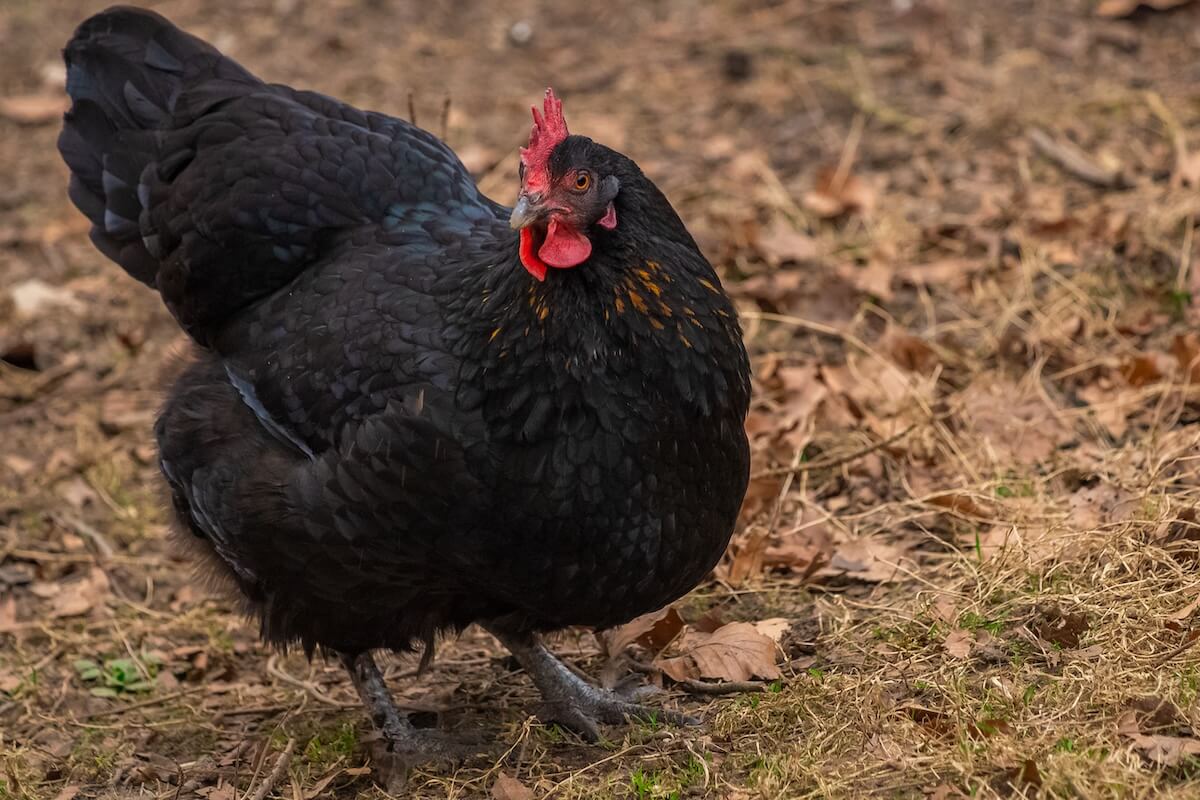
Australorps were developed in Australia from Black Orpington chickens. The name itself comes from “Australian Orpington.” The goal was simple: create a bird that lays a lot of eggs and can handle different conditions. The most common variety you’ll see is the Black Australorp, known for its deep black feathers that shimmer green in the sunlight.
Today, the Black Australorp is by far the most common variety. In the right light, their feathers have a green, almost iridescent sheen that gives them a surprisingly polished look for such a practical bird.
Australorp Chicken Overview (Quick Facts)
How Many Eggs Do Australorps Lay?
Australorp chickens lay around 250 to 300 eggs per year, which puts them among the most productive backyard chicken breeds. That number isn’t theoretical—it’s backed by history. One Australorp hen famously laid 364 eggs in 365 days, a record that still gets referenced today.
In practical terms, what makes Australorps valuable isn’t just peak output—it’s consistency. They tend to lay steadily over time rather than in short bursts, which makes planning and tracking production much easier.
If your priority is dependable egg production, Australorps are one of the safest bets.
Temperament: What Are Australorps Like to Raise?
One of the reasons Australorps are so popular is how easy they are to work with.
Most Australorps are:
- Calm and steady
- Easy to handle
- Good in mixed flocks
They’re a great option if you’ve got kids around or just don’t want to deal with aggressive birds.
Roosters are often more manageable than other breeds, though temperament can always vary bird to bird.
Australorp Egg Color, Size, and Consistency
Australorps lay light brown eggs, typically medium to large in size.
With this breed, you’re not just getting eggs—you’re getting a reliable supply. That makes them a strong choice whether you’re feeding your household or selling extra eggs locally.

Size, Lifespan, and What to Expect Long-Term
Australorps are often described as a dual-purpose breed, but in most backyard setups, they’re raised primarily for eggs.
- Hens typically weigh around 6–7 pounds
- Roosters are closer to 8–10 pounds
- Lifespan ranges from 6 to 10 years
They’re not the fastest-growing birds, and they won’t compete with commercial meat breeds—but they offer a balanced, steady return over time.
Guide on Incubating Chicken Eggs
Pros and Cons of Australorp Chickens
Like any breed, Australorps have tradeoffs. The difference is that theirs tend to be manageable.
Where they shine:
- Strong, consistent egg production
- Calm and beginner-friendly temperament
- Good adaptability to both heat and cold
Where they can fall short:
- Occasional broodiness (which pauses egg laying)
- Heavier bodies make them less agile
- Slightly slower to mature than hybrid layers
For most backyard setups, the pros outweigh the cons pretty easily.
Are Australorps Good for Beginners?
Yes—and not just “good,” but one of the safest choices you can make.
They don’t require specialized care, they’re forgiving if you’re still learning, and they behave in predictable ways. That combination makes them ideal if you’re just getting started with chickens.
Learn more about how to start your own poultry operation.
How to Care for Australorp Chickens
Care for Australorps isn’t complicated, but getting the basics right makes a big difference in long-term production.
Housing:
A standard coop setup works well. Plan for enough space (about 3–4 square feet per bird inside), and make sure nesting boxes are easily accessible.
Essential Tips for Building a Chicken Coop: DIY Guide
Feeding:
A quality layer feed (16–18% protein) should be your foundation. Clean water and access to calcium (like oyster shell) will help maintain egg quality.
What To Feed Chickens for Fast Growth and Egg Laying
Climate:
Australorps handle cold weather well thanks to their dense feathers. In hotter climates, focus on shade and airflow to prevent heat stress.
Health:
They’re generally hardy birds, but it’s still worth watching for parasites and keeping an eye on weight, since calmer breeds can sometimes become less active.
Read the Comprehensive Guide on Chicken Diseases, Symptoms, and Treatments
Australorp vs Other Egg-Laying Breeds
Australorps stand out because they strike a balance. Some breeds lay slightly more eggs, and others may be more active or hardy in specific conditions—but few combine productivity and temperament as well.
Read the Top Egg Laying Chickens Guide
Do Australorp Chickens Go Broody?
Australorps can go broody from time to time.
When they do, they’ll stop laying and focus on sitting on eggs. This can be useful if you want to hatch chicks, but if your goal is consistent egg production, it’s something you’ll need to manage.
History of the Australorp Chicken
The Australorp’s reputation didn’t happen by accident—it was intentionally bred into the bird.
In the early 1900s, Australian breeders began working with Black Orpington chickens, selecting specifically for higher egg production. Over time, this selective breeding created a new type of bird that outperformed its predecessors.
The turning point came when Australorps were tested in egg-laying trials. One hen laid 364 eggs in a single year, setting a world record without the use of artificial lighting or modern production methods.
That achievement helped establish the Australorp as one of the most productive laying breeds in the world, and it quickly gained popularity beyond Australia.
Today, even with the rise of commercial hybrid layers, Australorps remain one of the most trusted breeds for small farms and backyard flocks.
Is the Australorp Chicken Right for You?
Australorps make sense for a lot of setups, especially if your focus is eggs.
They’re a strong fit if you want:
- Reliable, steady egg production
- A calm, manageable flock
- A breed that adapts to different climates
They may not be the best choice if you’re focused heavily on meat production or trying to maximize output with commercial hybrids.
Track Your Australorp Egg Production
One thing many flock owners underestimate is how hard it is to improve what you’re not tracking.
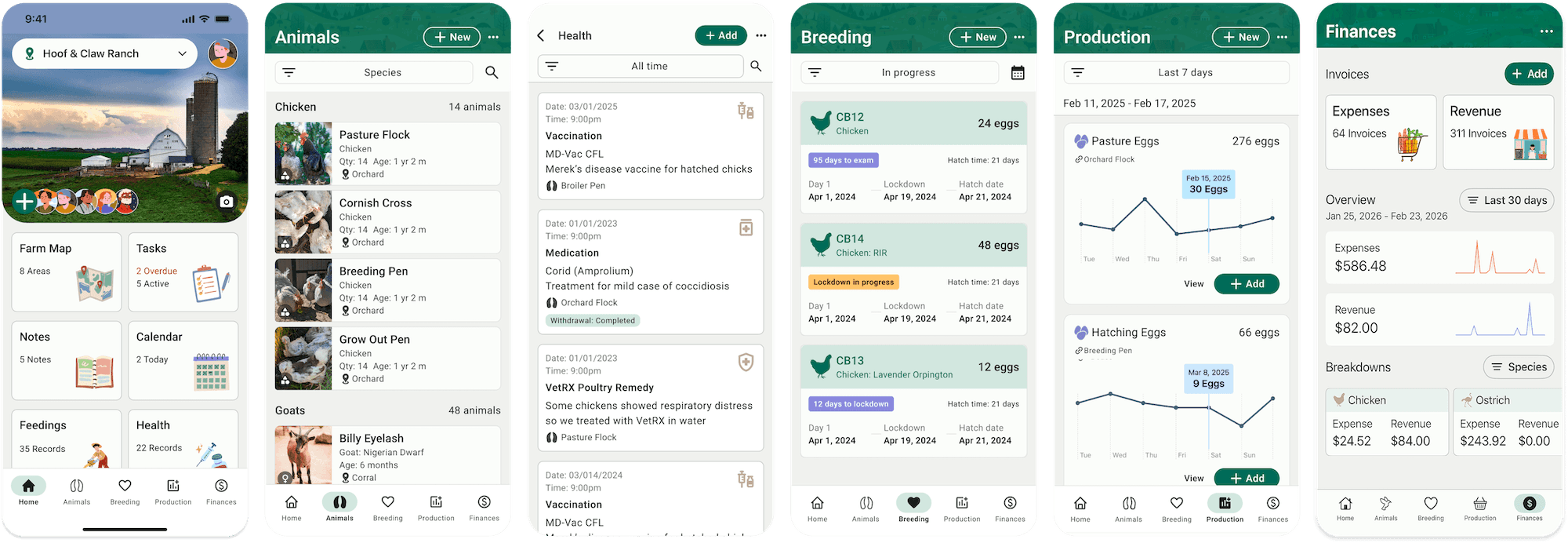
With a tool like FarmKeep, you can:
- Log daily egg production
- Track performance by individual hen
- Monitor health and breeding records
Instead of guessing how your flock is doing, FarmKeep can help you see what’s working for your chickens.
Final Thoughts
Australorps are one of those breeds that don’t need hype. They’ve already proven themselves.
If you want a chicken that lays consistently, behaves predictably, and doesn’t require constant management, this is a solid choice. For most backyard flocks, it’s not just a good option—it’s one of the most dependable ones out there.
FAQ
How many eggs do Australorp chickens lay?
Around 250–300 eggs per year.
Are Australorp chickens friendly?
Yes, they’re calm and easy to handle.
What color eggs do Australorps lay?
Light brown.
Are Australorps good for beginners?
Yes, they’re one of the best beginner-friendly breeds.