Californian Rabbit Breed Guide: Size, Temperament, Breeding, Meat Production & Care (2026)
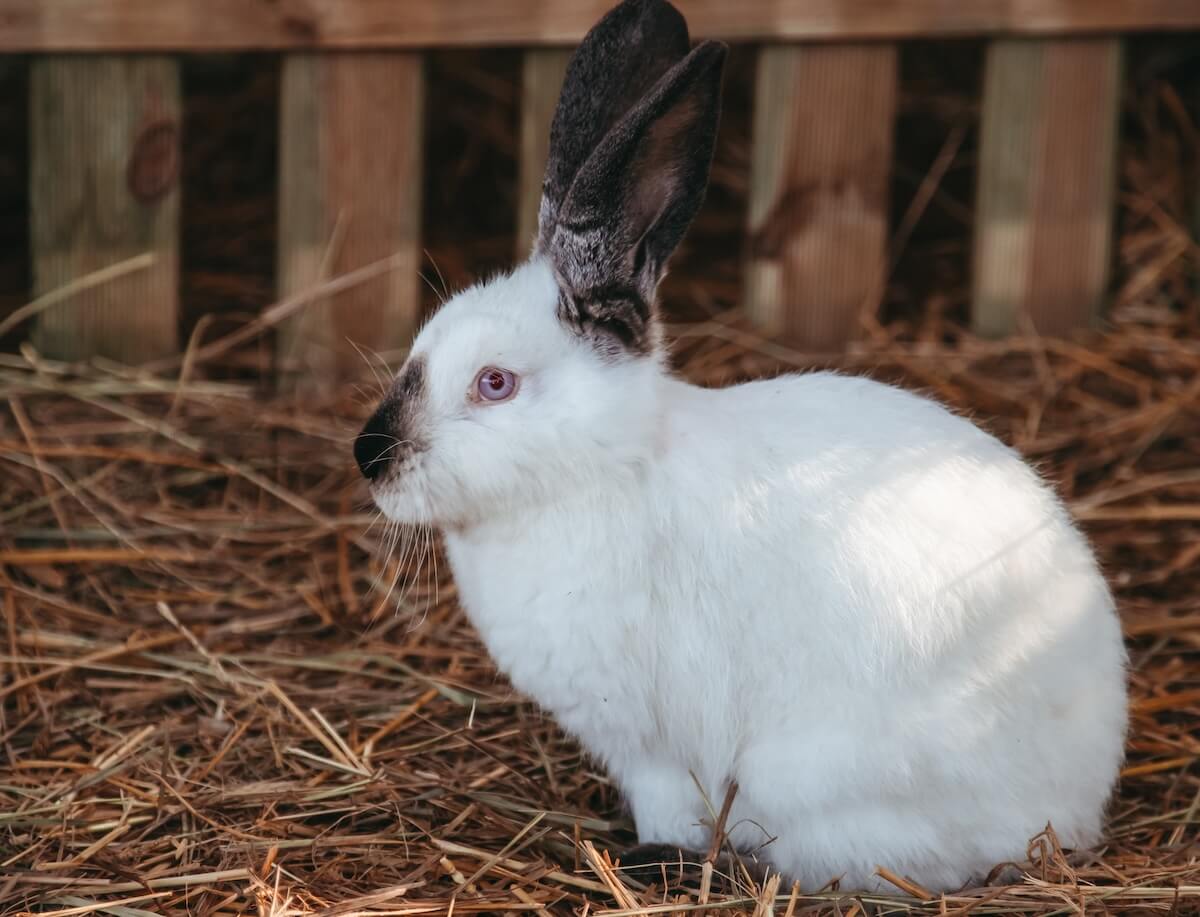
The Californian rabbit is one of the most popular and widely raised rabbit breeds in the world. Known for its distinctive white coat with dark ears, nose, feet, and tail, this breed is valued for its calm temperament, fast growth rate, and excellent meat production qualities.
Originally developed in California during the early 20th century, the Californian rabbit was specifically bred to be an efficient commercial meat rabbit. Today, it remains a favorite among homesteaders, backyard farmers, rabbit breeders, and small-scale livestock producers.
However, Californian rabbits are not just productive livestock animals. Their gentle temperament and manageable size also make them suitable for pet owners, 4-H projects, and educational farms.
In this comprehensive guide, we’ll cover everything you need to know about the Californian rabbit breed, including:
- history and breed development
- physical characteristics and size
- temperament and lifespan
- feeding and care requirements
- breeding and reproduction
- meat production potential
- comparisons with other meat rabbit breeds
Whether you’re considering raising rabbits for meat, breeding stock, or companionship, the Californian rabbit remains one of the most versatile and reliable rabbit breeds available.
What Is a Californian Rabbit?
The Californian rabbit is a medium-to-large domestic rabbit breed known for its distinctive color pattern and efficient meat production.
Key characteristics include:
- White body with dark nose, ears, feet, and tail
- Compact and muscular body shape
- Rapid growth rate
- Calm temperament
- High meat yield
Adult Californian rabbits typically weigh between 8 and 10.5 pounds, making them large enough for meat production while still being easy to handle.
Because of their productivity and adaptability, Californian rabbits are widely considered one of the best meat rabbit breeds for small farms and homesteads.
History of the Californian Rabbit
The Californian rabbit was developed in the 1920s by breeder George West in Southern California.
West wanted to create the ideal commercial rabbit breed that could provide:
- fast growth
- high-quality meat
- dense fur
- efficient feed conversion
To accomplish this, he crossed several existing breeds.
The main breeds used to create the Californian rabbit were:
- New Zealand White rabbits – known for size and growth rate
- Himalayan rabbits – responsible for the dark point coloration
- Standard Chinchilla rabbits – contributed body shape and fur density
After several generations of selective breeding, the result was a rabbit with a compact commercial body type and distinctive coloration.
The breed was officially recognized by the American Rabbit Breeders Association in 1939, and it quickly became one of the most important commercial meat rabbit breeds in North America.
Today, the Californian rabbit is still widely raised by:
- homesteaders
- backyard rabbit breeders
- commercial meat producers
- 4-H and FFA livestock programs
Californian Rabbit Characteristics
Size and Weight
Californian rabbits are considered a large breed, though they are smaller than giant breeds like Flemish Giants.
Typical weight ranges include:
Rabbits raised for meat are typically harvested when they reach fryer weight, which usually occurs between 8 and 12 weeks of age. At this stage, the meat is tender and the carcass yield is optimal.
Body Type
The Californian rabbit has what breeders refer to as a commercial body type. This body shape is specifically designed for meat production.
Characteristics include:
- broad, deep body
- muscular hindquarters
- smooth rounded back
- dense bone structure
This compact build allows the rabbit to produce high-quality carcasses with an excellent meat-to-bone ratio.

Coat and Color
One of the most recognizable features of the Californian rabbit is its coat pattern.
Standard coloration includes:
- white body
- black nose
- black ears
- black feet
- black tail
These darker areas are known as points. The points are caused by a temperature-sensitive gene that produces darker fur in cooler parts of the body. Although black points are the most common, some rabbits may also have blue points or chocolate points. The fur itself is short, dense, and smooth.
Californian Rabbit Temperament
Californian rabbits are generally known for their calm and docile temperament, which makes them easier to handle than many other breeds.
Typical temperament traits include:
- gentle personality
- adaptable behavior
- tolerance of handling
- relatively low aggression
Because of these qualities, Californian rabbits are often recommended for:
- beginner rabbit owners
- homesteaders
- small farms
- 4-H livestock projects
Proper socialization from a young age helps ensure rabbits remain comfortable around humans. While individual personalities vary, most Californians are considered easy to manage compared to more energetic breeds.
Californian Rabbit Lifespan
The average lifespan of a Californian rabbit is typically 5 to 10 years.
Several factors influence how long rabbits live, including:
- diet quality
- housing conditions
- genetics
- veterinary care
- stress levels
Rabbits raised for meat are usually harvested at 8–12 weeks, but breeding rabbits kept on farms can live many years if properly cared for.

What Do Californian Rabbits Eat?
Like all rabbits, Californian rabbits require a diet that is high in fiber and nutritionally balanced. A healthy rabbit diet generally includes three main components.
Hay
Hay should make up 70–80% of a rabbit’s diet.
Common hay options include:
- timothy hay
- orchard grass
- meadow hay
Hay is critical for maintaining digestive health and preventing gastrointestinal issues. It also helps wear down rabbit teeth, which grow continuously.
Rabbit Pellets
Commercial rabbit pellets provide concentrated nutrition.
Typical feeding guidelines include:
- ¼ cup pellets per 5 pounds of body weight for adults
- free-choice feeding for growing or nursing rabbits
Quality pellets should contain:
- high fiber
- balanced protein levels
- minimal fillers
Growing rabbits typically require 16–18% protein, while adult rabbits do well on slightly lower protein levels.
Fresh Greens
Fresh greens provide additional vitamins and enrichment. With a garden, it's easy to save money on feed costs and grow fresh food for rabbits.
Safe vegetables include:
- romaine lettuce
- mustard greens
- cilantro
- basil
- dandelion greens
New foods should always be introduced gradually to avoid digestive upset.

Housing and Care
Proper housing is essential for keeping rabbits healthy and productive.
Common housing options include:
- wire rabbit cages
- colony pens
- indoor hutches
- outdoor hutches
Key housing considerations include:
Ventilation
Good airflow helps prevent respiratory issues and overheating.
Cleanliness
Cages should be cleaned regularly to prevent ammonia buildup and disease.
Protection
Outdoor rabbits must be protected from predators such as raccoons, dogs, and hawks.
Temperature
Rabbits tolerate cold temperatures better than heat.
Providing shade and proper airflow is essential during hot weather.
Best Cage Size for Californian Rabbits
If you do decide to raise your rabbits in cage setups, providing the best cage size for Californian rabbits helps ensure good health and productivity.
Typical recommendations include:
- 24 x 30 inches for adult rabbits
- 30 x 36 inches for breeding does with litters
Wire cages with good ventilation are commonly used by breeders because they help keep rabbits clean and dry.
Breeding Californian Rabbits
Californian rabbits are known for their strong reproductive performance. This makes them extremely valuable for meat rabbit production systems. It's important to understand best breeding practices and pay attention to signs of pregnancy in rabbits to ensure successful kindling.
Age of Sexual Maturity
Most Californian rabbits reach breeding age around 5 to 6 months old.
Breeding too early can cause health problems, so rabbits should reach healthy adult weight before breeding.
Gestation Period
The gestation period for rabbits is approximately 31 days.
Does will typically build a nest shortly before giving birth. Providing a nest box with clean bedding helps protect newborn kits.
Use a rabbit gestation calculator to help you calculate the due date.
Litter Size
Californian rabbits typically produce litters of 6 to 10 kits.
Some litters may be larger depending on genetics and nutrition.
Does are generally good mothers and produce adequate milk for their litters.
How Fast Do Californian Rabbits Grow?
One of the reasons the Californian rabbit is so popular is its rapid growth rate. They grow much faster than most rabbit breeds raised for meat.
With proper nutrition and housing, young rabbits typically reach:
- 2–3 pounds by 6 weeks
- 4 pounds by 8 weeks
- 4.5–5 pounds by 10 weeks
This fast growth allows farmers to reach Californian rabbit fryer weight quickly, making the breed highly efficient for meat production.
Are Californian Rabbits Good for Meat Production?
Yes. The Californian rabbit is widely considered one of the best meat rabbit breeds available.
Advantages include:
- rapid growth rate
- efficient feed conversion
- high-quality meat
- good mothering ability
- manageable adult size
Many homesteaders use Californians either as purebred meat rabbits or in crossbreeding programs.
Crosses between Californian and New Zealand rabbits are especially popular because they combine:
- strong growth rates
- good litter sizes
- hybrid vigor
Best Age to Butcher Meat Rabbits
For most meat rabbit breeds, including the Californian rabbit, the best age to butcher meat rabbits is between 8 and 12 weeks.
At this stage:
- rabbits reach optimal fryer weight
- meat remains tender
- feed conversion efficiency is highest
Waiting longer can result in tougher meat and reduced feed efficiency.
Californian Rabbit vs New Zealand Rabbit
The Californian rabbit and the New Zealand rabbit are two of the most common meat rabbit breeds.
Here is how they compare.
New Zealand rabbits are slightly larger, while Californians are often praised for their excellent carcass quality and efficient growth.
Many breeders keep both breeds together.
Are Californian Rabbits Good Pets?
Although they are commonly raised for meat production, Californian rabbits can also make friendly and engaging pets.
Reasons they make good pets include:
- calm temperament
- manageable size
- relatively easy care requirements
- adaptability to human interaction
However, rabbits require consistent care, including:
- daily feeding
- regular cage cleaning
- social interaction
- veterinary care when needed
Families considering a pet rabbit should research proper rabbit care before bringing one home.
Common Health Problems in Californian Rabbits
Like all rabbits, Californians can experience certain health issues.
Some of the most common include:
Gastrointestinal Stasis
A potentially serious condition where the digestive system slows down. High-fiber diets and constant access to hay help prevent this.
Dental Issues
Rabbit teeth grow continuously and must be worn down through chewing fibrous foods. Providing hay and chew toys helps prevent overgrown teeth.
Respiratory Infections
Poor ventilation and dirty housing can lead to respiratory problems. Keeping cages clean and well ventilated reduces risk.
Parasites
Different external parasites such as mites, fleas, blowflies, and internal parasites such as coccidia, pinworms, and tapeworms can infect whole colonies. It's important to understand and practice parasite prevention measures.

Pros and Cons of Californian Rabbits
Pros
- fast growth rate
- excellent meat production
- calm temperament
- efficient feed conversion
- reliable breeding performance
Cons
- less tolerant of extreme heat
- require consistent nutrition
- breeding programs require space and management
Managing Californian Rabbits With Farm Records
Raising Californian rabbits successfully involves more than feeding and housing your animals. Whether you are breeding rabbits, producing meat, or managing a small homestead, keeping accurate records is essential for improving productivity and maintaining healthy animals.
Many rabbit breeders track information such as:
- breeding dates
- litter sizes
- growth rates
- feed consumption
- health treatments
- pedigree information
These records help farmers understand which rabbits produce the best offspring, how quickly animals reach fryer weight, and how breeding programs perform over time.
For example, tracking Californian rabbit breeding records allows farmers to monitor:
- the gestation period of each breeding
- average litter size
- kit survival rates
- how fast kits grow to fryer weight
Over time, this data makes it easier to select the best breeding animals and improve overall herd performance.
Using FarmKeep for Rabbit Management and Record Keeping
Digital tools can make rabbit record keeping significantly easier, especially for breeders managing multiple animals.
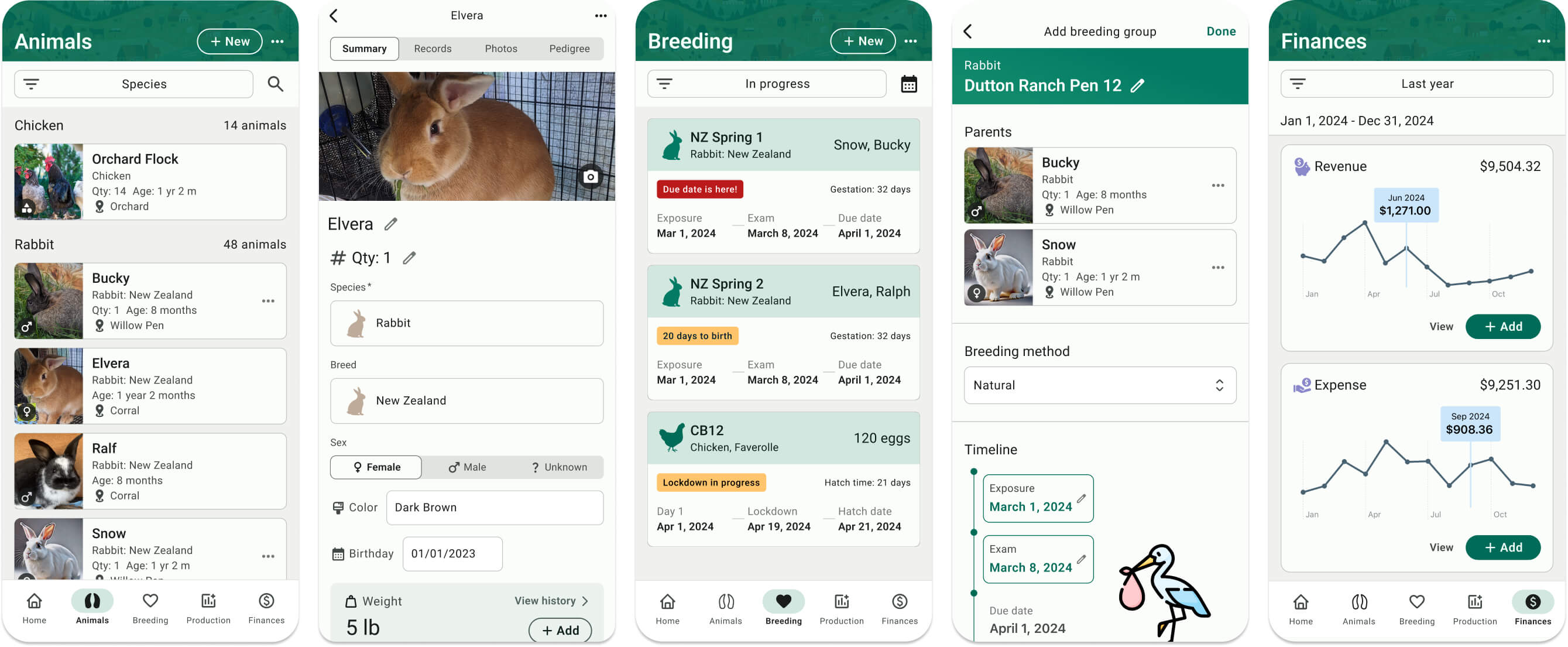
Platforms like FarmKeep allow rabbit owners to organize important farm data in one place. Instead of relying on notebooks or spreadsheets, farmers can track their animals directly from a phone or computer.
Rabbit breeders can use farm management tools to track:
- individual rabbit profiles
- breeding schedules
- litter records
- growth and production data
- health treatments and medications
- feeding schedules
For example, a breeder raising Californian rabbits for meat might record:
- when a doe was bred
- when the litter was born
- how many kits survived
- how quickly kits reached fryer weight
Having this information organized makes it much easier to identify productive breeding pairs and plan future litters.
Farm management software can also help farmers manage other parts of their operation, including feed costs, animal inventory, and production records.
Why Rabbit Record Keeping Matters
Consistent record keeping is one of the most important habits successful rabbit breeders develop.
Tracking rabbit data allows farmers to:
- improve breeding outcomes
- monitor animal health
- track production efficiency
- reduce feed waste
- plan future breeding schedules
For farmers raising Californian rabbits for meat production, detailed records can also reveal how quickly animals grow and which breeding lines perform best.
Over time, this information helps farmers make better decisions that improve both animal welfare and farm productivity.
Final Thoughts
The Californian rabbit remains one of the most reliable and productive rabbit breeds available today.
Developed specifically for meat production, this breed combines:
- rapid growth
- efficient feed conversion
- excellent carcass quality
- calm temperament
These qualities make the Californian rabbit a top choice for homesteaders, small farms, backyard breeders, and livestock programs.
Whether you’re raising rabbits for food, breeding, or companionship, the Californian rabbit offers a versatile and dependable option for rabbit keepers of all experience levels.
FAQs
How big do Californian rabbits get?
Adult Californian rabbits typically weigh 8 to 10.5 pounds.
How fast do Californian rabbits grow?
Californian rabbits usually reach 4–5 pounds by 8–10 weeks, making them ideal for meat production.
How many babies do Californian rabbits have?
Most Californian rabbits produce 6–10 kits per litter, though larger litters are possible.
Are Californian rabbits friendly?
Yes. Californian rabbits are generally calm and easy to handle compared to many other breeds.
Are Californian rabbits good for beginners?
Yes. Their hardy nature and manageable temperament make them a good choice for beginners.
What do Californian rabbits eat daily?
A healthy daily diet for Californian rabbits includes unlimited hay, a measured portion of rabbit pellets, and small amounts of fresh greens.
What is the Californian rabbit breeding age?
Most Californian rabbits reach breeding age at 5 to 6 months old, once they reach a healthy adult weight.
What is the Californian rabbit gestation period?
The Californian rabbit gestation period is about 31 days, which is typical for most domestic rabbits.
What is the average litter size for Californian rabbits?
The average litter size for Californian rabbits is usually 6 to 10 kits, though larger litters sometimes occur.