New Zealand Rabbit Breed Guide: Size, Temperament, Breeding, Meat Production & Care
The New Zealand rabbit is one of the most widely raised domestic rabbit breeds in the world. Known for its rapid growth rate, large size, and excellent meat production qualities, this breed has become the backbone of many commercial and small-scale rabbit farming operations.
Despite the name, the New Zealand rabbit was actually developed in the United States in the early 20th century, where breeders sought to create a rabbit that could grow quickly, produce high-quality meat, and thrive in a variety of farming environments.
Today, New Zealand rabbits are commonly raised by:
- homesteaders
- backyard rabbit farmers
- commercial meat producers
- 4-H and FFA livestock programs
Their calm temperament and manageable care requirements also make them suitable for rabbit breeders who are just getting started.
In this guide, we’ll explore everything you need to know about the New Zealand rabbit breed, including:
- breed history and development
- size and physical characteristics
- temperament and lifespan
- feeding and housing requirements
- breeding performance and litter size
- meat production potential
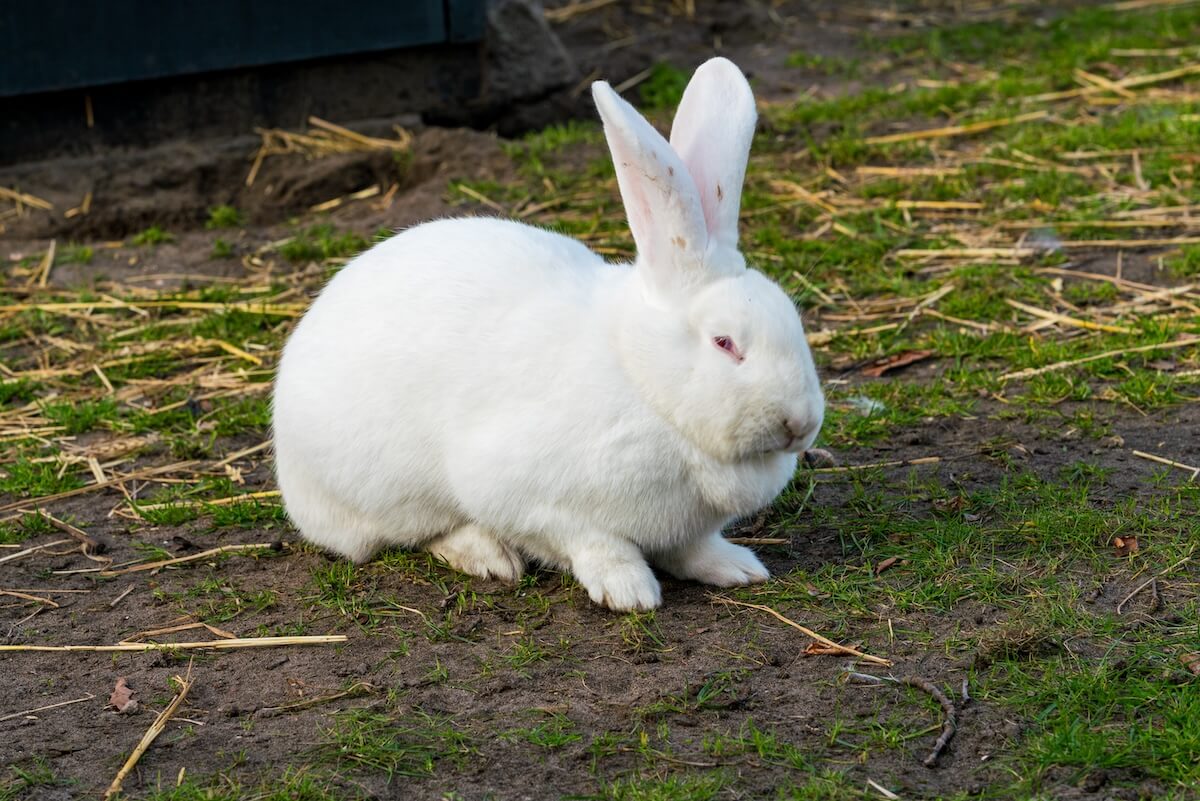
What Is a New Zealand Rabbit?
The New Zealand rabbit is a large domestic rabbit breed known for its fast growth, muscular body type, and excellent feed efficiency.
Key breed traits include:
- large body size
- rapid growth rate
- strong reproductive performance
- calm temperament
- high-quality meat production
Adult New Zealand rabbits typically weigh 9 to 12 pounds, making them slightly larger than many other meat rabbit breeds.
Because of their size and growth rate, they are widely considered one of the best rabbit breeds for meat production.
History of the New Zealand Rabbit
Despite the name, the New Zealand rabbit did not originate in New Zealand. The breed was developed in California in the early 1900s by American rabbit breeders.
The original New Zealand rabbits were bred from a mix of rabbits that may have included:
- Belgian hare–type rabbits
- Flemish Giant influences
- other large domestic rabbit breeds
Early breeders focused on producing rabbits with:
- rapid growth
- large body size
- strong reproduction rates
The breed gained recognition by the American Rabbit Breeders Association (ARBA) in 1916.
Over time, several color varieties of New Zealand rabbits were developed, including:
- white
- red
- black
- broken
The New Zealand White rabbit eventually became the most widely raised variety due to its suitability for meat production and research purposes.
New Zealand Rabbit Characteristics
Size and Weight
New Zealand rabbits are considered a large rabbit breed. Because of their rapid growth, many meat producers harvest New Zealand rabbits at 8–10 weeks of age when they reach fryer weight
Typical weight ranges include:
Body Type
New Zealand rabbits have a commercial body type, meaning their shape is optimized for meat production.
Key features include:
- broad, deep body
- thick hindquarters
- rounded topline
- strong bone structure
This body structure produces a high meat yield, making the breed ideal for meat rabbit farming.
Coat and Color
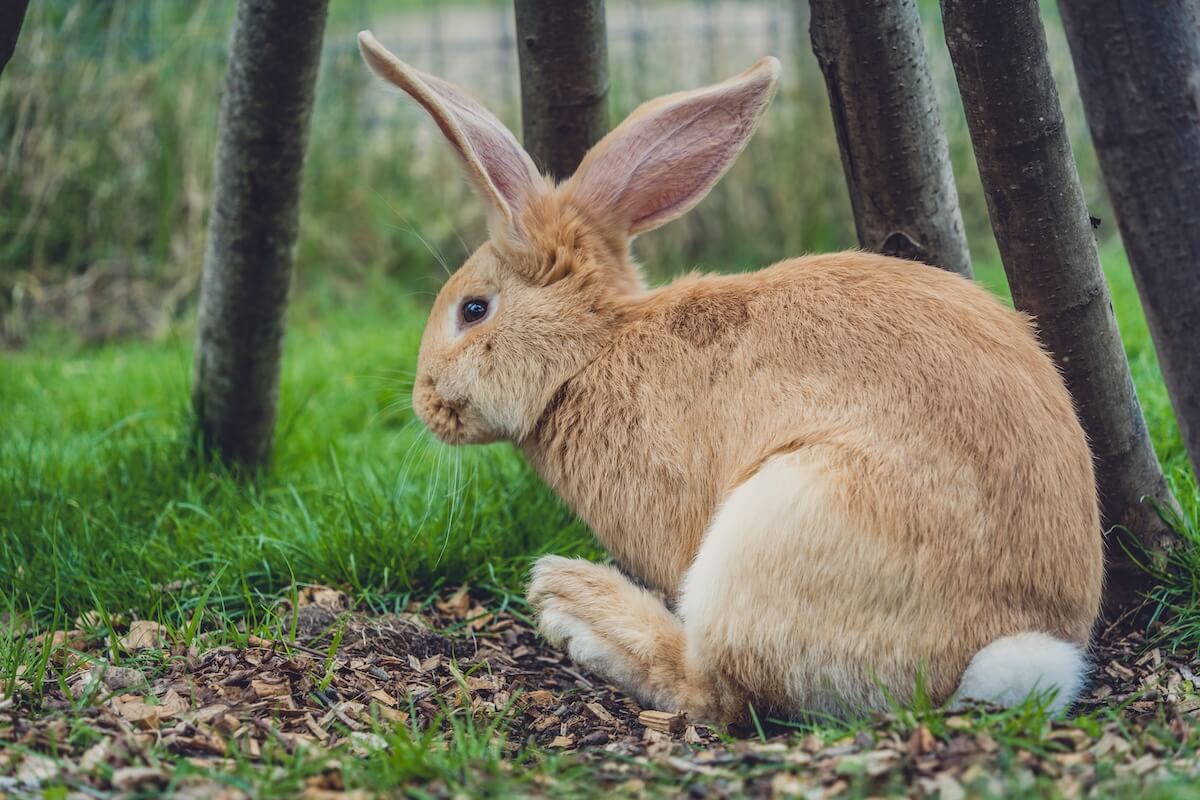
New Zealand rabbits come in several color varieties, including:
- white
- red
- black
- broken patterns
The New Zealand White rabbit is by far the most common variety used for meat production.
White rabbits were historically preferred because their pelts could be dyed easily and because they provide clean-looking carcasses.
Their fur is dense and smooth, requiring minimal grooming.
New Zealand Rabbit Temperament
New Zealand rabbits are generally known for their calm and manageable temperament.
Common personality traits include:
- docile behavior
- tolerance of handling
- adaptable personalities
- low aggression
Because of their gentle temperament, New Zealand rabbits are commonly used in:
- 4-H livestock programs
- agricultural education
- beginner rabbit breeding projects
When handled regularly from a young age, these rabbits typically become comfortable around people.
New Zealand Rabbit Lifespan
The average lifespan of a New Zealand rabbit is typically:
5 to 8 years
Lifespan depends on factors such as:
- diet quality
- housing conditions
- genetics
- veterinary care
Breeding rabbits kept on farms can live for many years when properly cared for.
What Do New Zealand Rabbits Eat?
New Zealand rabbits require a high-fiber diet similar to other domestic rabbit breeds.
A balanced rabbit diet includes:
Hay
Hay should make up 70–80% of a rabbit’s diet.
Common options include:
- timothy hay
- orchard grass
- meadow hay
Hay supports digestive health and helps prevent dental problems.
Rabbit Pellets
Pellets provide concentrated nutrients.
Typical feeding guidelines include:
- ¼ cup pellets per 5 pounds of body weight
Growing rabbits may receive slightly higher protein levels to support growth.
Fresh Greens
Fresh vegetables can supplement a rabbit’s diet. With a garden, it's easy to save money on feed costs and grow fresh food for rabbits.
Safe greens include:
- romaine lettuce
- cilantro
- mustard greens
- basil
- dandelion greens
Introduce new foods gradually.

Housing and Care
Proper housing helps ensure healthy rabbits and productive breeding programs.
Common housing options include:
- wire cages
- rabbit hutches
- colony pens
Important housing considerations include:
Ventilation
Good airflow reduces respiratory problems.
Cleanliness
Regular cleaning prevents disease and ammonia buildup.
Predator Protection
Outdoor rabbits must be protected from predators such as raccoons and dogs.
Health
New Zealand rabbits are susceptible to digestive and gut issues, respitory issues, and parasites. It's important to practice parasite prevention measures.
Breeding New Zealand Rabbits
New Zealand rabbits are known for excellent breeding performance, making them one of the most productive meat rabbit breeds.
Breeding Age
New Zealand rabbits typically reach breeding age around 5 to 6 months old.
Breeding too early can cause health problems.
Gestation Period
The gestation period for rabbits is typically 31 days.
Does will usually build nests shortly before giving birth.
Use a rabbit gestation calculator to easily manage breeding.
Litter Size
The average litter size for New Zealand rabbits is 8 to 10 kits.
Some litters may be larger depending on genetics and nutrition.
New Zealand Rabbit Growth Rate
One of the biggest advantages of New Zealand rabbits is their rapid growth rate.
Typical growth milestones include:
Are New Zealand Rabbits Good for Meat Production?
Yes. The New Zealand rabbit is widely regarded as one of the best meat rabbit breeds in the world.
Advantages include:
- fast growth rate
- large body size
- high meat yield
- strong breeding performance
Because of these qualities, New Zealand rabbits are often used as the foundation breed for meat rabbit farming operations.
New Zealand Rabbit vs Californian Rabbit
Two of the most common meat rabbit breeds are the New Zealand rabbit and the Californian rabbit.
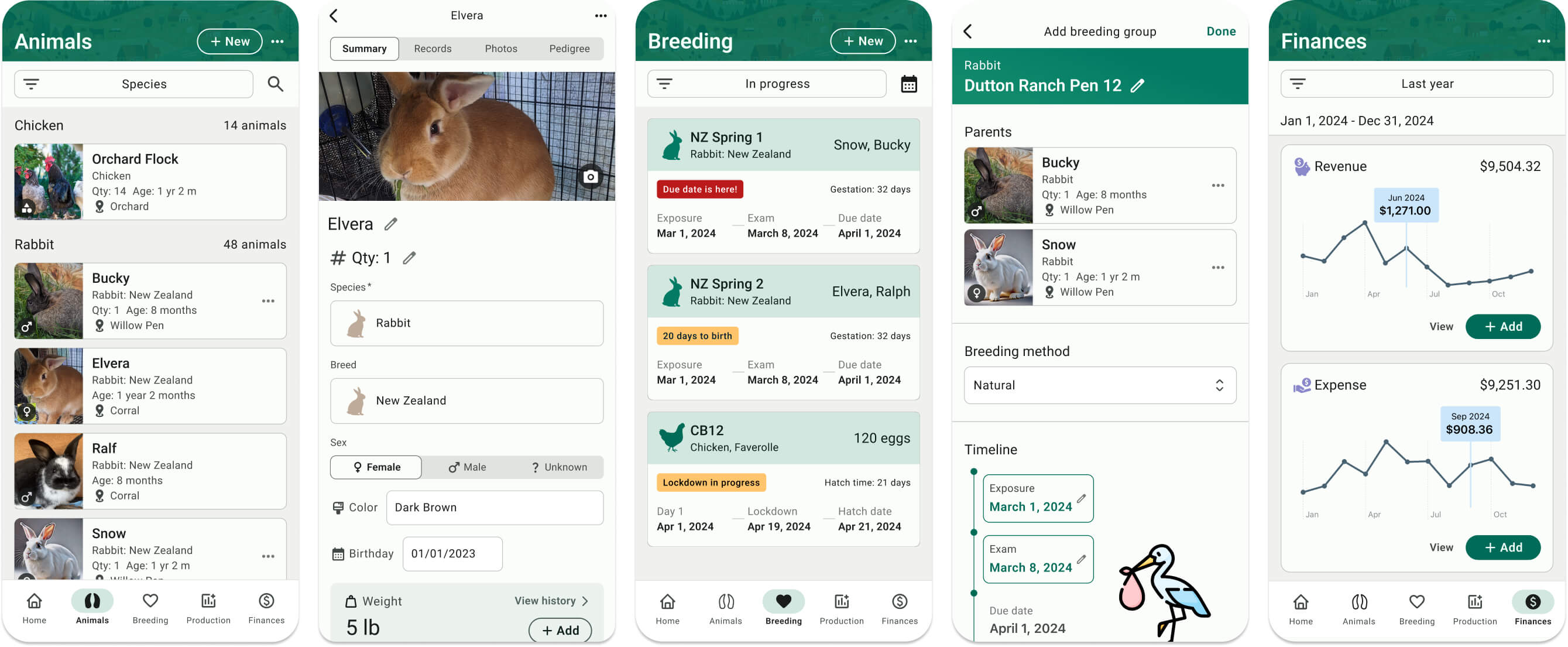
Managing New Zealand Rabbits With Farm Records
Successful rabbit breeders often track detailed records for their animals.
Important data may include:
- breeding dates
- litter sizes
- growth rates
- health treatments
- pedigree information
Good record keeping helps farmers identify their most productive breeding animals and improve their herd over time.
Final Thoughts
The New Zealand rabbit remains one of the most productive and widely raised rabbit breeds in the world.
With their large size, rapid growth, and excellent meat quality, they continue to be a top choice for homesteaders, backyard farmers, and commercial rabbit producers.
Whether you’re raising rabbits for meat production, breeding programs, or small farm livestock projects, the New Zealand rabbit offers reliability, efficiency, and adaptability.
FAQs
How big do New Zealand rabbits get?
Adult New Zealand rabbits typically weigh 9 to 12 pounds, making them one of the larger domestic rabbit breeds. Bucks usually weigh slightly less than does, but both sexes grow quickly and develop strong, muscular bodies suited for meat production.
How fast do New Zealand rabbits grow?
New Zealand rabbits are known for their rapid growth rate. Under good feeding conditions, young rabbits often reach 4 to 5 pounds by 8 to 10 weeks of age, which is considered ideal fryer weight for meat rabbits.
What is the average litter size for New Zealand rabbits?
The average litter size for New Zealand rabbits is typically 8 to 10 kits, although larger litters are not uncommon. Good nutrition and healthy breeding stock can help improve litter size and kit survival rates.
What is the gestation period for New Zealand rabbits?
The gestation period for New Zealand rabbits is about 31 days, which is typical for most domestic rabbit breeds. Does usually build a nest shortly before giving birth.
What age can New Zealand rabbits start breeding?
Most New Zealand rabbits reach breeding age at about 5 to 6 months old. Breeding too early can cause health problems, so rabbits should reach a healthy adult size before being bred.
Are New Zealand rabbits good for meat production?
Yes. New Zealand rabbits are widely considered one of the best rabbit breeds for meat production. They grow quickly, produce large litters, and have a high meat yield compared to many other breeds.
What is the best age to butcher New Zealand rabbits?
The best age to butcher New Zealand rabbits is usually between 8 and 12 weeks when they reach fryer weight. At this stage, the meat is tender and feed efficiency is highest.
What do New Zealand rabbits eat daily
A healthy diet for New Zealand rabbits includes:
- unlimited hay
- high-quality rabbit pellets
- fresh water
- occasional leafy greens
Hay should make up the majority of a rabbit’s diet because it supports digestion and dental health.
How long do New Zealand rabbits live?
The typical New Zealand rabbit lifespan is about 5 to 8 years when kept as pets or breeding animals. Rabbits raised for meat production are harvested much earlier.
Are New Zealand rabbits good pets?
Although they are commonly raised for meat production, New Zealand rabbits can also make calm and friendly pets. With regular handling and proper care, they are known to be gentle and adaptable.
What is the best cage size for New Zealand rabbits?
The best cage size for New Zealand rabbits is typically:
- 24 × 30 inches for adult rabbits
- 30 × 36 inches for breeding does with litters
Larger cages provide more comfort and help maintain rabbit health.
Are New Zealand rabbits aggressive?
New Zealand rabbits are generally calm and docile, especially when handled regularly from a young age. Aggression is uncommon but can occur if rabbits feel threatened or stressed.
How often can New Zealand rabbits be bred?
Healthy breeding does are typically bred 3 to 5 times per year in small farm operations. Commercial operations may breed more frequently, but proper recovery time between litters helps maintain rabbit health.
What are New Zealand rabbits used for?
New Zealand rabbits are commonly used for:
- meat production
- breeding programs
- agricultural education
- laboratory research
- small farm livestock projects
They are valued for their rapid growth and efficient feed conversion.
What is the difference between New Zealand rabbits and Californian rabbits?
New Zealand rabbits are typically larger and grow slightly faster, while Californian rabbits are known for their distinctive dark points and excellent carcass quality. Both breeds are commonly raised together in meat rabbit production systems.