ISA Brown Chicken: Egg Production, Lifespan, Pros & Cons (2026 Guide)
What Is an ISA Brown Chicken?
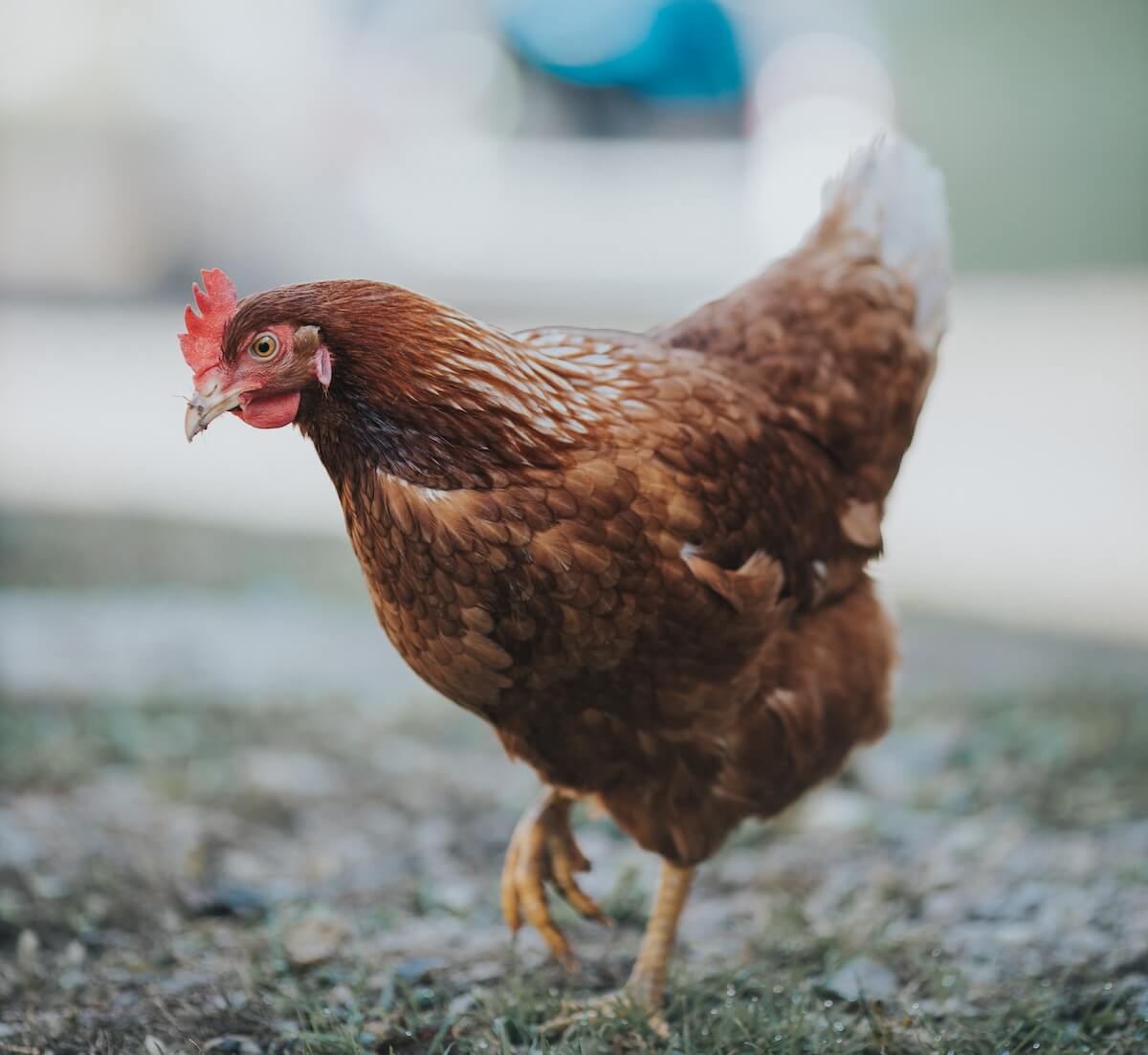
The ISA Brown chicken is a hybrid laying breed developed specifically for high egg production. Unlike heritage breeds, ISA Browns are the result of carefully controlled crossbreeding to maximize efficiency, consistency, and egg output.
They are widely used in:
- Commercial egg operations
- Backyard flocks
- Small farms focused on egg sales
Important distinction: ISA Browns are not a true breed—they’re a proprietary hybrid, meaning you can’t reliably breed them to reproduce the same traits.
History of the ISA Brown Chicken
The ISA Brown was developed in France in 1978 by the Institut de Sélection Animale (ISA), a company focused on genetic breeding programs for poultry.
The goal was simple (and very intentional): Create a chicken that produces the maximum number of eggs with consistent quality and minimal variability
To achieve this, breeders crossed multiple high-performing lines, including:
- Rhode Island Reds
- White Leghorns
This resulted in a bird that:
- Starts laying earlier than most breeds
- Produces significantly more eggs annually
- Maintains consistent brown egg color and size
Over time, ISA Browns became one of the most dominant commercial egg layers worldwide, used in both industrial and backyard settings.
But that optimization comes with tradeoffs (we’ll get into those).
ISA Brown Chicken Egg Production
This is where ISA Browns absolutely dominate.
How Many Eggs Do ISA Browns Lay?
ISA Browns can lay:
- 300–350 eggs per year
- Often 5–6 eggs per week
That puts them at the very top of egg-laying performance. This level of production is not natural—it’s engineered.
When Do ISA Browns Start Laying?
- Typically begin laying at 16–18 weeks
- Earlier than most traditional breeds
This makes them ideal if you want:
- Fast return on investment
- Quick egg supply

Egg Size and Color
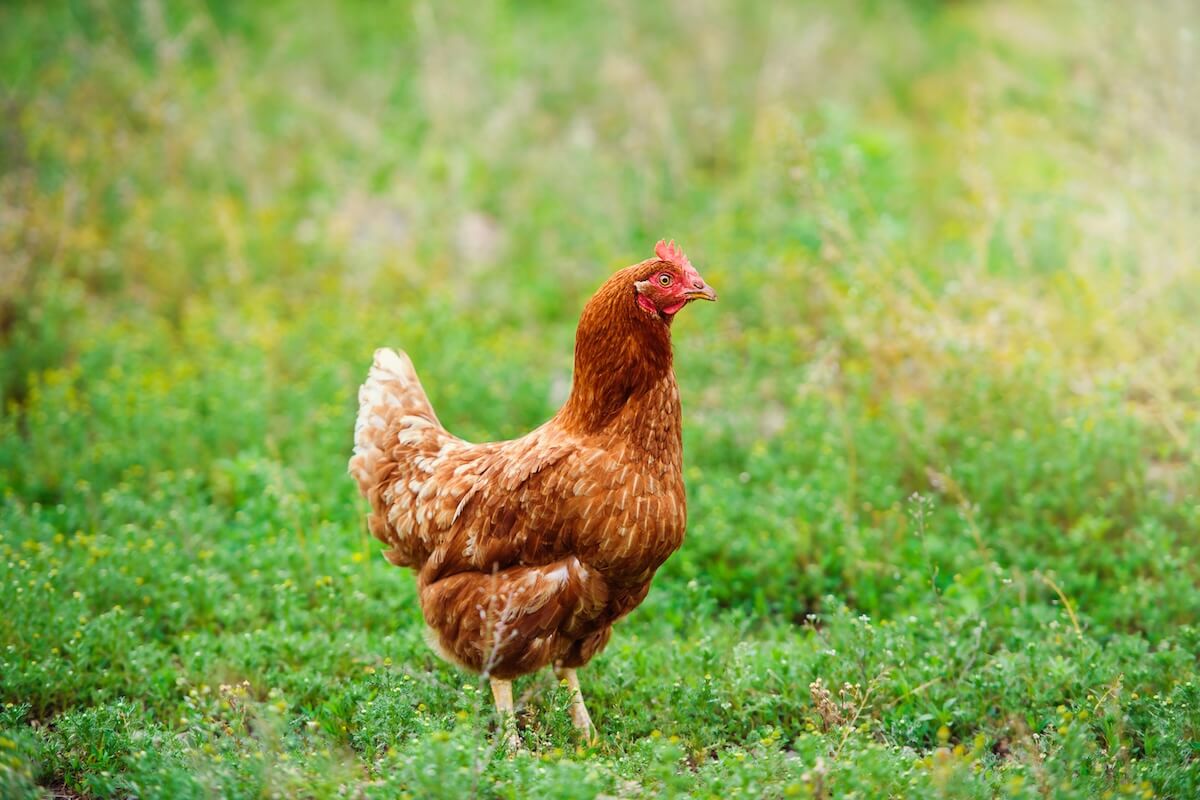
- Egg color: Light to medium brown
- Egg size progression: Starts medium, quickly becomes large → extra large
Peak Production vs Decline
Here’s what most articles won’t tell you clearly:
- Peak production: First 12–18 months
- After year 2: Noticeable decline
- After year 3: Significant drop
ISA Browns are optimized for early output, not longevity
ISA Brown Temperament (Are They Friendly?)
Yes—extremely. ISA Browns are known for being:
- Calm
- Docile
- Social
- Easy to handle
They’re especially great for:
- Beginners
- Families with kids
- Small backyard flocks
One caveat:
- They can be submissive in mixed flocks
- May get picked on by more dominant breeds
ISA Brown Lifespan (The Tradeoff Most People Ignore)
This is the part that gets glossed over—and it matters.
- Average lifespan: 2–5 years
- Compared to heritage breeds: 6–10+ years
Why the shorter lifespan?
Because ISA Browns are bred for maximum egg output and rapid production cycles, this leads to:
- Physical strain
- Faster aging
- Higher risk of reproductive issues
You’re trading long-term sustainability for short-term production
Guide on Incubating Chicken Eggs
Pros and Cons of ISA Brown Chickens
Pros
- Extremely high egg production
- Early layers
- Friendly and easy to handle
- Great for beginners
- Consistent egg size and color
Cons
- Shorter lifespan
- Egg production drops quickly after peak
- Higher risk of health issues related to laying
- Not suitable for breeding true offspring
ISA Brown vs Other Egg-Laying Chickens
Here’s how ISA Browns stack up against popular breeds:
ISA Browns win on raw output, but lose on longevity and sustainability
Read the Top Egg Laying Chickens Guide
Are ISA Brown Chickens Good for Beginners?
Yes—with context. They are ideal if you:
- Want a steady egg supply quickly
- Are new to chickens
- Prefer low-maintenance, friendly birds
They may NOT be ideal if you:
- Want a long-living flock
- Plan to breed your own chickens
- Prefer heritage or sustainable breeds
How to Care for ISA Brown Chickens
Feeding for High Production
Because of their output, ISA Browns need:
- High-quality layer feed
- Extra calcium (oyster shells)
- Consistent nutrition
Underfeeding = immediate drop in production
What To Feed Chickens for Fast Growth and Egg Laying
Coop Setup
- Clean nesting boxes
- Low stress environment
- Proper ventilation
- Enough space (avoid overcrowding)
Essential Tips for Building a Chicken Coop: DIY Guide
Health Monitoring
Watch for:
- Egg binding
- Fatigue
- Decreased laying
- Weight loss
Because they push their bodies hard, early detection matters
Read the Comprehensive Guide on Chicken Diseases, Symptoms, and Treatments
How to Maximize Egg Production from ISA Browns
If you’re raising ISA Browns, your biggest opportunity is optimization through tracking.
Most backyard chicken owners:
- Guess egg production
- Don’t notice declines early
- Lose potential output
What to track:
- Daily egg counts
- Feed intake
- Laying patterns
- Seasonal changes
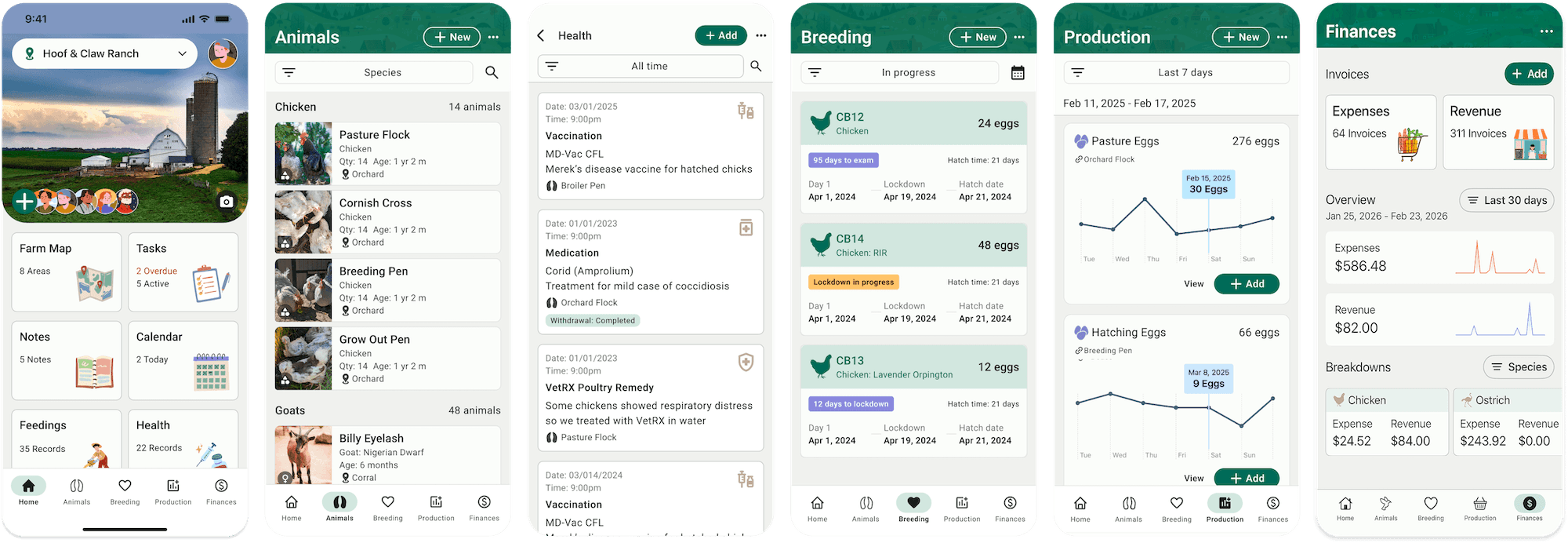
Track Your ISA Brown Egg Production with FarmKeep
ISA Browns are built for high output—but that also means production can drop fast if you’re not paying attention.
FarmKeep helps you:
- Track daily egg production
- Spot declines early
- Connect feed costs to output
- Manage your flock in one place
Use FarmKeep to turn your egg production into a system—not a guessing game.
Is an ISA Brown Chicken Right for You?
Choose ISA Browns if you:
- Want maximum eggs quickly
- Care about productivity over longevity
- Are running an egg-focused setup
Avoid ISA Browns if you:
- Want a long-living flock
- Care about breeding sustainability
- Prefer lower-maintenance, slower production
The difference between a “good” flock and a high-performing flock isn’t just the breed—it’s how well you track, manage, and optimize it.
Learn more about how to start your own poultry operation.
FAQ
How many eggs do ISA Browns lay per day?
Most lay nearly 1 egg per day during peak production.
Do ISA Browns lay eggs in winter?
Yes, but production may slow without supplemental lighting.
Are ISA Browns noisy?
No—they are generally quiet compared to other breeds.
Can ISA Browns be free range?
Yes, they do well free ranging, but may be less assertive in mixed flocks.
Why did my ISA Brown stop laying?
Common causes:
- Age (most likely)
- Nutrition issues
- Stress
- Seasonal changes