Lohmann Brown Chicken: Egg Production, Temperament, Lifespan & Complete Care Guide (2026)
What is a Lohmann Brown Chicken?
The Lohmann Brown isn’t your typical “breed”—it’s a high-performance hybrid, designed with one purpose:
Lay as many eggs as possible, as efficiently as possible.
Originally developed for commercial egg production, they’ve become wildly popular with backyard farmers who want reliable, high-volume egg output without complexity.
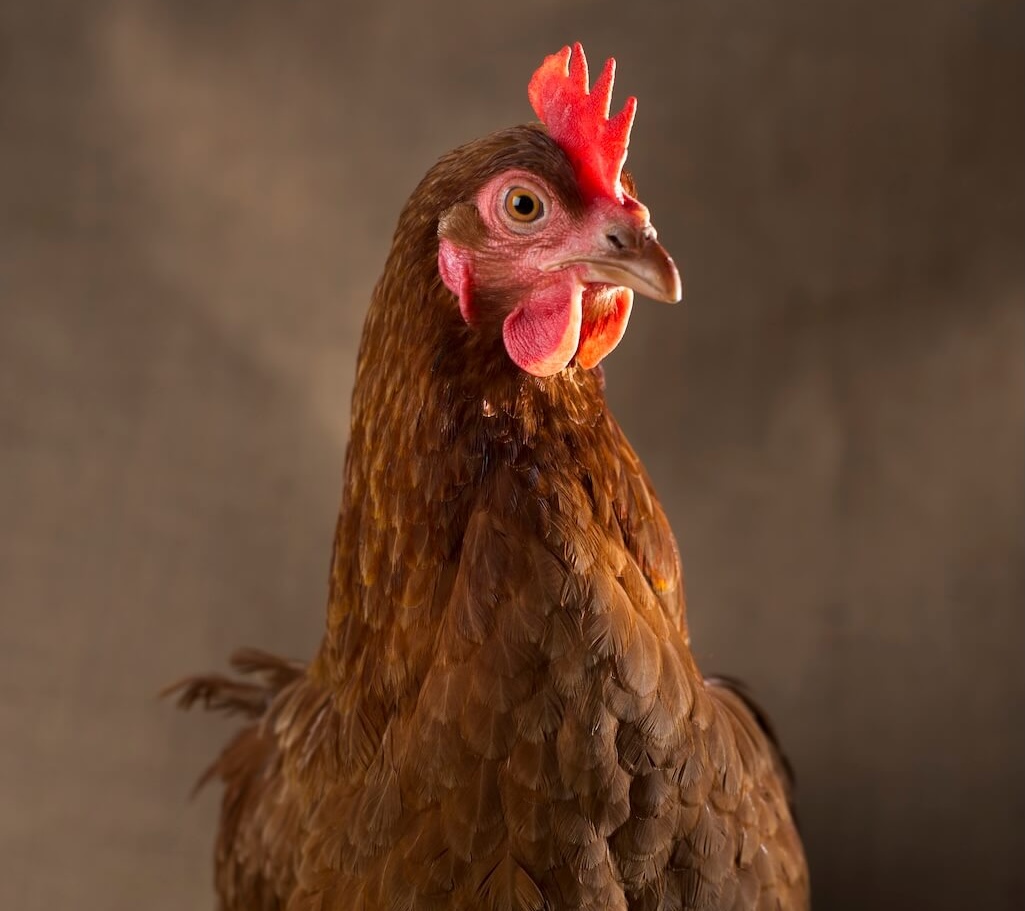
History of the Lohmann Brown
The Lohmann Brown wasn’t developed as a traditional breed, but as a solution to a very specific problem. Commercial egg producers needed birds that could deliver predictable, high-volume production, while also keeping feed costs under control. Heritage breeds, while valuable in their own right, often introduced too much variability in output and efficiency for large-scale operations.
In response, the German company Lohmann Tierzucht focused on developing a hybrid layer line that prioritized consistency above all else. Through decades of selective breeding, they refined birds that mature early, lay reliably, and convert feed into eggs with remarkable efficiency.
What you end up with isn’t just “a good laying chicken.” It’s a bird engineered around performance metrics—optimized for output in a way that few traditional breeds can match. In many ways, the Lohmann Brown is the equivalent of a high-performance machine: precise, efficient, and purpose-built.
But that level of optimization comes with a tradeoff. Like any system designed for peak performance, it isn’t built for longevity in the same way slower, more balanced breeds are.
Egg Production: The Real Reason People Choose Lohmann Browns
If you care about eggs, this is where Lohmann Browns dominate.
Key Stats (Quick Scan)
- 280–320+ eggs per year
- Start laying: ~18–20 weeks
- Egg color: Brown
- Peak window: First 12–18 months
What Makes Them Different
Most chickens can lay a lot.
Lohmann Browns are engineered to:
- Convert feed → eggs with high efficiency
- Maintain consistent daily laying cycles
- Reduce downtime between laying periods
They’re optimized for output per input, not just raw egg count.
Guide on Incubating Chicken Eggs
Characteristics & Temperament
Quick Snapshot
- Size: Medium
- Feathers: Light brown
- Legs: Yellow
- Body type: Lean, production-focused
Personality
- Calm and approachable
- Rarely aggressive
- Easy to integrate into a flock
Behavior Patterns
- Not very broody
- Prioritize laying over nesting
- Adapt well to: Free-range setups or Confined coops
These are low-drama chickens, which matters more than people think.
Pros and Cons
Pros
- Extremely high egg production
- Early laying age (you get eggs faster)
- Beginner-friendly temperament
- Efficient feed usage
- Consistent performance
Cons
- Shorter productive lifespan
- Production drops after ~2 years
- Not suitable for breeding
- Can experience laying fatigue
Reality check: You’re trading longevity for performance.
Lifespan & Productivity Curve
What to Expect
- Lifespan: 3–5 years
- Peak production: Year 1–2
- Decline: Noticeable after peak
Translation
- Year 1 → Egg machine
- Year 2 → Still strong
- Year 3+ → Significant drop
These birds are built to peak early, not age gracefully.
Price & Availability
Typical Pricing
- Chicks: $3–$6
- Pullets: $15–$30
- Bulk orders: Lower per bird
Where to Buy
- Hatcheries
- Local farms
- Feed stores
If you want eggs fast → buy pullets.
Lohmann Brown vs Other Egg Layers
Read the Top Egg Laying Chickens Guide
Care Guide
Feeding
- 16–18% protein layer feed
- Calcium supplementation
- Constant access to water
What To Feed Chickens for Fast Growth and Egg Laying
Housing
- Standard coop + nesting boxes
- Handles confinement well
Essential Tips for Building a Chicken Coop: DIY Guide
Health
- Calcium depletion
- Laying fatigue
- Nutritional stress during peak output
These birds perform best when nutrition is dialed in.
Read the Comprehensive Guide on Chicken Diseases, Symptoms, and Treatments
Are Lohmann Brown Chickens Right for You?
Choosing Lohmann Browns ultimately comes down to what you want out of your flock.
If your priority is maximum egg production with minimal friction, they’re an excellent fit. These birds are ideal for people who want results quickly—hens that begin laying early, produce consistently, and are easy to manage day to day. For backyard farmers or homesteaders focused on productivity, they offer a straightforward, reliable way to keep a steady supply of eggs without overcomplicating things.
That said, they’re not the right choice for every setup. If your goal is to build a long-term, self-sustaining flock, or to raise birds you can breed over generations, Lohmann Browns may not align with that vision. Their hybrid genetics aren’t designed for reproduction, and their shorter productive lifespan makes them less suited for those prioritizing longevity or heritage characteristics.
In other words, Lohmann Browns excel when your goal is efficiency and output—but they’re less suited for systems built around sustainability and breeding continuity.
Learn more about how to start your own poultry operation.
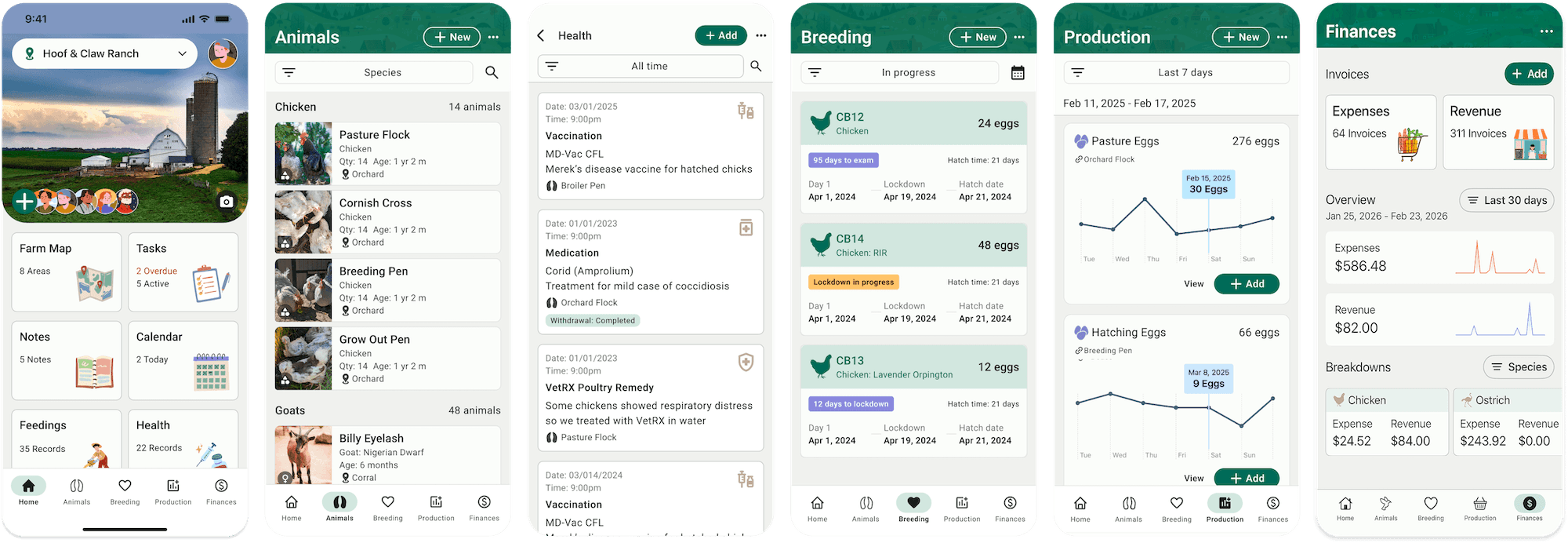
FarmKeep Makes the Difference
When a hen can produce 300+ eggs per year, even small inefficiencies can add up quickly.
With FarmKeep, you can:
- Track egg production by hen or flock over time
- Spot drops in production early before they become bigger issues
- Compare performance across birds
- Understand feed costs versus output
- Make more informed decisions about flock management and replacement
Instead of relying on memory or scattered notes, everything is organized in one place—giving you clear insights into how your flock is actually performing.
Because guessing might work for a while… but when you’re managing high-producing birds like Lohmann Browns, better data leads to better results.
Final Thoughts
The Lohmann Brown stands out as one of the most highly optimized egg-laying chickens available today. It isn’t the longest-living bird, nor is it rooted in traditional or heritage breeding practices. Instead, it represents a more modern approach—one focused on efficiency, consistency, and performance.
For those whose goal is straightforward—to produce a large number of eggs reliably, without unnecessary complexity—the Lohmann Brown is difficult to surpass. It delivers exactly what it was designed to do, and it does so exceptionally well.
FAQ
How many eggs do Lohmann Brown chickens lay per year?
Lohmann Browns are among the most productive laying chickens, typically producing 280 to 320 eggs per year. Under optimal conditions—proper nutrition, lighting, and care—they can maintain a very consistent laying schedule, often producing close to one egg per day during peak periods.
When do Lohmann Brown chickens start laying eggs?
They usually begin laying at around 18 to 20 weeks of age, which is earlier than many traditional breeds. This early maturity is one of the key reasons they are favored for both commercial and backyard egg production.
How long do Lohmann Brown chickens live?
Their average lifespan is 3 to 5 years, though their most productive laying period is concentrated in the first 1 to 2 years. After that, egg production declines noticeably, even if the bird remains otherwise healthy.
What color eggs do Lohmann Browns lay?
Lohmann Browns lay medium to large brown eggs. The shell color is consistent and one of the defining traits of this hybrid layer.
Are Lohmann Brown chickens good for beginners?
Yes, they are widely considered one of the best breeds for beginners. Their calm temperament, predictable laying habits, and adaptability to different environments make them easy to manage, even for first-time chicken owners.
Can Lohmann Brown chickens be bred at home?
Not effectively. Lohmann Browns are a hybrid breed, meaning their offspring will not reliably inherit the same high-production traits. For consistent results, most keepers purchase new birds rather than breeding their own.
Do Lohmann Browns go broody?
They are not known for broodiness. Because they’ve been selectively bred for egg production, their instinct to sit on and hatch eggs has largely been reduced.
Are Lohmann Browns good for meat production?
They are not ideal for meat production. Lohmann Browns are bred specifically for egg laying, and their body composition reflects that. Dual-purpose or meat breeds would be a better choice if meat is a priority.
Do Lohmann Browns require special care?
They don’t require unusual care, but they do benefit from high-quality nutrition and calcium supplementation to support their heavy laying output. Consistent feed, clean water, and proper coop conditions are especially important to maintain their productivity and health.
How do Lohmann Browns compare to ISA Browns?
Lohmann Browns and ISA Browns are very similar, as both are high-production hybrid layers. They have comparable egg output, temperament, and lifespan, with only minor differences depending on breeding lines and sourcing.