Plymouth Rock Chicken: A Practical Guide to Eggs, Temperament, and Care (2026)
If you’ve been researching backyard chickens, you’ve probably seen the Plymouth Rock come up again and again—and there’s a reason for that.
This breed has been around forever (by chicken standards), and it’s earned a reputation for being reliable, friendly, and easy to raise. Not the flashiest bird, not the highest egg producer—but one of the most well-rounded chickens you can add to a flock.
Whether you’re brand new to chickens or just looking to add a dependable layer, here’s what you should actually expect from Plymouth Rock chickens.
What Is a Plymouth Rock Chicken?
The Plymouth Rock is a traditional American dual-purpose breed, originally developed to provide both eggs and meat. Today, most people raise them primarily for egg production, but their size and growth rate still make them useful beyond just laying.
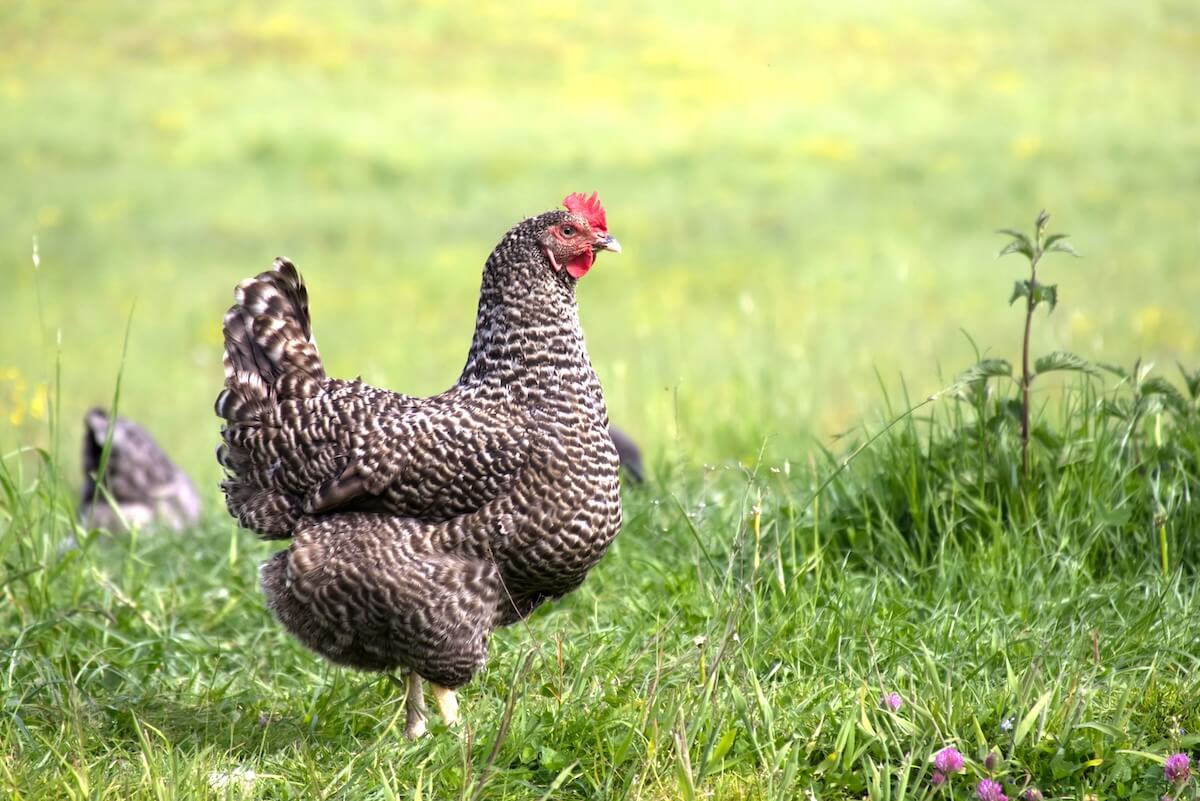
When people talk about Plymouth Rocks, they’re usually referring to the Barred Rock, the variety with the distinctive black-and-white striped feathers. It’s the most recognizable and by far the most common.
At a glance, Plymouth Rocks are known for being dependable birds that don’t require a lot of micromanagement. They’re not particularly delicate, and they tend to adapt well to different setups, which is part of why they’ve remained popular for so long.
Quick overview:
At a high level, this is a breed built for consistency and manageability, not extremes.
History of the Plymouth Rock Chicken
The breed dates back to the 1800s in the United States, making it one of the earliest standardized American chicken breeds.
That origin story matters more than it might seem. Plymouth Rocks weren’t bred for niche traits or optimized for industrial production—they were developed for real farms that needed birds to be productive, resilient, and manageable without a lot of specialized care.
In other words, they were bred for practicality.
That same DNA still shows up today. Compared to some modern hybrids, Plymouth Rocks feel a bit more balanced—less extreme, but often easier to live with over the long term.
Egg Production: How Many Eggs Do Plymouth Rock Chickens Lay?
If your main goal is eggs, Plymouth Rocks land in a very practical sweet spot.
They’re not the absolute top producers—but they’re consistent, which is often more valuable long-term.
What to expect from egg production:
- 200–280 eggs per year
- About 4–5 eggs per week
- Large, brown eggs
- Start laying around 18–20 weeks
They follow typical seasonal patterns:
- Peak production in spring and summer
- Slower output in winter (unless supplemented with light)
Compared to high-production hybrids, you may get fewer eggs—but often over a longer, more stable lifespan.
Guide on Incubating Chicken Eggs
Temperament: Easy to Live With
Temperament is one of the biggest reasons people choose this breed—and why they stick with it.
Plymouth Rocks are known for being calm, steady, and easy to handle. They’re not overly aggressive, and they’re also not so skittish that basic flock management becomes frustrating.
Typical behavior traits:
- Friendly and approachable
- Low aggression compared to many breeds
- Curious, but not chaotic
- Adapt well to mixed flocks
In real-world terms, they’re the kind of chickens that make daily chores easier—not harder.
Size, Appearance, and What to Expect Physically
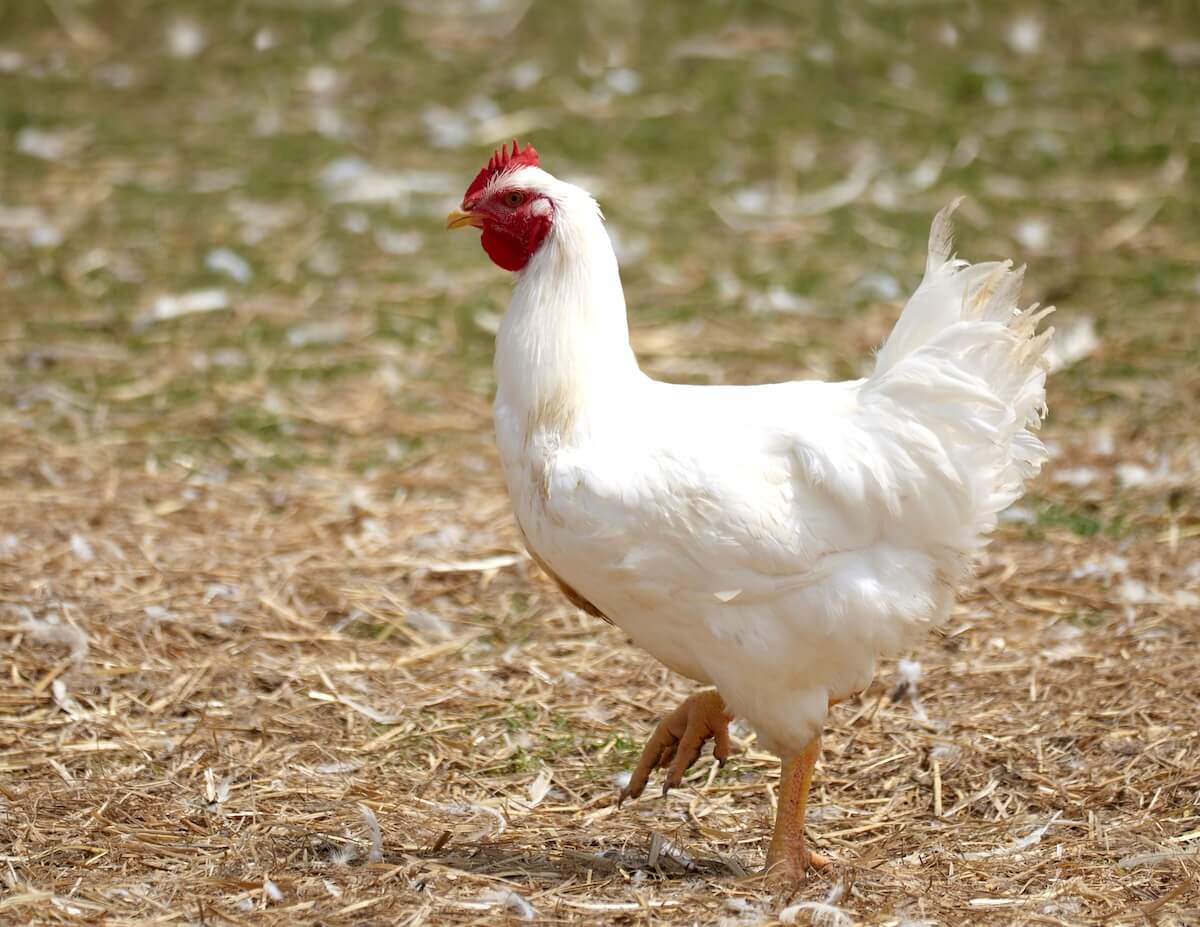
Plymouth Rocks are considered a large breed, which contributes to their dual-purpose reputation.
Average size:
- Hens: ~7–8 lbs
- Roosters: ~9–10 lbs
Common color varieties:
- Barred (most popular)
- White
- Buff
- Partridge
- Silver penciled
- Columbian
The Barred Rock is by far the most common and what most people mean when they refer to this breed.
Other varieties—like Buff, White, or Partridge—exist, but they’re less commonly seen in typical backyard flocks.
Pros and Cons of Plymouth Rock Chickens
Every breed comes with tradeoffs. The appeal of Plymouth Rocks is that the tradeoffs are relatively minor.
Pros
- Consistent egg production
- Very beginner-friendly
- Cold hardy and adaptable
- Calm, manageable temperament
- Dual-purpose (eggs + meat)
Cons
- Not the highest egg producer available
- Can go broody occasionally
- Slower growth than commercial meat breeds
Overall: high reliability, low risk, very few major downsides.
Are Plymouth Rock Chickens Good for Beginners?
For most people starting out, Plymouth Rocks are one of the safest choices.
They don’t require perfect conditions to do well, and they’re generally forgiving if you’re still figuring things out. That combination—resilience plus manageable behavior—makes a big difference early on.
There’s a reason they show up so often in “best beginner chicken” lists. It’s not hype. It’s just a reflection of how consistently they perform in real-world setups.
How to Care for Plymouth Rock Chickens
One of the biggest advantages of this breed is how straightforward they are to care for.
Basic care guidelines:
Housing
- ~4 sq ft per bird inside the coop
- 8–10 sq ft per bird in a run
- Good ventilation is key
Essential Tips for Building a Chicken Coop: DIY Guide
Feeding
- Layer feed once laying begins
- Calcium supplement (oyster shells)
- Occasional treats in moderation
What To Feed Chickens for Fast Growth and Egg Laying
Climate
- Excellent cold tolerance
- Heat management (shade + airflow) is more important
Health
- Generally hardy
- Watch for parasites and coop hygiene issues
There’s nothing unusual required here—that’s part of the appeal.
Read the Comprehensive Guide on Chicken Diseases, Symptoms, and Treatments

Breeding and Raising Chicks
If you’re interested in breeding your own flock, Plymouth Rocks are a solid place to start.
Some hens will go broody and sit on eggs, though not all of them will. When they do, they’re typically reliable mothers. The chicks themselves are usually strong and straightforward to raise, without the fragility you sometimes see in more specialized breeds.
Growth is steady rather than fast, which can actually make management easier if you’re learning the process.
Barred Rock vs Plymouth Rock (Clearing It Up)
This is one of the most common points of confusion.
“Plymouth Rock” refers to the breed as a whole.
“Barred Rock” refers to a specific color variety within that breed.
So when someone says they have Barred Rocks, they’re still talking about Plymouth Rocks—just the striped version.
How Plymouth Rocks Compare to Other Breeds
Here’s how Plymouth Rocks compare to other popular backyard chickens:
They don’t lead in egg production like ISA Browns, and they’re not quite as famously calm as Australorps. But they come very close in both areas, without leaning too heavily in one direction.
That balance is really their defining trait. They’re a strong “all-around” option for people who want a dependable flock without optimizing for a single outcome.
Read the Top Egg Laying Chickens Guide

FarmKeep: A Smarter Way to Track Your Chickens
One thing most people don’t realize until later: you don’t actually know which chickens are performing best—you’re guessing.
With FarmKeep, you can:
- Track egg production per hen
- Log breeding, health, and lineage
- Monitor feed costs vs output
- Make better decisions about your flock
FarmKeep helps turn your chickens into something you can actually manage, not just care for.
Final Thoughts
Plymouth Rock chickens aren’t extreme in any one category, and that’s exactly why they work so well for so many people.
They’re steady, predictable, and easy to live with. They produce a reliable number of eggs, handle a range of conditions, and don’t create unnecessary challenges along the way.
If you’re looking for a breed that supports you rather than complicates things, Plymouth Rocks are a very solid choice.
Learn more about how to start your own poultry operation.
FAQ
Are Plymouth Rock chickens good for beginners?
Yes, Plymouth Rock chickens are one of the best breeds for beginners. They’re known for being calm, hardy, and easy to manage, which makes them a great fit for first-time chicken keepers. They also adapt well to different climates and flock setups.
How many eggs do Plymouth Rock chickens lay?
Plymouth Rock hens typically lay around 200 to 280 eggs per year. That usually works out to about 4 to 5 brown eggs per week, depending on age, season, nutrition, and overall health.
What color eggs do Plymouth Rock chickens lay?
Plymouth Rock chickens lay brown eggs. The eggs are usually medium to large in size, and mature hens often produce large brown eggs consistently during peak laying periods.
At what age do Plymouth Rock chickens start laying?
Most Plymouth Rock pullets begin laying at around 18 to 20 weeks old, though the exact timing can vary depending on the bird, the season, and how they are being fed and managed.
Are Plymouth Rock chickens friendly?
Yes, Plymouth Rock chickens are generally considered a friendly and calm breed. They tend to be easier to handle than many other chickens and are often a good choice for families, backyard flocks, and keepers who want a lower-drama breed.
What is the difference between a Plymouth Rock and a Barred Rock?
A Plymouth Rock is the breed, while a Barred Rock is one color variety of that breed. In other words, all Barred Rocks are Plymouth Rocks, but not all Plymouth Rocks are Barred Rocks.
How big do Plymouth Rock chickens get?
Plymouth Rock chickens are a fairly large breed. Hens usually weigh about 7 to 8 pounds, while roosters often reach 9 to 10 pounds. Their size is one reason they are considered a good dual-purpose chicken.
Are Plymouth Rock chickens cold hardy?
Yes, Plymouth Rock chickens are known for being cold hardy. Their dense feathering helps them handle cooler weather well, which makes them a popular breed in areas with colder winters.
Do Plymouth Rock chickens go broody?
Some Plymouth Rock hens do go broody, but they are not usually considered one of the broodiest breeds. It can happen occasionally, especially in certain lines, but many hens remain focused on laying.
Are Plymouth Rock chickens good for eggs and meat?
Yes, Plymouth Rock chickens are considered a dual-purpose breed, meaning they are useful for both egg production and meat. While many backyard keepers raise them mainly for eggs, their size also makes them practical for homestead flocks looking for versatility.
How long do Plymouth Rock chickens live?
Plymouth Rock chickens usually live around 6 to 8 years, though some may live longer with good care, proper nutrition, clean housing, and protection from predators and disease.
Do Plymouth Rock chickens do well in mixed flocks?
Yes, Plymouth Rock chickens usually do very well in mixed flocks. Their calm temperament and steady social behavior make them easier to integrate with many other common backyard chicken breeds.