Rhode Island Red Chicken: Complete Breed Guide for Egg Production, Temperament, and Care (2026)
If you’re looking for a reliable, no-nonsense chicken that lays consistently and thrives in a variety of conditions, the Rhode Island Red is probably already on your radar—and for good reason. This breed has earned its reputation as one of the most dependable egg layers in the world.
But there’s more to Rhode Island Reds than just egg count. Their temperament, hardiness, and management style can make or break your experience depending on your setup.
This guide breaks it all down so you can decide if they’re the right fit for your flock—and how to get the most out of them if they are.
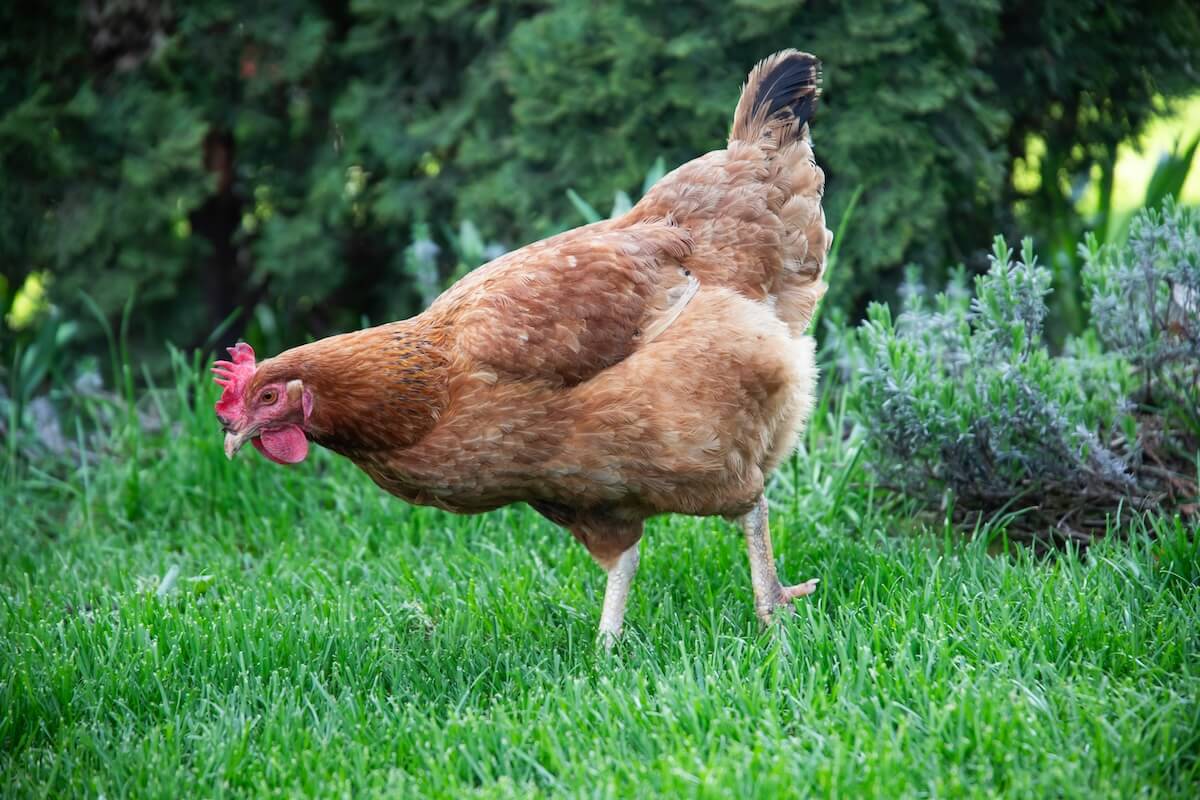
What Is a Rhode Island Red Chicken?
The Rhode Island Red is an American heritage breed developed in the late 1800s in—you guessed it—Rhode Island and Massachusetts.
Originally bred as a dual-purpose chicken (eggs + meat), they quickly became famous for their exceptional egg production and resilience. Today, they’re a staple in backyard flocks, homesteads, and even commercial operations.
They’re often considered the “workhorse” of egg-laying breeds—practical, productive, and tough.
A Brief History of the Breed
The Rhode Island Red was developed in Rhode Island and Massachusetts in the late 19th century, at a time when farmers needed birds that could perform without perfect conditions.
Breeders crossed local chickens with imported breeds like Malay, Leghorn, and Asiatic birds to create something tougher, more productive, and more adaptable. The result was a chicken that didn’t just survive—it produced.
By the early 1900s, Rhode Island Reds were widely recognized for their consistency and were officially admitted to the American Poultry Association’s Standard of Perfection (single comb in 1904, rose comb in 1906).
They went on to become one of the foundation breeds for modern commercial egg layers, and their genetics still show up in many high-production hybrids today.
At one point, they were so important to American agriculture that they were named the state bird of Rhode Island.
That balance of productivity and resilience is exactly why they’re still around—and still relevant.
Rhode Island Red Chicken Overview (Quick Facts)
Appearance and Build
Rhode Island Reds aren’t ornamental birds—they’re built for function.
They have deep mahogany red feathers, yellow legs, and a solid, rectangular body that signals durability more than elegance. Most have a single comb, though rose comb varieties exist.
Roosters are larger, brighter, and more dramatic in appearance. Hens are slightly smaller and more uniform in color, built for steady production rather than display.
They look exactly like what they are: a working bird.
Egg Production: Where They Shine
This is the main reason people choose Rhode Island Reds.
They typically lay 250 to 300 brown eggs per year, with many hens continuing to produce reliably even when other breeds slow down—especially in colder months.
They also start laying relatively early, around 18 to 22 weeks, which makes them a strong choice if you don’t want to wait forever to see results.
What makes them stand out isn’t just volume—it’s consistency. They don’t spike and crash the way some high-production hybrids do. Instead, they maintain a steady output over time.
Here’s how they compare to other common layers:
If your goal is consistent brown egg production without high maintenance, Rhode Island Reds are one of the safest bets.
Read the Top Egg Laying Chickens Guide

Temperament: Friendly or Feisty?
Rhode Island Reds are confident birds. Sometimes that confidence turns into dominance.
They tend to rank higher in the pecking order and aren’t shy about asserting themselves, especially in mixed flocks. This can show up as mild bullying toward more passive breeds.
Hens are usually manageable—independent, alert, not particularly cuddly. Roosters, on the other hand, can be territorial if not handled properly.
They’re not aggressive for no reason, but they’re also not the breed you choose if you want a flock of gentle, pet-like chickens.
Think of them as productive coworkers, not companions.
Pros and Cons of Rhode Island Red Chickens
Pros
- Excellent egg production
- Extremely hardy (heat and cold tolerant)
- Low maintenance
- Great for free-range systems
- Strong disease resistance
Cons
- Can be aggressive or dominant
- Not ideal for mixed flocks with timid breeds
- Not very “pet-like”
- Roosters may require careful management
Are Rhode Island Reds Good for Beginners?
Yes—with a bit of awareness.
Rhode Island Reds are easy to care for, forgiving of mistakes, and productive enough to keep beginners motivated. But they do require some understanding of flock dynamics.
If you’re starting with a mixed flock, pairing them with equally confident breeds helps avoid issues. If you’re raising only Rhode Island Reds, things are usually straightforward.
They’re beginner-friendly in terms of care—but not completely hands-off when it comes to behavior.
Learn more about how to start your own poultry operation.
How to Raise Rhode Island Red Chickens
Coop Requirements
- 4 sq ft per bird (minimum inside coop)
- 8–10 sq ft per bird in run
- Good ventilation (they handle cold well but still need airflow)
Essential Tips for Building a Chicken Coop: DIY Guide
Feeding and Nutrition
- High-quality layer feed (16–18% protein)
- Calcium supplementation (for strong eggshells)
- Occasional treats (but avoid overfeeding—they can gain weight)
What To Feed Chickens for Fast Growth and Egg Laying
Free-Ranging
Rhode Island Reds are excellent foragers.
Letting them roam can:
- Reduce feed costs
- Improve egg quality
- Keep birds mentally stimulated
Health and Common Issues
- Generally very hardy
- Watch for obesity (if confined and overfed)
- Pecking injuries in tight spaces
Read the Comprehensive Guide on Chicken Diseases, Symptoms, and Treatments
Lifespan and Long-Term Care
- Average Lifespan: 5–8 years
- Peak Egg Production: First 2–3 years
After peak production, they’ll still lay—but at a reduced rate. Because they’re so hardy, Rhode Island Reds often live longer than more specialized high-production hybrids.
Guide on Incubating Chicken Eggs
Rhode Island Red vs Other Egg Laying Breeds
Every breed has a tradeoff.
- ISA Browns push maximum production but burn out faster
- Orpingtons are friendlier but lay less
- Leghorns lay heavily but are more flighty
Rhode Island Reds sit in the middle: reliable, durable, and efficient without being extreme.
Is the Rhode Island Red Right for You?
They’re a great choice if you:
- Want consistent egg production
- Live in a variable climate
- Prefer low-maintenance birds
- Run a productivity-focused flock
They may not be ideal if you:
- Want docile, pet-like chickens
- Have very timid breeds already
- Don’t want to manage flock hierarchy

Tools to Track Egg Production and Flock Health
Once you start raising productive breeds like Rhode Island Reds, you need a way to track what’s actually happening.
- Which hens are laying the most?
- When did production drop?
- Are feed costs worth the output?
This is where a tool like FarmKeep becomes useful to manage everything for your chickens.
With FarmKeep, you can:
- Track egg production per bird or flock
- Log health records and treatments
- Monitor breeding and lifecycle stages
- Analyze feed costs vs egg output
If you’re serious about optimizing your flock—not just raising chickens casually—having data makes a big difference.
Final Thoughts
Rhode Island Reds have stood the test of time for a reason.
They’ve been around for over a century because they work. They lay consistently, tolerate real conditions, and don’t require constant attention.
They might not be the friendliest birds in your flock—but they’ll probably be the ones doing the most work.
FAQ
How many eggs do Rhode Island Reds lay per year?
Typically 250–300 eggs annually, depending on care and environment.
Are Rhode Island Red chickens aggressive?
They can be more assertive than other breeds, especially in mixed flocks or among roosters.
When do Rhode Island Reds start laying eggs?
Most begin laying around 18–22 weeks of age.
How long do Rhode Island Reds live?
On average, 5–8 years, with proper care.
Are Rhode Island Reds good for backyard chickens?
Yes, especially for owners focused on egg production and low maintenance.
Do Rhode Island Reds go broody?
Occasionally, but they are not known for strong brooding tendencies.
Can Rhode Island Reds handle cold weather?
Yes, they are very cold-hardy and continue laying better than many breeds in winter.