White Leghorn Chicken: Egg Production, Temperament & Complete Breed Guide (2026)
The White Leghorn chicken is one of the most widely used egg-laying breeds in the world. If you’ve ever bought white eggs at a grocery store, there’s a good chance they came from a Leghorn.
For backyard chicken keepers, this breed is known for one thing above all else: consistent, high egg production with relatively low feed costs.
If you’re deciding whether White Leghorns are right for your flock, this guide covers what to expect—from egg output and temperament to care and housing.
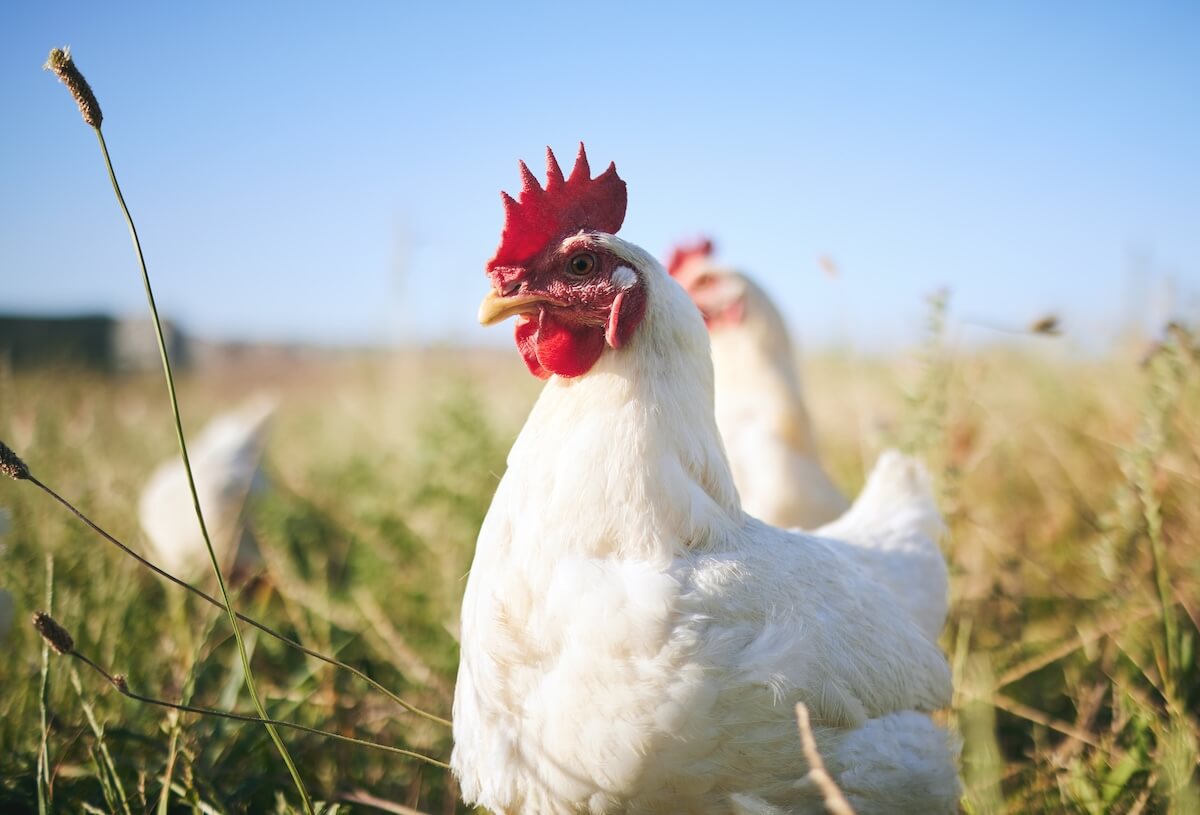
What Is a White Leghorn Chicken?
White Leghorns originated in Italy, specifically from the port city of Livorno. They were brought to the United States in the 1800s and selectively bred to improve egg production.
Today, they are considered one of the most efficient egg-laying chicken breeds, especially for producing white eggs.
History of the White Leghorn Chicken
The breed traces back to Livorno, Italy, and was introduced to the United States in the early 19th century.
Over time, breeders focused on improving egg production, which led to the highly productive White Leghorn lines used today in both commercial and small-scale operations.
White Leghorn Chicken Characteristics
White Leghorns are easy to recognize once you know what to look for.
Appearance
- White feathers
- Large red comb (often flops over in hens)
- Yellow legs
- Slim, lightweight body
They’re smaller and more streamlined than many backyard breeds, which contributes to their efficiency.
Because they’re lighter, they generally require less feed than heavier breeds.
White Leghorn Egg Production
White Leghorns are often considered one of the best egg-laying chickens available.
How many eggs do White Leghorns lay?
- Around 280 to 320 eggs per year
- Peak production is typically during the first 1–2 years
This level of output makes them a popular choice for both commercial egg production and backyard flocks focused on eggs.
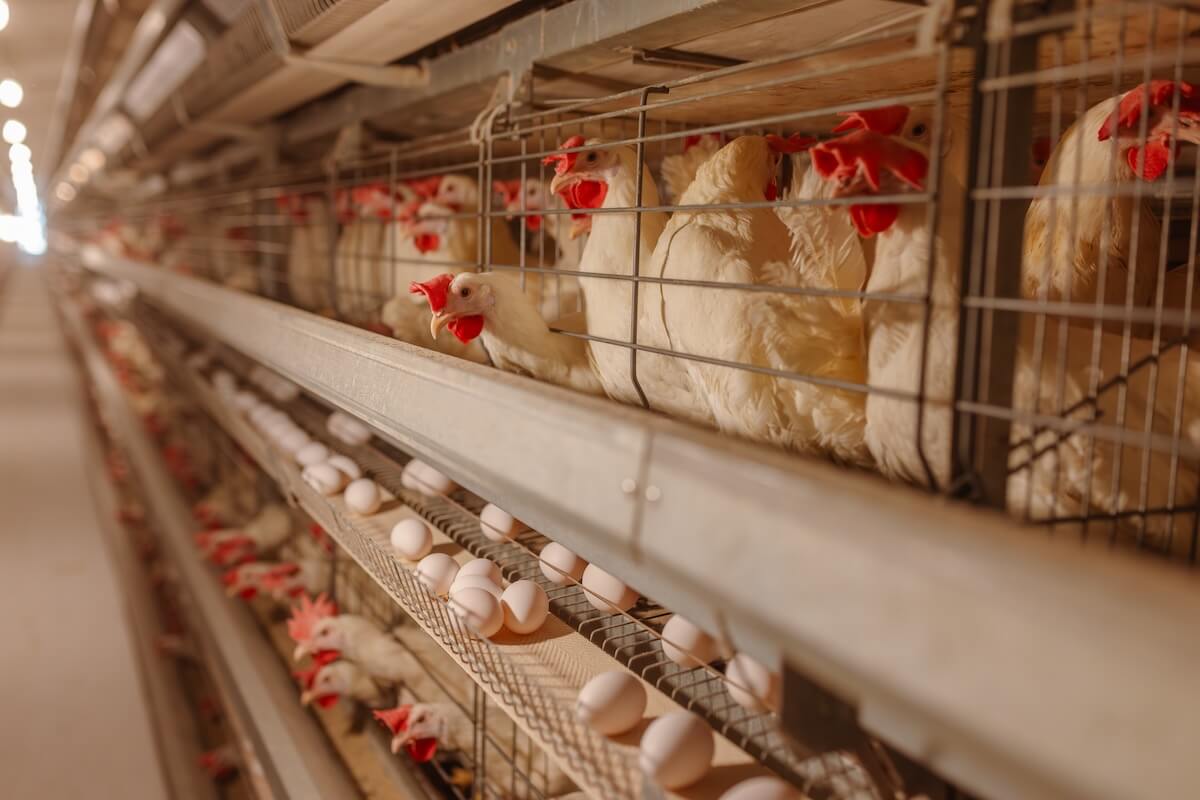
Egg details
- Color: White
- Size: Large to extra large
- Production: Frequent and consistent
Guide on Incubating Chicken Eggs
Feed efficiency
One of the biggest advantages of White Leghorns is how efficiently they convert feed into eggs.
Compared to heavier breeds:
- They eat less
- Maintain high egg output
This makes them a practical choice if you’re trying to reduce feed costs while keeping production high.
What To Feed Chickens for Fast Growth and Egg Laying
Temperament and Behavior
White Leghorns are active birds and tend to be more independent than other breeds.
- Alert and energetic
- Can be skittish or hard to handle
- Prefer space and movement
- Strong foraging instincts
They’re not usually considered a “friendly” or docile breed, especially compared to chickens like Rhode Island Reds or Orpingtons.
Pros and Cons of White Leghorn Chickens
Pros
- High egg production
- Good feed efficiency
- Adaptable to different environments
- Performs well in free-range systems
Cons
- Not very friendly or easy to handle
- Rarely go broody
- Can be noisy
- Large combs may be vulnerable to frostbite

White Leghorn vs Other Egg Laying Chickens
Here’s how White Leghorns compare to other popular egg-laying breeds:
White Leghorns stand out for efficiency, while other breeds may be easier to manage or handle.
Read the Top Egg Laying Chickens Guide
Are White Leghorns Good for Backyard Chickens?
White Leghorns can work well in backyard flocks, but they’re not the best fit for every situation.
They’re a good choice if you:
- Want reliable egg production
- Are comfortable with more independent birds
- Have space for them to move or free range
They may not be ideal if you:
- Want friendly or pet-like chickens
- Have very young children interacting with the flock
- Live in colder climates without winter protection
Learn more about how to start your own poultry operation.
Housing and Care Tips
White Leghorns are relatively low maintenance, but a few things help them perform well:
- Provide secure fencing (they can fly better than many breeds)
- Allow access to outdoor space when possible
- Ensure good ventilation in the coop
- Monitor combs in winter for frostbite
Essential Tips for Building a Chicken Coop: DIY Guide
Common Health Considerations
Overall, White Leghorns are a hardy breed, but keep an eye on:
- Frostbite in cold weather
- Stress from overcrowding
- Wear from sustained high egg production
Regular observation and basic flock management go a long way.
Read the Comprehensive Guide on Chicken Diseases, Symptoms, and Treatments
Is the White Leghorn Right for You?
White Leghorns are a strong choice if your main goal is egg production.
They’re especially useful if you:
- Want to maximize egg output
- Are paying attention to feed efficiency
- Prefer a more production-focused flock
If your priority is temperament or a more interactive experience with your chickens, another breed may be a better fit.

Tracking Egg Production with FarmKeep
If you’re raising a high-producing breed like White Leghorns, tracking your data can make a noticeable difference over time.
With FarmKeep, you can manage everything for your chickens:
- Record daily egg production
- Monitor trends across your flock
- Compare output between birds
- Keep track of health and feed inputs
This helps you understand what’s working and where adjustments might improve results.
Final Thoughts
White Leghorns are one of the most efficient egg-laying chickens available.
They’re not known for their temperament, but they consistently deliver when it comes to egg production. For many backyard keepers, that trade-off is worth it.
If your focus is eggs, this breed is one of the most reliable options you can choose.
FAQ
How many eggs do White Leghorn chickens lay per year?
White Leghorn chickens typically lay 280 to 320 eggs per year, making them one of the most productive egg-laying breeds available. In peak conditions, they can lay close to one egg per day.
What color eggs do White Leghorns lay?
White Leghorns lay white eggs, usually in the large to extra-large size range. These are the same type of eggs commonly found in grocery stores.
Are White Leghorn chickens friendly?
White Leghorns are generally not known for being friendly or docile. They tend to be more active, independent, and sometimes skittish compared to other backyard breeds.
Are White Leghorns good for backyard chickens?
White Leghorns can be a good choice for backyard flocks if your goal is high egg production. However, they may not be ideal if you want calm, easy-to-handle chickens.
Do White Leghorn chickens go broody?
White Leghorns rarely go broody, meaning they are unlikely to sit on eggs and hatch chicks. This is one reason they are favored for consistent egg production.
Are White Leghorns good in cold weather?
White Leghorns can tolerate a range of climates, but their large combs make them more susceptible to frostbite in cold weather. Extra care may be needed in winter.
What do White Leghorn chickens eat?
White Leghorns eat a standard layer feed, along with forage if they are allowed to free range. They are known for being efficient eaters, requiring less feed than heavier breeds.
What are White Leghorns used for?
White Leghorns are primarily used for egg production, both in commercial operations and backyard flocks. They are not typically raised for meat due to their smaller size.