Sheep Gestation Calculator
The sheep gestation calculator is an easy-to-use tool to help ranchers estimate the ewe's (female sheep) lambing date. By simply entering the breeding date, the calculator can estimate how long your sheep will be pregnant (typically around 147 days). This powerful tool helps farmers plan for a smooth lambing season, track key pregnancy milestones, and prepare their flock in advance.
How to Use a Sheep Gestation Calculator?
Using a sheep gestation calculator is straightforward. Here's everything you need:
Breeding Date: Enter the exact date you know the sheep was bred.
Get the Due Date: The calculator will then instantly provide the exact lambing date.
How to Calculate Sheep Gestation Period Using Breeding Date?
Use this formula to calculate the average sheep gestation length using dates manually:
- Note the Breeding Date: This is the date when the sheep was bred (exposed to the ram or inseminated).
- Add the Average Gestation Period: Sheep typically have a gestation period of 147 days.
- Calculate the Lambing Date (Due Date): Adding 147 days to the breeding date gives the estimated lambing date.
Lambing Date = Breeding Date + 147 days
Example:
- Breeding Date: March 1, 2025
- Add 147 Days → July 26, 2025
- Expected Lambing Date: Around July 26, 2025 (plus or minus a few days)
For a more detailed visual guide, below are service dates and their relevant due dates
Sheep Gestation Period Based on Breeds

Sheep breeds can have slightly different gestation lengths. Meat breeds like Suffolk and Texel average 145–148 days, dairy breeds like Lacaune or East Friesian around 145–150 days, and wool breeds like Merino or Romney typically 147–150 days.
The breed of the ewe and ram can affect gestation, mainly through size, genetics, and reproductive traits. Here are a few examples of popular sheep breeds and their average gestation period:
Wool Breeds Gestation Period
Meat Breeds Gestation Period
Dairy Breeds Gestation Period
Key Factors Affecting Sheep Gestation
The length of a sheep's pregnancy can vary due to several biological and environmental factors, such as
- Breed: Gestation varies slightly by breed.
- Age: Young or first-time ewes may have slightly shorter or longer pregnancies compared to mature ewes.
- Nutrition: Over- or underfeeding can impact the duration of pregnancy.
- Environment: Stress, housing, and temperature can impact gestation.
- Management: Timing, ram fertility, litter size, and breeding method (natural service or artificial insemination) can all impact gestation.
Why Use a Sheep Gestation Calculator?
A sheep gestation period calculator offers several key advantages for ranchers and farmers:
Accurate Lambing Dates: Get a precise due date for your ewe to eliminate uncertainty and reduce the risk of unplanned or difficult births.
Pregnancy Monitoring: Track pregnancy progress, maintain health records, detect potential issues early, and ensure timely veterinary care.
Improved Lambing Preparation: Schedule feeding, shelter, bedding, and vet checks ahead of time to reduce stress, improve lamb survival, and keep ewes healthy.
Sheep Shearing and Grooming: Plan to shear ewes 4–6 weeks before lambing. This keeps ewes clean, reduces disease risk, and provides better access for nursing lambs.
Proactive Health Intervention: Careful gestation monitoring can help you identify potential issues early, allowing timely action to protect the health and well-being of both ewe and lamb.
Improved Flock Health: Keep accurate breeding and lambing records to efficiently plan breeding cycles, resources, and overall flock management.
Enhanced Time Management: Simply enter the mating date to get instant, reliable lambing date estimates, saving time and reducing manual calculations for large flocks.
Manage Sheep Gestation Effortlessly with FarmKeep
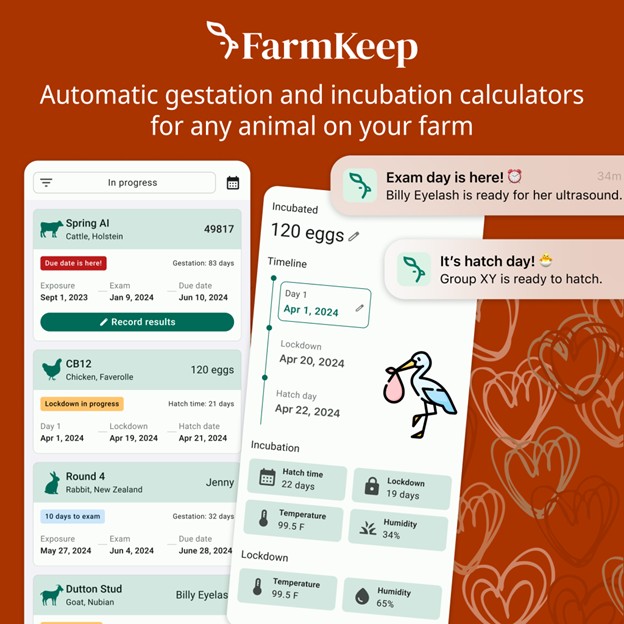
FarmKeep is an all-in-one farm management solution that not only tracks sheep gestation effortlessly but also helps you:
- Log breeding, AI, and due dates in intuitive calendars
- Set alerts for pregnancy checks and expected births
- Track outcomes, stats, and offspring records
- Centralize all breeding data; no loose papers or spreadsheets
When is the Best Time to Breed Your Sheep?
Sheep are seasonal breeders, and timing is important for the health of the ewe and the survival of her lambs. The best time to breed is after the ewe reaches sexual maturity: small and medium breeds around 6–8 months, and larger breeds around 8–12 months.
- Sexual Maturity: Ensure the ewe has reached reproductive maturity before breeding.
- Physical and Behavioral Readiness: Check if the ewe shows mating-ready behavior; breeding too early can lead to weak lambs, miscarriages, or poor conception rates.
- Temperature & Climate: Avoid breeding during extreme heat; cooler months, such as fall or early spring, are ideal to reduce stress and improve lamb survival.
- Health: Only breed healthy, well-conditioned ewes; underweight or unhealthy animals may face pregnancy complications.
- Fertility Management: Since ewes can cycle multiple times in a season, careful scheduling and monitoring of breeding helps protect ewe health and supports healthy lambing outcomes.
How to Get Your Sheep Pregnant?
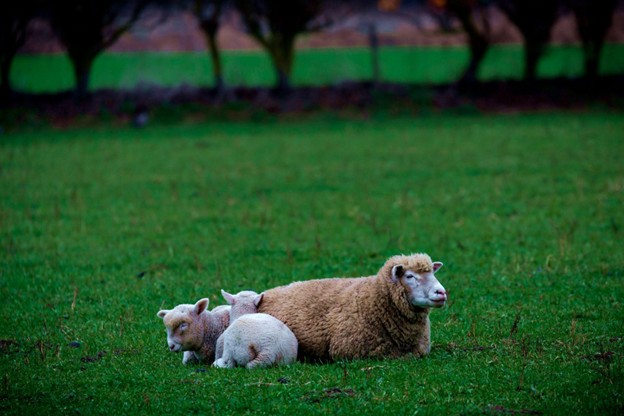
There are three primary methods to get a sheep pregnant:
- Natural Service: Introduce a ram to a group of receptive ewes. This simple method works well for small flocks but makes it harder to track exact breeding dates.
- Controlled Breeding: Bring the ram and ewe together at the right time to ensure successful mating and precise lambing dates.
- Artificial Insemination (AI): A technician manually breeds the ewe using selected semen. While more complex, AI allows better genetic control and accurate breeding dates, which pair well with a gestation calculator.
Check Out Our Other Animal Tools
FAQs
How long is the gestation period of a sheep?
Sheep pregnancy typically lasts about 147 days (roughly 5 months), though it can vary slightly depending on breed, age, litter size, and health.
How many lambs do sheep give birth to?
Most ewes have 1–3 lambs per pregnancy, with twins being the most common. Some breeds may occasionally have larger litters.
What is the average sheep gestation period?
The average sheep gestation calendar is 147 days, but it can range from 145 to 150 days depending on breed and other factors.
Can gestation length vary with multiple lambs?
Yes. Ewes carrying twins or triplets may have slightly shorter gestation periods compared to those carrying a single lamb.
Do sheep breed year-round?
Most sheep are seasonal breeders. Sheep are most fertile in the fall and early winter months . Some breeds can be bred year-round with controlled lighting, nutrition, and management.
When should you shear before lambing?
Shearing is usually done 4–6 weeks before lambing. This helps keep ewes clean, reduces disease risk, and allows better access to teats for nursing lambs.
What factors can affect the length of sheep gestation?
Gestation can vary due to breed, age, litter size, nutrition, health, environment, and management practices. Proper care and monitoring help maintain predictable and healthy pregnancies.