How to Start a Cattle Ranch: A Complete Guide
Starting a cattle ranch is a dream for many people who want to build a life connected to land, livestock, and food production. Cattle ranching can be both a rewarding lifestyle and a profitable agricultural business when planned carefully. However, success requires more than simply buying cows and putting them in a pasture. A well-run cattle ranch depends on thoughtful planning, good land management, healthy animals, and strong financial decisions.pa
Whether you are considering a small hobby ranch, a family beef operation, or a larger commercial cattle enterprise, understanding the fundamentals of cattle ranching is essential. From choosing the right land and cattle breeds to managing daily operations and understanding startup costs, each decision plays a role in the long-term success of your ranch.
In this guide, we’ll walk through everything you need to know about starting a cattle ranch, including land requirements, cattle breeds, infrastructure, startup costs, daily management, and profitability.

Is Starting a Cattle Ranch Right for You?
Cattle ranching can be incredibly fulfilling, but it also requires hard work, patience, and long-term commitment. Before investing in land or livestock, it’s important to understand the realities of running a cattle operation.
Types of Cattle Operations
Not all cattle ranches operate the same way. The type of cattle enterprise you choose will affect your infrastructure needs, labor requirements, and revenue model.
Cow-Calf Operations
Cow-calf operations are the most common type of cattle ranch. Ranchers maintain breeding cows that produce calves each year. The calves are typically sold at weaning age to stocker operations or feedlots.
Stocker Operations
Stocker ranches purchase young cattle and raise them on pasture until they reach a heavier weight before selling them to feedlots.
Feedlot Operations
Feedlots are intensive finishing operations where cattle are fed high-energy diets to prepare them for market. These operations require more infrastructure and capital.
Small Farm or Homestead Cattle Operations
Many small farms raise a limited number of cattle for direct beef sales, grass-fed beef programs, or personal consumption.
Skills Needed to Run a Cattle Ranch
Running a successful cattle ranch requires a combination of practical and business skills.
Key skills include:
- Animal husbandry and livestock care
- Pasture and grazing management
- Financial planning and budgeting
- Equipment maintenance
- Record keeping and data tracking
- Marketing livestock or beef products
While many ranchers learn these skills over time, having a willingness to learn and adapt is essential.
Lifestyle Considerations
Cattle ranching is not a typical 9-to-5 job. Livestock require care every day of the year, including weekends and holidays.
Ranchers often face:
- Early mornings and long workdays
- Seasonal workload spikes during calving and hay season
- Weather challenges such as drought or extreme cold
- Emergency situations involving livestock health
Despite these challenges, many ranchers find the lifestyle deeply rewarding.

How Much Land Do You Need for a Cattle Ranch?
One of the most common questions new ranchers ask is how much land is required to raise cattle. The answer depends heavily on climate, pasture quality, and grazing management.
Understanding Stocking Rates
A stocking rate refers to how many animals can graze a certain amount of land without degrading the pasture.
Typical stocking rates vary by region:
- High rainfall regions: 1–2 acres per cow
- Moderate pasture regions: 3–6 acres per cow
- Semi-arid regions: 10–20 acres per cow
- Arid western regions: 20+ acres per cow
These numbers can vary dramatically depending on forage production and grazing management practices.
Local agricultural extension offices can provide regional stocking recommendations.
Use a cattle per acre calculator to help you calculate how much land you need for your cattle operation.
Pasture Quality and Rotational Grazing
The productivity of your pasture has a major impact on how many cattle your ranch can support.
Healthy pasture management strategies include:
- Rotational grazing systems
- Allowing pasture recovery periods
- Managing forage height and density
- Preventing overgrazing
Rotational grazing allows ranchers to divide pasture into multiple paddocks and move cattle regularly. This improves forage health and increases the productivity of the land.
Water and Infrastructure Requirements
Cattle require consistent access to clean water. Each cow can drink between 10 and 20 gallons of water per day, depending on weather conditions.
Common water sources include:
- Ponds
- Natural streams
- Wells
- Automatic livestock waterers
Reliable water access is essential for animal health and pasture distribution.

Cattle Ranch Startup Costs
Starting a cattle ranch can require a significant investment, especially if land must be purchased. However, many ranchers start small and expand gradually.
Creating a farm business plan can help you stay prepared from the beginning.
Land Costs
Land prices vary widely depending on location, soil quality, and water access.
Typical rural pasture land ranges from:
- $2,000 per acre in some rural regions
- $10,000+ per acre in high-demand agricultural areas
Many new ranchers begin by leasing pasture land rather than purchasing property outright.
Leasing can significantly reduce startup costs while allowing you to gain experience.
Buying Your First Cattle
The cost of cattle depends on age, genetics, and market conditions.
Typical price ranges include:
- Feeder calves: $800 – $1,800
- Bred cows: $1,500 – $3,000
- Breeding bulls: $3,000 – $10,000+
Many beginners start with 5–20 cows and scale their herd gradually.
Equipment and Infrastructure
A cattle ranch requires basic equipment and facilities to safely manage livestock.
Common infrastructure includes:
- Perimeter fencing
- Cross fencing for rotational grazing
- Corrals and working pens
- Squeeze chute or cattle handling system
- Livestock trailer
- Feeders and mineral tubs
- Water systems
Equipment costs vary significantly depending on scale, but even a small ranch may require $20,000–$100,000 in infrastructure.
Estimated Startup Budget
Startup costs vary widely depending on land ownership and herd size.
Example ranges:
Small starter ranch: $50,000 – $250,000+
Medium operation: $250,000 – $1 million+
Large commercial ranch: $1 million+
Careful financial planning is essential before launching a cattle operation.
Choosing the Right Cattle Breeds
Different cattle breeds are suited to different climates, production goals, and management styles.
Best Beef Cattle Breeds for Beginners
Some of the most popular beef cattle breeds include:
Angus
Angus cattle are one of the most common beef breeds due to their excellent meat quality and adaptability.
Hereford
Herefords are known for their calm temperament and ability to thrive in diverse environments.
Simmental
Simmental cattle are valued for fast growth and strong maternal traits.
Charolais
Charolais cattle grow rapidly and produce high-yield carcasses.
Limousin
Limousins are efficient meat producers with strong feed conversion.
Best Breeds for Small Farms
Some smaller breeds may be better suited for homesteads or small farms.
Examples include:
- Dexter cattle
- Lowline Angus
- Miniature Herefords
These breeds require less pasture and are easier to manage for beginners.
Factors to Consider When Choosing Breeds
When selecting cattle breeds, consider:
- Climate adaptability
- Pasture conditions
- Market demand
- Temperament
- Growth rates
- Meat quality
Many ranchers eventually crossbreed cattle to improve genetics and productivity.
Setting Up Your Ranch Infrastructure
Proper infrastructure ensures cattle can be handled safely and efficiently.
Fencing Systems
Strong fencing is essential to keep cattle contained and protect pastures.
Common fencing types include:
- Barbed wire fencing
- High-tensile electric fencing
- Woven wire fencing
- Portable electric fencing
Electric fencing is commonly used for rotational grazing systems.
Handling Facilities
Handling cattle safely requires proper facilities.
Key components include:
- Working pens
- Sorting alleys
- Loading chutes
- Squeeze chutes
These systems allow ranchers to safely vaccinate, weigh, and inspect animals.
Water Systems
Livestock water systems may include:
- Wells and pumps
- Automatic livestock waterers
- Gravity-fed water tanks
- Solar-powered pumping systems
Reliable water infrastructure is essential for herd health.
Developing a Cattle Ranch Business Plan
A strong business plan helps guide decisions and attract financing if needed.
Define Your Ranch Goals
Common cattle ranch goals include:
- Raising calves for sale
- Producing grass-fed beef
- Selling breeding stock
- Direct-to-consumer beef sales
Each model has different infrastructure and marketing needs.
Revenue Streams
Cattle ranches generate income through several sources.
Potential revenue streams include:
- Calf sales
- Breeding stock sales
- Beef processing and direct sales
- Leasing grazing land
- Manure or compost sales
Diversifying income streams can improve financial stability.
Estimating Expenses
Operating expenses may include:
- Feed and hay
- Veterinary care
- Mineral supplements
- Equipment maintenance
- Fuel and transportation
- Labor
Careful expense tracking is critical for long-term profitability.
Use a cattle cost calculator to help you estimate your expenses.

Daily Management of a Cattle Ranch
Once your ranch is established, daily management becomes the core of operations.
Feeding and Nutrition
Most cattle operations rely primarily on pasture grazing.
However, supplemental feeding may include:
- Hay during winter
- Silage or stored forage
- Mineral supplements
- Grain in finishing operations
Proper nutrition supports growth, reproduction, and health.
Health and Veterinary Care
Preventive health care is essential for maintaining a productive herd.
Common practices include:
- Vaccination programs
- Parasite control
- Hoof health monitoring
- Disease surveillance
Working with a veterinarian helps develop an effective herd health plan.
Breeding Management
Breeding management is central to cattle ranch productivity.
Key considerations include:
- Breeding seasons
- Artificial insemination vs natural service
- Pregnancy checks
- Calving schedules
Efficient breeding management improves herd genetics and profitability.
Use a cattle gestation calculator to track accurate due dates.
Common Challenges New Ranchers Face
Starting a cattle ranch involves navigating several common challenges.
Feed Costs
Feed and hay prices can fluctuate significantly due to drought or market conditions.
Managing pasture effectively helps reduce reliance on purchased feed.
Weather and Drought
Extreme weather can impact pasture production and livestock health.
Drought planning and forage reserves are critical for long-term resilience.
Market Price Fluctuations
Beef prices fluctuate based on supply, demand, and global markets.
Successful ranchers often plan for price volatility.
Disease and Biosecurity
Preventing disease outbreaks is essential.
Biosecurity practices include:
- Quarantining new animals
- Monitoring herd health
- Maintaining sanitation protocols
How Much Profit Can a Cattle Ranch Make?
Profitability varies widely depending on herd size, land ownership, and management practices.
Many cow-calf operations operate on relatively narrow margins.
Example scenario:
A ranch with 50 cows may produce 45 calves annually.
If calves sell for $1,200 each:
Annual revenue may be around $54,000.
However, expenses such as feed, veterinary care, and infrastructure can reduce profits.
Some ranchers improve profitability through:
- Direct beef sales
- Grass-fed premium markets
- Agritourism
- Breeding stock sales
Diversification can significantly increase income potential.
Tools That Help Manage a Cattle Ranch
Modern ranchers increasingly rely on digital tools to improve efficiency and record keeping.
Livestock management software can help track:
- Animal identification and lineage
- Breeding records and calving dates
- Health treatments and vaccinations
- Weight gain and production data
- Financial expenses and profits
Accurate records help ranchers make better decisions about breeding, feeding, and herd management.
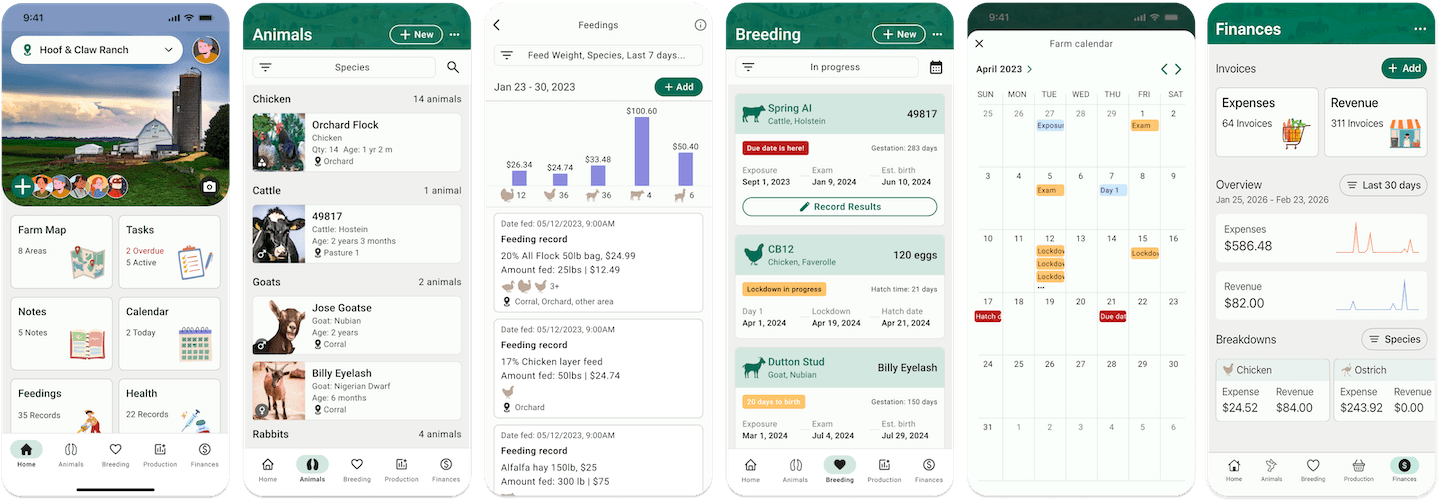
How FarmKeep Helps Cattle Ranchers Stay Organized
Managing cattle records with notebooks or spreadsheets can quickly become overwhelming, especially as a herd grows.
Farm management tools like FarmKeep help ranchers organize every aspect of their livestock operation in one place.
With FarmKeep, cattle ranchers can:
- Create detailed profiles for every animal
- Track breeding dates and expected calving timelines
- Record health treatments and vaccinations
- Monitor weight gain and production data
- Track farm expenses and profitability
- Access livestock records from their phone in the field
Instead of juggling multiple notebooks and spreadsheets, ranchers can manage their entire operation through a single system.
If you’re starting a cattle ranch, having organized records from day one can save time, prevent costly mistakes, and help you grow your operation more efficiently.
👉 Download FarmKeep and start managing your ranch with confidence.
FAQ
How much money does it take to start a cattle ranch?
Startup costs can range from $50,000 for a small starter operation to over $1 million for large commercial ranches, depending on land ownership, herd size, and infrastructure needs.
How many acres do you need for cattle?
The amount of land required depends on climate and pasture productivity. In productive regions, cattle may require 1–3 acres per cow, while arid areas may require 20 acres or more per cow.
What is the easiest cattle breed for beginners?
Angus and Hereford cattle are often recommended for beginners because they are hardy, adaptable, and widely accepted in beef markets.
Is cattle ranching profitable?
Cattle ranching can be profitable when managed efficiently, but profit margins can be tight. Many ranchers increase profits through direct beef sales, breeding stock, or diversified farm income streams.
Can you start a cattle ranch part-time?
Yes, many small ranchers operate cattle herds part-time while working other jobs. Smaller herds require less daily labor but still require consistent management.
How many cows should a beginner start with?
Many beginners start with 5–20 cows while learning herd management and pasture practices. Starting small allows ranchers to gain experience before expanding their herd.
Starting a cattle ranch takes careful planning, dedication, and a willingness to learn. With the right land, infrastructure, and management practices, cattle ranching can become both a sustainable business and a rewarding way of life. Whether your goal is producing beef, breeding livestock, or building a long-term agricultural enterprise, understanding the fundamentals of cattle ranching will help set your operation up for success.