How to Start a Sheep Farm: Costs, Breeds & Profit Guide
Starting a sheep farm can be one of the most rewarding ways to build a small farm or homestead business. Sheep are versatile livestock that can produce meat, wool, milk, and breeding stock, and they are well-suited for both small farms and larger commercial operations. For many farmers, sheep are also easier to manage than larger livestock like cattle, require less land, and can thrive in a variety of climates.
Whether you want to raise sheep for profit, land management, or homesteading, this guide will walk you through everything you need to know — from choosing breeds and preparing land to managing your flock and selling your products.
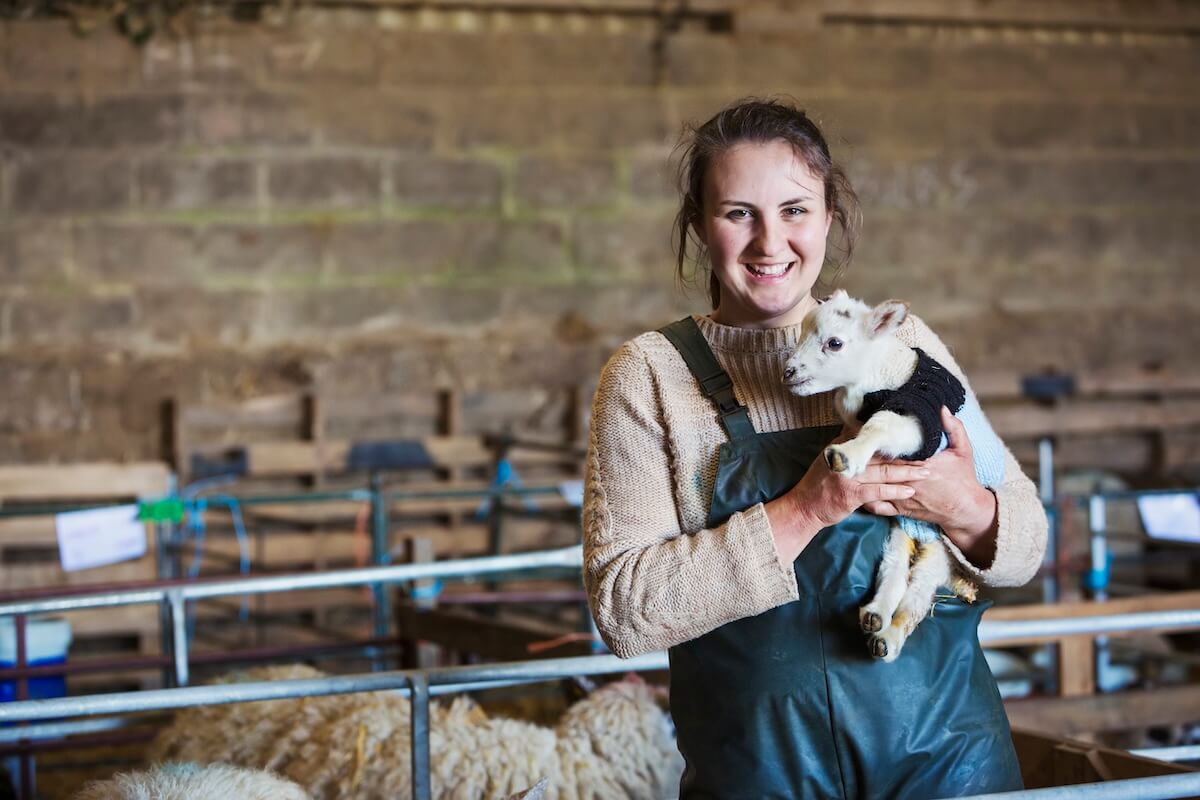
Why Start a Sheep Farm?
Sheep farming has been practiced for thousands of years and remains one of the most common livestock enterprises worldwide. Today, sheep are raised for a variety of agricultural and commercial purposes.
Growing Demand for Lamb and Sheep Products
Consumer demand for lamb meat, wool, and specialty dairy products has increased in many regions. Restaurants, farmers markets, and direct-to-consumer sales have made it easier for small farms to sell premium products locally.
Popular sheep products include:
- Lamb and mutton meat
- Wool for textiles and fiber crafts
- Sheep milk for cheese and yogurt
- Breeding animals
- Manure for fertilizer
Many small farms generate income from multiple sheep products, diversifying their revenue streams.
Sheep Work Well on Small Farms
Sheep are ideal for smaller farms because they:
- Require less land than cattle
- Can graze efficiently on pasture
- Are relatively easy to handle
- Adapt to many climates and terrains
With proper pasture management, even small properties can support a productive flock.
Sheep Offer Multiple Income Streams
A sheep farm can generate income through several channels:
- Selling lambs for meat
- Selling wool or fiber
- Breeding stock sales
- Dairy sheep products
- Agritourism or farm experiences
These options allow farmers to tailor their business model to local markets and farm goals.
Types of Sheep Farming Operations
Before starting a sheep farm, it’s important to decide what type of sheep operation you want to run. Different types of sheep farming focus on different products.
Meat Sheep Production
Many sheep farms focus on lamb meat production, which is one of the most profitable sectors of sheep farming.
Popular meat breeds include:
- Dorper
- Suffolk
- Hampshire
- Katahdin
- Texel
These breeds grow quickly and produce high-quality meat.
Wool Sheep Farming
Some farms specialize in producing wool for the textile industry or fiber artists.
Common wool breeds include:
- Merino
- Rambouillet
- Lincoln
- Romney
High-quality wool can be used for clothing, yarn, and crafts.
Dairy Sheep Farming
Sheep milk is used to produce specialty cheeses such as:
- Roquefort
- Pecorino
- Manchego
Popular dairy sheep breeds include:
- East Friesian
- Lacaune
- Awassi
Although dairy sheep farming is less common in North America, it can be highly profitable in niche markets.
Small Homestead Flocks
Many people raise sheep on small farms or homesteads for:
- Meat for personal consumption
- Pasture management
- Fiber production
- Hobby farming
These smaller flocks often consist of 5–20 animals and are ideal for beginners.
Step 1: Create a Sheep Farming Plan
Before purchasing sheep, you should develop a clear plan for your farm.
A sheep farming plan should include:
- Your production goals
- Target flock size
- Land availability
- Startup budget
- Local market demand
Planning helps ensure you start with the right number of animals and infrastructure.
Questions to Ask Before Starting
- Will you raise sheep for meat, wool, dairy, or breeding?
- How much land do you have available?
- What sheep breeds perform best in your climate?
- Where will you sell your products?
Taking time to answer these questions will help you avoid costly mistakes later.
.jpeg)
Step 2: Understand Land Requirements for Sheep
Land availability plays a major role in determining how many sheep you can raise.
How Many Acres Do Sheep Need?
A common guideline is:
1 acre for every 2–4 sheep
However, this varies depending on:
- pasture quality
- rainfall
- soil fertility
- grazing management
High-quality pasture can support more animals per acre, while poor pasture requires more land.
Use a sheep per acre calculator to help you determine how many sheep your land can support.
Rotational Grazing
Rotational grazing is a management system where sheep are moved between pasture sections.
Benefits include:
- improved pasture health
- reduced parasite buildup
- better forage utilization
- healthier animals
Dividing pastures into smaller paddocks can dramatically improve productivity.
Step 3: Choose the Best Sheep Breeds
Choosing the right breed is one of the most important decisions when starting a sheep farm.
Best Sheep Breeds for Beginners
Many beginner farmers prefer breeds that are hardy, easy to manage, and resistant to disease.
Some excellent beginner breeds include:
Katahdin
Hair sheep that do not require shearing and have strong parasite resistance.
Dorper
A popular meat breed known for fast growth and adaptability.
Suffolk
Large meat sheep with excellent carcass quality.
Cheviot
Hardy sheep that perform well in colder climates.
Hair Sheep vs Wool Sheep
Hair sheep are becoming increasingly popular among small farmers.
Advantages of hair sheep:
- no shearing required
- lower maintenance
- better parasite resistance
- excellent meat production
Wool sheep require shearing but can produce valuable fiber.
Step 4: Build Essential Sheep Infrastructure
Sheep require relatively simple infrastructure, but proper facilities are still important.
Sheep Fencing
Good fencing is essential to keep sheep safe and protect them from predators.
Common fencing options include:
- woven wire fencing
- electric netting
- high-tensile electric fencing
Electric fencing is widely used because it helps deter predators such as coyotes.
Sheep Shelter
Sheep need protection from extreme weather.
Basic sheep shelters should provide:
- protection from wind and rain
- dry bedding
- ventilation
Many farms use three-sided sheds or simple barns for shelter.
Handling Facilities
Handling facilities make routine tasks easier.
These include:
- sorting pens
- working chutes
- small holding areas
Handling systems are used for health checks, vaccinations, and breeding management.
Step 5: Buy Your First Sheep
When you’re ready to start your flock, purchase animals from reputable sources.
Where to Buy Sheep
You can buy sheep from:
- local breeders
- livestock auctions
- agricultural classifieds
- online livestock marketplaces
Buying from experienced breeders is usually the best option for beginners.
What to Look for When Buying Sheep
Healthy sheep should have:
- bright, alert eyes
- strong body condition
- healthy hooves
- active movement
- clean fleece or coat
Avoid animals that appear lethargic or underweight.

Step 6: Feeding and Nutrition
Sheep are grazing animals and rely primarily on pasture.
Pasture as the Main Feed Source
Sheep thrive on forage such as:
- grass pasture
- legumes
- clover
- forage crops
Well-managed pasture can meet most of a sheep’s nutritional needs.
Supplemental Feeding
During winter or drought conditions, farmers may provide:
- hay
- grain
- silage
Proper nutrition is especially important during pregnancy and lamb growth stages.
Learn more about the cost of hay to estimate potential costs.
Sheep Mineral Requirements
Sheep require balanced mineral supplements.
Important nutrients include:
- salt
- selenium
- calcium
- phosphorus
Copper levels must be carefully controlled because sheep are sensitive to copper toxicity.
Step 7: Sheep Health Management
Healthy sheep require preventative care and regular monitoring.
Vaccination Programs
Vaccinations help protect sheep from common diseases such as:
- clostridial diseases
- tetanus
- enterotoxemia
Consulting a veterinarian helps determine the best vaccination schedule.
Parasite Control
Internal parasites are one of the biggest challenges in sheep farming.
Effective parasite control strategies include:
- rotational grazing
- fecal testing
- targeted deworming
- maintaining healthy pasture conditions
Learn more about the types of parasites that affect sheep.
Hoof Care
Sheep hooves grow continuously and require trimming.
Regular hoof trimming prevents:
- lameness
- hoof rot
- infections
Predator Protection
Predators can cause serious losses.
Common sheep predators include:
- coyotes
- dogs
- mountain lions
- bears
Farmers often use:
- guardian dogs
- electric fencing
- night enclosures
Step 8: Breeding and Lambing
Breeding is a key part of sheep farming. There are different types of sheep breeding methods to choose from.
Sheep Breeding Cycles
Most sheep breeds breed seasonally. Sheep gestation lasts about: 147 days (around 5 months). Ewes typically produce 1–3 lambs per lambing.
Use a sheep gestation calculator to help you accurately track due dates.
Learn more about pregnancy signs in sheep.
Lambing Season
Many farms plan lambing for early spring when pasture growth begins.
Benefits include:
- warmer weather
- abundant pasture
- improved lamb survival
Caring for Lambs
Newborn lambs require careful monitoring.
Key steps include:
- ensuring lambs receive colostrum
- keeping lambs warm and dry
- monitoring growth and health
Step 9: Marketing Sheep Products
Successful sheep farms develop strong marketing strategies.
Selling Lamb Meat
Lamb can be sold through:
- farmers markets
- local butcher shops
- direct farm sales
- restaurants
- ethnic markets
Direct-to-consumer sales often provide the highest profits.
Selling Wool
Wool may be sold to:
- wool processors
- fiber mills
- yarn makers
- craft communities
High-quality wool can command premium prices.
Selling Breeding Stock
Experienced farms often sell:
- breeding ewes
- rams
- registered animals
Quality genetics can become a major revenue source.
Sheep Farming Startup Costs
The cost of starting a sheep farm varies depending on land, flock size, and infrastructure.
Example startup costs for 20 sheep might include:
Sheep purchase: $3,000 – $6,000
Fencing: $2,000 – $8,000
Shelter: $1,000 – $3,000
Feed & hay: $800 – $2,000
Equipment: $1,000
Total estimated startup cost: $7,000 – $20,000+
Costs can be lower for small homestead flocks and higher for commercial operations.
It's important to create a farm business plan to help you understand true feasibility.
Is Sheep Farming Profitable?
Sheep farming can be profitable with good management and strong market demand.
Typical lamb prices may range from:
$200–$400 per lamb depending on breed and market conditions.
Profitability depends on:
- feed costs
- land costs
- flock health
- market access
- production efficiency
Diversifying income through meat, wool, and breeding stock can increase overall farm profitability.
Tools That Make Sheep Farming Easier
As flocks grow, managing records becomes more challenging.
Farmers often track:
- breeding dates
- lambing records
- vaccinations
- feed costs
- pasture rotations
- animal weights and growth
Keeping these records organized helps farmers make better management decisions and improve profitability.

Use FarmKeep to Manage Your Sheep Farm
FarmKeep is a farm management app designed to help livestock farmers keep everything organized in one place.
With FarmKeep, sheep farmers can:
- Create detailed profiles for every animal
- Track breeding dates and lambing schedules
- Log vaccinations, health treatments, and veterinary visits
- Monitor weights and production records
- Manage pasture rotations and flock inventory
- Track expenses and income to understand farm profitability
Instead of managing your flock with notebooks, spreadsheets, or scattered apps, FarmKeep keeps your entire farm record system organized and accessible from your phone.
Common Mistakes New Sheep Farmers Make
Starting a sheep farm comes with a learning curve.
Buying Too Many Sheep Too Soon
Beginners often expand too quickly before gaining experience.
Starting with 5–20 sheep allows you to learn management skills before scaling up.
Poor Fencing
Weak fencing leads to escapes and predator attacks.
Investing in strong fencing early prevents many problems.
Ignoring Parasite Management
Parasites are one of the biggest threats to sheep health.
Rotational grazing and monitoring are essential.
Not Planning for Winter Feed
Pasture production slows in winter, so farmers must plan for hay and supplemental feed.
Final Thoughts
Starting a sheep farm can be a rewarding and profitable agricultural venture. With the right planning, infrastructure, and flock management practices, sheep can thrive on farms of many sizes. By choosing the right breeds, maintaining healthy pasture, and keeping detailed records of your flock, you can build a productive sheep operation that produces meat, wool, or breeding stock for years to come. Whether you’re starting with a small homestead flock or planning a larger commercial sheep enterprise, careful management and consistent record-keeping will be key to long-term success. 🐑
FAQ
How much does it cost to start a sheep farm?
The cost of starting a sheep farm depends on land, infrastructure, and flock size. Small farms starting with 10–20 sheep may spend $7,000 to $20,000, including livestock purchases, fencing, shelter, feed, and basic equipment.
What is the best sheep breed for beginners?
Many beginner farmers prefer Katahdin or Dorper sheep. These hair sheep breeds are hardy, parasite resistant, and do not require shearing, making them easier to manage for new farmers.
How many sheep do you need to start a farm?
Most beginner farmers start with 5 to 20 sheep. Starting small allows farmers to learn flock management before expanding their operation.
Can sheep farming be profitable?
Yes, sheep farming can be profitable when farmers manage costs and market their products effectively. Income can come from lamb meat sales, wool, breeding stock, and dairy products.
Do sheep require a lot of maintenance?
Sheep are relatively low-maintenance livestock compared to many animals, but they still require daily care. Farmers must monitor their flock’s health, pasture conditions, fencing, and predator protection.
How many lambs does a ewe produce each year?
Most ewes produce one to three lambs per year, depending on breed and management practices.