Ameraucana Chicken: Blue Eggs, Temperament, Colors & Complete Breed Guide (2026)
If you’ve ever seen a basket of soft blue eggs and thought “what kind of chicken lays those?” — you were probably looking at an Ameraucana.
But here’s the catch: Most people who think they have an Ameraucana… don’t.
This guide will walk you through everything you actually need to know — from egg color and personality to how to avoid getting scammed by mislabeled birds.
What Is an Ameraucana Chicken?
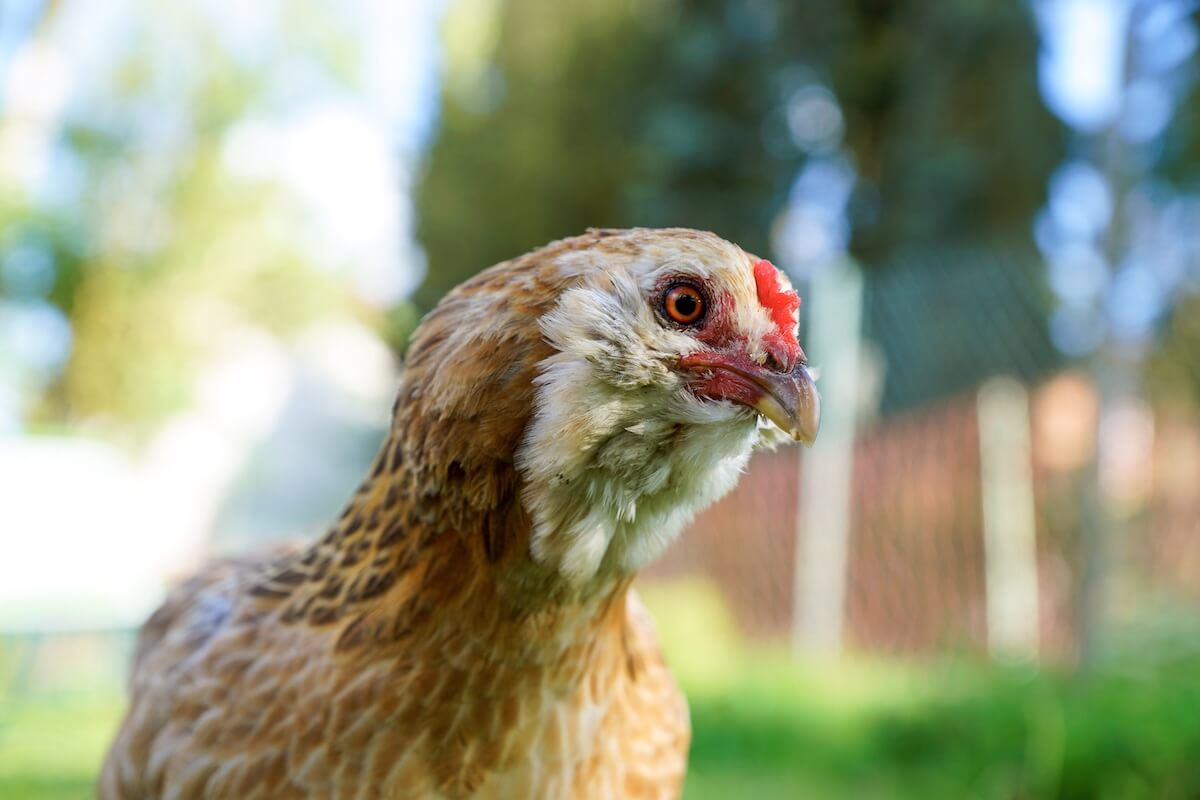
The Ameraucana chicken is a recognized American breed known for laying true blue eggs and having a distinctive, slightly quirky appearance.
Key identifying traits:
- Beard and muffs (fluffy cheeks)
- Small pea comb
- Slate or dark legs
- Medium build with a rounded body
They’re often confused with other blue egg layers—but Ameraucanas are one of the few that are genetically consistent and standardized.
History of the Ameraucana Chicken
In the 1970s, American breeders began working with Araucana chickens, a South American breed prized for their blue eggs. However, Araucanas came with a serious challenge: a lethal gene associated with their ear tufts made breeding them difficult and often unsuccessful.
To solve this, breeders set out to create a more stable and reliable bird. They crossed Araucanas with other chicken breeds and selectively bred offspring that retained the desirable blue egg gene while eliminating the problematic genetic traits. Over time, they also focused on creating a consistent and recognizable appearance.
The result was a new, refined breed that produced dependable blue eggs without the genetic complications seen in Araucanas. These birds also developed standardized physical characteristics, making them easier to identify and breed predictably.
By the 1980s, the Ameraucana was officially recognized by organizations like the American Poultry Association, solidifying its place as a true, standardized breed.
This distinction is important because it separates Ameraucanas from commonly confused birds like Easter Eggers, which are hybrids without consistent traits, and from hatchery birds that are often mislabeled as Ameraucanas despite lacking true breed standards.

What Color Eggs Do Ameraucana Chickens Lay?
True Ameraucana chickens lay blue eggs—only blue. You’ll typically see shades ranging from light blue to a soft sky blue, and the eggs are usually medium in size. In terms of production, most Ameraucanas lay around three to four eggs per week.
What makes these eggs especially unique is how the color is formed. The blue pigment, called oocyanin, is infused throughout the entire shell. That means the inside of the shell is blue as well, unlike brown eggs, which only have pigment on the outer surface.
The easiest way to think about it is this: if a chicken is laying consistently blue eggs, it could be an Ameraucana (or another true blue-egg breed). But if the eggs are green, olive, or vary in color, then it’s not a true Ameraucana.
Read more about blue eggs and the chicken breeds that lay them
Ameraucana Chicken Stats (Quick Overview)
Ameraucana vs Easter Egger
This is where most people get misled:
- Ameraucana = real breed
- Easter Egger = mixed hybrid
Key differences:
What some hatcheries do:
- Label birds as “Americana” or “Ameraucana”
- Actually sell Easter Eggers
If egg color varies → it’s not a true Ameraucana
Temperament & Personality
Ameraucanas are one of those breeds that feel… thoughtful. They’re not clingy, and they’re not chaotic—they have a steady, balanced presence in a flock.
In day-to-day behavior, they tend to be calm and easygoing, with a slightly independent streak. Rather than being overly reactive or high-energy, they’re more observant and measured in how they move and interact. This makes them relatively low-stress birds to manage, especially for backyard setups.
Within a flock, Ameraucanas generally integrate well with other breeds. They’re rarely aggressive and don’t usually dominate the pecking order, but they also aren’t easily bullied. They hold their own without creating drama, which is part of what makes them such a reliable addition to mixed flocks.
They’re not typically lap chickens or highly affectionate, but they are very manageable and predictable—qualities that many flock owners end up valuing more over time.
Egg Production: Are They Good Layers?
It’s important to set expectations correctly with Ameraucanas, especially if egg production is a priority.
Production range:
- 150–200 eggs per year
- ~3–4 eggs per week
Compared to other breeds:
- Lower than production breeds (Leghorns, ISA Browns)
- Higher than ornamental breeds
The best way to think about Ameraucanas is that they’re not optimized for volume. Instead, they offer a balance between function and uniqueness. You’re trading peak egg production for consistent blue eggs and a more distinctive, character-driven bird—and for many backyard keepers, that trade is well worth it.
Read the Top Egg Laying Chickens Guide
Ameraucana Chicken Colors (Recognized Varieties)
Ameraucanas come in several recognized varieties.
Common colors:
- Black
- Blue
- Buff
- Wheaten
- Silver
- Brown Red
Why this matters:
- True Ameraucanas have predictable coloration
- Random colors often indicate hybrid birds
Pros and Cons of Ameraucana Chickens
Pros
- Consistent blue eggs
- Cold hardy
- Unique appearance
- Calm temperament
Cons
- Frequently mislabeled
- Moderate egg production
- Higher cost than hybrids
- Harder to source true stock
Where to Buy Ameraucana Chickens
Buying correctly is half the battle.
Best sources:
- Reputable breeders (ideal)
- Specialty hatcheries (with proof)
What to look for:
- Photos of parent stock
- Clear labeling (not “Americana”)
- Blue egg confirmation
Typical pricing:
- $10–$25 per chick
- Higher for show-quality lines
If it’s cheap and vague… it’s probably not real.
Guide on Incubating Chicken Eggs
How to Identify a True Ameraucana
Here’s your quick checklist:
Must-have traits:
- Beard + muffs
- Pea comb
- Slate legs
- Blue eggs
Red flags:
- Green or olive eggs
- No facial fluff
- Inconsistent body type
If multiple traits are off, it’s likely a hybrid.
General Care for Ameraucana Chickens
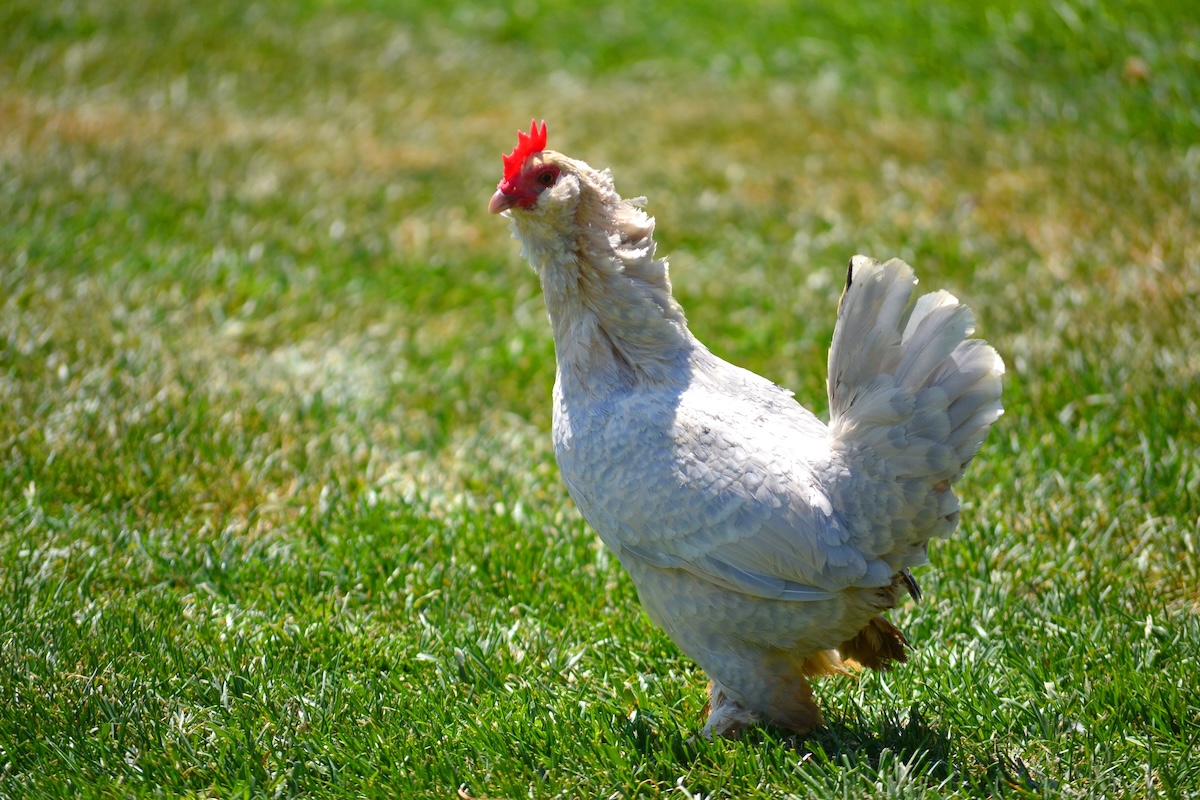
Ameraucana chickens are known for their hardiness, calm temperament, and adaptability, which makes them a great fit for backyard flocks. While they’re relatively low-maintenance compared to some breeds, proper care in feeding, housing, and health management will keep them productive and thriving.
Learn more about how to start your own poultry operation.
Feeding and Nutrition
A balanced diet is the foundation of a healthy Ameraucana flock, especially since they are consistent layers of medium-sized blue eggs.
Start with a high-quality layer feed (around 16–18% protein) once they reach laying age. This ensures they get the nutrients needed for egg production and overall health. If you’re raising chicks or pullets, use starter and grower feeds appropriate for their stage of development.
In addition to their base feed:
- Provide calcium supplements (like oyster shell) free-choice to support strong eggshells
- Offer grit if they have access to treats or forage, to help with digestion
- Keep treats (scratch, kitchen scraps) to a small portion of their diet so they don’t dilute essential nutrients
Ameraucanas are good foragers, so if they have space to roam, they’ll supplement their diet with insects and plants—which can improve both health and egg quality.
What To Feed Chickens for Fast Growth and Egg Laying
Housing and Space Requirements
Ameraucanas are adaptable birds that handle a range of climates well, thanks in part to their pea comb (which reduces frostbite risk). Still, proper housing is essential.
A well-designed coop should provide:
- At least 3–4 square feet per bird inside the coop
- 8–10 square feet per bird in an outdoor run (more if possible)
- Good ventilation without drafts to reduce moisture and respiratory issues
- Dry, clean bedding to prevent disease buildup
They prefer:
- Secure roosting bars for sleeping
- Comfortable nesting boxes (1 box per 3–4 hens) for egg laying
Because Ameraucanas are relatively calm and not overly aggressive, they tend to integrate well into mixed flocks—but still need enough space to avoid stress and pecking behavior.
Essential Tips for Building a Chicken Coop: DIY Guide
Health and Maintenance
Ameraucanas are generally considered a hardy and resilient breed, but like all chickens, they are still susceptible to common poultry health issues.
Routine care should include:
- Regular checks for parasites (mites, lice, worms)
- Monitoring for changes in behavior, appetite, or egg production
- Keeping the coop clean and dry to prevent disease
Their pea comb gives them an advantage in cold climates, as it is less prone to frostbite compared to larger comb types. However, they still need protection from extreme weather, including shade and fresh water in hot conditions.
Vaccination practices will vary depending on your setup, but many backyard keepers ensure chicks are vaccinated for Marek’s disease.
Read the Comprehensive Guide on Chicken Diseases, Symptoms, and Treatments
A Low-Maintenance but Rewarding Breed
One of the reasons Ameraucanas are so popular is that they don’t require anything overly specialized. With consistent feeding, clean housing, and basic health monitoring, they tend to do very well in both small backyard flocks and larger setups.
Like most chickens, the key is consistency. When their basic needs are met, Ameraucanas reward you with steady egg production, unique blue eggs, and a calm presence in the flock.
Are Ameraucana Chickens Right for You?
Ameraucanas are a great fit for flock owners who care about more than just egg quantity. If you’re drawn to the idea of colorful egg baskets, enjoy raising specific, well-defined breeds, or simply appreciate chickens with a bit more personality and visual appeal, they tend to be a very satisfying choice.
That said, they’re not ideal for every setup. If your primary goal is to maximize egg production, there are more efficient breeds available. They’re also not the best option if you’re specifically looking for highly affectionate, lap-style chickens, as Ameraucanas tend to be more independent in nature.

Track Your Ameraucana Flock with FarmKeep
If you’re raising Ameraucanas, you’re probably paying attention to more than just egg count.
With FarmKeep, you can:
- Track egg production by breed
- Monitor laying trends
- Log breeding and lineage
- Manage your entire flock in one place
Especially useful for comparing blue egg layers vs other breeds.
Final Thoughts
Ameraucanas aren’t about maximizing output—they’re about intention.
They represent a balance between thoughtful breeding, unique egg color, and a flock that feels a bit more distinctive. Instead of optimizing purely for production, they offer something that feels more curated: a combination of beauty, reliability, and quiet personality.
If you’re looking to build a flock that feels a little less industrial and a little more intentional, Ameraucanas are a strong choice.
FAQ
Do Ameraucana chickens always lay blue eggs?
Yes—true Ameraucana chickens lay blue eggs only. If a chicken lays green, olive, or any other variation, it is not a true Ameraucana and is most likely an Easter Egger or another hybrid.
How can you tell if a chicken is a real Ameraucana?
A true Ameraucana will have a consistent set of traits, including a beard and muffs (fluffy facial feathers), a small pea comb, slate-colored legs, and—most importantly—reliable blue eggs. If multiple traits are missing or inconsistent, it’s likely not a pure Ameraucana.
What’s the difference between Ameraucana and Easter Egger chickens?
Ameraucanas are a recognized breed with consistent traits and always lay blue eggs. Easter Eggers, on the other hand, are mixed-breed hybrids that can lay a variety of egg colors, including green, olive, and sometimes pink. They also vary widely in appearance.
Are Ameraucana chickens good egg layers?
Ameraucanas are moderate layers, producing around 150 to 200 eggs per year. While they don’t compete with high-production breeds, they provide a steady supply of eggs along with the added benefit of unique blue shells.
Are Ameraucana chickens friendly?
They are generally calm and easygoing but tend to be more independent than highly social or cuddly breeds. They’re well-suited for mixed flocks and are typically low-maintenance in terms of behavior.
Are Ameraucana chickens rare?
They aren’t extremely rare, but true Ameraucanas are less common than Easter Eggers, which are often mislabeled and sold in their place. Finding a reputable breeder is key if you want a genuine bird.
How much do Ameraucana chickens cost?
Prices typically range from $10 to $25 per chick, though high-quality or show-line birds may cost more. Birds sold at very low prices are often not true Ameraucanas.
Are Ameraucana chickens good for beginners?
Yes, they are generally considered beginner-friendly. Their calm temperament, cold hardiness, and manageable egg production make them a solid choice for new backyard chicken keepers.
Do Ameraucana chickens go broody?
They can go broody, but it’s not very common. Most Ameraucanas are not known for strong broodiness compared to more maternal breeds.
What climate do Ameraucana chickens do best in?
Ameraucanas are especially well-suited for colder climates due to their small pea comb, which reduces the risk of frostbite. They can also tolerate warmer climates as long as they have proper shade and ventilation.