Embden Geese: Complete Breed Guide
Embden geese are one of the most recognizable domestic goose breeds in the world. Their brilliant white plumage, large size, bright orange bills, and confident posture have become the image many people picture when they think of a traditional farm goose. For centuries, they have been valued as dependable utility birds, providing meat, grazing services, and companionship on farms of every size.
Originally developed in Germany, Embden geese have earned a reputation as one of the finest meat goose breeds available. They grow quickly, adapt well to pasture-based management, and possess a calm temperament that makes them popular with both experienced breeders and first-time goose owners. Although they are best known for meat production, Embdens are also efficient grazers, attentive parents, and attractive additions to hobby farms and homesteads.
Compared to lighter breeds like Chinese geese, Embdens are larger, quieter, and more relaxed. While they produce fewer eggs than specialized laying breeds, their impressive body size and gentle disposition continue to make them one of the most popular domestic geese worldwide.
Whether you’re researching your first flock or comparing breeds for a growing farm, Embden geese offer a combination of size, productivity, and easygoing personality that has stood the test of time.
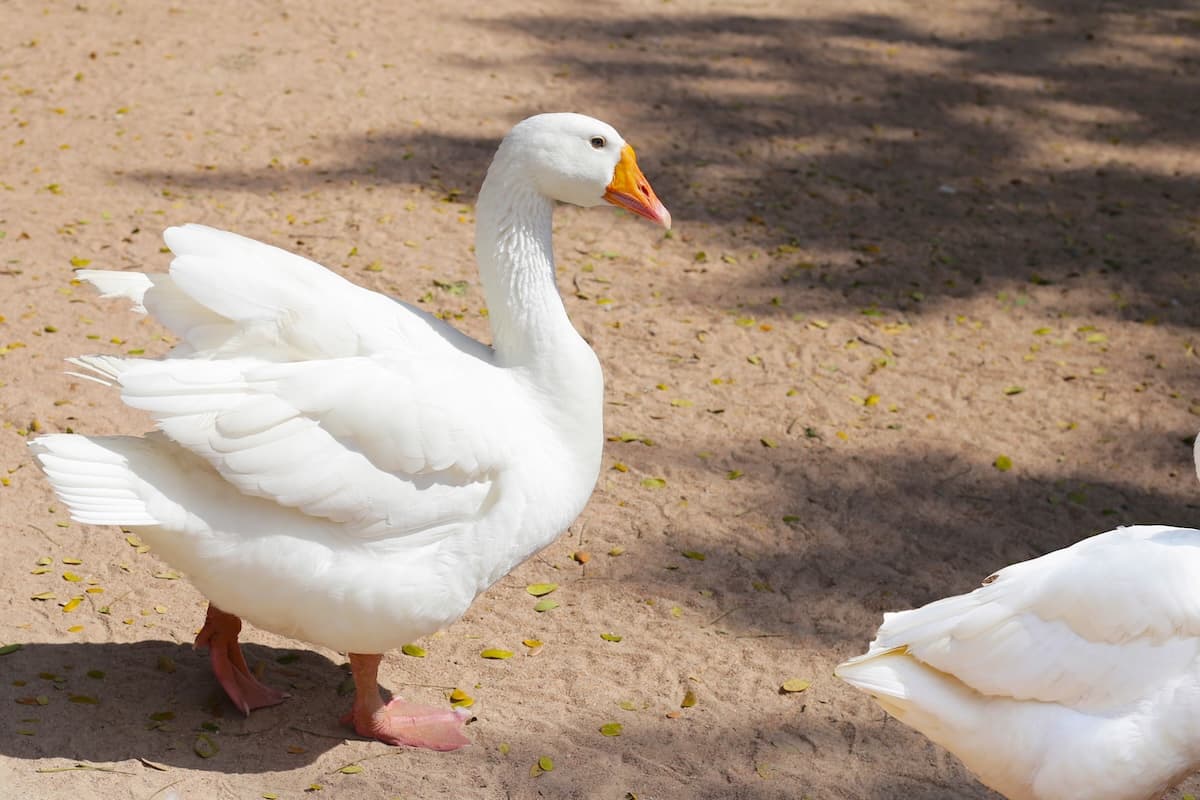
Breed Snapshot
Breed Scorecard
Overview of Embden Geese
Embden geese are widely regarded as one of the finest all-around utility goose breeds. Their large body size, rapid growth, and excellent grazing ability have made them a cornerstone of traditional goose farming for generations.
Unlike breeds developed primarily for ornamental purposes or egg production, Embdens were selectively bred to produce a fast-growing, efficient bird capable of converting pasture into high-quality meat. Their broad bodies, strong legs, and active grazing habits make them particularly well suited for pasture-based farming systems where birds can harvest much of their own forage.
One of the reasons Embden geese remain so popular is their versatility. While they are best known as a meat breed, they also adapt well to small farms, family homesteads, educational farms, and mixed livestock operations. Their calm temperament makes them relatively easy to manage, while their bright white plumage gives them a clean, classic appearance that stands out on pasture.
Compared to many lighter goose breeds, Embdens are less vocal and generally more relaxed. They still remain alert to activity around the farm, but they are less likely to patrol constantly or announce every passing disturbance. For many owners, this combination of size and manageable temperament makes them an ideal choice.
Why Farmers Choose Embden Geese
Embden geese continue to be one of the world’s most popular domestic goose breeds because they excel in several important areas of farm management.
Farmers often choose Embden geese because they:
- Produce excellent quality meat
- Grow quickly compared to many breeds
- Graze efficiently on pasture
- Have calm, manageable personalities
- Adapt well to a wide variety of climates
- Make dependable breeding stock
- Thrive in pasture-based farming systems
- Require relatively straightforward management
Their combination of productivity and easygoing temperament has made them a favorite among both commercial producers and backyard homesteaders.
Quick Facts
History and Origin
Embden geese are one of the oldest and most influential domestic goose breeds in the world. Their history dates back several centuries, and although some details of the breed’s development remain debated, they are widely associated with the city of Emden in northwestern Germany, from which the breed takes its name.
Over generations, farmers selectively bred these geese for rapid growth, large body size, efficient feed conversion, and high-quality meat. These efforts produced the modern Embden goose—a large, hardy white goose that quickly became the benchmark for commercial and homestead meat production.
By the 19th century, Embden geese had spread throughout Europe before being introduced to North America, where they quickly gained popularity on family farms. Their calm temperament, excellent grazing ability, and impressive carcass quality helped establish them as one of the world’s premier utility goose breeds.
Today, Embden geese remain one of the most common domestic geese raised for meat, breeding, pasture management, and exhibition. Their influence can also be seen in several modern goose breeding programs, where they continue to contribute desirable production traits.
Physical Characteristics
Embden geese are instantly recognizable thanks to their brilliant white plumage, broad bodies, bright orange bills, and sturdy orange legs.
Unlike lighter breeds such as Chinese geese, Embdens have a deep, rounded body with a wide chest and powerful legs that support their substantial weight. Their overall appearance reflects centuries of selective breeding for utility rather than ornamentation.
Despite their size, healthy Embden geese carry themselves with an upright, confident posture and move surprisingly well across pasture.
Their clean white feathers have also made them one of the most recognizable goose breeds in the world.

Appearance
Embden geese possess several distinctive characteristics that make identification relatively easy.
Typical features include:
- Pure white plumage
- Bright orange bill
- Orange legs and feet
- Broad chest
- Long neck
- Large rounded body
- Blue eyes in most birds
The blue eyes are one of the breed’s most distinctive features and help separate Embdens from several other white domestic goose breeds.
Their clean white plumage is another defining characteristic and has historically been favored because it leaves fewer visible feather follicles after processing compared to darker-feathered breeds.
How Big Do Embden Geese Get?
Embden geese are among the largest domestic goose breeds in the world.
Healthy adults typically reach:
- Ganders (males): 26–31 pounds (12–14 kg)
- Geese (females): 20–24 pounds (9–11 kg)
Individual weights vary depending on genetics, diet, and whether birds are raised primarily for exhibition, breeding, or meat production.
Because of their rapid growth and substantial mature size, Embdens have remained one of the most popular commercial meat goose breeds for generations.
Their large frame also contributes to excellent carcass yield while still allowing them to graze efficiently on pasture.
Why Are Embden Geese White?
The Embden’s brilliant white plumage is no accident.
Over many generations, breeders intentionally selected birds with white feathers because they offered several practical advantages.
White plumage provides:
- Cleaner-looking birds
- Less visible pin feathers after processing
- Attractive exhibition appearance
- Easier visual inspection for injuries or parasites
Today, the breed’s bright white appearance remains one of its defining characteristics and is often what people imagine when picturing a traditional farm goose.
Can Embden Geese Fly?
Although Embden geese retain the ability to fly short distances, their large body size greatly limits sustained flight.
Most adult birds:
- Prefer walking over flying
- Rarely become airborne unless startled
- Can manage short hops or brief flights
- Are unlikely to migrate or fly long distances
Young birds are often more capable of flight than mature adults, but as they gain weight, flying becomes increasingly difficult.
For most farms, standard fencing is sufficient to contain healthy adult Embden geese.
Lifespan
Embden geese are long-lived birds.
With proper care, they commonly live between 15 and 20 years, although some individuals live even longer.
Several factors influence lifespan, including:
- Nutrition
- Genetics
- Predator protection
- Housing quality
- Veterinary care
- Overall flock management
Because they mature relatively quickly yet live for many years, Embdens represent a long-term investment for breeding programs and family farms alike.
Growth Rate
One reason Embden geese have become such a popular meat breed is their impressive growth rate.
Compared to many other domestic goose breeds, they:
- Grow rapidly during their first few months
- Develop substantial body mass early
- Reach market weight efficiently
- Continue filling out as mature adults
When raised on quality pasture with balanced nutrition, Embden goslings develop into large, healthy adults while maintaining strong legs and good overall condition.
Their ability to combine rapid growth with excellent grazing efficiency continues to make them a favorite among farmers raising geese for meat.
Physical Characteristics at a Glance
Temperament and Behavior
Embden geese are often described as gentle giants. Despite being one of the largest domestic goose breeds, they are generally calm, confident, and easy to manage when raised with regular human interaction. Their relaxed nature has made them a longtime favorite among family farms, educational programs, and homesteaders looking for a dependable utility goose without the constant activity or vocalization of some lighter breeds.
Like all geese, Embdens are intelligent, social animals with a strong flock instinct. They form close bonds with one another, recognize familiar routines, and quickly learn where food, water, and shelter are located. While they remain capable of defending themselves and their flock, they are typically less reactive than breeds developed specifically for guarding.
For many owners, their calm personality is one of the breed’s greatest strengths.
Personality
Embden geese are naturally confident without being overly aggressive.
They tend to move through the farm with a calm, deliberate pace and are less likely to investigate every new object or sound than more active breeds like Chinese geese. Instead, they prefer predictable routines and often spend much of the day grazing, resting, and staying close to their flock.
Common personality traits include:
- Calm
- Confident
- Intelligent
- Social
- Curious
- Easygoing
Many Embden geese become surprisingly personable over time, especially when raised from goslings and handled consistently. They often recognize their caretakers, anticipate feeding schedules, and willingly follow familiar people around the property.
Are Embden Geese Friendly?
Yes. Embden geese are widely considered one of the friendliest heavy goose breeds.
When raised with regular handling, they often become comfortable around people and can develop trusting relationships with their owners. Many homesteaders appreciate that Embdens strike a balance between being approachable and maintaining the independent nature that makes geese enjoyable farm animals.
Friendly behaviors commonly include:
- Greeting familiar people
- Following their caretaker during chores
- Calmly accepting routine handling
- Remaining relaxed around daily farm activities
- Staying close to flock members
As with any goose breed, temperament varies between individual birds, and consistent, gentle handling during the gosling stage has a significant influence on adult behavior.
Are Embden Geese Aggressive?
Embden geese are generally less aggressive than many lighter utility breeds.
Outside the breeding season, most birds are calm and predictable. During spring, however, ganders may become more protective of nests, mates, or young goslings.
Common defensive behaviors include:
- Hissing
- Stretching the neck
- Wing spreading
- Short charges toward perceived threats
- Guarding nesting areas
These behaviors are normal and should be viewed as protective rather than aggressive.
Providing adequate space and avoiding unnecessary disturbances around nesting birds usually minimizes conflict.
Intelligence
Like all domestic geese, Embdens are highly intelligent animals.
They quickly learn:
- Daily feeding schedules
- Where different pastures are located
- Which people belong on the property
- Normal farm routines
- The location of water and shelter
Their intelligence also makes them relatively easy to manage. Once a routine has been established, most Embden geese readily follow familiar paths between pasture, water, and shelter without much encouragement.
Because they learn through repetition, consistency in feeding and handling helps reduce stress and encourages calm behavior.
Noise Level
Compared with many other domestic goose breeds, Embdens are relatively quiet.
They certainly vocalize—and will loudly announce visitors, predators, or unusual activity—but they are generally less talkative than Chinese or African geese.
They commonly vocalize when:
- Greeting flock members
- Anticipating feeding time
- Alerting to unfamiliar people
- Responding to predators
- Becoming separated from the flock
For owners looking for a traditional farm goose without constant chatter, Embdens are often a good compromise.
Social Behavior
Embden geese are highly social animals that thrive in groups.
Keeping a single goose by itself is generally discouraged because isolation can lead to:
- Stress
- Excessive vocalization
- Loneliness
- Strong dependence on people
Whenever possible, Embden geese should be kept as:
- A breeding pair
- A small flock
- Part of a compatible mixed goose flock
Their calm disposition generally results in fewer conflicts than more territorial breeds, although every flock establishes its own social hierarchy.
Watching an Embden flock grazing together across a pasture is one of the breed’s defining characteristics. They naturally stay close together while foraging, resting, or moving between different areas of the farm.
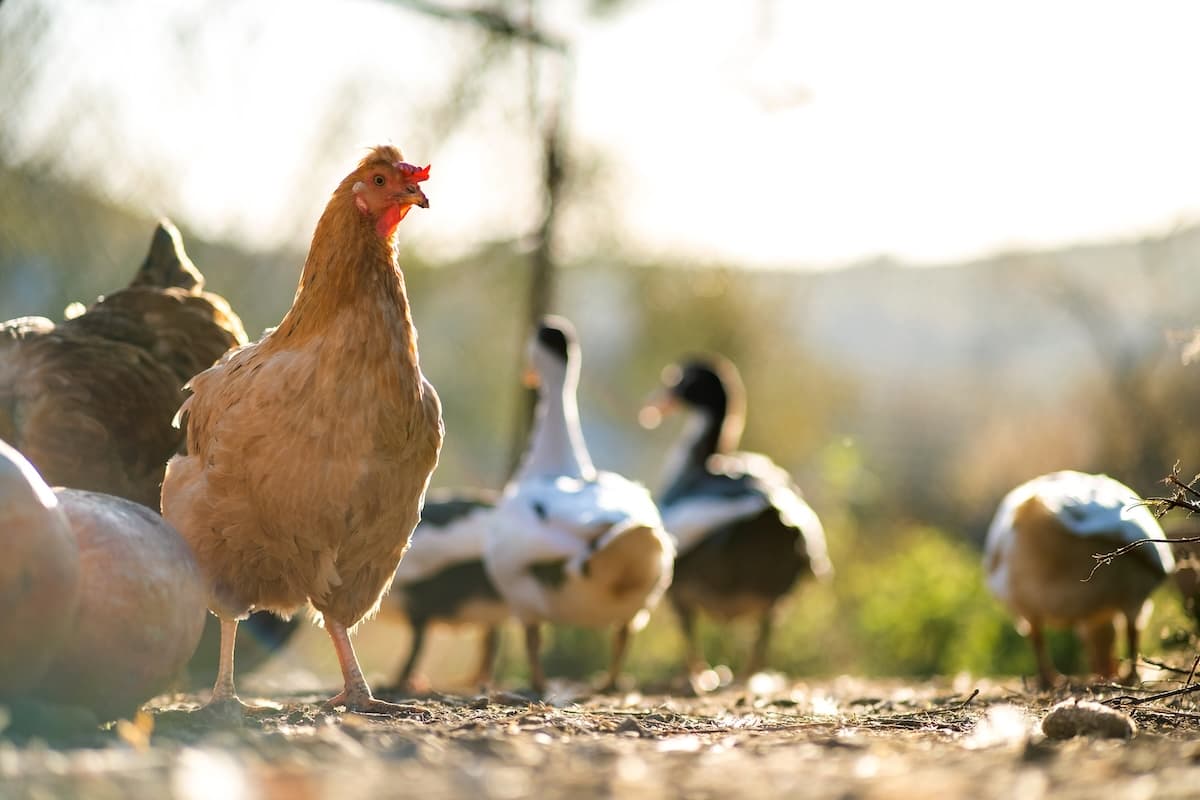
Compatibility with Other Farm Animals
Embden geese adapt well to diversified farms and usually coexist peacefully with other livestock when introductions are handled properly.
Chickens
Embden geese commonly share pasture with chickens.
Providing separate feeding areas helps prevent competition and ensures smaller birds have adequate access to feed.
Ducks
Embdens generally coexist very well with ducks.
Both species benefit from access to fresh pasture and clean water, making them popular companions on mixed poultry farms.
Turkeys
Embden geese can be raised successfully alongside turkeys when adequate space is available.
Gradual introductions help reduce territorial behavior while allowing both species to establish their own social groups.
Goats, Sheep, and Other Livestock
Embden geese are frequently raised alongside:
- Goats
- Sheep
- Alpacas
- Miniature cattle
- Horses
Because they spend much of their day grazing, they fit naturally into pasture-based farming systems and rotational grazing programs.
Temperament Compared to Other Goose Breeds
Egg Production and Breeding
Although Embden geese are best known for their impressive size and meat production, they are also dependable seasonal layers that perform well in breeding programs. While they won’t match the annual egg output of Chinese geese, healthy Embden geese produce large, fertile eggs and are valued by many breeders for their strong maternal instincts and excellent gosling growth.
Their combination of fertility, broodiness, and large offspring has made them one of the world’s most popular breeding geese for both commercial farms and backyard homesteads.
Egg Production
Embden geese are moderate egg layers.
A healthy adult goose typically produces 20 to 35 eggs per year, although well-managed breeding stock may occasionally exceed this range under ideal conditions.
Annual production is influenced by several factors, including:
- Genetics
- Age
- Nutrition
- Daylight hours
- Climate
- Overall flock health
Most females begin laying during their first breeding season, with peak production generally occurring between two and five years of age.
Although they produce fewer eggs than Chinese geese, Embdens compensate with large egg size and consistently high fertility when properly managed.
What Do Embden Goose Eggs Look Like?
Embden goose eggs are among the largest produced by domestic poultry.
They are typically:
- Bright white
- Thick-shelled
- Oval in shape
- Rich in nutrients
- Excellent for incubation
Most eggs weigh between 170 and 200 grams, making them noticeably larger than chicken or duck eggs.
Because of their size, Embden goose eggs require specialized incubation conditions and approximately one month to hatch successfully.
Laying Season
Like nearly all domestic geese, Embdens are seasonal layers.
Most begin laying eggs during late winter through early spring, as increasing daylight stimulates their reproductive cycle.
Typical laying months include:
- February
- March
- April
- May
In warmer climates, some flocks may begin laying slightly earlier, while northern flocks often start later depending on weather and daylight conditions.
Providing high-quality nutrition before the breeding season helps support healthy egg production and strong embryo development.
Fertility
Embden geese are well regarded for their fertility when maintained in healthy breeding groups.
Successful breeding depends on:
- Proper body condition
- Balanced nutrition
- Healthy breeding stock
- Low-stress housing
- Clean nesting areas
A ratio of one mature gander for every three to five geese generally produces excellent fertility for most breeding flocks.
Because Embden ganders are significantly larger than females, adequate space during breeding season helps reduce stress and allows natural mating behavior.
Broodiness
Embden geese are often more broody than lighter utility breeds.
Many females willingly build nests, incubate eggs, and care for their goslings with little assistance from the owner.
Natural incubation offers several advantages:
- Less equipment required
- Strong maternal care
- Reduced brooder management
- Natural flock behavior
Some breeders still prefer artificial incubation to maximize the number of eggs collected each season, but Embden geese generally perform well as natural mothers.

Incubation
Embden goose eggs require approximately 30 days of incubation before hatching.
Successful incubation depends on maintaining stable environmental conditions throughout development.
Important considerations include:
- Consistent incubation temperature
- Proper humidity
- Regular egg turning
- Periodic candling
- Adequate ventilation
Whether using an incubator or allowing a goose to hatch naturally, monitoring egg development improves hatch rates and helps identify infertile eggs early.
For a complete incubation schedule, candling guide, humidity recommendations, and troubleshooting tips, see our Incubating Goose Eggs guide.
Raising Embden Goslings
Embden goslings grow remarkably quickly.
Within just a few weeks they begin developing the broad body and strong legs that characterize the breed, and by adulthood they become some of the largest domestic geese in the world.
Healthy goslings require:
- Warm brooding conditions
- High-quality starter feed
- Fresh, clean water
- Dry bedding
- Safe access to pasture as they mature
Because of their rapid growth, maintaining balanced nutrition during the first several months is particularly important for proper skeletal development.
Regular handling during this stage also helps produce calm, confident adults that are easier to manage throughout their lives.
Why Farmers Choose Embden Geese
Embden geese have remained one of the world’s most popular farm geese because they provide exceptional value in multiple areas of farm management.
Unlike breeds developed for a single purpose, Embdens excel as versatile utility birds.
Outstanding Meat Production
Embden geese are widely recognized as one of the best goose breeds for meat.
Their popularity stems from:
- Rapid growth
- Large mature size
- Broad breast
- Excellent carcass quality
- White feathers that simplify processing
These characteristics have made Embdens the preferred meat goose for generations of farmers.
Efficient Pasture Grazers
Despite their large size, Embden geese are highly efficient grazers.
They spend much of the day harvesting grasses and other vegetation, helping reduce feed costs while maintaining healthy body condition.
Benefits include:
- Lower grain consumption
- Improved pasture utilization
- Natural weed suppression
- Regular exercise
- Reduced feed expenses
They perform especially well in rotational grazing systems where fresh forage is consistently available.
Reliable Breeding Stock
Embden geese are dependable breeders with strong fertility and good maternal instincts.
Many homesteaders appreciate that the breed combines:
- Reliable fertility
- Good hatchability
- Excellent gosling growth
- Strong mothering ability
These characteristics make Embdens an excellent choice for farmers hoping to raise replacement stock each year.
Beautiful Farm Birds
Beyond their practical value, Embden geese are simply impressive animals.
Their bright white plumage, blue eyes, orange bills, and substantial size give them a striking appearance that has made them one of the world’s most recognizable domestic goose breeds.
Many owners raise Embdens because they enjoy having an iconic “classic farm goose” on their property.
Egg Production Comparison
Tips for Maximizing Egg Production
Healthy Embden geese naturally produce dependable seasonal clutches, but proper management can improve both egg quality and fertility.
To support productive breeding birds:
- Feed a high-quality breeder ration before and during laying season.
- Maintain healthy body condition without allowing birds to become overweight.
- Provide clean, quiet nesting areas with dry bedding.
- Ensure continuous access to fresh water.
- Minimize unnecessary stress during breeding season.
- Offer plenty of pasture and regular exercise.
Good nutrition before laying season is particularly important, as it supports strong eggshell quality, healthy embryos, and successful hatch rates.
Care and Management
Embden geese are hardy, adaptable birds that thrive in a wide range of climates and farming systems. Their calm temperament, efficient grazing habits, and natural resilience make them one of the easier heavy goose breeds to raise. When provided with quality pasture, clean water, balanced nutrition, and secure shelter, Embden geese remain healthy, productive members of the farm for many years.
Although they are significantly larger than many other domestic goose breeds, their daily care requirements are straightforward. They spend much of their time grazing, require relatively little specialized equipment, and adapt well to both small homesteads and larger pasture-based operations.
Learn more in our comprehensive Goose Care Guide.
Housing Requirements
Embden geese spend most of their day outdoors, so their shelter primarily serves as protection from predators, harsh weather, and excessive moisture rather than a place where they spend all day.
A suitable shelter should provide:
- Protection from rain and snow
- Wind protection
- Dry, clean bedding
- Good ventilation
- Easy access to pasture
- Secure nighttime housing
As a general guideline, provide:
- 8–10 square feet of indoor shelter per adult goose
- 150–250 square feet of outdoor grazing space per bird
Because Embdens are one of the largest domestic goose breeds, slightly more space than lighter breeds helps reduce overcrowding and keeps bedding cleaner.
Pasture and Grazing
One of the Embden goose’s greatest strengths is its ability to convert pasture into growth.
Healthy Embden geese spend much of the day grazing on grasses and other vegetation, reducing feed costs while helping maintain healthy body condition.
Quality pasture provides:
- Natural forage
- Daily exercise
- Lower feed costs
- Mental stimulation
- Improved flock health
Excellent grazing plants include:
- Orchard grass
- Perennial ryegrass
- Timothy
- Kentucky bluegrass
- Fescue
- Mixed pasture grasses
Rotational grazing is especially beneficial because it:
- Promotes healthier forage
- Prevents overgrazing
- Reduces parasite buildup
- Improves pasture longevity
Feeding Embden Geese
Although Embden geese obtain much of their nutrition from pasture, supplemental feed remains essential, especially during breeding season, winter, and periods of limited forage.
Adult birds benefit from:
- High-quality waterfowl feed
- Balanced poultry feed when appropriate
- Fresh greens
- Supplemental calcium during laying season
- Unlimited clean drinking water
Additional greens that can be offered include:
- Romaine lettuce
- Kale
- Swiss chard
- Dandelion greens
- Cabbage
- Beet greens
Pasture should remain the foundation of the diet whenever possible.
Because Embdens grow rapidly and maintain large body size, balanced nutrition is particularly important during their first year of life.
Learn more with our complete Goose Feeding Guide.
Water Requirements
Like all geese, Embdens depend on clean water for much more than drinking.
They use water to:
- Drink
- Clean their nostrils
- Wash their bills
- Aid digestion
- Bathe
- Maintain healthy feathers
Water should always be deep enough for birds to fully submerge their bills.
Although ponds are often associated with geese, they are not required. Many successful flocks are raised with:
- Large livestock water tubs
- Heavy-duty stock tanks
- Kiddie pools
- Automatic poultry waterers designed for waterfowl
Providing opportunities to bathe encourages natural preening behavior and helps maintain feather quality.

Fencing and Predator Protection
Despite their impressive size, Embden geese still require protection from predators.
Common predators include:
- Coyotes
- Foxes
- Domestic dogs
- Bobcats
- Raccoons
- Birds of prey (particularly for goslings)
Good predator management includes:
- Secure woven-wire fencing
- Locking birds indoors overnight
- Predator-resistant gates and latches
- Routine fence inspections
- Supervising young goslings outdoors
While adult Embdens can discourage smaller predators through their size and confidence, they should never be relied upon as their own primary defense.
Common Health Concerns
Embden geese are generally hardy birds with relatively few breed-specific health problems.
Routine observation allows owners to detect potential issues early.
Watch for:
- Reduced appetite
- Limping
- Swollen joints
- Labored breathing
- Nasal discharge
- Dirty feathers
- Abnormal droppings
- Lethargy
Preventative care remains the best approach.
Healthy pasture, balanced nutrition, clean water, dry housing, and regular flock inspections prevent many common health problems before they develop.
Seasonal Care
Spring
Spring marks the beginning of breeding season.
Priorities include:
- Monitoring breeding pairs
- Collecting eggs
- Preparing incubators
- Checking nesting areas
- Feeding breeder rations
Summer
Large-bodied geese can become uncomfortable during periods of extreme heat.
During summer:
- Provide shade throughout the day.
- Refresh water frequently.
- Offer bathing opportunities.
- Avoid unnecessary handling during hot afternoons.
- Rotate pasture when needed.
Fresh water is especially important because Embdens use it to regulate body temperature and maintain feather condition.
Autumn
Autumn is an excellent time to prepare the flock for winter.
Recommended tasks include:
- Evaluating breeding stock
- Improving body condition
- Repairing fencing
- Cleaning shelters
- Replacing bedding
Winter
Embden geese are exceptionally cold hardy.
Winter management focuses on keeping birds dry, not warm.
Priorities include:
- Dry bedding
- Wind protection
- Ice-free drinking water
- Good ventilation
Moisture trapped inside shelters is generally a greater concern than low temperatures.
Exercise and Enrichment
Despite their large size, Embden geese remain active birds.
Healthy adults spend much of each day:
- Grazing
- Swimming
- Exploring pasture
- Socializing
- Preening
- Resting together as a flock
Providing opportunities to express these natural behaviors promotes:
- Better physical condition
- Reduced stress
- Improved breeding performance
- Healthier feet and legs
Large, open pasture allows Embdens to remain active while naturally maintaining healthy body weight.
Daily Care Checklist

Keep Better Records for Your Embden Geese
Whether you’re tracking breeding pairs, egg production, hatch dates, pasture rotations, growth rates, or health treatments, organized records make managing an Embden flock much easier. Keeping detailed histories also helps improve breeding decisions and monitor each bird’s long-term performance.
With FarmKeep, you can keep all of your goose records in one place. Create individual animal profiles, record breeding events, log egg production, track incubation schedules, manage health records, and organize your flock from your phone or computer as your farm grows.
Embden Goose vs. Other Popular Goose Breeds
Embden geese are one of the most versatile domestic goose breeds, but they aren’t the perfect choice for every farm. Some breeds produce more eggs, others excel as guard geese, and a few are better suited for ornamental collections or family pets.
Understanding how Embden geese compare with other popular breeds can help you choose the best fit for your goals. Read our comprehensive Goose Breed Guide to learn more.
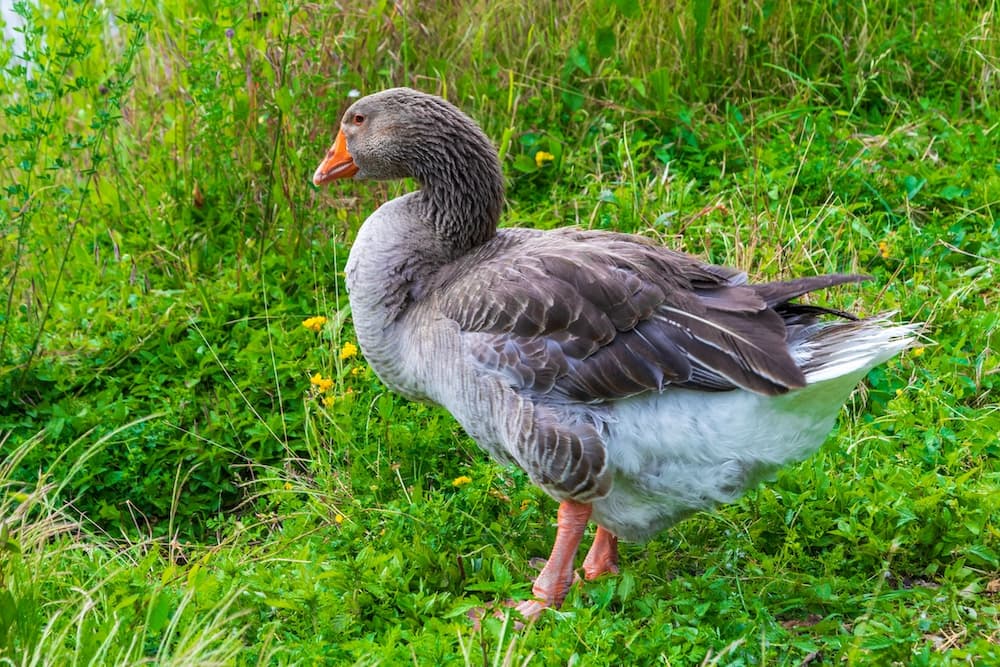
Embden Goose vs. Toulouse Goose
Embden and Toulouse geese are the two heavyweight champions of the domestic goose world and are frequently compared by prospective owners.
While both are excellent meat breeds, they were developed with slightly different priorities.
Embden geese are more active, grow quickly, and are efficient grazers. Toulouse geese, on the other hand, are heavier-bodied with a famously calm disposition and have long been favored for premium meat production.
Choose Embden geese if you want:
- Faster-growing birds
- Active pasture grazers
- A classic all-purpose farm goose
- A slightly more athletic heavy breed
Choose Toulouse geese if you want:
- Exceptionally calm birds
- Traditional meat production
- Large exhibition-quality geese
- A relaxed flock personality
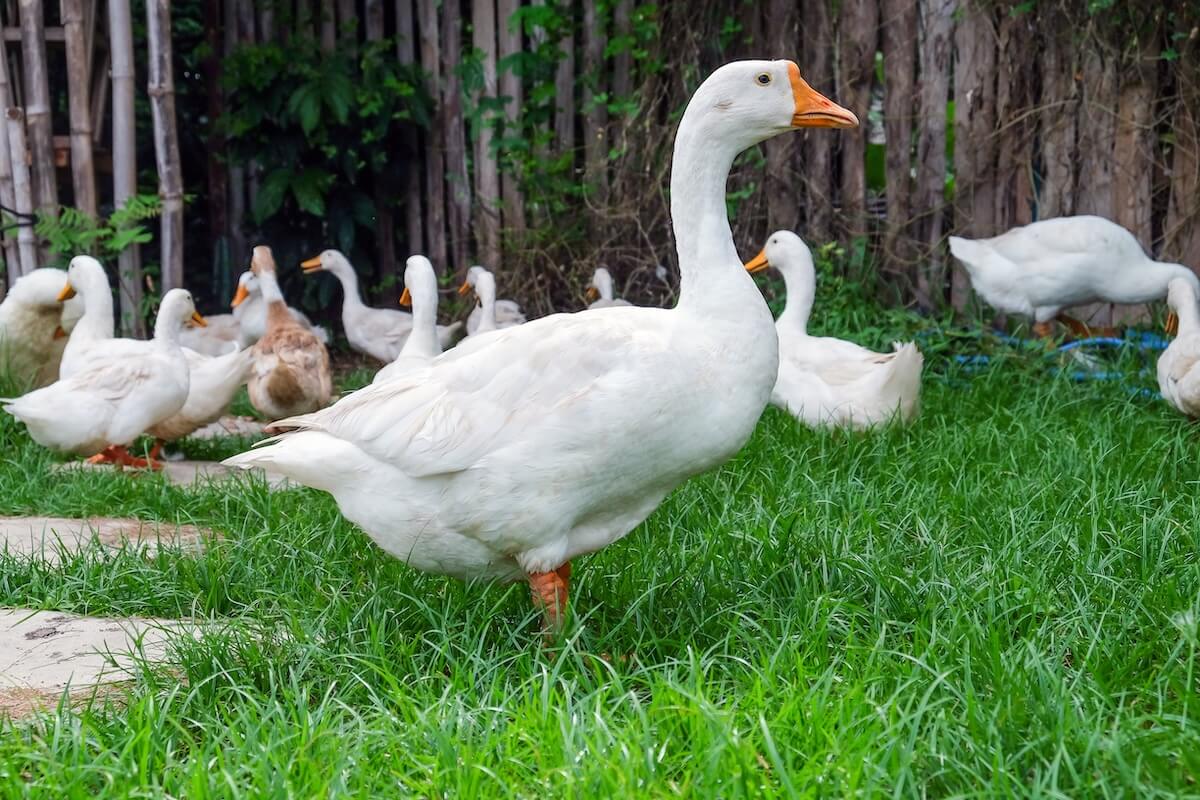
Embden Goose vs. Chinese Goose
Embden and Chinese geese represent two very different approaches to utility farming.
Chinese geese are lighter, more active, and famous for their exceptional egg production and guarding instincts. Embdens trade some of that productivity for larger body size and superior meat production.
If you’re raising geese primarily for meat and pasture management, Embdens are usually the better choice. If your focus is breeding, egg production, or having natural alarm birds, Chinese geese have the advantage.
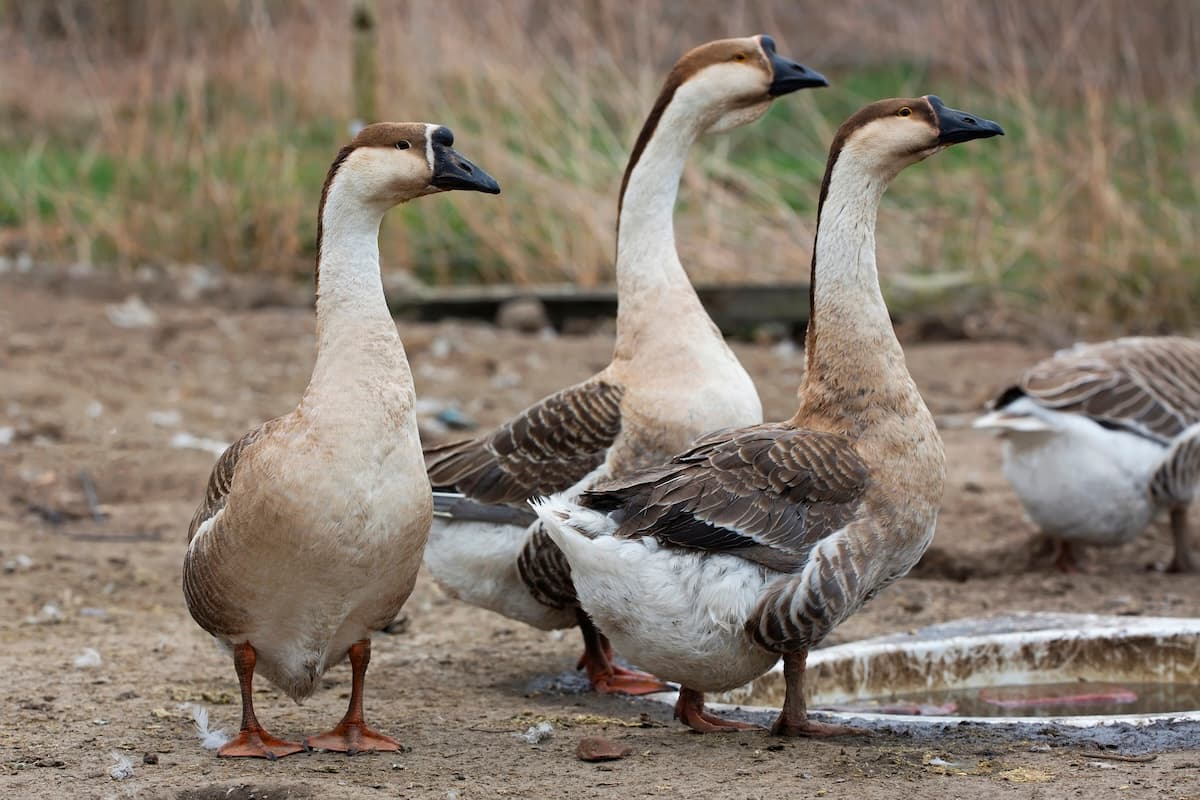
Embden Goose vs. African Goose
Embden and African geese are both excellent utility breeds, but they excel in different roles.
African geese are renowned for their alertness, loud vocalizations, and guarding instincts. Embdens are generally quieter, heavier, and more commonly selected for meat production.
Both breeds are excellent farm geese, but owners seeking a quieter flock often prefer Embdens, while those wanting the strongest natural alarm birds frequently choose African geese.
Pros and Cons of Embden Geese
Is an Embden Goose Right for Your Farm?
Embden geese are an excellent choice for farmers looking for a dependable, versatile utility breed with exceptional meat production and a calm disposition. Their large size, efficient grazing habits, and adaptability make them equally at home on small homesteads, diversified livestock farms, and larger pasture-based operations.
Embden geese are an excellent fit if you’re looking for:
- One of the best goose breeds for meat production
- Large birds with a calm temperament
- Efficient pasture grazers
- Reliable breeding stock
- A classic white farm goose
- A versatile utility breed
If your priorities lean toward maximum egg production or the strongest natural guarding instincts, breeds like the Chinese or African goose may better match your goals. For farmers seeking an all-around heavy goose that combines productivity with an easygoing personality, the Embden remains one of the finest choices available.
Final Thoughts
Embden geese have earned their reputation as one of the world’s premier domestic goose breeds through generations of dependable performance. Their combination of impressive size, efficient grazing ability, calm temperament, and exceptional meat quality makes them a valuable addition to farms of nearly every size.
Whether you’re raising geese for meat, breeding, pasture management, or simply want the iconic white farm goose, Embdens offer a balance of productivity and personality that few breeds can match. Their adaptability and easygoing nature continue to make them one of the most trusted choices for both beginning and experienced goose keepers.
FAQ
How big do Embden geese get?
Adult ganders typically weigh 26–31 pounds, while mature geese usually weigh 20–24 pounds, making them one of the largest domestic goose breeds.
How many eggs do Embden geese lay?
Most Embden geese lay 20–35 large white eggs each year during the spring breeding season.
Are Embden geese friendly?
Yes. Embden geese are widely known for their calm, approachable personalities and are often considered one of the friendliest heavy goose breeds.
Are Embden geese aggressive?
Outside of breeding season, Embden geese are generally calm. Ganders may become protective while defending nests, mates, or goslings, but this behavior is typically seasonal.
Can Embden geese fly?
Because of their large body size, most adult Embden geese have very limited flight ability and rarely fly more than short distances.
Are Embden geese noisy?
They vocalize when necessary but are generally quieter than Chinese or African geese.
How long do Embden geese live?
With proper care, Embden geese commonly live 15–20 years.
Are Embden geese good pets?
Many owners find Embden geese to be excellent companions. Birds raised from goslings with regular human interaction often become calm, trusting, and enjoyable to work with.