How Much Does a Chicken Cost? Complete Price Guide for Backyard Chickens (2026)
Raising chickens has become increasingly popular among backyard farmers, homesteaders, and hobby livestock owners. Whether you want fresh eggs, natural pest control, or simply enjoy caring for animals, chickens are one of the most affordable livestock species to start with.
But one of the first questions beginners ask is simple:
How much does a chicken cost?
The answer depends on several factors, including the chicken’s age, breed, and where you buy it. In general, chickens can cost anywhere from $3 for a baby chick to $50 or more for a mature laying hen, with rare breeds costing hundreds of dollars.
However, the price of the bird itself is only part of the equation. Raising chickens also involves housing, feed, and ongoing care costs.
In this guide, we’ll break down:
- The average price of chickens by age and breed
- Startup costs for raising backyard chickens
- Monthly expenses for keeping a flock
- Whether raising chickens actually saves money
By the end, you’ll have a clear understanding of what it really costs to own chickens.

Average Cost of a Chicken
The price of a chicken varies primarily based on age and breed. Baby chicks are inexpensive, while fully grown hens that are already laying eggs tend to cost more.
Baby Chicks
Baby chicks are the most affordable way to start a flock.
Typical price range: $3 – $10 per chick for common breeds
Rare or specialty breeds can cost $15 or more per chick.
Chicks are often sold in the spring through:
- Farm supply stores
- Online hatcheries
- Local breeders
- Agricultural events
Common chick prices by breed:
The downside of chicks is that they require several weeks of brooding care before they can live outdoors.
Started Pullets (Young Hens)
Pullets are young female chickens that have been raised past the fragile chick stage but have not started laying eggs yet.
Typical price range: $15 – $30 per bird
Many backyard farmers prefer pullets because they:
- Require less care than chicks
- Are close to egg-laying age
- Are easier to manage for beginners
Pullets are usually 16–20 weeks old and will begin laying eggs shortly after purchase.
Adult Laying Hens
Fully grown hens that are already producing eggs cost more but provide immediate egg production.
Typical price range: $20 – $50 per chicken
Factors influencing price include:
- Egg production rate
- Breed popularity
- Health and vaccination status
- Local supply and demand
Buying adult hens can be a good option if you want instant egg production without raising chicks.
Rare or Specialty Chickens
Some ornamental or rare breeds command significantly higher prices.
Examples include:
These breeds are often raised for appearance, breeding, or exhibition rather than egg production.

Factors That Affect Chicken Prices
Chicken prices can vary widely depending on several factors.
Breed
Heritage breeds and ornamental chickens often cost more than common egg-laying breeds. Popular egg layers like Rhode Island Reds or Leghorns tend to be more affordable because they are widely available.
Age
The older the bird, the more expensive it usually becomes.
Typical price pattern:
- Chick → cheapest
- Pullets → mid-range
- Adult laying hens → most expensive
This reflects the time and feed required to raise the bird.
Sex
Female chickens (hens) are usually more valuable than males.
Reasons include:
- Egg production
- Better temperament for backyard flocks
- Higher demand
Roosters are often much cheaper or even free in some areas.
Egg Color
Some chicken breeds that lay unusual egg colors are more expensive.
Examples include:
- Blue eggs (Ameraucana or Easter Egger)
- Dark chocolate eggs (Marans)
- Green eggs
These birds are popular with backyard egg enthusiasts and small-scale egg sellers.
Seasonal Demand
Chicken prices typically increase during spring and early summer.
This is when many people start backyard flocks and hatcheries experience peak demand.
Initial Cost of Raising Chickens
While chickens themselves are relatively inexpensive, the startup equipment required to raise them can be a larger investment.
Typical initial setup costs include:
Most backyard chicken keepers spend $300 to $2,500 to get started.
Costs vary depending on whether you:
- Build your own coop
- Purchase a pre-built coop
- Repurpose existing structures
Many homesteaders reduce costs by building coops from reclaimed materials.
Monthly Cost of Owning Chickens
After the initial setup, chickens are relatively affordable to maintain.
Chicken Feed
Feed is the largest ongoing expense. Typical cost: $15 – $30 per month for a small flock of 4–6 chickens Chickens eat about ¼ pound of feed per day.
Feed costs depend on:
- Feed quality
- Flock size
- Whether chickens free-range]
You can grow your own chicken feed to help offset costs.
Read more about what to feed chickens to ensure the growth for your flock.
Bedding
Bedding materials such as pine shavings or straw help keep the coop clean.
Average monthly cost: $5 – $15
Some chicken keepers reduce costs by using:
- Leaves
- Grass clippings
- Wood chips
Health Care
Chickens generally require minimal veterinary care, but occasional expenses may include:
- Parasite treatment
- Supplements
- Medication
Most backyard flocks spend very little annually on medical costs.
Learn more about common chicken diseases to understand best preventative measures.
Maintenance
Over time, chicken housing and fencing require maintenance.
Possible costs include:
- Repairing coop structures
- Replacing feeders
- Predator-proofing fencing
Estimated Monthly Chicken Cost
For a small backyard flock, typical monthly expenses are: $20 – $60 per month This makes chickens one of the most affordable livestock animals to raise.

Cost Per Egg from Backyard Chickens
Many people raise chickens for fresh eggs. But do chickens actually save money?
Let’s look at an example.
Example Flock
- 4 laying hens
- 200 eggs per hen per year
- Total production: 800 eggs annually
Annual Costs
Total annual cost: $320
Egg cost: $320 ÷ 800 eggs = $0.40 per egg
While backyard eggs may not always be cheaper than store eggs, they offer advantages such as:
- Freshness
- Higher quality nutrition
- Ethical production
- Sustainability
Many chicken owners value these benefits more than pure cost savings.
Raising Chickens for Meat: What Does It Cost?
Some farmers raise chickens not for eggs but for meat production. These birds, commonly called broiler chickens or meat birds, are bred to grow quickly and efficiently. The most common meat chicken breed is the Cornish Cross, which can reach processing weight in about 6 to 8 weeks. Compared to egg-laying chickens, meat birds grow much faster but require more feed and careful management during their short lifespan.
Cost of Meat Chickens
Meat birds are usually purchased as day-old chicks from hatcheries or farm supply stores.
Typical price range:
Because broiler chickens are raised for a short period of time, farmers typically purchase them in batches of 20–100 birds or more.
Feed Cost for Meat Chickens
Feed is the largest expense when raising meat chickens. Broiler chickens typically consume 10–15 pounds of feed before processing.
Estimated feed costs per bird:
Feed costs vary depending on feed quality and whether the chickens are raised on pasture.
Total Cost to Raise a Meat Chicken
When calculating the total cost of raising a meat bird, farmers typically include:
- Chick purchase price
- Feed costs
- Bedding
- Equipment and housing
- Processing costs
Example cost breakdown:
Estimated total cost: $16 – $22 per chicken
Most broiler chickens produce 4–6 pounds of dressed meat, which means the final cost is usually around $3–$5 per pound depending on feed prices and processing costs.
Popular Meat Chicken Breeds
Several chicken breeds are commonly raised for meat production.
Cornish Cross
- Fastest growing meat chicken
- Ready for harvest in 6–8 weeks
- Most common breed used by commercial farms
Freedom Rangers
- Slower growth than Cornish Cross
- Better suited for pasture-based systems
- Ready for processing in 9–11 weeks
Heritage Meat Breeds
Some farmers raise traditional breeds for meat, including:
- Delaware
- Plymouth Rock
- Jersey Giant
These birds grow more slowly but may produce better flavor and stronger genetics for small farms.
Are Meat Chickens Worth Raising?
Raising meat chickens can be a cost-effective way to produce high-quality poultry for your household.
Benefits include:
- Control over feed quality
- Humane animal management
- Fresh, locally raised meat
- Reduced reliance on grocery store poultry
However, raising meat birds also requires planning, including processing logistics and flock management.
Many small farmers raise meat birds once or twice per year in batches to supply their household freezer.

Raising Chickens for Eggs vs Meat: Cost Comparison
Backyard farmers often choose between raising chickens for egg production or meat production. While both options can provide high-quality food and a rewarding farming experience, the costs and management styles are quite different.
Egg-laying chickens are typically raised for multiple years, producing eggs throughout their lifespan. Meat chickens, on the other hand, are bred to grow quickly and are usually processed for meat in 6 to 10 weeks.
Understanding the cost differences can help you decide which type of flock fits your goals, budget, and available time.
Egg Chickens vs Meat Chickens: Cost Breakdown
Which Type of Chicken Is More Cost Effective?
The best choice depends on your goals.
Egg-laying chickens are ideal if you want:
- A long-term supply of fresh eggs
- Backyard livestock that produce food year after year
- Chickens that can live 5–10 years
Meat chickens are ideal if you want:
- Fast food production for your freezer
- Efficient feed-to-meat conversion
- The ability to raise poultry in seasonal batches
Many small farms and homesteads raise both types of chickens, keeping a small flock of egg layers while raising meat birds once or twice per year.
Where to Buy Chickens
There are several places where you can purchase chickens for your flock.
Farm Supply Stores
Many farm stores sell chicks in the spring.
Common retailers include:
- Tractor Supply
- Local farm supply stores
- Feed stores
These stores typically offer popular egg-laying breeds at affordable prices.
Online Hatcheries
Online hatcheries ship day-old chicks directly to customers.
Advantages include:
- Large breed selection
- Rare chicken breeds
- Ability to order specific quantities
However, shipping costs may increase the overall price.
Local Breeders
Local breeders often provide:
- Healthier birds
- Breeds adapted to the local climate
- More accurate breed information
Buying locally can also support small-scale poultry breeders.
Livestock Auctions
Some farmers purchase chickens at livestock auctions.
Benefits include:
- Potentially lower prices
- Opportunity to buy adult birds
However, auction birds may carry higher health risks if their history is unknown.
Cheapest Chicken Breeds to Raise
If your goal is affordable egg production, some chicken breeds are especially budget-friendly.
Popular inexpensive breeds include:
- Rhode Island Red
- Plymouth Rock
- Leghorn
- Australorp
- Sussex
These breeds are popular because they are:
- Hardy
- Excellent egg layers
- Widely available
- Adaptable to many climates
They are often recommended for first-time chicken owners.
Are Chickens Worth the Cost?
For many people, chickens provide far more value than their monetary cost.
Benefits of raising chickens include:
- Fresh eggs
- Natural pest control
- Garden fertilizer from manure
- Sustainable food production
- Educational opportunities for families
Chickens can also be enjoyable pets with unique personalities.
However, they do require daily care, including:
- Feeding and watering
- Cleaning the coop
- Protecting against predators
For most backyard farmers, the reward is a combination of fresh food, sustainability, and enjoyment of animal care.
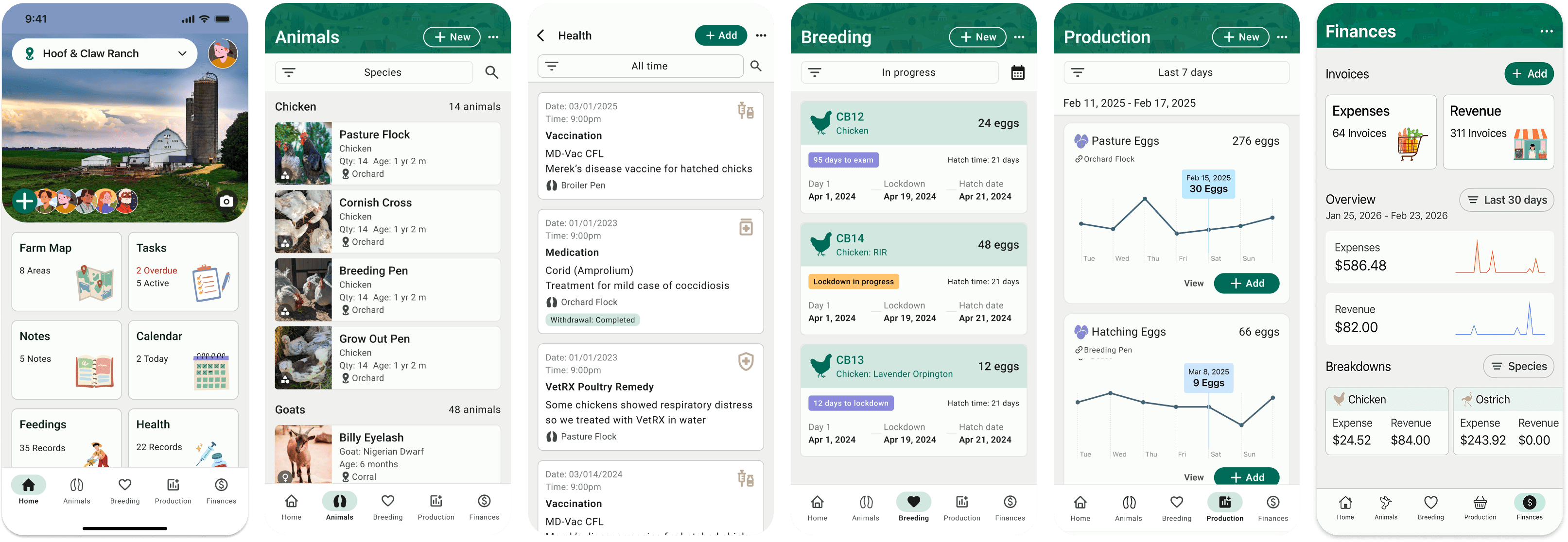
Track Chicken Costs and Egg Production with FarmKeep
If you want to better understand the true cost of raising chickens, keeping good records is essential.
Many backyard farmers track information like:
- Feed costs
- Egg production
- Meat production
- Health records
- Breeding information
- Expenses and income from egg sales
With FarmKeep you can:
- Track individual chicken records
- Monitor egg or meat production
- Record feed usage and expenses
- Manage breeding and incubation
- Analyze flock performance
Having accurate data can help farmers make better decisions and optimize their flock for productivity and profitability.
Final Thoughts
Chickens are one of the most accessible and affordable livestock animals for beginners, especially if you are considering starting a farm. The birds themselves usually cost between $3 and $30, depending on age and breed. However, the real investment comes from housing, feed, and ongoing care.
For many backyard farmers, the value of chickens goes far beyond their price. Fresh eggs, sustainable food production, and the enjoyment of raising animals make chickens a rewarding addition to any farm or homestead. With proper planning and record keeping, chickens can become a productive and enjoyable part of your agricultural operation.
References
These companies publish chick prices and breed availability every year.
FAQ
How much does a chicken cost at Tractor Supply?
Baby chicks at farm supply stores like Tractor Supply usually cost between $3 and $6, depending on the breed and season. Specialty breeds may cost more.
How many chickens should beginners start with?
Most experts recommend starting with 4 to 6 chickens. Chickens are social animals and do best when kept in small groups.
How long do chickens live?
Most backyard chickens live 5 to 10 years, although some breeds may live longer with good care. Egg production typically declines after the first few years.
How long before chickens lay eggs?
Most hens begin laying eggs at around 18 to 24 weeks of age. The exact timing depends on breed, diet, and daylight exposure.
Do backyard chickens save money?
Backyard chickens rarely save money at small scale, especially when startup costs are included.
However, they provide:
- Fresh eggs
- Higher-quality food
- Sustainable food production
For many people, these benefits outweigh the financial costs.