Livestock Auctions: How They Work, Where to Find Them, and How to Buy Livestock
Livestock auctions are one of the most common ways farmers and ranchers buy and sell animals. These auctions bring together producers, buyers, and livestock traders in a fast-paced bidding environment where animals are sold to the highest bidder.
From cattle and sheep to goats and pigs, livestock auctions help establish real-time market prices while allowing farmers to efficiently buy and sell animals. Many auctions take place at sale barns, while others are now broadcast online through livestream bidding platforms that allow remote buyers to participate.
In this guide, you’ll learn:
- What livestock auctions are
- How livestock auctions work
- The history of livestock auctions in the United States
- How to buy livestock at auction
- How prices are determined
- Transportation logistics after purchasing animals
Whether you’re new to auctions or an experienced livestock buyer, understanding how these markets operate can help you make smarter decisions when buying or selling animals.
What Are Livestock Auctions?
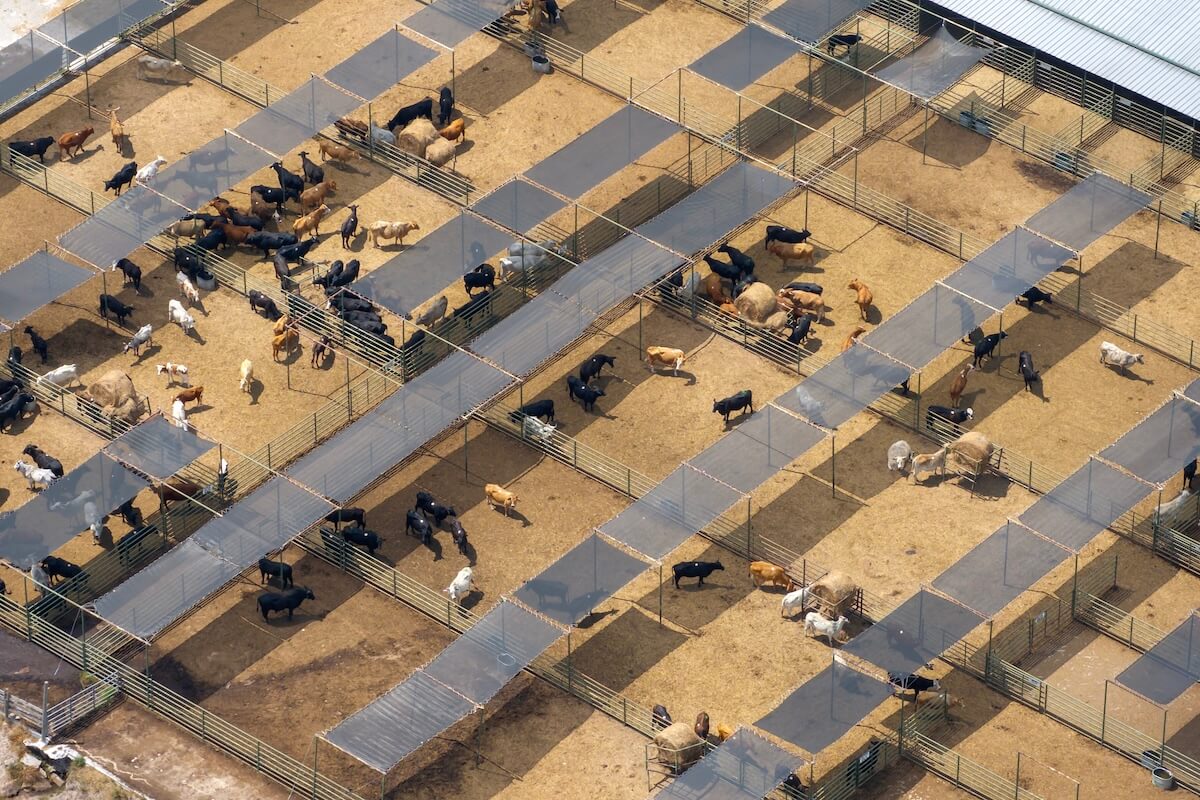
A livestock auction is a marketplace where animals are sold through competitive bidding. Buyers compete in real time, and the highest bid wins when the auctioneer closes the sale.
Livestock auctions typically sell animals such as:
These auctions are usually held at sale barns or livestock markets, where animals are sorted into groups and sold in rapid succession.
Auctioneers conduct the bidding while buyers signal bids either verbally, with hand signals, or through bidder numbers. When no higher bids are offered, the auctioneer announces the final bid and the animal is sold.
Livestock auctions provide a transparent marketplace where prices reflect real-time supply and demand.
The History of Livestock Auctions in the United States
Livestock auctions have been an important part of American agriculture for more than a century. Before organized markets existed, farmers typically sold animals through private negotiations or local trading posts.
As cattle ranching expanded during the 1800s, the need for efficient livestock markets increased. Railroads allowed animals to be transported across long distances, leading to the development of major livestock trading centers in cities such as Chicago, Kansas City, Omaha, and Fort Worth.
By the early 1900s, livestock auctions became the most efficient way to sell large numbers of animals quickly. Specialized facilities called sale barns were built to handle livestock auctions, allowing farmers to bring animals to a centralized market where multiple buyers could compete for them.
These auction markets became the backbone of livestock price discovery in the United States. Buyers such as feedlots, ranchers, and meat processors could purchase animals while farmers received competitive prices determined by the market.
Today, livestock auctions still operate across the country, though many now include online bidding and livestream auctions that allow buyers to participate remotely.
How Livestock Auctions Work
Although auction formats vary slightly between markets, most livestock auctions follow a similar process.
1. Livestock Arrival and Sorting
Farmers bring animals to the sale barn before the auction begins. Staff at the facility sort the animals into groups based on factors such as:
- species
- weight
- age
- breed
- quality
These groups are known as lots and are sold together during the auction.
2. Buyer Inspection
Before bidding begins, buyers often walk through the pens to inspect the animals. Buyers may evaluate livestock based on:
- health and body condition
- weight and frame size
- breed characteristics
- overall quality
This inspection helps buyers decide which animals they want to bid on.
3. The Auction Process
Once the auction begins, animals are brought through the sale ring while an auctioneer calls for bids. Buyers signal their bids using hand signals, bidder numbers, or electronic bidding systems. The auctioneer raises the bid in set increments as buyers compete.
For example: $200 → $210 → $220 → $230
When bidding stops, the auctioneer closes the sale and the animal is sold to the highest bidder.
4. Payment and Load-Out
After the auction, buyers pay for their animals and arrange transportation. Most sale barns organize animals by buyer number and assist with loading animals onto trailers.
Many facilities require livestock to be picked up within a specific time period after the sale.
How Livestock Auctions Set Market Prices
Livestock auctions play a major role in determining livestock market prices. Because multiple buyers compete in real time, auctions provide a transparent system for price discovery.
Buyers at livestock auctions may include:
- feedlots
- ranchers purchasing breeding stock
- livestock traders
- meat processors
As these buyers compete for animals, the bidding process reveals how much the market is willing to pay at that moment.
Several factors influence auction prices, including:
- animal weight
- breed
- health and condition
- market demand
- regional livestock supply
Government agencies such as the USDA Agricultural Marketing Service collect auction price data from livestock markets across the country and publish market reports to help farmers track price trends.
Buying Livestock at Auction
Livestock auctions can be an efficient way to purchase animals, but buyers should prepare ahead of time.
First-time buyers should consider:
- researching market prices before attending
- inspecting animals carefully before bidding
- setting a maximum bid limit
- understanding transportation requirements
Experienced buyers often watch several lots before bidding to understand how aggressive the bidding is and how prices are trending during the sale.

Animal Transportation After a Livestock Auctio
Winning an animal at auction is only the first step. Buyers must also arrange transportation to safely move livestock from the sale barn to their farm. Many auctions require animals to be removed within a specific timeframe, so transportation should be planned before bidding.
Common transportation options include:
- personal livestock trailers
- commercial livestock haulers
- transport services arranged through the sale barn
When transporting animals across state lines, buyers may need documentation such as health certificates or brand inspection paperwork depending on local regulations.
Once animals arrive at their new farm, many producers place them in a short quarantine period to monitor health before introducing them to the rest of the herd.
Why Livestock Auctions Remain Important
Despite advances in online marketplaces and private sales, livestock auctions remain one of the most important marketplaces in agriculture.
They provide:
- transparent price discovery
- competitive bidding environments
- efficient sales of large numbers of animals
- access to regional and national buyers
For many farmers and ranchers, livestock auctions continue to be the most reliable way to buy and sell animals.
Livestock Auctions vs Online Livestock Auctions
Today, livestock can be bought and sold through both traditional in-person auctions and modern online livestock auction platforms. Understanding the differences between these formats can help buyers choose the option that best fits their needs.
Traditional livestock auctions take place at sale barns where animals are sold through real-time bidding. Buyers sit in the auction ring while animals are brought through the sale chute or displayed in nearby pens. The auctioneer calls bids quickly as buyers compete for the animals.
These auctions are known for their fast pace and competitive atmosphere. Because buyers can see the animals in person, they can evaluate health, weight, body condition, and overall quality before bidding.
Online livestock auctions, on the other hand, allow buyers to bid remotely through internet platforms. Some online auctions operate as timed auctions that run over several hours or days, while others livestream real-time sales from physical sale barns.
Both formats play an important role in modern livestock markets. Many buyers prefer in-person auctions for the ability to inspect animals directly, while online auctions provide convenience and access to animals from other regions.
Online and Hybrid Livestock Auctions
Technology has significantly expanded the reach of livestock auctions in recent years. Many sale barns and livestock marketing companies now offer hybrid auctions, combining traditional in-person bidding with livestream video and online bidding platforms.
These hybrid livestock auctions allow buyers to participate from anywhere while still maintaining the real-time competitive bidding environment of a traditional auction.
Modern livestock auction platforms may include features such as:
- livestream video of the auction ring
- online bidding through computers or mobile devices
- digital auction catalogs with photos and animal information
- automated bid tracking and confirmations
- remote participation from buyers across the country
This technology allows livestock auctions to attract a much larger pool of buyers, which can increase competition and help sellers achieve stronger prices.
How to Participate in a Livestock Auction
If you’ve never attended a livestock auction before, the process can seem fast-paced at first. However, participating is fairly straightforward once you understand how auctions operate. Most livestock auctions require buyers to register before bidding. Registration usually involves providing contact information and receiving a bidder number that identifies your bids during the sale.Before the auction begins, buyers typically walk through the pens to inspect the animals they are interested in purchasing. Evaluating livestock ahead of time is important because bidding moves quickly once animals enter the sale ring.
During the auction, the auctioneer calls for bids while buyers signal their offers using hand signals, bidder numbers, or electronic bidding systems. The auctioneer increases bids in set increments until no higher bids are offered. Many experienced buyers set a maximum bid limit before the auction begins. This helps avoid emotional bidding and keeps purchases within budget.
How to Find Livestock Auctions Near You
Livestock auctions are held regularly throughout agricultural regions, often on weekly schedules at local sale barns.
If you’re looking for livestock auctions near you, common ways to find them include:
- searching online for “livestock auctions near me”
- checking local sale barn schedules
- browsing livestock auction websites
- contacting local livestock associations or extension offices
- following sale barns on social media
Many livestock markets publish weekly sale reports and upcoming auction schedules online, making it easier for buyers to plan ahead.

Why Farmers and Ranchers Use Livestock Auctions
Livestock auctions remain one of the most popular ways to buy and sell animals because they provide a transparent and competitive marketplace. One major advantage is price discovery. Because multiple buyers compete in real time, the final price reflects current supply and demand in the livestock market. Auctions also allow sellers to move large numbers of animals quickly. A single livestock auction can sell hundreds or even thousands of animals in a single day, making auctions highly efficient for producers.
For buyers, livestock auctions provide access to a wide range of animals from multiple sellers in one location. This makes it easier to compare animals, evaluate quality, and find livestock that meet specific breeding or production goals.
Livestock Auction Strategies for Buyers
Successful livestock buyers often approach auctions with a clear strategy. Watching the first few lots of the auction can help buyers understand the pace of bidding and how competitive the market is that day. Some buyers wait until later in the bidding process before entering, while others bid confidently early to discourage competition. Regardless of strategy, experienced buyers always set a maximum price they are willing to pay and stick to that limit. Researching livestock market prices before attending an auction can also help buyers determine whether the bidding is competitive or above typical market levels.
Tips for Sellers at Livestock Auctions
Livestock auctions can be an effective way for producers to sell animals while benefiting from competitive bidding. Animals that are healthy, well-presented, and properly sorted into consistent groups often attract stronger bids. Many sale barns sort livestock by weight, age, and type to make it easier for buyers to evaluate lots quickly. Timing can also influence auction prices. Livestock demand often varies throughout the year depending on factors such as feed availability, weather conditions, and market demand from feedlots or processors.Promoting special sales or breed-specific auctions can also attract larger numbers of buyers, increasing competition and potentially raising final sale prices.
The Future of Livestock Auctions
Livestock auctions continue to evolve as technology expands participation in agricultural markets. Livestream bidding, online livestock marketplaces, and digital auction platforms are making it easier for buyers and sellers to participate from anywhere. These innovations allow livestock auctions to reach larger audiences while still maintaining the fast-paced, competitive bidding environment that has defined livestock markets for generations. As the industry continues to adopt new technology, livestock auctions are likely to remain one of the most important marketplaces for buying and selling animals in agriculture.
Manage Livestock Purchased at Auction with FarmKeep
Buying animals at livestock auctions is only the beginning. Once animals arrive at your farm, keeping organized records is essential for managing your herd and understanding profitability.
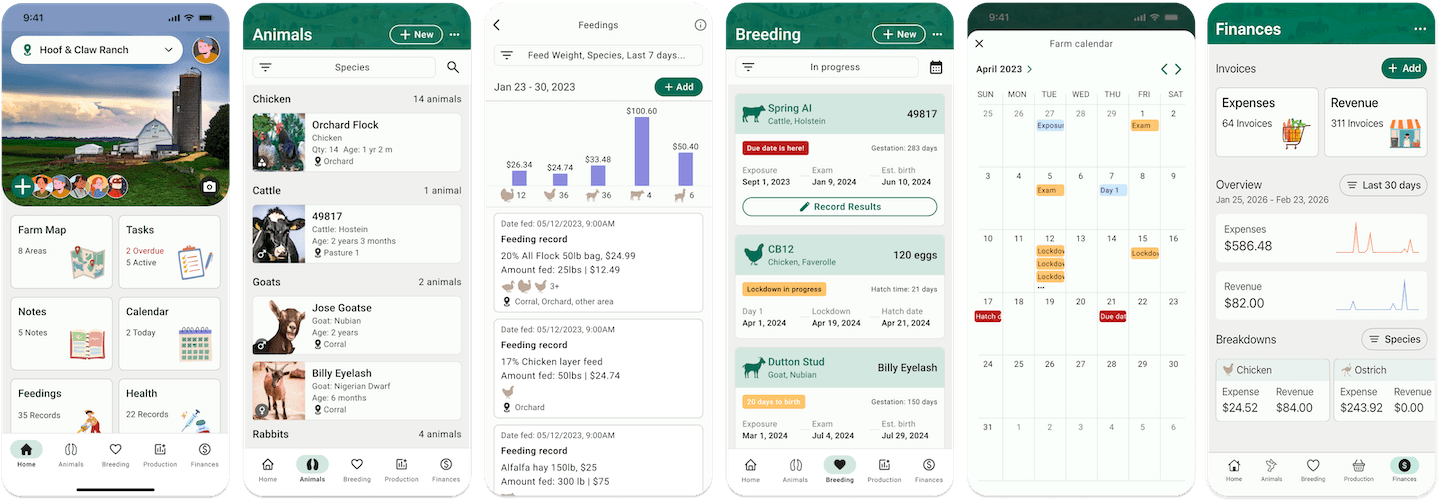
FarmKeep helps farmers track livestock records in one place, including animals purchased at auctions.
With FarmKeep you can:
- track animal profiles and identification
- record purchase prices from auctions
- manage breeding records and offspring
- log health treatments and vaccinations
- monitor production and performance
Instead of managing livestock records across notebooks and spreadsheets, FarmKeep keeps your entire farm organized in one simple app.
Final Thoughts on Livestock Auctions
Livestock auctions remain one of the most important marketplaces in agriculture. They provide farmers and ranchers with a transparent system for buying and selling animals while allowing market forces to determine fair prices. Whether you are purchasing cattle, goats, sheep, or other livestock, auctions offer an efficient way to access a wide range of animals and connect with buyers and sellers across the agricultural industry.
As technology continues to expand the reach of livestock markets through online bidding and hybrid auctions, these marketplaces are becoming more accessible than ever. However, the core principles of livestock auctions remain the same: competitive bidding, real-time price discovery, and efficient livestock trading. For farmers and ranchers, understanding how livestock auctions work—and how to participate successfully—can help improve purchasing decisions, herd management, and overall farm profitability.
FAQ
What is a livestock auction?
A livestock auction is a marketplace where animals are sold through competitive bidding. Farmers, ranchers, livestock traders, and other buyers bid on animals in real time, and the highest bid wins. These auctions are commonly held at sale barns and can involve cattle, goats, sheep, pigs, poultry, and other farm animals.
What animals are typically sold at livestock auctions?
Livestock auctions commonly sell a variety of farm animals, including cattle, goats, sheep, pigs, horses, and poultry. Some auctions specialize in specific types of livestock, such as feeder cattle sales or breeding stock auctions, while others offer mixed livestock sales.
Are livestock auctions open to the public?
Many livestock auctions are open to the public, and anyone can attend to watch the sale. However, buyers typically need to register with the auction facility before they are allowed to bid. Registration usually involves providing identification and receiving a bidder number.
How often do livestock auctions take place?
Many sale barns host livestock auctions on a weekly schedule, though some markets hold special sales or seasonal auctions. Larger livestock markets may hold multiple sales each week depending on the volume of animals being sold.
Can you buy livestock online at auctions?
Yes. Many modern livestock auctions now offer livestream bidding or hybrid auction formats. This allows buyers to watch the auction remotely and place bids online in real time without physically attending the sale barn.
How are livestock prices determined at auction?
Livestock prices at auction are determined through competitive bidding between buyers. Factors such as animal weight, breed, health, market demand, and regional supply can all influence the final price. Government agencies like the USDA track auction results and publish market reports to help producers monitor livestock prices.
Do I need a livestock trailer to buy animals at auction?
Buyers typically need a livestock trailer or transportation arrangement to move animals after purchase. Some sale barns may help coordinate commercial livestock haulers, but it’s best to plan transportation ahead of time before bidding.
What should I look for when buying livestock at auction?
Buyers should evaluate animals for overall health, body condition, weight, and breed characteristics. It’s also helpful to research current livestock market prices and inspect animals before bidding to ensure they meet your farm’s goals.