How Much Do Pigs Cost? Complete Guide to Pig Prices (2026)
Raising pigs can be rewarding for homesteaders, farmers, and even families raising animals for 4-H or FFA projects. One of the most common questions beginners ask is simple: how much do pigs cost?
The answer varies widely depending on age, breed, purpose, genetics, and location. A young piglet might cost as little as $50, while a high-quality breeding pig can cost $1,500 or more.
Understanding pig prices—and the costs involved in raising them—helps farmers plan budgets and avoid surprises. In this guide, we’ll cover:
- Average pig prices
- Pig prices by age and type
- Pig costs by breed and purpose
- The cost to raise pigs for meat
- Factors that affect pig pricing
Whether you’re planning a small homestead operation or starting a pig farm, this guide will help you understand what to expect.

Average Pig Price: Quick Overview
Pig prices vary significantly depending on the animal’s age, genetics, and intended purpose. The table below shows typical price ranges for common pig types.
Keep in mind these are general estimates. Prices may be higher for registered breeding stock or lower at local livestock auctions.
You can see the latest livestock prices at USDA Agricultural Marketing Service.
Pig Prices by Age
One of the biggest factors affecting pig price is age and weight. Younger pigs cost less upfront but require more feed and time before they reach market weight.
Piglet Prices (Weaned Pigs)
Piglets are typically sold after weaning at 6–8 weeks old.
Average price: $50 – $150
Piglets are the most common option for:
- Homesteaders raising pigs for meat
- Small farms
- 4-H and FFA livestock projects
Factors affecting piglet price include:
- Breed
- Vaccination status
- Genetics
- Seller reputation
Some heritage breeds or registered pigs may cost $200–$400 per piglet.
Feeder Pig Prices
Feeder pigs are older pigs that have already begun growing toward market weight.
Typical weight: 40–80 pounds
Average price: $100 – $300
Feeder pigs are popular because they:
- Reduce early piglet care
- Reach slaughter weight faster
- Have lower mortality risk than younger piglets
Many small farmers purchase feeder pigs in the spring and raise them through the summer for fall processing.
Market Hog Prices
Market hogs are pigs that have reached slaughter weight.
Typical weight: 250–300 pounds
Average price: $300 – $800
Market hog prices fluctuate based on:
- Pork market prices
- Feed costs
- Local supply and demand
Commercial pork markets often price hogs by live weight or carcass weight, so farmers typically sell them based on pounds rather than a flat price per animal.
Pig Prices by Purpose
Not all pigs are raised for the same reason. Prices vary depending on whether the pig is intended for meat production, breeding, or as a pet.
Meat Production Pigs
Most pigs purchased by farmers are raised for pork production.
Common meat pig breeds include:
- Yorkshire
- Duroc
- Hampshire
- Berkshire
- Landrace
Typical price range: $50 – $300 for young pigs
These pigs are often sold as piglets or feeder pigs so farmers can raise them to slaughter weight.
Many farmers choose crossbred pigs for meat production because they tend to grow quickly and efficiently convert feed into muscle.

Breeding Pigs
Breeding pigs cost significantly more than meat pigs because they are selected for genetics, performance, and productivity.
Typical prices:
Registered breeding pigs from well-known bloodlines may cost $3,000 to $5,000 or more.
Breeding animals often come with:
- Pedigree documentation
- Performance records
- Health certifications
These animals are used to produce high-quality piglets for commercial farms or breeding programs.
Pet Pigs (Potbelly Pigs)
Potbelly pigs are sometimes kept as companion animals.
Typical price: $200 – $1,000
However, prospective owners should be cautious of misleading marketing terms such as “teacup pigs” or “micro pigs.”
Most potbelly pigs grow much larger than expected, often reaching 100–200 pounds as adults. Many animal shelters and rescues have potbelly pigs available for adoption at lower costs.
Pig Prices by Breed
Different pig breeds may command different prices depending on their popularity and meat quality.
Berkshire Pig Price
Typical price: $100 – $400
Berkshire pigs are famous for producing high-quality, marbled pork. Their meat is often used in premium pork markets.
Duroc Pig Price
Typical price: $75 – $300
Duroc pigs are valued for:
- Fast growth
- Excellent feed efficiency
- High-quality meat
They are commonly used in commercial crossbreeding programs.
Yorkshire Pig Price
Typical price: $75 – $250
Yorkshire pigs are one of the most common commercial breeds and are known for:
- Large litter sizes
- Good maternal traits
- Lean pork production
Hampshire Pig Price
Typical price: $100 – $350
Hampshire pigs are recognizable by their white belt across the shoulders. They are known for producing lean meat and strong growth performance.
Factors That Affect Pig Prices
Pig prices vary widely depending on several important factors.
Genetics and Pedigree
Registered pigs with documented pedigrees typically cost much more than crossbred pigs.
Breeding farms often track traits such as:
- Litter size
- Growth rate
- Feed efficiency
- Meat quality
Superior genetics can justify significantly higher prices.
Age and Weight
Pig prices increase as pigs grow larger.
Typical progression:
- Piglets → cheapest
- Feeder pigs → moderate price
- Breeding pigs → most expensive
However, older pigs also require more feed before reaching market weight.
Market Conditions
The pork market fluctuates depending on:
- Feed costs
- Consumer demand
- Global pork markets
- Supply levels
When feed prices rise, pig prices often increase as well.
Location
Pig prices can vary significantly by region.
Factors influencing local prices include:
- Transportation costs
- Availability of breeding farms
- Local livestock demand
- Regional agricultural markets
In rural areas with many farms, pigs are often cheaper due to greater supply.

Where to Buy Pigs
There are several places where farmers and homesteaders can purchase pigs.
Local Farms
Buying directly from a local farm is often the best option.
Advantages include:
- Ability to inspect animals
- Known health history
- Support from experienced farmers
Local farms also provide opportunities to learn about raising pigs.
Livestock Auctions
Livestock auctions can offer competitive prices and a wide selection of animals
Advantages:
- Large variety of pigs
- Potential bargains
- Access to multiple sellers
However, buyers may have limited information about the animal’s health history.
Online Livestock Marketplaces
Online livestock sales have become increasingly common.
Many farms now list pigs through:
- Livestock auction websites
- Agricultural classifieds
- Farm social media groups
- Regional farm directories
Online sales allow buyers to compare prices across multiple farms and regions.
Cost to Raise a Pig
The purchase price of a pig is only part of the total cost of raising one. Feed is typically the largest expense when raising pigs.
Here is a rough estimate of costs per pig:
Estimated total cost: $500 – $1,200 per pig
Feed costs vary depending on:
- Grain prices
- Feeding strategy
- Pasture availability
Farmers who use pasture systems or food scraps may reduce feed costs significantly. Read more about startup costs for pig farms.
How Many Pigs Should Beginners Start With?
New pig owners are often surprised to learn that pigs should not be raised alone.
Most farmers recommend starting with at least two pigs.
Reasons include:
- Pigs are social animals
- They grow better with companions
- They experience less stress
Raising two pigs instead of one usually does not double the cost because infrastructure like fencing and housing can be shared.
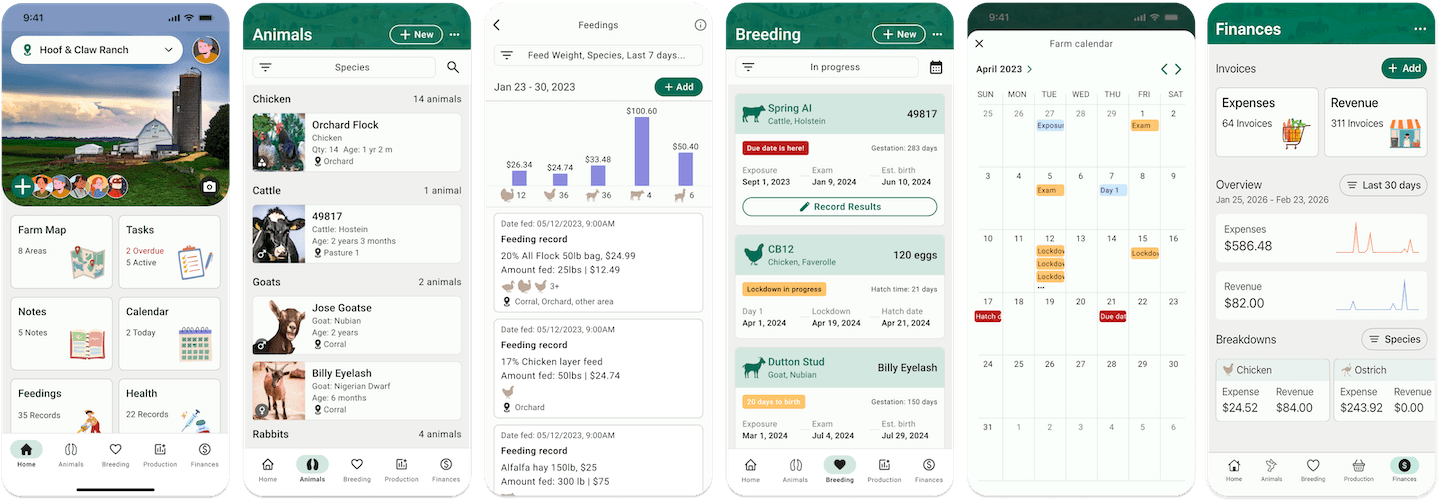
Tools That Help Track Pig Costs
Many farmers underestimate how much pigs actually cost to raise. Tracking feed, veterinary care, and growth rates helps farmers understand the real profitability of their livestock.
Keeping organized records allows farmers to:
- Track feed costs per pig
- Monitor weight gain and growth performance
- Record breeding and farrowing data
- Analyze profitability for each animal
Farm management software like FarmKeep helps farmers track livestock records, feed costs, breeding schedules, and production data in one place. Having clear records makes it much easier to understand the true cost of raising pigs and improve farm profitability over time.
Final Thoughts
Pig prices vary widely depending on the breed, age, genetics, and purpose of the animal. A young piglet might cost as little as $50, while breeding pigs with strong pedigrees can cost several thousand dollars. However, the purchase price is only part of the equation. Feed, housing, veterinary care, and time investment all contribute to the total cost of raising pigs. By understanding pig pricing and planning ahead, farmers and homesteaders can make smarter decisions when starting or expanding their pig operations.
FAQ
How much does a pig cost to buy?
Most pigs cost between $50 and $300, depending on age, breed, and purpose. Piglets are typically the cheapest, while breeding pigs can cost thousands of dollars.
How much does it cost to raise a pig for meat?
Raising a pig usually costs $500 to $1,200 including feed, housing, veterinary care, and bedding.
Are pigs expensive to raise?
Pigs are moderately expensive to raise compared to poultry but generally cheaper than raising cattle. Feed is the biggest expense when raising pigs.
What is the cheapest pig to buy?
Crossbred feeder pigs are usually the most affordable option for farmers raising pigs for meat.
How much does a potbelly pig cost?
Potbelly pigs typically cost $200 to $1,000 depending on the breeder and location.