How Much Do Sheep Cost? Complete Price Guide for 2026
Sheep are one of the most popular livestock animals for small farms, homesteads, and commercial operations. They are relatively easy to manage, adaptable to many climates, and can produce income through meat, wool, milk, and breeding stock.
But before starting a flock, one of the most common questions new farmers ask is: How much do sheep cost?
The answer depends on several factors including breed, age, genetics, weight, and whether the animal is intended for meat production, breeding, dairy, or wool.
In this guide, we’ll break down:
- Average sheep prices
- Lamb prices
- Sheep prices by breed
- Auction market prices
- Cost of raising sheep
- Startup costs for a sheep farm
By the end, you’ll have a realistic understanding of what it costs to buy and raise sheep.

Average Sheep Price in 2026
The average price of sheep in the United States varies widely depending on the type of sheep being purchased.
Here are typical price ranges:
Several factors influence these prices, including:
- Breed popularity
- Meat or wool production potential
- Genetics and pedigree
- Local market demand
- Age and health of the animal
For most small farms or homesteads, purchasing young ewes between $250 and $500 each is common when starting a flock.
You can see the latest livestock prices at USDA Agricultural Marketing Service.
Sheep Prices by Breed
Different sheep breeds command different prices depending on their purpose. Some breeds are prized for meat production, while others are valued for wool or milk. Below are typical price ranges for popular sheep breeds.
Dorper Sheep Price
Dorper sheep are one of the most popular meat sheep breeds in the United States.
Average price: $300 – $1,000+ per sheep
They are known for:
- Fast growth rates
- High meat quality
- Good parasite resistance
Because of their popularity among commercial producers and homesteaders, Dorper sheep often command higher prices than many other breeds.
Suffolk Sheep Price
Suffolk sheep are another widely used meat breed.
Average price: $250 – $800 per sheep
Suffolk sheep are commonly used in crossbreeding programs because they produce large, fast-growing lambs suitable for meat markets.
Merino Sheep Price
Merino sheep are one of the most valuable wool-producing breeds in the world.
Average price: $300 – $1,500+ per sheep
They are prized for:
- Fine wool fiber
- High wool yield
- Premium textile markets
Because wool quality genetics matter greatly, Merino breeding animals can sell for significantly higher prices.
Katahdin Sheep Price
Katahdin sheep are hair sheep that do not require shearing.
Average price: $200 – $700 per sheep
They are extremely popular with homesteaders because they are:
- Low maintenance
- Hardy in many climates
- Good meat producers
Hair sheep breeds like Katahdin are often chosen by beginners because they require less management.
East Friesian Sheep Price
East Friesian sheep are known as one of the best dairy sheep breeds.
Average price: $500 – $2,000 per sheep
These sheep are used in dairy operations to produce milk for products like:
- Sheep cheese
- Yogurt
- Specialty dairy products
Because dairy sheep are less common in the United States, their prices can be higher.
Learn more at:
- American Dorper Sheep Breeders Society
- American Suffolk Association
- American Katahdin Hair Sheep Association

Sheep Prices at Auctions
Livestock auctions are one of the most common places to buy sheep. Prices at auctions fluctuate based on:
- Market demand
- Local livestock supply
- Seasonal meat demand
- Feed and hay prices
Many sheep at auctions are sold by live weight rather than per animal.
Typical auction prices include:
For example, a 100-pound feeder lamb selling at $2.50 per pound would cost about $250.
You can see the latest livestock prices at USDA Agricultural Marketing Service.
Auction prices often increase during peak lamb demand seasons such as:
- Easter
- Religious holidays
- Spring and early summer markets
Buying sheep at auctions can sometimes be cheaper than buying from private breeders, but it may also involve more risk if the animal’s health history is unknown.
How Much Do Lambs Cost?
Lamb prices depend heavily on age, weight, and purpose.
Here are typical lamb price ranges:
Bottle lambs are usually the cheapest option because they require hand feeding and more care. However, some farmers prefer them because they can become very tame and easier to manage.
Weaned lambs are more expensive because they are already eating solid feed and require less labor.
Breeding lambs with good genetics can cost significantly more.
Cost of Breeding Sheep
Breeding sheep often cost more than market animals because genetics and pedigree can dramatically impact flock quality.
Typical prices for breeding sheep include:
A breeding ram may cost more than other sheep because one ram can influence the genetics of an entire flock.
High-quality rams are often purchased to improve traits such as:
- Growth rate
- Meat yield
- Wool quality
- Disease resistance
- Fertility
For serious breeding operations, investing in high-quality genetics can significantly improve long-term profitability.
Factors That Affect Sheep Prices
Several key factors determine how much sheep cost.
Breed
Some breeds are more valuable due to their productivity, market demand, or specialty products like fine wool or dairy milk.
Age
Young breeding animals typically cost more than older animals because they have a longer productive lifespan.
Genetics
Registered animals with documented pedigrees can cost significantly more than commercial sheep.
Weight
Many sheep are sold by live weight, meaning heavier animals typically cost more.
Market Conditions
Feed prices, drought conditions, and meat demand all influence livestock prices across the country. For example, when hay prices increase significantly, livestock prices may temporarily decrease because farmers reduce herd sizes.
Cost of Raising Sheep Per Year
The purchase price of sheep is only one part of the total cost of owning them. Annual expenses per sheep typically include:
Estimated yearly cost: $300 – $800 per sheep per year
These costs vary based on:
- pasture quality
- climate
- hay prices
- herd health management
Farmers with excellent pasture can significantly reduce feed costs.
Startup Cost for a Small Sheep Farm
Starting a sheep farm requires more than just purchasing animals. Infrastructure such as fencing, shelter, and equipment are also necessary. Here is a realistic example of starting with 10 sheep.
Estimated startup cost: $6,000 – $20,000
Costs vary depending on land availability, existing infrastructure, and whether equipment is purchased new or used.

Where to Buy Sheep
There are several common places where farmers buy sheep.
Livestock Auctions
Livestock auctions often provide the lowest prices and large selection of animals. However, buyers may have limited information about health history or genetics.
Local Farms and Breeders
Buying directly from farms allows buyers to see the animals and learn about their genetics, feeding program, and management practices.
Online Livestock Auctions
Online auction platforms have grown rapidly and allow farmers to bid remotely. Many breeders now sell animals through livestream auctions and livestock marketplaces.
Breed Associations
Breed associations often maintain directories of reputable breeders. This can be a great option when looking for high-quality registered animals.
Tips for Buying Healthy Sheep
Before purchasing sheep, it’s important to evaluate their health and condition.
Look for these signs of a healthy animal:
- Bright eyes and alert behavior
- Clean nose and mouth
- Good body condition
- Healthy hooves and strong mobility
- No signs of parasites or diarrhea
It’s also helpful to ask the seller about:
Buying healthy animals is one of the most important steps in building a productive flock.
Track Your Sheep Costs with FarmKeep
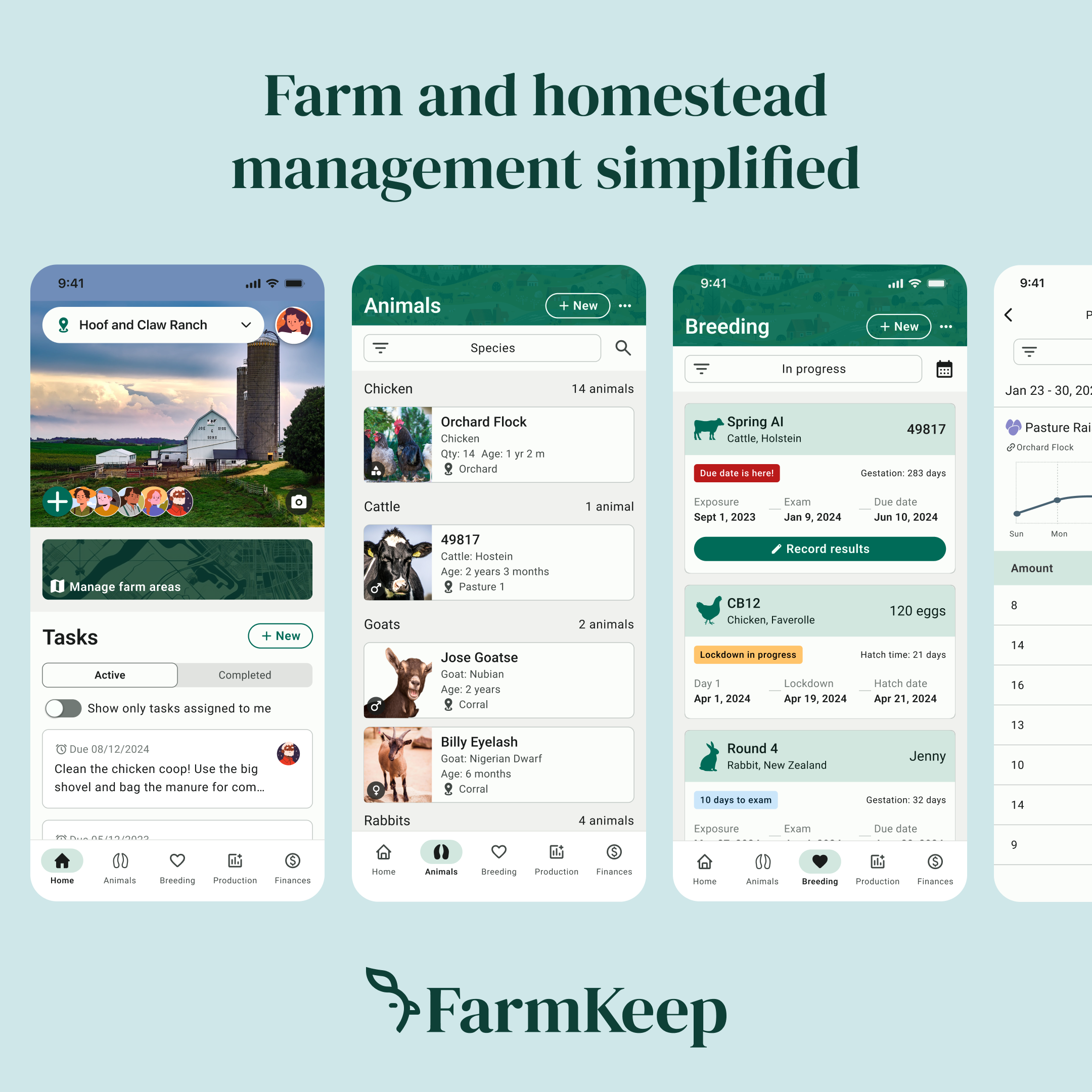
As a sheep flock grows, it becomes increasingly important to track animal records and expenses. Farmers often struggle to manage records across notebooks, spreadsheets, and scattered files. FarmKeep simplifies livestock management by keeping everything in one place.
With FarmKeep, sheep farmers can:
- Track individual sheep profiles and IDs
- Record breeding and lambing dates
- Monitor health treatments and vaccinations
- Log feed costs and farm expenses
- Track production and flock performance
Whether you manage a few sheep on a homestead or a larger breeding operation, FarmKeep helps keep your livestock records organized and accessible from your phone.
Final Thoughts
Sheep prices can vary widely depending on breed, genetics, age, and market conditions. While some lambs may cost under $100 at auction, high-quality breeding animals can sell for thousands of dollars.
For new farmers, understanding both the initial cost of sheep and the ongoing expenses of raising them is essential before starting a flock.
With good pasture management and proper flock care, sheep can be a rewarding and profitable livestock enterprise.
And as your flock grows, tools like FarmKeep can help simplify record keeping, breeding management, and farm financial tracking so you always know how your livestock operation is performing.
FAQ
Are sheep expensive to buy?
Most sheep cost $200 to $600 per head, though registered breeding animals can cost several thousand dollars depending on genetics and breed.
Why are breeding rams more expensive?
Breeding rams influence the genetics of an entire flock. A single ram can sire dozens of lambs each year, so high-quality rams with strong genetics command higher prices.
Is sheep farming profitable?
Sheep farming can be profitable through several income streams including:
- lamb meat sales
- wool production
- dairy products
- breeding stock sales
Profitability depends heavily on feed costs, flock health, and market demand.
How many sheep should beginners start with?
Most beginners start with 3 to 10 sheep. This allows new farmers to gain experience managing a flock without becoming overwhelmed.
How much land do sheep need?
Stocking rates vary by pasture quality, but a common guideline is: 4 to 6 sheep per acre Well-managed pasture systems can sometimes support higher stocking densities. You can use a sheep per acre calculator to help you assess your situation.