Pilgrim Geese: Complete Breed Guide
Pilgrim geese are one of America’s most distinctive domestic goose breeds. Best known for their gentle temperament and unique auto-sexing trait, they have become a favorite among homesteaders, backyard poultry enthusiasts, and families looking for friendly, easy-to-manage geese.
Unlike most goose breeds, where males and females look nearly identical as goslings, Pilgrim geese can often be identified by sex shortly after hatching based on their down color. This rare characteristic simplifies flock management and breeding, making the breed especially appealing to first-time goose owners.
Beyond their unique genetics, Pilgrim geese are valued for their calm personalities, dependable egg production, excellent grazing ability, and adaptability to small farms. They are equally comfortable serving as breeding birds, pasture grazers, companion animals, or productive members of a diversified homestead.
Although they don’t reach the massive size of Embden or Toulouse geese, Pilgrims offer an excellent balance of productivity, temperament, and ease of management. Their friendly nature has helped establish them as one of the best goose breeds for beginners.
Whether you’re planning your first flock or expanding an established breeding program, Pilgrim geese remain one of the most rewarding heritage breeds to raise.
Breed Snapshot
Breed Scorecard
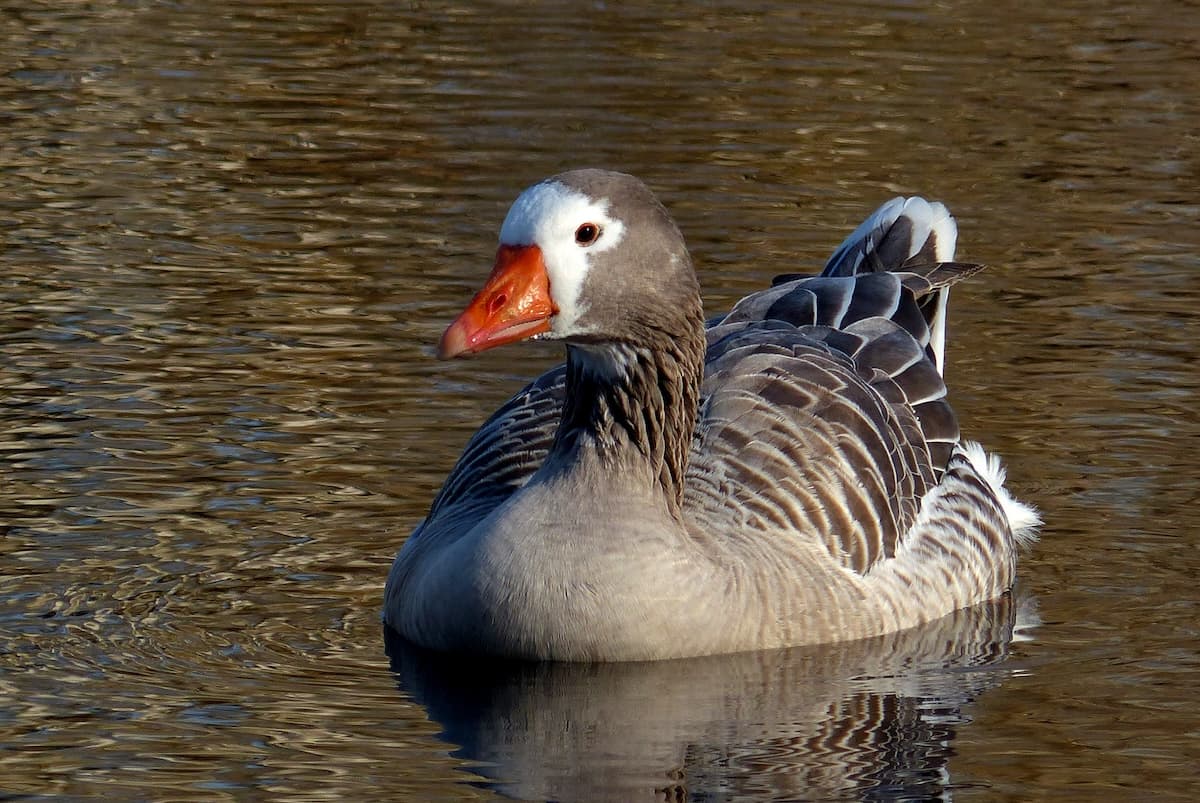
Overview of Pilgrim Geese
Pilgrim geese occupy a unique place among domestic goose breeds. They combine many of the practical qualities farmers look for—good egg production, efficient grazing, dependable breeding, and a calm disposition—while also offering one feature found in very few other breeds: auto-sexing.
This means males and females display different coloration from an early age, making flock management significantly easier than with most domestic geese. For breeders and hobby farmers alike, being able to identify the sex of goslings without waiting for maturity is a major advantage.
Pilgrims are also one of the few goose breeds developed in the United States, giving them an important place among American heritage livestock. Their balanced size makes them easier to handle than heavier breeds while still providing excellent utility on pasture.
Compared with more vocal breeds such as Chinese geese or larger meat breeds like Embdens, Pilgrim geese are often described as calm, personable, and adaptable. These qualities have made them increasingly popular with small farms, educational programs, and families looking for geese that are enjoyable to raise as well as productive.
Why Farmers Choose Pilgrim Geese
Pilgrim geese continue to earn loyal followers because they offer an exceptional combination of practicality and personality.
Many owners choose Pilgrim geese because they:
- Are naturally auto-sexing
- Have calm, friendly temperaments
- Produce reliable numbers of eggs
- Make attentive parents
- Graze efficiently on pasture
- Adapt well to small farms
- Are excellent heritage breeding stock
- Require relatively straightforward management
For many homesteaders, Pilgrims represent one of the best all-around goose breeds available.
Quick Facts
History and Origin
Pilgrim geese are one of the few domestic goose breeds developed in the United States, giving them a unique place among North American heritage livestock. They were selectively bred to create a practical farm goose that combined a calm temperament, dependable egg production, good grazing ability, and one remarkable characteristic that sets them apart from nearly every other breed: auto-sexing.
The breed was developed during the early 20th century by American waterfowl breeder Oscar Grow. Grow spent years selectively breeding geese that displayed different plumage colors between males and females from hatch, making it possible to identify the sex of goslings without specialized techniques.
The result was the Pilgrim goose—a friendly, medium-sized utility breed that quickly gained popularity among small farms and homesteads.
The American Poultry Association officially recognized the breed in 1939, and today Pilgrim geese remain one of America’s most recognizable heritage goose breeds.
Although they are less common than commercial breeds like Embden or Toulouse, Pilgrims continue to attract breeders who value their genetics, temperament, and historical significance.
Physical Characteristics
Pilgrim geese are medium-sized utility birds with an elegant, balanced appearance. They are noticeably smaller than heavy breeds such as Embden and Toulouse but substantially larger than many ornamental waterfowl.
Their bodies are broad enough to provide useful meat production while remaining athletic and efficient grazers.
One of the breed’s defining characteristics is that adult males and females have distinctly different plumage, making them easy to identify throughout their lives.
Appearance
Healthy Pilgrim geese typically have:
- Medium to large body
- Long, graceful neck
- Bright orange bill
- Orange legs and feet
- Smooth, tight-fitting feathers
- Blue eyes
Unlike several other domestic goose breeds, Pilgrims exhibit sexual dimorphism, meaning males and females naturally develop different feather colors.
This characteristic is central to the breed’s identity and one of the primary reasons many people choose to raise them.
What Makes Pilgrim Geese Unique?
Pilgrim geese are one of the very few auto-sexing goose breeds in the world.
Auto-sexing means males and females can usually be identified by their coloration shortly after hatching rather than waiting several months for physical or behavioral differences to develop.
For goose breeders, this is an enormous advantage.
Instead of relying on vent sexing, DNA testing, or waiting until adulthood, Pilgrim goslings can often be sorted into breeding groups almost immediately.
This saves time, reduces handling stress, and makes flock planning much easier.
Because so few domestic goose breeds possess this trait, Pilgrims have become especially popular with homesteaders, educational farms, and breeders interested in maintaining predictable breeding programs.
How to Tell Male and Female Pilgrim Geese Apart
One of the biggest advantages of raising Pilgrim geese is how easy they are to identify.
Male Goslings
Male goslings are typically:
- Light yellow
- Cream colored
- Pale silver
- Uniform in color
As adults, ganders develop mostly white plumage with only light gray markings remaining on parts of the back or wings.
Female Goslings
Female goslings hatch noticeably darker.
Their down is usually:
- Gray
- Olive-gray
- Smoky gray
- Brownish gray
Adult females retain beautiful gray plumage with lighter faces, necks, and underparts, creating a striking contrast with the white ganders.
Male vs. Female Pilgrim Geese
How Big Do Pilgrim Geese Get?
Pilgrim geese are considered a medium-sized utility breed, offering a nice balance between productivity and manageability.
Typical adult weights are:
- Ganders: 15–18 pounds (6.8–8.2 kg)
- Geese: 12–14 pounds (5.5–6.4 kg)
Although they are smaller than Embden or Toulouse geese, Pilgrims are still substantial birds that perform well on pasture and provide useful meat production.
Their moderate size also makes them easier to handle for many first-time goose keepers.
Lifespan
With proper care, Pilgrim geese commonly live 15 to 20 years.
Many remain productive breeders for several years, while healthy birds often continue serving as excellent pasture companions well into old age.
Factors that contribute to longevity include:
- Balanced nutrition
- Clean water
- Predator protection
- Dry shelter
- Routine health monitoring
- Plenty of grazing opportunities
Because geese are long-lived animals, prospective owners should view them as a long-term commitment rather than a short-term livestock project.
Why Auto-Sexing Matters
For experienced breeders, auto-sexing is convenient.
For beginners, it can be transformative.
Knowing the sex of goslings shortly after hatch allows owners to:
- Build balanced breeding groups
- Plan future flock size
- Reduce uncertainty
- Sell birds more accurately
- Avoid waiting months to identify males and females
Few other domestic goose breeds offer this level of certainty at such an early age, which is one reason Pilgrim geese continue to stand out among heritage breeds.
Physical Characteristics at a Glance
Temperament and Behavior
One of the biggest reasons people choose Pilgrim geese is their temperament. They have earned a reputation as one of the calmest and most approachable domestic goose breeds, making them especially popular with families, hobby farmers, and first-time goose owners.
While every goose has its own personality, Pilgrims are generally less reactive and less territorial than many utility breeds. They enjoy staying close to their flock, spend much of the day grazing, and quickly settle into familiar routines.
Their gentle nature, combined with their manageable size, has made Pilgrim geese a favorite on small farms where birds are handled regularly.
Personality
Pilgrim geese are naturally curious without being overly excitable.
They tend to investigate new areas of the pasture, follow their caretakers during daily chores, and remain calm around routine farm activities. Rather than constantly patrolling the property or reacting to every movement, Pilgrims are typically content grazing alongside the rest of the flock.
Owners often describe Pilgrim geese as:
- Gentle
- Friendly
- Calm
- Curious
- Intelligent
- Easygoing
Because they are highly social birds, they thrive when raised in pairs or small flocks where they can interact naturally with other geese.
Are Pilgrim Geese Friendly?
Yes. Pilgrim geese are widely regarded as one of the friendliest domestic goose breeds.
When raised from goslings with regular human interaction, they often become comfortable around people and may willingly approach their owners during feeding or routine chores. Their relaxed personality makes them particularly well suited for farms where children or visitors frequently interact with livestock.
Friendly behaviors commonly include:
- Following familiar people
- Greeting their caretaker
- Calmly accepting routine handling
- Staying close to the flock
- Remaining relaxed during everyday farm activities
Like all geese, early socialization plays an important role. Goslings that receive gentle, consistent handling are more likely to become confident, trusting adults.
Are Pilgrim Geese Aggressive?
Pilgrim geese are generally considered one of the least aggressive utility breeds.
Most of the year they are calm and easy to manage. During breeding season, however, ganders may become protective of their mates, nests, or goslings.
Common defensive behaviors include:
- Hissing
- Standing tall with an extended neck
- Wing spreading
- Brief bluff charges
- Guarding nesting areas
These behaviors are natural and typically short-lived. Outside the breeding season, Pilgrims are usually peaceful members of the farm.
Providing adequate space and avoiding unnecessary disturbances around nesting birds helps minimize territorial behavior.
Intelligence
Pilgrim geese are highly intelligent and quickly learn the routines of the farm.
They can recognize:
- Regular feeding times
- Familiar people
- Daily pasture rotations
- Shelter locations
- Water sources
- Established flock members
Because they learn through repetition, Pilgrims adapt quickly to consistent management. Many owners find that their geese begin anticipating daily chores and willingly move between pasture and shelter without much encouragement.
Their intelligence also makes them enjoyable birds to observe, as they develop predictable habits and strong social bonds within the flock.
Noise Level
Compared to many domestic goose breeds, Pilgrim geese are relatively quiet.
They still vocalize when appropriate—particularly when greeting flock members or alerting to unfamiliar activity—but they are generally less vocal than Chinese or African geese.
They commonly call when:
- Greeting one another
- Expecting food
- Alerting to visitors
- Warning of predators
- Becoming separated from the flock
For owners who appreciate the personality of geese but prefer a quieter flock, Pilgrims are an excellent choice.
Social Behavior
Pilgrim geese are naturally social animals that thrive when kept with other geese.
Rather than wandering independently, they prefer moving as a group while grazing, resting, or exploring pasture.
Keeping a single goose alone is generally discouraged because isolation can lead to:
- Stress
- Excessive vocalization
- Boredom
- Strong dependence on people
A breeding pair or small flock allows Pilgrims to express their natural social behaviors while creating a more relaxed and confident group.
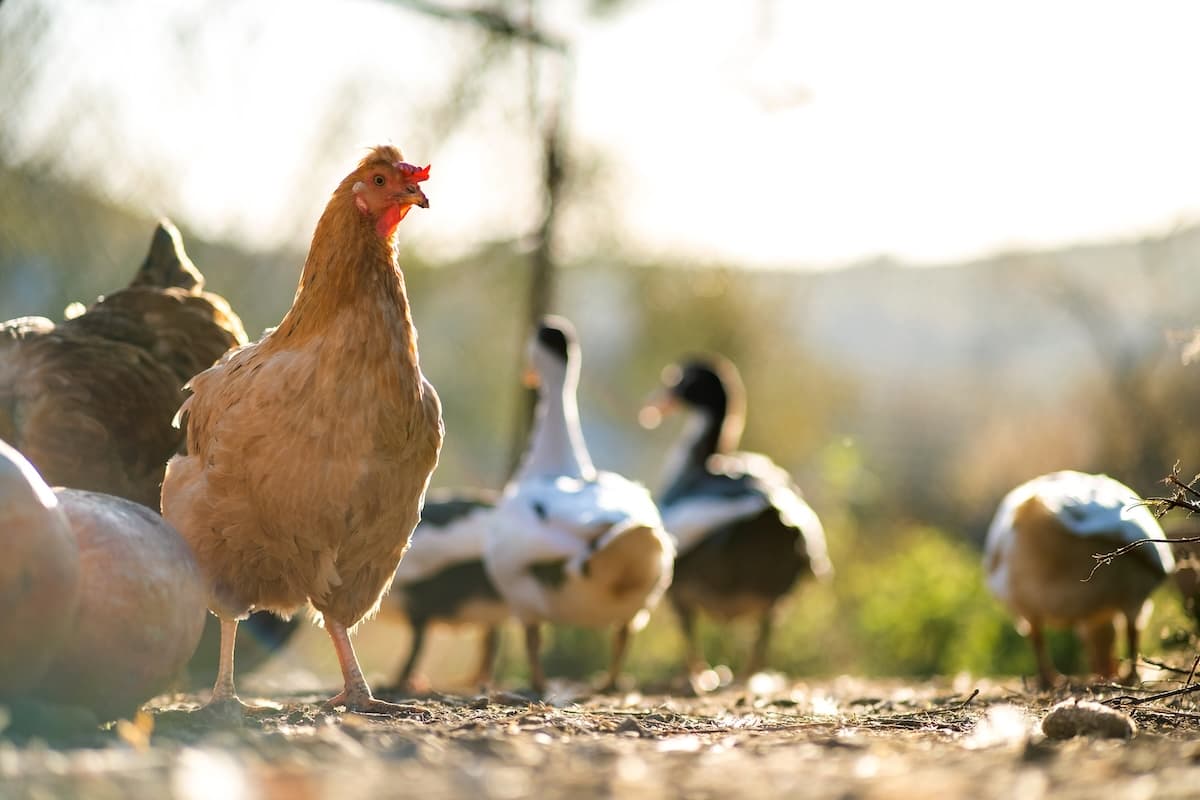
Compatibility with Other Farm Animals
Pilgrim geese integrate exceptionally well into diversified farms.
Their calm temperament makes them one of the easier goose breeds to keep alongside other livestock when adequate space and proper introductions are provided.
Chickens
Pilgrim geese commonly share pasture with chickens.
Providing separate feeders helps ensure chickens receive their appropriate ration while reducing competition around feed.
Ducks
Pilgrims generally coexist peacefully with ducks.
Both species benefit from:
- Shared grazing areas
- Fresh water
- Similar daily routines
This makes them a popular combination on backyard farms.
Turkeys
Pilgrim geese can successfully live alongside turkeys when provided with sufficient space.
Gradual introductions allow each species to establish comfortable social boundaries.
Goats, Sheep, and Other Livestock
Many homesteaders successfully raise Pilgrim geese with:
- Goats
- Sheep
- Alpacas
- Miniature cattle
- Horses
Because Pilgrims spend much of the day grazing, they fit naturally into rotational grazing systems and mixed-species pastures.
Temperament Compared to Other Goose Breeds
Why Pilgrim Geese Are Great for Families
One of the Pilgrim goose’s greatest strengths is how approachable the breed is for new owners.
Their combination of moderate size, gentle personality, and predictable behavior makes them well suited for:
- Family farms
- Backyard homesteads
- Educational farms
- 4-H and FFA projects
- Heritage breed enthusiasts
- First-time goose keepers
While all geese deserve respect and proper handling, Pilgrims are often recommended as one of the easiest breeds for people who are just beginning to raise waterfowl.
Egg Production and Breeding
Pilgrim geese are well-rounded utility birds that combine dependable seasonal egg production with excellent fertility and strong maternal instincts. While they won’t produce as many eggs as Chinese geese, they consistently outperform many heavier meat breeds, making them a popular choice for homesteaders who want a productive breeding flock without sacrificing temperament.
Their calm nature also makes breeding season easier to manage. Many Pilgrim geese readily pair off, build nests, incubate eggs, and successfully raise goslings with minimal assistance.
For farms interested in producing replacement breeding stock each year, Pilgrims are one of the most rewarding heritage breeds to work with.
Egg Production
Pilgrim geese are considered good seasonal egg layers.
A healthy adult goose typically produces 35 to 45 eggs per year, although production varies depending on age, genetics, nutrition, climate, and management.
Most females begin laying during their first or second breeding season, with peak production generally occurring between two and five years of age.
Factors that influence annual egg production include:
- Genetics
- Nutrition
- Day length
- Body condition
- Overall flock health
- Access to quality pasture
Although Pilgrims produce fewer eggs than Chinese geese, they often make up for it through dependable fertility and strong hatchability.
What Do Pilgrim Goose Eggs Look Like?
Pilgrim goose eggs are large, bright white eggs with thick shells that help protect the developing embryo during incubation.
Most eggs are:
- White
- Oval shaped
- Thick shelled
- Rich in nutrients
- Well suited for incubation
Individual eggs typically weigh 160 to 190 grams, making them considerably larger than chicken or duck eggs.
Because of their size, goose eggs require different incubation conditions than smaller poultry eggs and should be turned regularly throughout development.

Laying Season
Like most domestic geese, Pilgrims are seasonal layers.
Egg production generally begins in late winter or early spring as daylight hours increase.
Most flocks begin laying between:
- February
- March
- April
Some birds in warmer climates may begin slightly earlier, while northern flocks often start later depending on weather conditions.
Providing breeder-quality feed several weeks before laying season helps support healthy egg development and stronger hatch rates.
Fertility
Pilgrim geese are known for dependable fertility when maintained in healthy breeding groups.
Good fertility depends on:
- Healthy breeding stock
- Proper nutrition
- Adequate pasture
- Low-stress housing
- Appropriate breeding ratios
Most breeders recommend maintaining approximately one gander for every three to five geese.
Because Pilgrims are medium-sized birds with relatively calm temperaments, breeding is often less physically demanding than with some of the largest goose breeds.
Broodiness
One characteristic that makes Pilgrim geese especially appealing to homesteaders is their willingness to hatch and raise their own young.
Many females readily become broody and will:
- Build nests
- Incubate eggs
- Defend the nest
- Lead goslings after hatch
- Protect young birds while grazing
This makes Pilgrims an excellent choice for farms that prefer natural incubation over artificial hatchery systems.
While some breeders collect eggs for incubators to maximize annual production, many enjoy allowing Pilgrim geese to hatch and rear goslings naturally.
Incubation
Pilgrim goose eggs require approximately 30 days of incubation before hatching.
Whether using an incubator or allowing a broody goose to do the work, successful incubation depends on maintaining consistent conditions throughout development.
Successful hatches require attention to:
- Temperature
- Humidity
- Egg turning
- Ventilation
- Egg fertility
- Nest cleanliness
Many breeders candle eggs during incubation to monitor embryo development and identify infertile eggs early.
For detailed incubation schedules, candling timelines, humidity recommendations, and troubleshooting tips, see our Incubating Goose Eggs guide.
Raising Pilgrim Goslings
Pilgrim goslings are active, curious birds that grow quickly during their first few months.
One of the most exciting parts of raising this breed is watching the distinctive male and female coloration become apparent almost immediately after hatch.
Healthy goslings require:
- Warm brooding temperatures
- High-quality starter feed
- Fresh drinking water
- Clean, dry bedding
- Gradual introduction to pasture
As they mature, regular handling helps reinforce the calm temperament for which the breed is known.
Because Pilgrims naturally develop strong social bonds, young birds should be raised with other geese whenever possible.
The Advantage of Auto-Sexing for Breeders
Pilgrim geese offer something few other goose breeds can: the ability to identify males and females shortly after hatch.
For breeders, this provides several practical advantages.
Knowing the sex of goslings early allows you to:
- Build balanced breeding groups
- Plan future flock size
- Retain the best replacement birds
- Market goslings more accurately
- Reduce uncertainty during flock management
This unique characteristic has helped make Pilgrim geese one of the most popular heritage breeds among small-scale breeders and homesteaders.
Rather than waiting several months for physical differences or adult behaviors to appear, owners can begin making management decisions almost immediately.
Why Pilgrim Geese Are Excellent Heritage Breeders
Pilgrim geese have remained popular for generations because they combine several desirable breeding traits in a single package.
They offer:
- Reliable fertility
- Good hatchability
- Strong maternal instincts
- Calm breeding behavior
- Healthy gosling growth
- Easy sex identification after hatch
For farms interested in maintaining heritage bloodlines or producing breeding stock, Pilgrims continue to be one of the most practical and enjoyable breeds to raise.
Egg Production Comparison
Tips for Improving Egg Production
Healthy Pilgrim geese are dependable layers, but good management can improve both egg production and hatchability.
To support productive breeding birds:
- Feed a high-quality breeder ration before laying season.
- Maintain healthy body condition throughout the year.
- Provide quiet nesting areas with clean, dry bedding.
- Ensure constant access to fresh water.
- Allow plenty of grazing on quality pasture.
- Reduce unnecessary stress during breeding season.
Healthy breeding birds consistently produce stronger eggs, better fertility, and healthier goslings.

Care and Management
Pilgrim geese are one of the easiest domestic goose breeds to care for. Their moderate size, calm temperament, and efficient grazing habits make them well suited for backyard flocks, family farms, and pasture-based homesteads. While they still require the same basic essentials as other geese—quality feed, clean water, secure housing, and protection from predators—they are generally forgiving birds that adapt well to a variety of management styles.
Because Pilgrims are active foragers, they spend much of their day grazing and exploring pasture, helping reduce feed costs while maintaining good physical condition.
Read our comprehensive Goose Care Guide here.
Housing Requirements
Pilgrim geese prefer simple, dry shelters that protect them from wind, rain, snow, and predators.
Their shelter should provide:
- Protection from harsh weather
- Good ventilation
- Dry, clean bedding
- Secure nighttime housing
- Easy access to pasture
- Space for nesting during breeding season
As a general guideline, provide:
- 6–8 square feet of indoor shelter per adult goose
- 100–200 square feet of outdoor grazing space per bird
More pasture is always beneficial, particularly if the flock relies heavily on natural forage.
Pasture and Grazing
Pilgrim geese are excellent grazers and spend much of the day feeding on grasses and other vegetation.
Quality pasture provides:
- Natural nutrition
- Daily exercise
- Lower feed costs
- Mental stimulation
- Cleaner living conditions
Ideal forage includes:
- Orchard grass
- Timothy
- Kentucky bluegrass
- Perennial ryegrass
- Fescue
- Clover (in moderation)
- Mixed pasture grasses
Rotational grazing offers additional benefits by:
- Preventing overgrazing
- Encouraging healthier forage growth
- Reducing parasite pressure
- Keeping pasture productive throughout the season
Because Pilgrims are lighter than many heavy goose breeds, they tend to graze actively without causing as much damage to wet pasture.
Feeding Pilgrim Geese
While pasture forms the foundation of a healthy diet, Pilgrim geese still require balanced nutrition throughout the year.
Adult birds benefit from:
- High-quality waterfowl feed
- Balanced poultry feed when appropriate
- Fresh greens
- Supplemental calcium during laying season
- Unlimited access to clean water
Additional treats can include:
- Romaine lettuce
- Kale
- Swiss chard
- Dandelion greens
- Cucumber
- Zucchini
- Peas
Avoid overfeeding grain, especially outside of breeding season, as overweight breeding birds may experience reduced fertility and lower egg production.
Read the full Goose Feeding Guide here.
Water Requirements
Water is essential to every aspect of goose health.
Pilgrim geese use water to:
- Drink
- Clean their nostrils
- Wash their bills
- Aid digestion
- Bathe
- Maintain healthy feathers
Fresh drinking water should always be available, and containers should be deep enough for birds to fully submerge their bills.
Although ponds are enjoyable, they are not required.
Many successful Pilgrim flocks thrive with:
- Livestock water troughs
- Heavy-duty stock tanks
- Kiddie pools
- Large rubber tubs
Regular access to bathing water helps maintain feather condition and supports natural preening behavior.
Fencing and Predator Protection
Pilgrim geese are relatively easy to contain because adults are not strong fliers.
Good fencing also helps protect them from predators such as:
- Coyotes
- Foxes
- Domestic dogs
- Bobcats
- Raccoons
- Hawks and owls (primarily for goslings)
Good predator management includes:
- Secure woven-wire fencing
- Locking birds indoors overnight
- Predator-resistant latches
- Routine fence inspections
- Providing safe brooding areas for young birds
While Pilgrim geese will often sound an alarm when something unusual approaches, they should not be relied upon as their own primary defense.
Common Health Concerns
Pilgrim geese are generally hardy birds with relatively few breed-specific health problems.
Regular observation remains the best way to identify health issues before they become serious.
Watch for signs such as:
- Loss of appetite
- Limping
- Swollen joints
- Dirty feathers
- Nasal discharge
- Labored breathing
- Lethargy
- Changes in droppings
Preventative care—including balanced nutrition, clean housing, fresh water, and access to pasture—helps avoid many common health issues.
Seasonal Care
Spring
Spring marks the beginning of breeding season.
Important spring tasks include:
- Preparing nesting areas
- Transitioning to breeder feed
- Monitoring breeding pairs
- Collecting eggs
- Checking incubators
- Inspecting fencing
Summer
During hot weather, Pilgrim geese benefit from:
- Plenty of shade
- Fresh water throughout the day
- Opportunities to bathe
- Good airflow around shelters
- Rotating pasture when needed
Although Pilgrims tolerate warm weather well, access to water remains critical during periods of extreme heat.
Autumn
Autumn is an excellent time to prepare for winter by:
- Evaluating breeding stock
- Repairing shelters
- Cleaning nesting areas
- Refreshing bedding
- Inspecting fencing
- Managing pasture before winter dormancy
Winter
Pilgrim geese are cold-hardy birds that generally tolerate winter conditions very well.
Winter management focuses on:
- Keeping bedding dry
- Providing wind protection
- Preventing drinking water from freezing
- Maintaining ventilation without creating drafts
Dry birds are healthy birds. Moisture buildup inside shelters often causes more problems than cold temperatures themselves.
Exercise and Enrichment
Pilgrim geese naturally remain active throughout the day.
Healthy birds spend their time:
- Grazing
- Swimming
- Exploring pasture
- Socializing
- Resting together
- Preening
Providing enough space for these natural behaviors helps maintain both physical and mental well-being.
Because Pilgrims are curious birds, occasionally introducing fresh grazing areas or safe browse encourages natural exploration and keeps the flock engaged.
Daily Care Checklist

Keep Better Records for Your Pilgrim Geese
One of the biggest advantages of raising Pilgrim geese is managing breeding pairs and tracking the next generation of goslings. Keeping organized records of breeding groups, egg production, hatch dates, pedigrees, and health history makes it much easier to improve your flock over time.
With FarmKeep, you can create individual profiles for every goose, record breeding events, track egg production and incubation, log health treatments, and organize your entire flock from your phone or computer. Whether you’re maintaining a heritage breeding program or simply managing a family flock, having accurate records helps you make better decisions season after season.
Why Pilgrim Geese Are Easy to Raise
One of the reasons Pilgrim geese continue to grow in popularity is that they don’t demand intensive management.
Their combination of:
- Moderate body size
- Gentle temperament
- Efficient grazing
- Good natural parenting
- Reliable fertility
- Auto-sexing goslings
means many common management challenges are easier than with other breeds.
For first-time goose keepers, this translates into a smoother learning experience and a flock that’s enjoyable to work with year after year.
Pilgrim Goose vs. Other Popular Goose Breeds
Pilgrim geese are one of the most well-rounded domestic goose breeds, but every breed excels in different areas. If you’re deciding which goose is the best fit for your farm, comparing temperament, egg production, size, and intended use can help narrow your choice.
Pilgrims are known for their calm personalities, dependable egg production, and unique auto-sexing genetics. While they aren’t the largest meat breed or the highest egg producer, they offer an excellent balance of utility and ease of management.
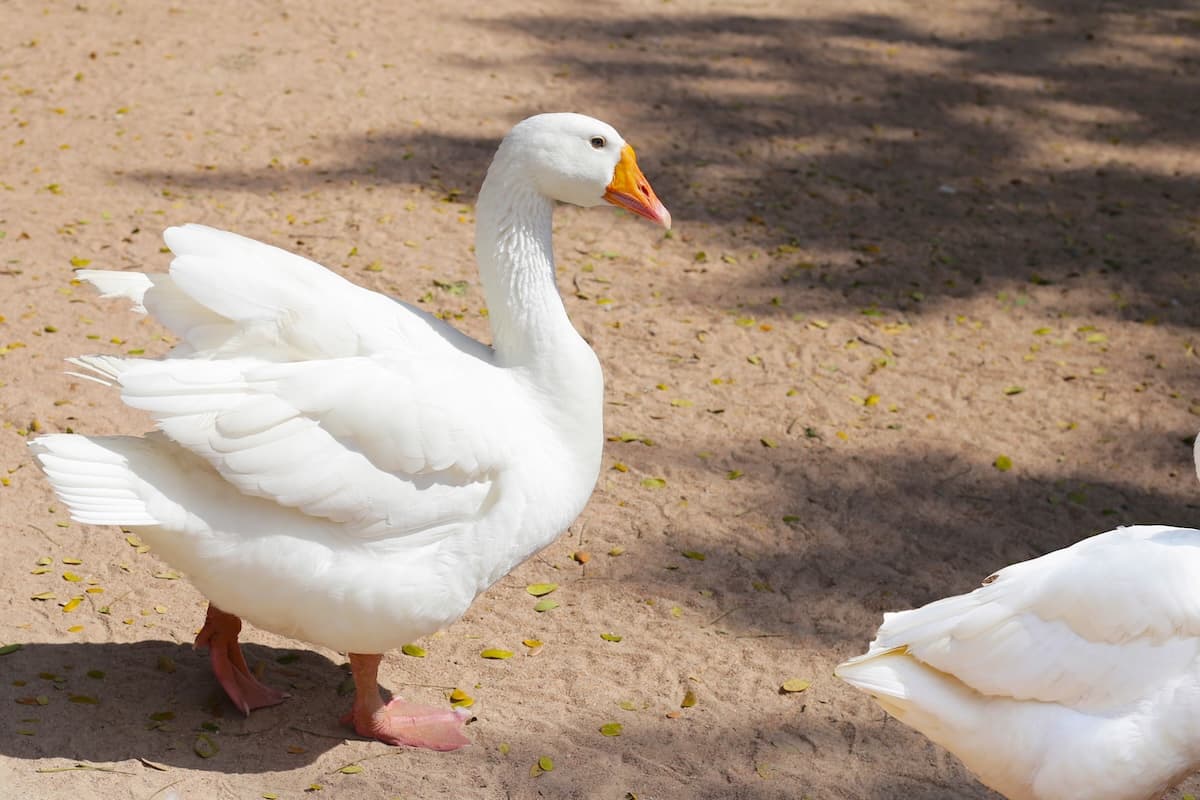
Pilgrim Goose vs. Embden Goose
Pilgrim and Embden geese are both excellent utility breeds, but they were developed with different goals in mind.
Embdens are larger birds bred primarily for meat production, while Pilgrims were developed as a balanced homestead breed with reliable egg production, calm temperaments, and the unique ability to identify males and females shortly after hatching.
Choose Pilgrim geese if you want:
- A beginner-friendly breed
- Easier breeding management
- Higher egg production
- Auto-sexing goslings
- A calm family flock
Choose Embden geese if you want:
- One of the best meat breeds
- Large, impressive birds
- Excellent pasture grazers
- A classic white farm goose
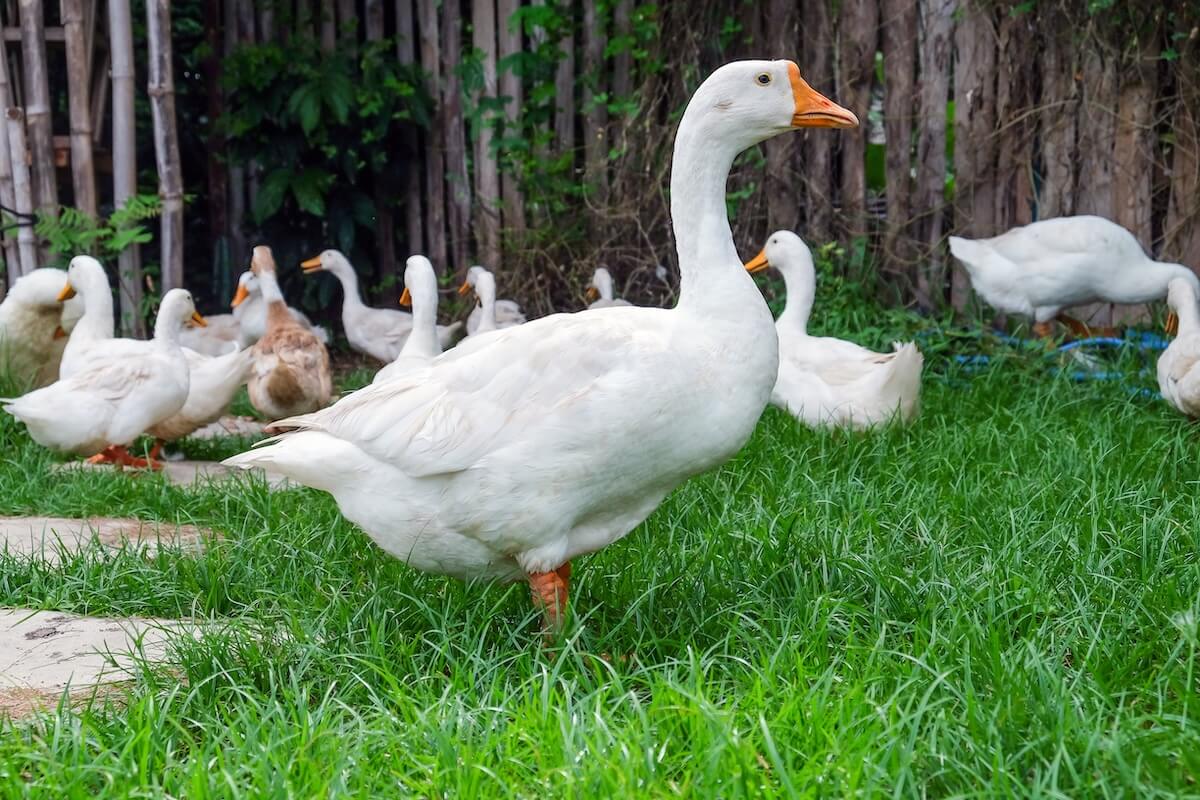
Pilgrim Goose vs. Chinese Goose
Pilgrim and Chinese geese represent opposite ends of the utility spectrum.
Chinese geese are active, vocal, and highly productive egg layers with exceptional guarding instincts. Pilgrims are quieter, gentler, and easier to manage, making them a better fit for many backyard farms and families.
If your goal is maximizing egg production or adding natural alarm birds to your property, Chinese geese are difficult to beat.
If you want a quieter flock with a friendlier temperament and easier breeding management, Pilgrim geese are often the better choice.
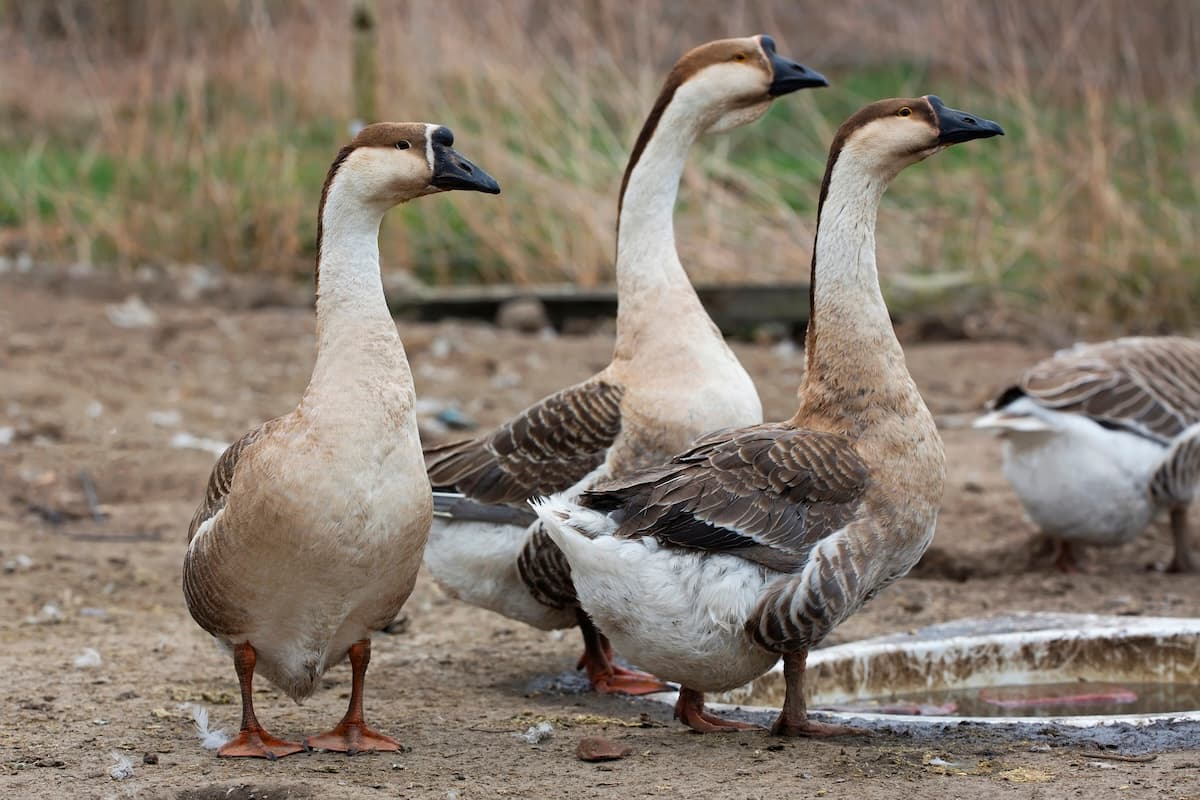
Pilgrim Goose vs. African Goose
Pilgrim and African geese are both dependable utility breeds, but they serve different purposes.
African geese are larger, louder, and highly protective. Pilgrims are calmer, quieter, and especially well suited to smaller farms and beginner goose keepers.
African geese are an excellent choice for farms seeking dual-purpose birds with strong guarding instincts.
Pilgrims are better suited for owners who prioritize temperament, breeding, and ease of management.
Pros and Cons of Pilgrim Geese
Is a Pilgrim Goose Right for Your Farm?
Pilgrim geese are an outstanding choice for farmers looking for a calm, versatile breed that’s easy to manage and enjoyable to raise. Their friendly personalities, dependable egg production, and unique auto-sexing genetics make them particularly appealing to first-time goose owners and small homesteads.
Pilgrim geese are an excellent fit if you’re looking for:
- A beginner-friendly goose breed
- Calm, social birds
- Reliable egg production
- Easy breeding management
- Heritage livestock
- A family-friendly flock
- Auto-sexing goslings
If your priorities are maximum meat production or strong guarding behavior, breeds such as the Embden or African goose may be a better fit. But if you want an approachable, well-balanced breed that excels in a wide variety of homestead roles, Pilgrim geese are difficult to beat.
Final Thoughts
Pilgrim geese have earned a loyal following by offering something few other breeds can match: a combination of gentle temperament, dependable productivity, and uniquely practical breeding characteristics. Their auto-sexing genetics make flock management simpler, while their calm personalities and reliable egg production make them equally at home on family farms, educational properties, and backyard homesteads.
Whether you’re building your first breeding flock or preserving an American heritage breed, Pilgrim geese provide a rewarding balance of personality, utility, and history. Their versatility continues to make them one of the most approachable and enjoyable goose breeds available today.
FAQ
What makes Pilgrim geese unique?
Pilgrim geese are one of the few auto-sexing goose breeds, meaning male and female goslings can usually be distinguished by their down color shortly after hatching.
How many eggs do Pilgrim geese lay?
Healthy Pilgrim geese typically lay 35 to 45 eggs per year, making them one of the better egg-producing traditional goose breeds.
Are Pilgrim geese friendly?
Yes. Pilgrim geese are widely regarded as one of the friendliest and most approachable domestic goose breeds, especially when handled regularly from a young age.
Are Pilgrim geese aggressive?
Outside of breeding season, Pilgrim geese are generally calm and easy to manage. Ganders may become protective of nests or goslings during spring, but aggressive behavior is usually temporary.
Can Pilgrim geese fly?
Adult Pilgrim geese are capable of short flights but generally remain close to the ground due to their body size. Most flocks stay within fenced pastures.
Are Pilgrim geese good pets?
Many owners consider Pilgrim geese excellent companion animals because of their calm personalities, intelligence, and willingness to interact with familiar people.
How long do Pilgrim geese live?
With proper care, Pilgrim geese commonly live 15–20 years.
Are Pilgrim geese good for beginners?
Absolutely. Their friendly temperament, manageable size, dependable breeding behavior, and auto-sexing genetics make them one of the best goose breeds for first-time owners.