Best Rabbits for Meat: Top Breeds for Growth, Yield, and Efficiency
Raising rabbits for meat is one of the most efficient ways to produce high-quality protein on a small scale. They grow quickly, reproduce efficiently, and require far less space and feed than larger livestock. But here’s the part most beginners get wrong: not all rabbit breeds are created equal.
Some grow fast but eat a lot.
Some produce great meat but poor pelts.
Some thrive in heat, others struggle.
If you choose the wrong breed, you’ll feel it—in your feed bill, your time, and your results. This guide breaks down the best rabbits for meat, including which breeds perform best, how to choose based on your situation, and how to think about dual-purpose meat and fur production.

What Makes a Rabbit Breed Good for Meat?
Before jumping into breed names, it’s worth understanding what actually matters.
A “good” meat rabbit isn’t just big—it’s efficient.
Here’s what to look for:
- Fast growth rate → reaches butcher weight (4–6 lbs) in 8–12 weeks
- Feed efficiency → converts feed into meat effectively
- High dressing percentage → more usable meat per animal
- Reproductive performance → consistent litters and good mothering
- Temperament → calm, easy to handle
- Climate adaptability → performs well in your environment
The best breed is the one that performs well on your farm, not just on paper.
Best Rabbits for Meat (Top Breeds Ranked)
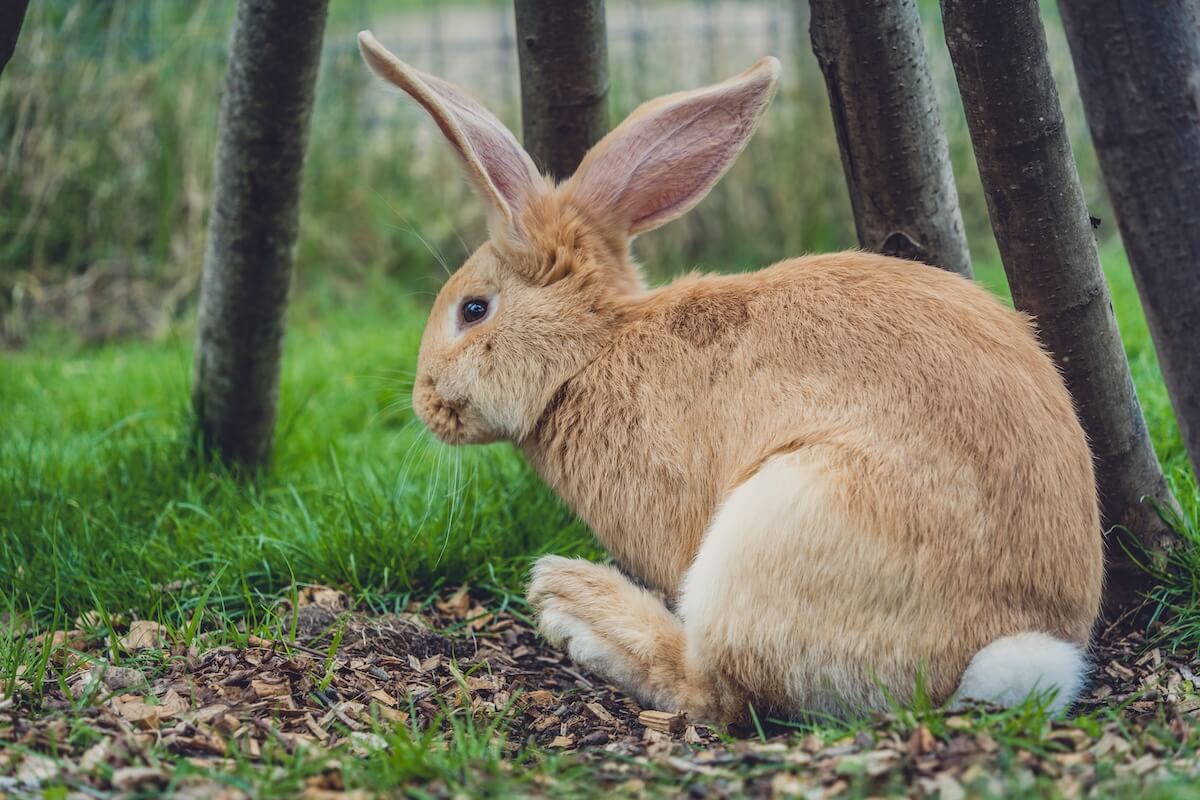
New Zealand Rabbit (Best Overall)
The gold standard for meat production.
- Weight: 9–12 lbs
- Butcher age: ~8–12 weeks
- Strengths: fast growth, great feed conversion, reliable breeders
Why it stands out:
New Zealands hit the sweet spot of size, efficiency, and consistency. If you’re unsure where to start, this is it.
Read the New Zealand Breed Guide.
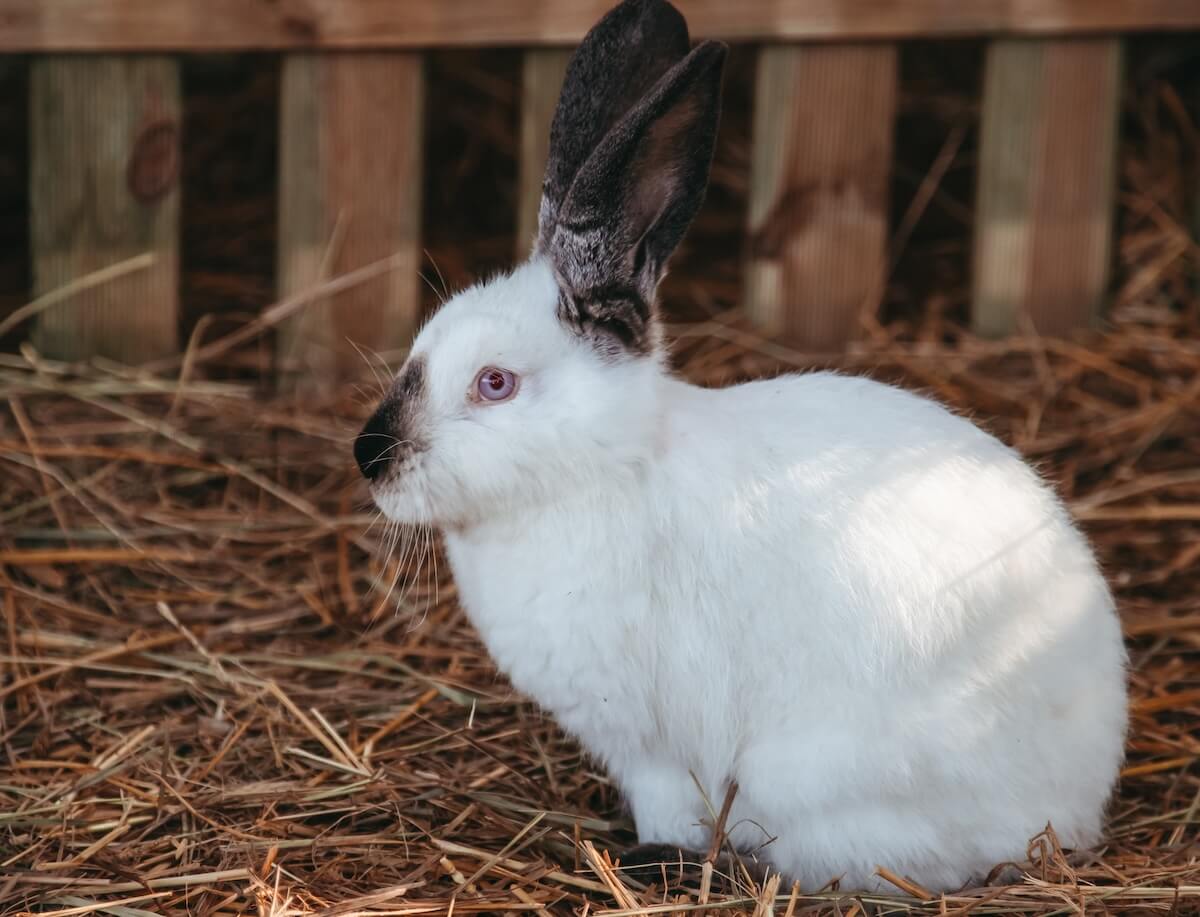
Californian Rabbit (Best for Efficiency)
Lean, efficient, and widely used in commercial operations.
- Weight: 8–11 lbs
- Butcher age: ~8–10 weeks
- Strengths: excellent meat-to-bone ratio, efficient growth
Best for:
Farmers focused on maximizing output with minimal waste.
Read the Californian Breed Guide.
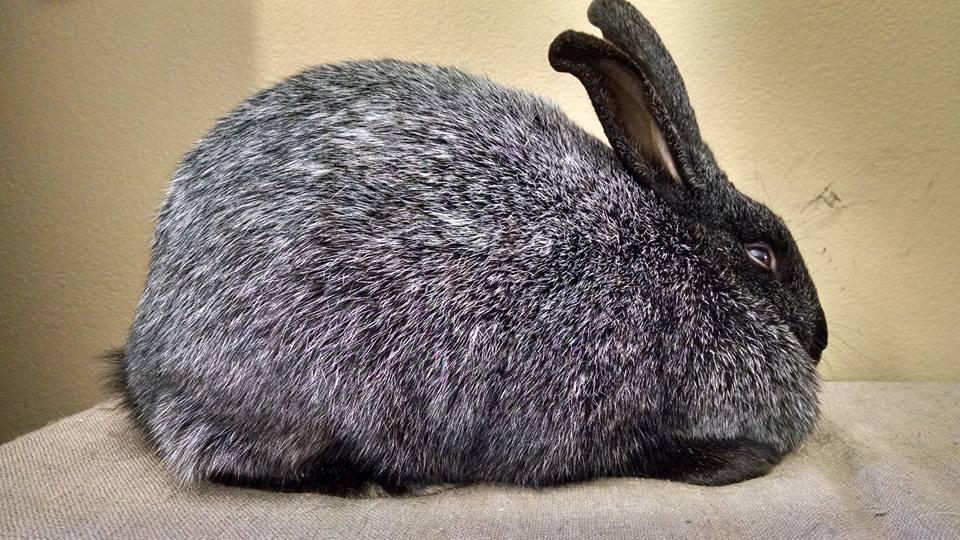
Silver Fox (Best Dual-Purpose)
A rare heritage breed with serious versatility.
- Weight: 9–12 lbs
- Strengths: good growth + high-quality fur
Why it’s special:
If you care about both meat and pelts, this breed punches above its weight.
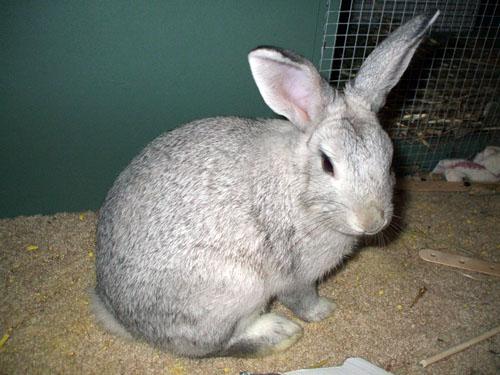
American Chinchilla (Best Heritage Meat Breed)
Underrated and highly capable.
- Weight: 9–12 lbs
- Strengths: solid meat production + excellent pelts
Best for:
Homesteaders who value sustainability and heritage genetics.
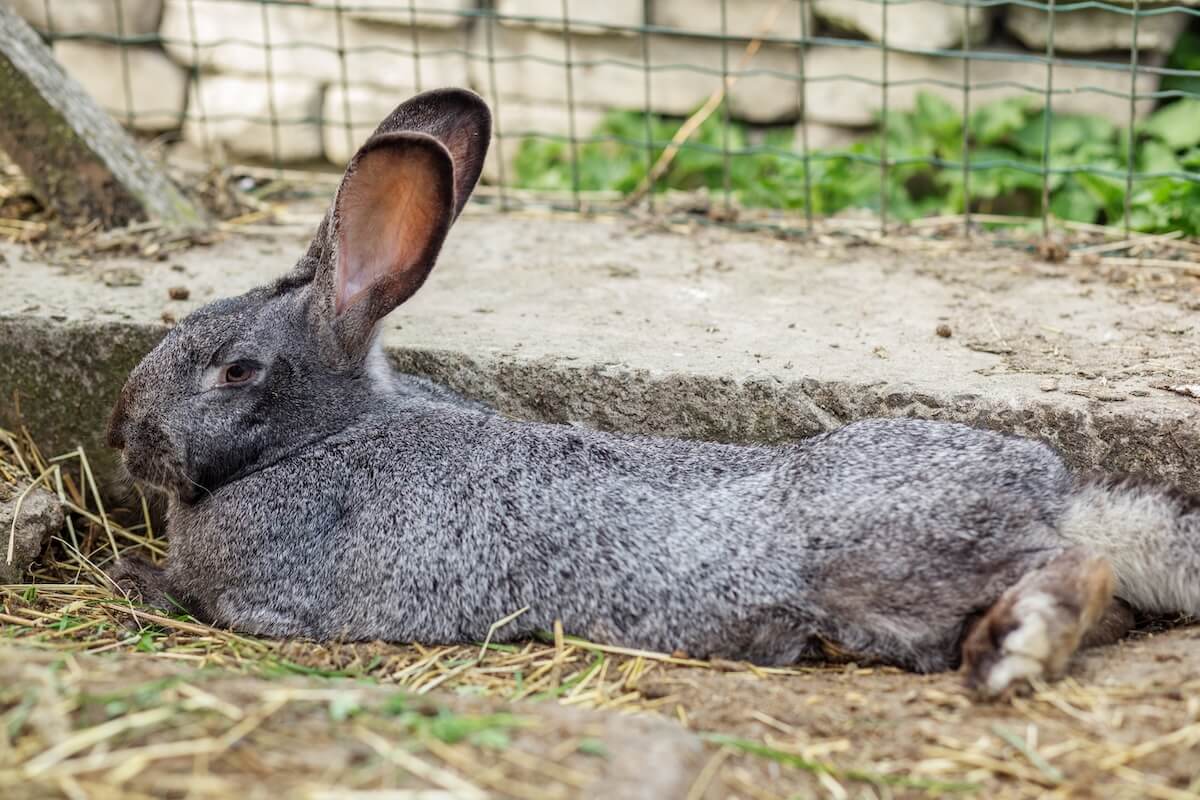
Champagne d’Argent (Best Premium Meat)
Known for flavor and quality.
- Weight: 9–12 lbs
- Strengths: fine-textured meat, good carcass quality
Trade-off:
Slightly less efficient than commercial breeds.
Flemish Giant (Biggest, Not Best)
The trap most beginners fall into.
- Weight: 12–20+ lbs
- Reality: slower growth, poor feed efficiency
Bottom line:
Bigger doesn’t mean better for meat production.
Best Breed for Meat Rabbits (Quick Comparison)
Best Meat Rabbit to Raise (Based on Your Situation)
Different farms, different goals.
For beginners
- New Zealand
- Californian
Forgiving, predictable, proven
For fast production
- Californian
- New Zealand
Quickest path to consistent meat yield
For homesteaders
- Silver Fox
- American Chinchilla
Balance of productivity + sustainability
For small-scale setups
- Californian
Efficient and space-friendly

Best Rabbits for Meat and Fur (Dual-Purpose Breeds)
If you want to maximize value per animal, this is where things get interesting.
Not all meat rabbits produce useful pelts—but some excel at both.
Silver Fox (Best Overall Dual-Purpose)
- Dense, stand-up fur
- Good meat production
- Strong maternal traits
One of the best all-around utility rabbits
American Chinchilla (Best for Fur Quality)
- Thick, high-value pelts
- Slightly slower growth
Ideal if fur matters as much as meat
Rex Rabbit (Best Fur Texture)
- Plush, velvety coat
- Smaller carcass
More niche, but high-value pelts
Satin Rabbit (Best for Glossy Fur)
- Unique sheen
- Decent meat yield
Can Standard Meat Breeds Be Used for Fur?
Yes—but with limitations.
- New Zealand & Californian pelts are usable
- But they are thinner, less dense, and lower value
They’re meat-first, fur-second.
Meat vs Fur Trade-Offs
This is where real decisions happen.
You’re balancing:
- Speed vs quality
- Efficiency vs versatility
- Volume vs value per animal
For example:
- Fast-growing breeds → lower pelt quality
- High-quality fur breeds → slower production
- Dual-purpose breeds → compromise in both directions
There’s no perfect rabbit—only the best fit for your goals.
Best Meat Rabbits for Hot Weather
Heat changes everything. Rabbits struggle in high temperatures, so breed choice matters.
Best options:
- Californian (does relatively well)
- New Zealand (with shade + airflow)
- Florida White (smaller, more heat-tolerant)
What helps more than breed:
- Shade and ventilation
- Cool water access
- Proper spacing
Management often matters more than genetics here.
Growth Rate & Meat Yield Comparison
Typical benchmarks:
- Butcher age: 8–12 weeks
- Live weight: ~5 lbs fryer
- Dressing percentage: ~50–60%
Fast-growing breeds like New Zealand and Californian:
- reach weight faster
- consume less feed overall
That’s where profitability lives.
Feed, Housing, and Care for Meat Rabbits
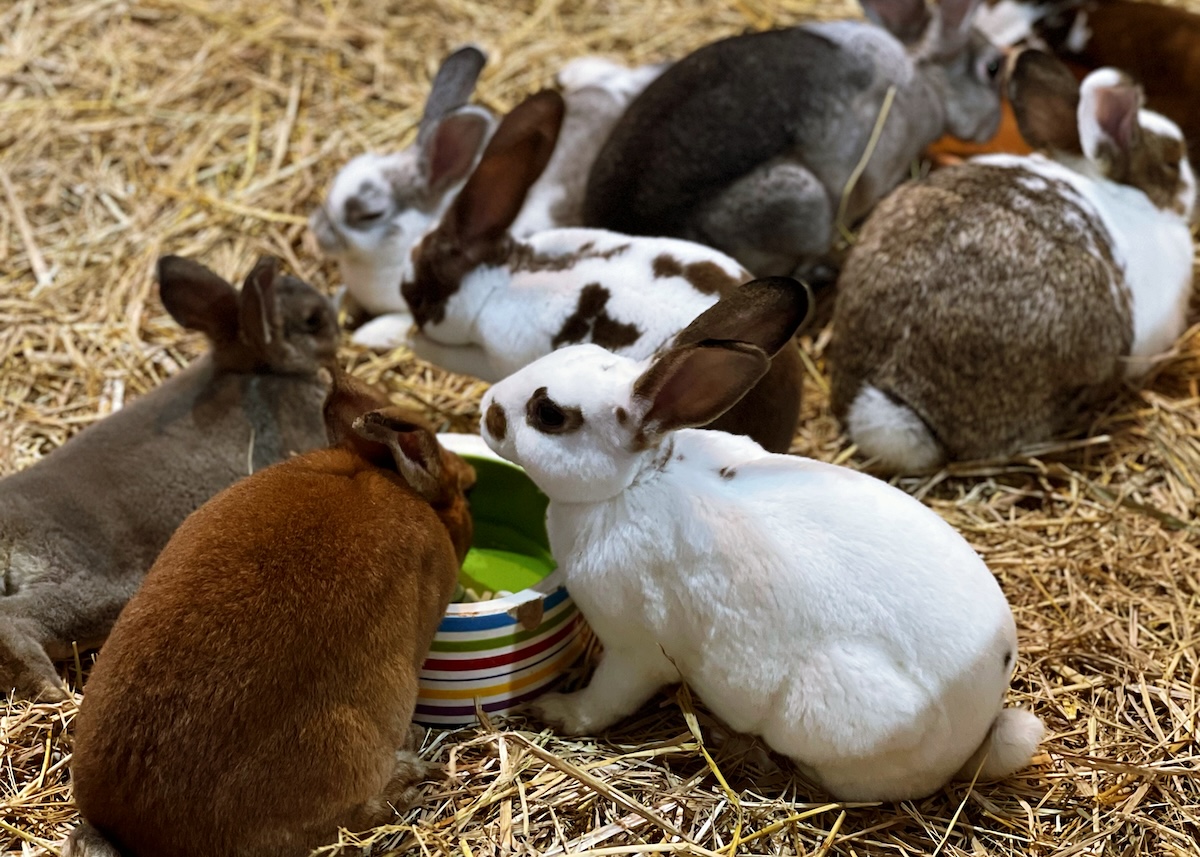
Even the best meat rabbit breed won’t perform well without the right setup. Growth rate, health, and overall efficiency are heavily influenced by how you feed, house, and care for your rabbits.
Feed
A consistent, high-quality diet is key to fast growth and good meat yield.
- Primary diet: Commercial rabbit pellets (16–18% protein for growing rabbits)
- Supplemental feed: Hay (alfalfa for young/growing rabbits, grass hay for adults)
- Fresh water: Always available—rabbits are sensitive to dehydration
- Optional additions: Garden scraps, forage, or greens (introduced gradually)
Consistency matters more than variety. Sudden diet changes can slow growth or cause digestive issues.
You can save money by growing vegetables for rabbits in your garden.
Housing
Your housing setup directly impacts health, stress levels, and growth performance.
- Ventilation: Good airflow without drafts
- Cleanliness: Regular manure removal to prevent disease
- Space: Enough room to move comfortably, but not excessive (which can reduce feed efficiency)
- Protection: Shade in hot weather, shelter from wind and rain
- Wire vs solid flooring: Wire helps with cleanliness; solid resting areas improve comfort
In hot climates, cooling and airflow become critical—heat stress can quickly reduce growth or cause losses.
Care
Daily management is simple but important.
- Check rabbits daily for appetite, behavior, and signs of illness
- Monitor growth to ensure they’re staying on track
- Keep breeding records for better long-term results
- Cull or separate as needed to maintain a productive system
Healthy rabbits grow faster, reproduce more reliably, and produce better meat—so good care isn’t just ethical, it’s practical.
Meat Rabbits Around the World
Rabbit meat isn’t just a niche—it’s global.
United States
- Growing interest through homesteading
- Small-scale, backyard production
- Focus on self-sufficiency
Europe (France, Italy, Spain)
- Long culinary tradition
- Rabbit is a common protein
- Breeding focused on flavor and consistency
China
- One of the largest producers globally
- Industrial-scale production
- Focus on efficiency and volume
Why this matters
Different regions optimized rabbits for different outcomes:
- U.S. → flexibility and small-scale production
- Europe → culinary quality
- China → efficiency at scale
The “best” rabbit depends on what you value.
Common Mistakes When Choosing Meat Rabbits
Avoid these and you’re already ahead:
- Choosing size over efficiency
- Ignoring your climate
- Not planning breeding cycles
- Underestimating feed costs
- Not tracking performance
The biggest mistake? Guessing instead of measuring.
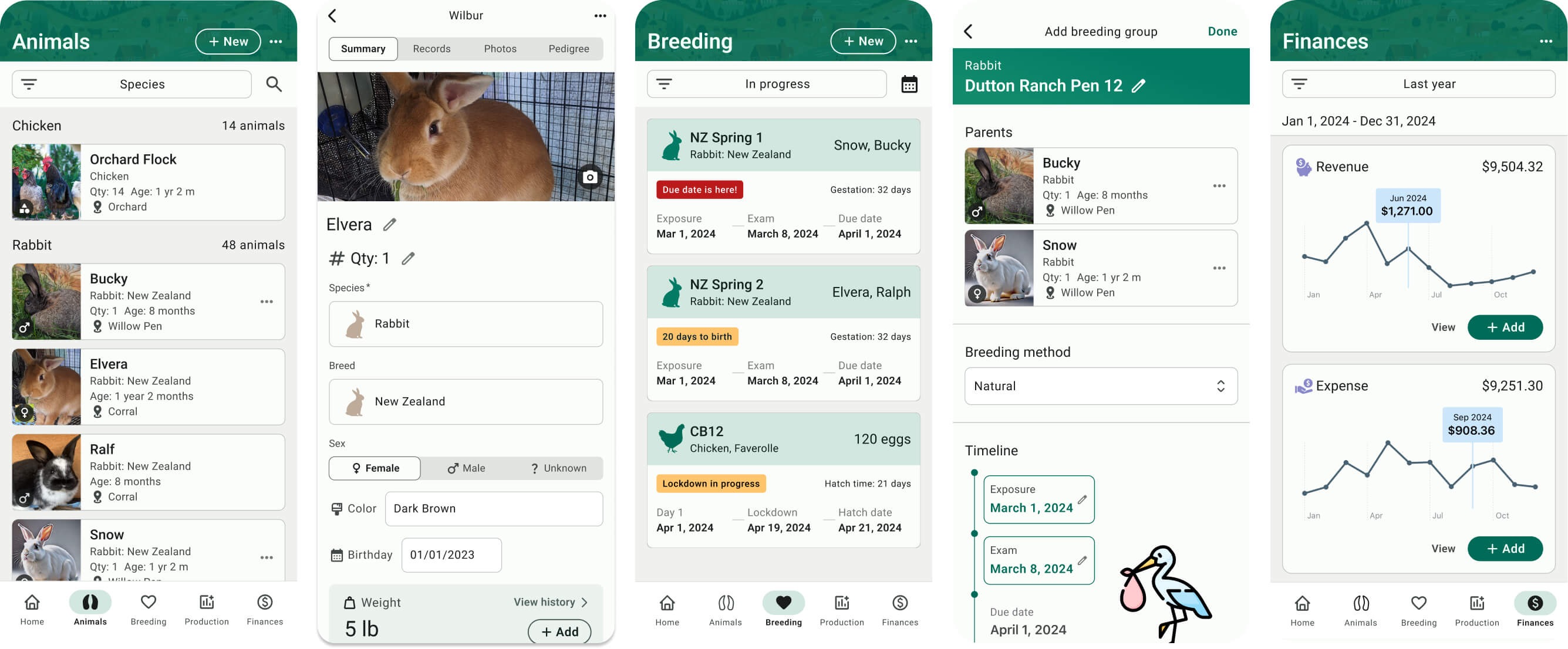
Tracking Your Meat Rabbit Production
The “best rabbit” isn’t just about breed—it’s about results.
- Which rabbits grow fastest for you
- Which lines produce the best litters
- How feed costs compare to output
Those differences add up quickly.
This is exactly what tools like FarmKeep are built for.
- Track growth and production
- Log breeding and outcomes
- Monitor feed vs yield
- Make better decisions over time
Keeping accurate and up to date records will help you save money and maintain a healthy colony.
Final Thoughts
Raising rabbits for meat is one of the most practical and accessible ways to produce your own food—whether you’re working with a full farm or just a backyard setup. They require relatively little space, reproduce quickly, and convert feed into high-quality protein more efficiently than most livestock. For families looking to become more self-sufficient, rabbits offer a steady, manageable source of meat that can fit into almost any lifestyle.
But beyond efficiency, there’s something deeper here.
When you raise your own animals, you’re taking responsibility for where your food comes from. That means providing proper care, humane living conditions, and thoughtful breeding practices. Ethical rabbit management isn’t just about productivity—it’s about respect for the animals and the role they play in sustaining your household. Choosing hardy breeds, maintaining clean housing, and breeding intentionally all contribute to healthier animals and better outcomes.
There’s also a real opportunity on the business side. Many small-scale producers offset costs—or even generate meaningful income—by selling:
- Breeding stock
- Processed meat
- Pelts or tanned hides
- Value-added goods
Dual-purpose breeds can make this even more viable, allowing you to get more value from each animal. And because rabbits scale easily, you can start small and grow over time without major upfront investment.
FAQs
What is the best rabbit breed for meat production?
New Zealand and Californian rabbits are widely considered the best for meat production due to their fast growth, efficient feed conversion, and high-quality carcasses. They consistently reach butcher weight in 8–12 weeks, making them ideal for both beginners and experienced producers.
What is the fastest growing meat rabbit?
Californian rabbits are typically the fastest growing, closely followed by New Zealand rabbits. Both breeds are optimized for commercial production and can reach fryer weight quickly with proper feeding and care.
What is the best rabbit for meat and fur?
Silver Fox and American Chinchilla rabbits are top dual-purpose breeds. They provide good meat production while also producing dense, high-quality pelts, making them ideal for homesteaders looking to maximize value from each animal.
What is the best meat rabbit for hot weather?
Californian rabbits tend to handle heat better than heavier breeds, especially when provided with shade and proper ventilation. Smaller breeds may also tolerate heat better, but management practices like airflow and hydration are critical.
Are Flemish Giants good for meat?
Flemish Giants can be used for meat, but they are generally not recommended. Despite their large size, they grow slowly and consume more feed, making them less efficient compared to breeds like New Zealand or Californian rabbits.
How long does it take to raise a rabbit for meat?
Most meat rabbits reach butcher weight in about 8 to 12 weeks. Fast-growing breeds like New Zealand and Californian are typically processed around this timeframe for optimal tenderness and efficiency.
What is the most profitable meat rabbit breed?
New Zealand and Californian rabbits are usually the most profitable due to their fast growth, high feed efficiency, and reliable reproduction. Profitability ultimately depends on feed costs, breeding management, and how well the breed performs in your environment.
What is the best meat rabbit for beginners?
New Zealand rabbits are considered the best for beginners because they are hardy, easy to manage, and highly productive. They provide consistent results and are widely available.